
Entertainment
WHEN THE STREET CROWN IS ON YOUR HEAD, THE BURDEN OF Charles Nii Armah Mensah – Socrates Safo

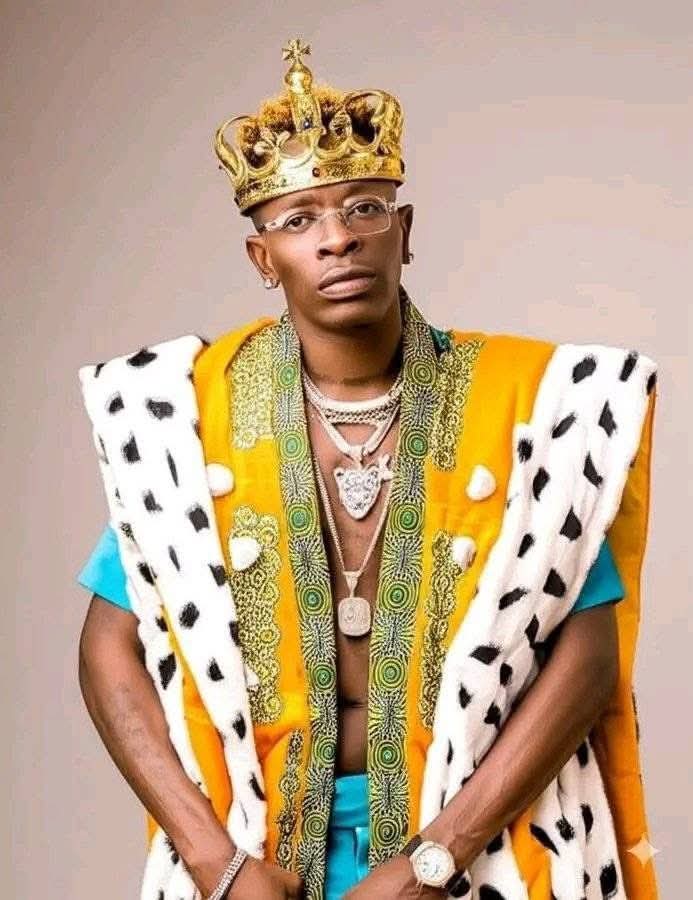
Quiet Generosity Behind the Fame, Socrates Safo Shares Insights on Shatta Wale’s Leadership
By Socrates Safo
Ghanaian entertainment figure Shatta Wale, born Charles Nii Armah Mensah, is often described as a man who carries the “street crown.” With fame, influence, and controversy constantly surrounding his brand, new revelations suggest there is a quieter dimension to his leadership that rarely makes headlines.
In a recent late night conversation described by filmmaker and creative personality Socrates Safo, the focus was not publicity or media attention, but responsibility, strategy, and what he calls silent generosity.
A Private Conversation, Not a Public Interview
According to Safo, the discussion was a family style exchange held behind closed doors. It followed his earlier public suggestion that the artiste should consider establishing structured, long term support systems for loyal fans who have stood by the Shatta Movement brand over the years.
What emerged from the conversation was an assertion that many of the musician’s contributions have intentionally been kept out of the public eye. The reason, Safo explains, is rooted in personal conviction rather than showmanship.
Across religious traditions, including biblical teachings such as Matthew 6 verses 3 to 4, acts of charity are encouraged to be done without seeking applause. Safo suggests this philosophy resonates strongly with the artiste’s approach to giving.
Support Systems Beyond the Spotlight
Safo disclosed that behind the scenes, the artiste has reportedly sponsored university education for some supporters, assisted in establishing pubs, supported the creation of hairdressing salons and eateries, and opened pathways for self employment.
These interventions, he claims, were not accompanied by press conferences or media campaigns. Instead, they were handled privately, with what he describes as screenshot evidence shared with him for personal viewing.
Business Empowerment Through HOTWAV and Shaxi
The conversation also touched on business expansion. With the HOTWAV phone brand, plans are reportedly underway to build a distribution network that allows loyal supporters to become agents and retailers, earning income through direct sales and digital promotion.
In addition, Safo highlighted the Shaxi transport platform. Drivers on the platform reportedly pay twenty cedis daily to activate the app, a structure the artiste considers fair within an industry often criticized for high commission deductions. Some drivers operate under a “Work and Pay” system, eventually owning the vehicles they drive, a model described as practical empowerment.
Addressing the Cash Throwing Controversy
One of the most debated aspects of the artiste’s public appearances is the act of spraying or throwing cash into crowds. Critics have frequently questioned the practice.
Safo recounts that the defence offered during their discussion was pragmatic. In his view, small sums of money can provide immediate relief to individuals in desperate situations. In certain chaotic environments, what appears theatrical to critics may be seen by supporters as urgent assistance or even a security strategy to disperse crowds and allow safe movement.
Industry Relations and Forward Plans
Safo also referenced comments directed toward industry colleagues such as Bullgod and Arnold Asamoah-Baidoo, along with a special mention of Ansah Addo Halifax. The overarching message, he noted, centered on promoting constructive causes and building rather than destroying within the creative industry.
Plans to host media personalities for direct engagement were also hinted at, though Safo emphasized that certain aspects of the conversation remain undisclosed as some initiatives are still in development.
The Weight of the Street Crown
Safo concludes that leadership in entertainment, especially one rooted in street credibility, carries expectations that can become both responsibility and burden. In a culture driven by visibility and constant media scrutiny, he argues that some of the most significant actions occur quietly.
For members of the Shatta Movement and supporters such as Samuel Atuobi Baah, the message is clear. The crown may be visible, but the weight it carries is often unseen.


















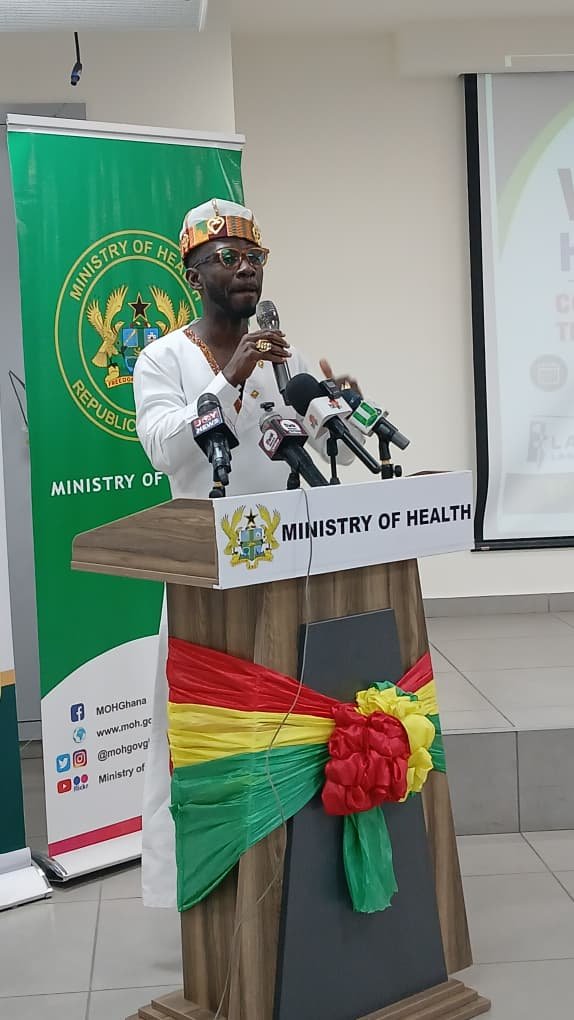
Okyeame Kwame’s ” No Hep” song has been released by Ghanaian rapper and National Hepatitis Ambassador, Okyeame Kwame, as part of efforts to support the country’s campaign to eliminate viral hepatitis.
The new song, titled “No Hep,” is aimed at raising awareness, encouraging Ghanaians to get tested, reducing stigma, and promoting vaccination against hepatitis.
Speaking during an interview on World Hepatitis Day, Okyeame Kwame, popularly known as “The Rap Doctor,” explained that he chose music as a tool because of its ability to reach a wider audience and communicate health messages effectively.
According to him, the Okyeame Kwame No Hep song will help make hepatitis education more relatable and easier for people to understand.
“I made this song because I want to help the ministry promote the elimination of hepatitis from Ghana. Music has the power to drive messages home quickly. If people begin singing ‘No Hep, no more,’ they will be encouraged to go for testing, and the stigma around the disease will reduce,” he said.
The musician revealed that the song will be available on digital platforms including YouTube, Facebook, Spotify, and other major streaming services, while radio stations across the country will also broadcast it to reach more Ghanaians.
Okyeame Kwame also shared that his involvement in hepatitis advocacy started over two decades ago when he discovered the high cost of hepatitis B testing and vaccination while preparing for marriage.
He explained that the situation motivated him to establish an initiative that provided free hepatitis testing to help people access important health services.
The rapper expressed optimism about the progress Ghana has made in the fight against hepatitis, noting that treatment costs have reduced significantly compared to previous years.
He highlighted that hepatitis C medication is now available for free in Ghana, while testing services have also become more accessible.
As part of activities marking World Hepatitis Day, Okyeame Kwame encouraged Ghanaians to take personal responsibility by getting tested, receiving vaccination when necessary, and seeking medical attention if they test positive.
He believes that increased awareness, early detection, and access to treatment will help Ghana achieve its goal of eliminating viral hepatitis in the coming years.
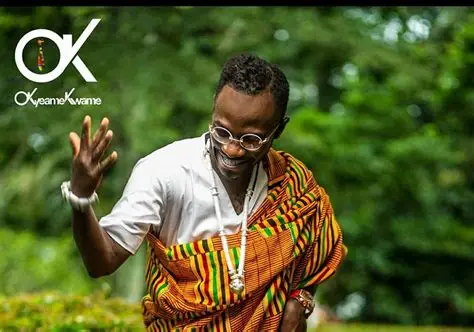
Ghanaian musician Okyeame Kwame has been appointed as the Ghana Health Service Ambassador to support the country’s national campaign against hepatitis.
The appointment forms part of efforts by the Ghana Health Service (GHS) to strengthen public awareness about hepatitis, encourage preventive measures, and educate Ghanaians on the dangers of the disease. As one of Ghana’s most influential entertainers, Okyeame Kwame is expected to use his platform to reach millions of people with life-saving health messages.
The Okyeame Kwame Ghana Health Service Ambassador initiative seeks to increase public understanding of hepatitis, promote regular screening, and encourage early diagnosis and treatment. Health experts believe that greater public engagement is essential to reducing the burden of hepatitis and preventing avoidable deaths.
According to the Ghana Health Service, effective public education remains one of the strongest tools in the fight against hepatitis. By partnering with respected public figures like Okyeame Kwame, the service hopes to inspire more people to seek testing, vaccination where applicable, and timely medical care.
Okyeame Kwame has built a strong reputation for supporting public health campaigns over the years, making him a suitable choice to champion the fight against hepatitis in Ghana. His appointment is expected to strengthen nationwide advocacy efforts and encourage more communities to participate in hepatitis prevention initiatives.
Health authorities continue to urge Ghanaians to learn about hepatitis, get tested, and seek professional medical advice when necessary, stressing that early detection significantly improves treatment outcomes.
Video credit@ChannelOne Tv
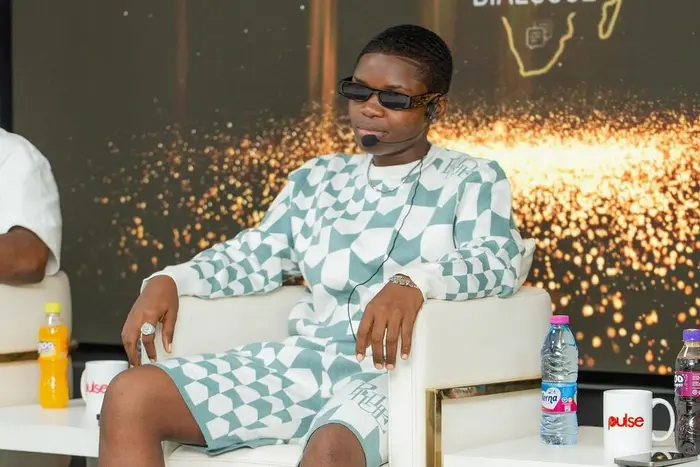
Endurance Grand’s role in Children of Blood and Bone has sparked excitement among Ghanaians after the talented dancer and actress was featured in newly released footage from the upcoming Hollywood fantasy blockbuster, marking another major milestone in her rapidly growing international career.
The appearance has attracted widespread praise from fans, who have celebrated Endurance Grand for securing a place in one of the most anticipated international movies scheduled for release in 2027.
Children of Blood and Bone, a Hollywood adaptation of Tomi Adeyemi’s bestselling fantasy novel, features a star-studded cast including Viola Davis, Idris Elba, Damson Idris, Regina King, Cynthia Erivo, Lashana Lynch, Chiwetel Ejiofor and Amandla Stenberg.
The film, directed by acclaimed filmmaker Gina Prince-Bythewood, is expected to premiere in cinemas on January 15, 2027.
Endurance Grand’s role marks another major achievement in her growing acting career. Although she is best known for her exceptional dancing skills, she has gradually established herself as a promising actress.
She made her acting debut in the internationally recognised short film The Fisherman, where she played the character Shasha. The movie, directed by Zoey Martinson, received major recognition after winning Best Director and Best Narrative Feature at the 2025 American Black Film Festival.
The Fisherman also gained attention during its Ghanaian premiere at Silverbird Cinemas, where it attracted a strong audience response.
With her latest appearance in Children of Blood and Bone, Endurance Grand has taken another important step onto the global entertainment stage. Many Ghanaians believe her achievement represents a positive moment for Ghana’s creative industry and a sign of the growing influence of Ghanaian talent in international cinema.
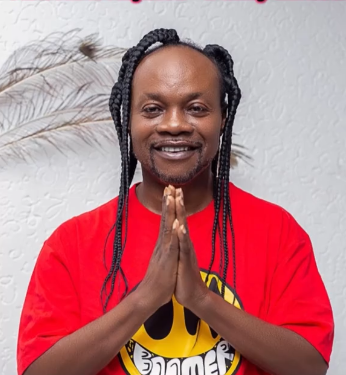
Daddy Lumba Mausoleum will soon be opened to the public, allowing fans, friends, and music lovers to visit the final resting place of the late Highlife icon and honour his remarkable legacy.
Former manager of the legendary musician, Roman Fada, has disclosed that the family is preparing to announce an official date for public access to the mausoleum.
Speaking in an interview with media personality Kofi Adoma, Roman Fada explained that the move is aimed at giving admirers of Daddy Lumba the chance to pay their respects and celebrate the musician’s contribution to Ghana’s music industry.
According to him, the mausoleum will serve as a place where visitors can learn more about Daddy Lumba’s life, career, achievements, and influence on Highlife music.
He added that plans are in place to make the facility a memorable experience for fans, with displays featuring the musician’s journey, major performances, awards, and important moments from his career.
Roman Fada revealed that giant screens will be installed at the mausoleum to showcase some of Daddy Lumba’s historic performances, while his music will also be played to create an atmosphere that keeps his legacy alive.
He further stated that visitors may be required to pay a small fee to access the facility, with funds expected to support the maintenance and upkeep of the mausoleum.
The announcement comes after the family marked the first anniversary of the passing of the Highlife legend by sharing details about his final resting place.
Daddy Lumba, born Charles Kwadwo Fosuh, passed away on July 26, 2025, and was laid to rest at his private residence in East Legon, Accra, ending months of speculation about where his final resting place was located.
The planned Daddy Lumba Mausoleum is expected to become a centre for preserving and celebrating the life, music, and legacy of one of Ghana’s most influential musicians.

2026 BECE Results Out; WAEC Takes Firm Action Against Examination Malpractice

VALCO Strategic Equity Capitalization: Minority Backs Workers, Demands Full Transparency

Supreme Court: OSP Can Probe Corruption but Cannot Independently Prosecute Without Attorney-General’s Authority



-

 Entertainment1 week ago
DJ K.A Apologises Over Viral Video, Says It Was Recorded Four Years Ago
-

 General News1 week ago
Dr. Charles Dwamena Sues Hubtel for GH¢5 Million Over Alleged Campaign USSD Sabotage
-

 General News2 weeks ago
Okatakyie Afrifa Granted GH¢100,000 Bail Over Alleged Disruption of NPP Constituency Elections
-

 Entertainment2 weeks ago
Ghanaians Question Akwaboah’s Advice to Save GH¢8,000 Monthly Before Marriage
-
 General News1 week ago
Chairman Wontumi Sentenced to 20 Years in Prison Over Illegal Mining
-
 Entertainment3 days ago
Ghana Secures $3.5 Million UNESCO Heritage Support During Tourism Minister’s South Korea Visit
-

 Entertainment1 week ago
“Hits Rule Everything Now” — Perez Musik Says Legends Like Bob Marley Would Face Challenges Today
-

 Entertainment1 week ago
Ramatu Gumah Named Chairperson and Head of Africa Diaspora Relations at Africa Development Council