
Business
Ghana Stock Exchange Surges Past 15,000 Points for First Time as Investor Demand Fuels Historic Rally


The Ghana Stock Exchange (GSE) reached a historic milestone on Tuesday, with its benchmark GSE Composite Index (GSE-CI) surpassing the 15,000-point mark for the first time, highlighting strong investor confidence and sustained momentum in the equities market.
At the close of trading on March 10, 2026, during the exchange’s 7,169th session, the GSE-CI climbed 598.32 points to finish at 15,185.49. The rally also lifted the GSE Financial Stocks Index (GSE-FSI) by 252.74 points, ending the session at 9,538.68.
The market’s strong performance pushed total market capitalisation to a record GH¢277.97 billion, up significantly from GH¢267.45 billion recorded on Monday, as investors continued to channel funds into equities.
Trading activity also improved markedly. A total of 2,503,371 shares were traded during the session, with a combined value of GH¢24,014,498.26, reflecting increased market participation compared with the previous trading day.
Banking Stocks Lead Market Momentum
Banking stocks were among the strongest performers, led by Standard Chartered Bank Ghana PLC (SCB), which recorded the largest price gain of the day. The stock surged GH¢6.28 to close at GH¢69.14, extending its strong run and reinforcing its status as one of the market’s best-performing equities this year.
Meanwhile, GCB Bank PLC (GCB) closed unchanged at GH¢52.00 despite heavy trading. A total of 154,831 shares exchanged hands, contributing GH¢8.05 million to the overall market value.
Similarly, Access Bank Ghana PLC (ACCESS) ended the session flat at GH¢46.64.
GOIL and MTN Ghana Support Market Rally
Energy and telecommunications stocks also played a key role in the market’s rally.
Ghana Oil Company Limited (GOIL) rose GH¢0.21 to close at GH¢6.60, with 756,136 shares traded—the second-highest volume of the session—valued at approximately GH¢4.99 million.
The most actively traded stock was Scancom PLC (MTN Ghana). The telecom giant gained GH¢0.39 to close at GH¢6.33, with 1,187,562 shares changing hands and contributing GH¢7.51 million to the market’s total value.
Insurance and Financial Stocks Record Gains
Insurance and financial services stocks also posted gains during the session.
SIC Insurance Company PLC (SIC) rose GH¢0.54 to close at GH¢5.98, while Republic Bank (Ghana) PLC (RBGH) advanced GH¢0.29 to end the day at GH¢3.26.
Regional banking group Ecobank Transnational Incorporated (ETI) gained GH¢0.17, closing at GH¢1.91.
In the pharmaceutical sector, Dannex Ayrton Starwin PLC (DASPHARMA) added GH¢0.03 to finish at GH¢0.41, while Atlantic Lithium Ltd (ALLGH) ended the session unchanged at GH¢6.52 despite active trading.
Societe Generale Records Only Decline
The only stock to record a price decline during the session was Societe Generale Ghana PLC (SOGEGH), which slipped GH¢0.02 to close at GH¢11.37.
Several Stocks End Session Unchanged
A number of listed equities recorded no price movement, including Agricultural Development Bank PLC, AngloGold Ashanti PLC, Enterprise Group PLC, Fan Milk PLC, Guinness Ghana Breweries PLC, TotalEnergies Marketing Ghana PLC, Unilever Ghana PLC, and several others.
Market Performance Since Start of Year
The latest rally has significantly boosted the exchange’s year-to-date performance. The GSE Composite Index has now gained 73.15 percent since the start of 2026, while the financial stocks index has surged 105.26 percent, effectively more than doubling investor capital within just over two months.
Market analysts note that the benchmark index has been on a steady upward trajectory since late February, with investors closely watching the 16,000-point level as the next major psychological milestone.




Ghana economic recovery has made meaningful progress following the country’s recent macroeconomic challenges, but the gains remain fragile and should not be viewed as a permanent turnaround, according to audit and advisory firm PwC.
In its review of the 2026 Mid-Year Budget, presented by Finance Minister Dr. Cassiel Ato Forson, PwC acknowledged that Ghana has achieved notable improvements in key macroeconomic indicators during the first half of 2026. However, the firm cautioned that maintaining the recovery will require continued fiscal discipline, structural reforms, and resilience against increasing global economic risks.
According to PwC, the Finance Minister was justified in highlighting the country’s stronger economic performance compared to the same period last year.
“The Minister for Finance is right to argue that macroeconomic conditions in the first half (H1) of 2026 were significantly better than a year earlier,” the firm stated.
However, PwC stressed that the critical issue is whether these improvements are sustainable enough to attract long-term investment.
“The more important question for everybody, including business leaders, is whether the improvement is structural, durable and investable.”
Improved Indicators Signal Recovery
PwC noted that several economic indicators have recorded significant improvements, including:
* Higher economic growth
* Lower inflation compared to previous years
* Stronger fiscal balances
* Improved foreign exchange reserves
* Better debt sustainability indicators
The firm explained that some of these gains are the result of prudent fiscal management and progress made under Ghana’s debt restructuring programme.
However, it also pointed out that other positive developments have been supported by temporary factors such as:
* Favourable statistical base effects
* Delayed government expenditure
* Lower domestic interest rates
* Improved foreign reserve accumulation
PwC warned that these supportive conditions may become more difficult to sustain during the second half of 2026 as government increases spending on capital projects, inflationary pressures rise, and external economic uncertainties persist.
Inflation Risks Remain
While PwC believes the government’s year-end targets for real GDP growth and primary surplus remain achievable, it expressed concern over inflation.
The firm warned that recent increases in inflation, coupled with rising global crude oil prices and escalating geopolitical tensions, could push inflation towards the upper end of the government’s target range before the end of the year.
Businesses Urged to Remain Cautious
PwC advised businesses and investors not to assume that the current macroeconomic stability will continue without challenges.
“For business leaders and investors, our message is straightforward: Ghana’s macro picture is much improved, but this is not yet a no-risk operating environment.”
The report predicts that the second half of 2026 is likely to be characterised by:
* Mild reflation
* Selective acceleration in government spending
* Continued external economic vulnerabilities
* Less room for additional monetary policy easing than markets currently anticipate
Fiscal Strategy Viewed as Credible
PwC described the government’s fiscal strategy as broadly credible, noting that the administration has maintained its original revenue and expenditure projections without introducing a supplementary budget or significantly relaxing fiscal policy.
Nonetheless, the firm said long-term fiscal sustainability will depend on several critical reforms, including:
* Strengthening domestic revenue mobilisation
* Improving governance of state-owned enterprises
* Resolving persistent financial challenges within Ghana’s energy sector
PwC concluded that although Ghana’s fiscal position has improved, it cannot yet be considered fully repaired.
“Our independent judgment is that fiscal sustainability is improving, but it is not conclusively repaired.”
The report added that part of the stronger fiscal performance recorded during the first half of 2026 may have resulted from delayed government spending rather than permanent improvements in expenditure efficiency.
“Part of the fiscal strength reflects opportune timing rather than permanent efficiency.”
According to the firm, fiscal savings achieved earlier in the year could narrow as government ramps up spending on flagship programmes during the remainder of 2026.
Outlook Remains Positive but Requires Discipline
Despite the risks, PwC believes Ghana’s current macroeconomic environment offers better opportunities for businesses than in recent years.
Lower interest rates, stronger investor confidence and improved exchange-rate stability are expected to support investment and economic activity.
However, the firm urged businesses to adopt what it described as “disciplined optimism” by taking advantage of improving conditions while continuing to hedge against currency volatility, safeguard profit margins and prepare for a potentially more challenging second half of the year.
PwC’s assessment suggests that while Ghana economic recovery is gaining momentum, sustaining the progress will require consistent policy implementation, continued fiscal discipline and successful structural reforms to withstand both domestic and global economic pressures.
Business
BoG Lost Its Independence Under NPP, Leading to Debt Exchange Crisis – Banking Consultant Alleges

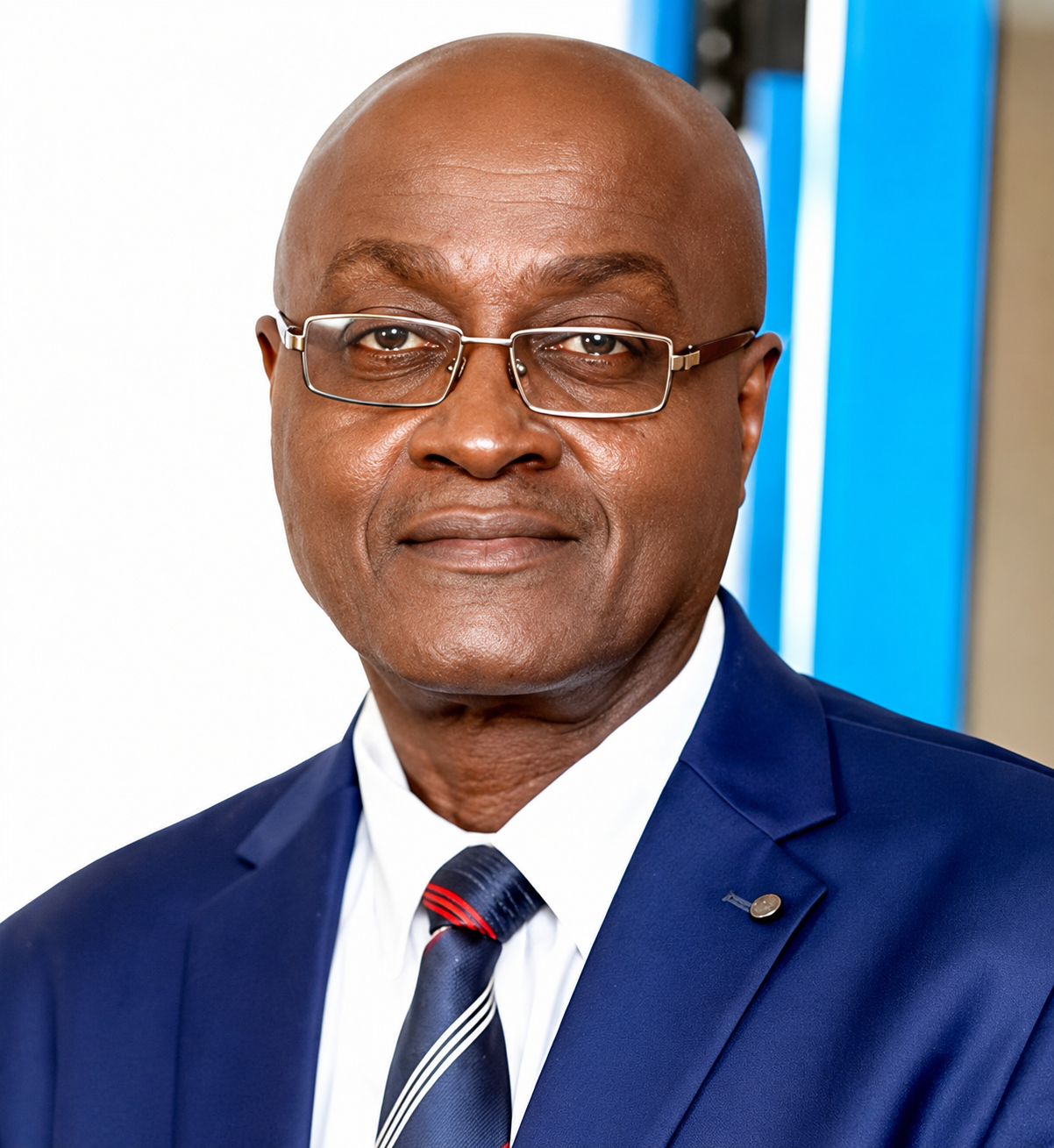
A Banking Consultant, Dr. Richmond Atuahene, has argued that the independence of the Bank of Ghana (BoG) is essential to protecting the country’s financial system from political interference, claiming that government influence over the central bank contributed significantly to Ghana’s recent economic challenges.
In a zoom interview granted on Kessben TV’s Digest show, Dr. Atuahene insisted, the Bank of Ghana should operate independently without interference from any government, stressing that central bank autonomy is a globally accepted principle designed to safeguard sound monetary policy.
He alleged that the previous NPP administration dictated the operations of the central bank, a situation he believes ultimately resulted in the Domestic Debt Exchange Programme (DDEP).
“The Bank of Ghana should operate as an independent entity devoid of political interference, but the NPP government dictated its mode of operation, and that led to the Domestic Debt Exchange Programme,” he stated.
Dr. Atuahene further claimed that the debt exchange became necessary because the central bank had extended substantial financing to the government, weakening its financial position.
He also criticized the currency redenomination exercise, asserting that it was a government-driven policy rather than an independent decision by the Bank of Ghana.”The redenomination was Kufuor’s policy and not Dr. Paul Acquah’s own. It was pure government interference, not Central Bank policy,” he claimed.
The banking consultant warned that Ghana currently lacks the resources needed to fully recapitalize the Bank of Ghana, suggesting that the country’s financial system may continue to feel the effects of the central bank’s losses for several more years unless decisive measures are taken.
Dr. Atuahene maintained that preserving the independence of the Bank of Ghana is critical to preventing future economic crises and restoring confidence in the country’s financial sector.
By Maurice Otoo
Business
Finance Minister Unveils 1,200MW Gas Power Project, Promises Cheaper Electricity and 3,000 Jobs

Finance Minister Dr. Cassiel Ato Forson has announced that the government is developing a 1,200-megawatt combined-cycle gas-powered plant at Kafodzidzi in the Komenda-Edina-Eguafo-Abrem (KEEA) Municipality.
Speaking during the midyear budget review in Parliament, the Finance Minister said visibility studies have confirmed the project’s viability, with environmental, engineering and permitting processes already completed.
According to him, the first 600MW phase of the project is expected to become operational in 2028, marking a major milestone in government’s efforts to boost electricity generation capacity.
Dr. Forson disclosed that to cut project costs, the government secured gas turbines directly from the manufacturer, GE Vernova, instead of using third-party procurement channels. He said the approach is expected to deliver cost savings of between 35% and 45%.
He added that once completed, the project will significantly reduce electricity generation costs, paving the way for a 10% to 20% reduction in electricity tariffs.
The Finance Minister also revealed that the first phase of the project is expected to create more than 3,000 direct and indirect jobs, providing a major boost to employment while strengthening Ghana’s energy security.
By Maurice Otoo

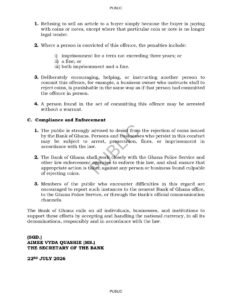
The Bank of Ghana (BoG) has issued a public notice warning traders, transport operators, businesses, and individuals that refusing to accept Ghana cedi coins as payment is unlawful and may attract criminal sanctions.
The notice, numbered BG/GOV/SEC/2026/23, addresses the growing practice of rejecting coins in commercial transactions across the country. According to the central bank, this behavior undermines the legal status of Ghana’s currency and violates existing laws.
Coins Remain Legal Tender
The Bank of Ghana stated that all coins it has issued—including 1 pesewa, 5 pesewa, 10 pesewa, 20 pesewa, 50 pesewa, GH¢1, and GH¢2 coins—remain valid legal tender throughout Ghana.
The central bank emphasized that none of these coins have been demonetized or withdrawn from circulation. Therefore, they must be accepted for the settlement of debts and payments for goods and services.
The notice follows an earlier BoG directive (Notice No. BG/GOV/SEC/2026/17), issued on July 14, 2026, which focused on the misuse, abuse, and illegal handling of Ghana cedi banknotes and coins. While the earlier notice dealt with physical damage and defacement of currency, the latest directive specifically addresses the unlawful refusal to accept coins.
Refusal to Accept Coins Is Illegal
The Bank made it clear that no trader, transport operator, business entity, or individual has the right to reject legal tender simply because the coins are considered inconvenient, of low value, or due to personal preference.
Businesses that refuse to sell goods or provide services because customers choose to pay with legal Ghana cedi coins may be committing an offence under the Currency Act, 1964 (Act 242).
Criminal Penalties
According to the notice, persons convicted of unlawfully refusing legal tender may face:
- Imprisonment for a term not exceeding three years;
- A fine;
- Or both imprisonment and a fine.
The Bank also warned that anyone who instructs, encourages, or assists another person to reject coins—for example, a business owner directing employees not to accept coins—may be held equally liable under the law.
Additionally, individuals caught committing the offence may be arrested without a warrant.
Enforcement Measures
The Bank of Ghana announced that it will collaborate closely with the Ghana Police Service and other law enforcement agencies to ensure compliance with the law.
The central bank warned that individuals and businesses that continue rejecting coins risk arrest, prosecution, fines, and possible imprisonment.
Members of the public experiencing difficulties with businesses refusing coins are encouraged to report such incidents to the nearest Bank of Ghana office, the Ghana Police Service, or through the Bank’s official communication channels.
Call to the Public
The Bank of Ghana urged all individuals, businesses, and institutions to support national efforts by accepting and responsibly handling Ghana’s currency in all its denominations.
The notice was signed by Aimee Vyda Quashie (Ms.), Secretary of the Bank, and is dated July 22, 2026.
Investor demand for Ghana’s Treasury bills surged last week, with the latest primary market auction attracting bids worth GH¢10.03 billion—almost double the government’s fundraising target of GH¢5.67 billion.
Results released by the Bank of Ghana show that the auction was oversubscribed by 77%, reflecting strong investor demand for short-term government securities and renewed confidence in the domestic debt market.
The Treasury accepted GH¢7.38 billion of the total bids, exceeding its financing target by GH¢1.71 billion after taking up a larger share of investor subscriptions.
The 364-day Treasury bill remained the most sought-after instrument, attracting GH¢5.65 billion in bids. The government accepted GH¢4.53 billion of that amount, making it the largest contributor to the funds raised during the auction.
The benchmark 91-day Treasury bill recorded bids of GH¢2.98 billion, with GH¢1.80 billion accepted, while the 182-day bill received GH¢1.40 billion in subscriptions, of which GH¢1.06 billion was accepted.
Yields were mixed across the three tenors. The 91-day bill eased slightly by one basis point to 5.86% from 5.87% at the previous auction, while the 182-day bill remained unchanged at 7.79%. The yield on the 364-day bill, however, climbed seven basis points to 12.99% from 12.92%, indicating continued investor preference for higher returns on longer-term government securities.
The latest auction represents a significant turnaround from the previous sale, which attracted just GH¢4.16 billion in bids. The sharp rise in subscriptions signals growing investor confidence in Treasury bills despite the prevailing interest rate environment.
Looking ahead, the government is targeting GH¢7.36 billion in its next Treasury bill sale under Tender 2016 to finance its short-term borrowing requirements.

2026 BECE Results Out; WAEC Takes Firm Action Against Examination Malpractice

VALCO Strategic Equity Capitalization: Minority Backs Workers, Demands Full Transparency

Supreme Court: OSP Can Probe Corruption but Cannot Independently Prosecute Without Attorney-General’s Authority



-
 Entertainment1 week ago
DJ K.A Apologises Over Viral Video, Says It Was Recorded Four Years Ago
-

 General News1 week ago
Dr. Charles Dwamena Sues Hubtel for GH¢5 Million Over Alleged Campaign USSD Sabotage
-

 General News2 weeks ago
Okatakyie Afrifa Granted GH¢100,000 Bail Over Alleged Disruption of NPP Constituency Elections
-

 General News1 week ago
Chairman Wontumi Sentenced to 20 Years in Prison Over Illegal Mining
-

 Entertainment2 weeks ago
Ghanaians Question Akwaboah’s Advice to Save GH¢8,000 Monthly Before Marriage
-
 Entertainment3 days ago
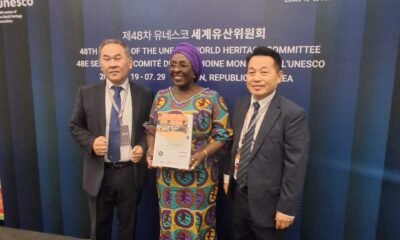
Ghana Secures $3.5 Million UNESCO Heritage Support During Tourism Minister’s South Korea Visit
-

 Entertainment1 week ago
“Hits Rule Everything Now” — Perez Musik Says Legends Like Bob Marley Would Face Challenges Today
-

 Entertainment1 week ago
Ramatu Gumah Named Chairperson and Head of Africa Diaspora Relations at Africa Development Council