
Culture
Homowo Festival: The History, Meaning, Traditions and Celebrations of the Ga People

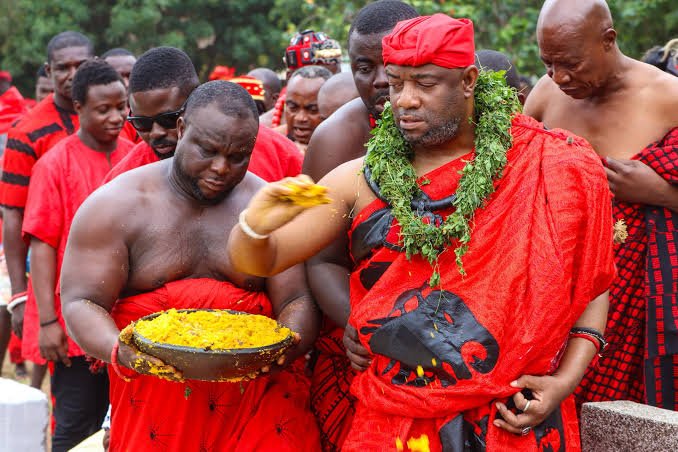
The Homowo Festival is one of Ghana’s most prominent traditional festivals, celebrated by the Ga people of the Greater Accra Region. It is a festival deeply rooted in the history, culture, spirituality and identity of the Ga communities.
The name Homowo is commonly translated as “hooting at hunger” or “making fun of hunger”. The celebration commemorates a period of famine experienced by the Ga people and their eventual triumph over hunger.
Beyond its historical significance, Homowo is a time for thanksgiving, traditional purification, family reunions, ancestral remembrance, cultural performances and the strengthening of community bonds.
The historical origins: From famine to abundance
According to Ga oral tradition, the ancestors of the Ga people experienced severe famine during their migration and settlement.
The shortage of food was associated with inadequate rainfall and difficulties in cultivating crops. The people endured a period of hardship before eventually achieving a successful harvest.
The celebration of Homowo recalls that experience and the community’s eventual triumph over hunger.
The name is formed from two Ga words: “Homo,” meaning hunger, and “wo,” meaning to hoot or jeer. The festival therefore symbolically mocks hunger, celebrating the fact that the people survived a period that threatened their existence.
Traditional accounts also associate the festival with prayers, sacrifices and the offering of libations to the Supreme Being, deities and ancestors.
These customs reflect the spiritual dimensions of the celebration and the gratitude expressed for the harvest that followed the famine.
Where Homowo is celebrated
Homowo is celebrated by Ga communities across the Greater Accra Region. These include:
* Ga Mashie, including James Town and Ussher Town.
* Osu
* La
* Teshie
* Nungua
* Tema
* Ningo
* Prampram
* Kpone
Although the communities share the broader Homowo tradition, their celebrations do not necessarily take place on the same date. Each traditional area observes its own calendar, customs and sequence of activities.
The celebrations often extend across several weeks, with different rites and public events leading up to the main festival.
The traditional preparations before Homowo
Homowo is preceded by a series of traditional activities that prepare the people spiritually and practically for the celebration.
1. Nmaadumo – Sowing of millet
One of the important early activities is Nmaadumo, the ceremonial sowing of millet.
According to the Wikipedia account, the sowing is connected to the Ga traditional calendar and involves priests associated with the Ga Mashie communities.
The sowing ceremony marks the beginning of the festival cycle and is linked to the agricultural activities that precede the harvest.
The traditional calendar determines the timing of the rites, while the planting of crops symbolises the beginning of the journey towards abundance.
2. Koninfemo – The period of silence
Following the planting ceremony, a traditional ban on drumming, singing and noise-making is imposed in the relevant communities.
The period is known as Koninfemo, and it is observed to create an atmosphere of quietness during the agricultural and spiritual preparations.
The restriction is traditionally intended to allow the crops to grow without disturbance and to provide an appropriate period for spiritual observance.
The ban lasts for several weeks, with its duration and implementation depending on the traditional area.
Its conclusion is marked by the beating of traditional drums, including the Odadaa, which announces the end of the period of silence.
3. Gbemlilaa – The first harvest
The first harvest is another important stage in the Homowo cycle.
The Ghana tourism account describes Gbemlilaa as a harvest-related ritual associated with the first maize gathered after the period of cultivation.
The harvest is treated as an occasion for gratitude, recalling the famine that forms the historical foundation of Homowo.
The first produce is not simply viewed as food. It represents survival, hope and the community’s ability to overcome hardship.
Kpokpoi: The special food at the heart of Homowo
One of the most recognisable features of Homowo is Kpokpoi, also written as Kpekple.
Kpokpoi is a traditional Ga dish prepared mainly from maize. It is closely associated with the festival because it symbolises the successful harvest that followed the famine remembered by the Ga people.
The food is traditionally prepared from maize meal, which is steamed and mixed with palm oil. It is commonly eaten with palm-nut soup and fish.
The preparation and sharing of Kpokpoi are central to the festival, connecting the agricultural history of the Ga people with their spiritual beliefs and community life.
Why Kpokpoi is sprinkled
The sprinkling of Kpokpoi is among the most significant rituals of Homowo.
During the ceremony, traditional leaders, priests, elders and other authorised participants sprinkle portions of the food at designated places.
The ritual is an expression of thanksgiving to the gods and ancestors for a successful harvest and for protection.
It also symbolises the Ga people’s triumph over hunger.
In Ga Mashie, the ancestors are traditionally invited to partake in the food before it is sprinkled at important locations, including streets and other culturally significant places.
The Ghana News Agency has reported that the first sprinkling in Ga Mashie follows a longstanding custom involving the Gbese Mantse, whose ritual precedes the sprinkling by other sub-chiefs.
The food is also sprinkled at ancestral burial places and other traditional locations.
The communal preparation and sharing of food
Homowo is also a festival of hospitality and togetherness.
Families prepare Kpokpoi in their homes and share the food with relatives, neighbours and other members of the community.
The preparation brings family members together, while the sharing reflects the communal values associated with the festival.
The meal serves as a reminder that the abundance enjoyed by the community is something to be appreciated collectively.
The main Homowo celebrations
Although the exact sequence and dates differ among Ga traditional areas, several activities are commonly associated with the festival.
Traditional processions and durbars
Traditional processions are an important feature of Homowo.
Chiefs and elders appear in traditional regalia and move through their communities, accompanied by linguists, traditional attendants, drummers and other participants.
Public durbars provide opportunities for traditional leaders to address their people, receive visitors and celebrate Ga culture.
The processions also demonstrate the authority and identity of the traditional institutions.
At celebrations in Tema, for example, the Ghana News Agency has reported on traditional leaders appearing in red cloth, accompanied by linguists carrying traditional emblems and groups performing songs and dances.
Traditional music and dancing
Music and dancing contribute significantly to the public atmosphere of Homowo.
Traditional songs, drumming and dance performances help express the joy associated with overcoming famine and receiving a successful harvest.
In some communities, traditional groups perform songs associated with the festival, while public gatherings provide opportunities for residents and visitors to experience Ga cultural expressions.
However, the period of silence before the festival remains an important reminder that the celebrations are preceded by traditional discipline and preparation.
The Homowo homecoming
Homowo is also a major occasion for family reunions.
Ga people living in other parts of Ghana and abroad return to their traditional communities to participate in the festivities.
Families reconnect, visit relatives, prepare food together and take part in community activities.
The homecoming aspect is particularly important because it reinforces relationships between people and their ancestral homes.
The festival also creates opportunities for younger generations to learn about their family histories and cultural traditions.
Soobii in Tema
In Tema, one of the activities associated with the Homowo season is Soobii, a gathering that brings people back to their family homes.
The name is commonly explained as referring to “Thursday people”.
The Ghana News Agency has described Soobii as an occasion when natives welcome relatives from rural communities within the traditional area and from other parts of Ghana.
The gathering is marked by processions, music and dancing, with people moving through the streets as they return to their family homes.
The observance helps strengthen family ties ahead of the main festival activities.
The role of twins in Homowo celebrations
Some Homowo celebrations also include activities connected to twins.
In Ga Mashie, a celebration known as Akwele Suma, also referred to as Yeyeeye, is held as part of the festival season.
The event recognises twins as a special blessing and may involve traditional family rites, distinctive clothing and food preparations.
The precise customs and timing depend on the community and the families involved.
Homowo celebrations in different Ga communities
Although Homowo is celebrated across the Ga traditional areas, each community has its own customs, traditional authorities and festival schedule.
Ga Mashie
Ga Mashie, which includes James Town and Ussher Town, is one of the principal centres of Homowo celebrations.
The observance features traditional rites, the sprinkling of Kpokpoi, ancestral remembrance, processions and public festivities.
The Asere Traditional Council describes the Asere people as having a central role in performing traditional rites associated with Homowo for the wider Ga State.
La
The people of La celebrate Homowo with traditional ceremonies and public activities.
In 2025, the La Traditional Council announced activities including a homecoming float, street carnival, health screening, educational quiz, cultural songs and Kpokpoi cooking competitions.
The council also highlighted the festival’s potential to promote tourism and economic activity in the area.
Tema
Tema’s Homowo celebrations include traditional rites, processions, cultural performances and gatherings that bring natives back to their family homes.
The Soobii observance is one of the activities associated with the festival season in the traditional area.
Nungua
The Nungua Traditional Council also performs rites ahead of Homowo.
In April 2024, the Ghana News Agency reported on the performance of Jenten Nishwamo, a traditional ceremony involving the preparation and offering of Kpokpoi to the deities of the traditional area.
The rite is intended to feed the deities before the main Homowo celebration.
Homowo and tourism in Ghana
Homowo has become an important cultural attraction in the Greater Accra Region.
The festival offers visitors an opportunity to experience Ga history, traditional leadership, music, dance, food and community life.
Its activities also create opportunities for local businesses, including food vendors, traders, artisans, transport operators and other service providers.
For visitors, the festival provides a chance to learn about the history behind the celebration and witness traditions that have been preserved across generations.
However, visitors should respect the customs of each traditional area, particularly where ceremonies are private or restricted.
Preserving Ga culture through Homowo
Homowo plays an important role in preserving the cultural heritage of the Ga people.
Through the festival, younger generations learn about the famine remembered in Ga oral history, the significance of the harvest, the role of traditional authorities and the importance of respecting ancestors.
The festival also helps preserve traditional food, music, language, clothing and ceremonial practices.
Its continued observance demonstrates how a community can maintain its cultural identity while adapting its celebrations to contemporary life.
When is Homowo celebrated?
Homowo is generally celebrated during the August–September period, although the wider festival cycle can begin much earlier and some traditional areas observe activities extending into other months.
The exact dates vary because the Ga communities follow their own traditional calendars and ceremonial schedules.
For that reason, anyone planning to attend a particular community’s celebration should confirm the dates with the relevant traditional council or festival organisers rather than assume that all Ga communities celebrate on the same day.
Conclusion
The Homowo Festival remains one of Ghana’s most important expressions of traditional culture and community identity.
Rooted in the Ga people’s historical experience of famine and their eventual triumph over hunger, the festival brings together thanksgiving, harvest, spirituality, ancestral remembrance and public celebration.
From the sowing of crops and the period of silence to the preparation and sprinkling of Kpokpoi, traditional processions, music, dancing and family reunions, every stage reflects a connection to the past.
For the Ga people, Homowo is a reminder of their ancestors’ perseverance and the importance of gratitude, unity and cultural preservation.
It is also an opportunity to welcome home family members, celebrate their heritage and introduce visitors to the traditions that continue to shape Ga identity.
Homowo is ultimately a celebration of survival and abundance — a moment when the Ga people remember the hunger their ancestors endured and rejoice in the harvest that followed.


The Odwira Festival is one of Ghana’s prominent traditional festivals, celebrated annually by the chiefs and people of Akuapem in the Eastern Region.
The festival is particularly associated with the people of Akropong-Akuapem, Aburi, Larteh and Mamfe, while several other traditional states within Akuapem also observe the celebration.
Usually celebrated around September and October, Odwira combines history, traditional leadership, spiritual purification, thanksgiving, harvest, remembrance and community celebration.
For the people of Akuapem, the festival is not simply a colourful annual event. It is a deeply rooted traditional institution through which the people remember their history, honour their ancestors, give thanks for the harvest, renew traditional bonds and prepare for another year.
The history behind the Odwira Festival
The origins of the modern Odwira celebration are closely connected to the historic Battle of Katamansu, fought near Dodowa in 1826.
The people of Okuapeman are traditionally associated with a victory over the then-powerful Asante army during the battle.
The celebration was initiated during the reign of Nana Addo Dankwa I, the 19th Okuapehene of Akuapem, who reigned from 1811 to 1835.
The first Odwira Festival is traditionally traced to October 1826, following the historic victory.
For nearly 200 years, generations of people in communities including Akropong, Amanokrom and Aburi have observed Odwira. Other states among the 17 Akuapem states also celebrate the festival as part of their cultural traditions.
The historical connection to Katamansu has given Odwira an important place in Akuapem history, with the festival serving as an annual reminder of the events that shaped the traditional state.
A festival of purification, protection and renewal
Odwira is traditionally associated with spiritual purification and renewal.
The period provides an opportunity for the people to seek spiritual cleansing and protection while giving thanks for the blessings of the past year.
The festival also coincides with the traditional harvest season, when food is available in abundance.
As a result, thanksgiving is an important part of the celebration, with the people traditionally expressing gratitude to their ancestors through the presentation of food.
Odwira is particularly associated with the yam harvest, and thanksgiving for a successful harvest is traditionally demonstrated through the act of “giving food to the ancestors.”
The festival therefore combines several important themes — victory, purification, thanksgiving, harvest, remembrance, unity and renewal.
Odwira beyond Akuapem
The cultural influence of Odwira extends beyond the Akuapem Traditional Area.
The festival is also associated with the people of Jamestown in Accra, largely because of historical connections and intermarriages between the Ga and Akuapem people.
These relationships have helped extend aspects of Akuapem cultural traditions into other communities.
The 40-day preparation before Odwira
The Odwira celebration begins long before the major public ceremonies.
A traditional preparatory period known as Adaebutu is observed for 40 days before the festival.
Adaebutu
Adaebutu is a period of quiet meditation and preparation.
During the 40 days, traditional restrictions are imposed across Akuapem. These include a ban on noise-making and funerals.
The restrictions are intended to create an atmosphere of peace and reflection as the community prepares spiritually for Odwira.
Those who violate the traditional restrictions may face penalties under the customary rules governing the observance.
After this period, the main traditional ceremonies begin.
Odwira da Monday – Clearing the path for the ancestors
The first major traditional day is known as Odwira da Monday.
According to Akan traditional belief, a chief never truly dies. Instead, the chief is believed to have gone “to the village.”
The Monday ceremony therefore involves preparing a pathway through which the ancestors are symbolically expected to return and participate in the Odwira celebration.
A ceremonial path from the centre of Akropong, the traditional capital of Okuapeman, to the Royal Mausoleum, also known as Amanprobi, is cleared.
The ancient ceremony is led by the Abrafo, the traditional state executioners, together with their chief, the Adumhene.
The clearing of the path symbolises the preparation for the arrival of the ancestors, or Nananom, who are believed to return spiritually to join the living at the Okuapehene’s palace.
Odwira da Tuesday – Bringing the spiritual blessings of Odwira
Tuesday is another important day in the traditional programme.
Odwira is regarded as a spiritual gift connected to the ancestors of the royal ruling clan.
The Gyaasehene, one of the five divisional chiefs of the Akuapem Traditional Area and administrator of the royal courtiers, summons the Banmuhene.
The Banmuhene is the chief responsible for the Royal Mausoleum and is regarded as the custodian of the ancestors.
The Gyaasehene officially informs the Banmuhene that the Okuapehene, also known as the Omanhene, is ready to celebrate Odwira.
The Banmuhene then returns to the sacred forest where the Royal Mausoleum is located.
There, he traditionally communes with the ancestors and receives the Odwira from the Nananom to be brought back to the Okuapehene.
The new yam ceremony
Tuesday also marks the traditional unveiling of the new yam.
Representatives of the seven stool houses in Akropong bring out the new harvest of yam at the house of Kubri.
Before this ceremony takes place, people in the Akuapem states are traditionally forbidden from tasting the new yam.
The Okuapehene sits in state awaiting the return of the Banmuhene and his people.
According to the traditional observance, Odwira cannot be celebrated until the Banmuhene returns with the blessings of the ancestors.
When the Banmuhene returns, he approaches the Okuapehene and a ceremonial cloth is placed over their heads.
Tradition holds that only the Banmuhene and the Okuapehene see what the ancestors have presented.
Following this ceremony, the traditional ban on noise-making is lifted.
Odwira da Wednesday – A day of mourning and remembrance
Wednesday is devoted largely to remembrance.
The entire Akropong community enters a period of communal mourning, with people traditionally wearing black and red.
Families gather to mourn and remember departed relatives.
The Okuapehene visits the various stool houses in Akropong to sympathise with them.
The traditional stool houses mentioned in the observance include Aboasa, Asona, Twafo, Benkum, Kyeame and Akrahene.
Beginning at dawn, the community honours the memory of ancestors and citizens from households across Akropong who died during the preceding year.
The ancestors for whom the ceremonial path was cleared on Monday are also believed to spiritually join the Odwira celebration.
The day therefore creates a strong connection between the living and the departed, with families using the occasion to remember those who helped shape their communities.
Odwira da Thursday – Thanksgiving, sacred food and cleansing
Thursday is one of the most significant days of the Odwira celebration.
The people of Okuapeman affirm their belief in the Supreme God while also reaffirming their loyalty to the Omanhene, the occupant of the Ofori Kuma Stool.
The Okuapehene appears in some of his finest and most colourful traditional robes, sits in state and receives people who come to pay homage.
The Eto procession
One of the notable traditions on Thursday involves a young maiden who is traditionally one of the wives of the Omanhene.
She publicly processes through the principal streets of Akropong carrying a special dish of Eto to present to her husband.
Later in the day, the Banmuhene, together with members of his procession, takes Eto to Nsurem, regarded as the first sacred resting place of the first Omanhene of Okuapeman.
The food is presented to the ancestors.
Other chiefs from the various stool houses also follow the tradition of presenting food to the ancestors.
Chiefs reaffirm allegiance to the Ofori Kuma Stool
At about 7:00 p.m., the Okuapehene and the five divisional chiefs — the Gyaasehene, Benkumhene, Nifahene, Adontenhene and Kurontihene — proceed to the abode of the sacred stools.
Each chief individually reaffirms and swears loyalty and allegiance to the Ofori Kuma Stool.
This important ceremony represents the unity of the Akuapem Kingdom and the chiefs’ commitment to the traditional institution.
Sacred cleansing of the stools
At about 10:00 p.m., a curfew is imposed as part of the traditional observance.
Akropong falls silent as the Abrafo take the sacred stools and regalia of Okuapeman through the deserted streets.
They proceed to Ademi Mu, a historical river, where sacred cleansing rituals are performed.
Tradition holds that people who are not part of the official entourage must not see the procession during this private ceremony.
After the cleansing, the Abrafo return with the stools and regalia and present them to the Okuapehene.
As part of the private ritual, the Okuapehene symbolically strips himself of his ordinary clothing and is wrapped in a sacred strip of cloth.
He then fires three rounds of a musket, marking the conclusion of the ceremony.
The act also symbolises that the Omanhene has received the mandate to host the grand durbar the following day.
Odwira da Friday – The grand durbar and state address
Friday is the climax of the major traditional rites.
The chiefs, elders and people of Okuapeman gather at Mpeniase, regarded as the first tree planted on the first day Akropong became the capital of Okuapeman.
Mpeniase has therefore remained a living symbol of the spirit and history of the Akuapem Traditional Area.
The grand gathering attracts traditional leaders, residents, visitors, clergy, government officials and members of the Akuapem community living both in Ghana and abroad.
The Okuapehene’s state-of-the-traditional-area address
During the ceremony, the Okuapehene reviews the events and developments of the previous year and outlines projects and development activities planned for the coming year.
The Omanhene also receives goodwill messages from government representatives and members of the Akuapem community at home and abroad.
The address effectively serves as a state-of-the-kingdom message, allowing the traditional leader to speak directly to the people about the development and future direction of Okuapeman.
Friday usually attracts some of the largest crowds of the celebration.
After the formal activities, the evening may feature concerts, pageants and other entertainment programmes.
Companies and organisations also use the festival to market their products and services through sponsorships and side events.
Odwira da Saturday – Sports and community activities
Saturday does not traditionally have major official rites.
Instead, the day provides an opportunity for recreation and community activities.
Young people and residents may participate in events including football competitions, Scrabble competitions and other games.
These activities provide entertainment and encourage interaction among community members, particularly the youth.
Odwira da Sunday – The final durbar
Sunday brings another important public ceremony.
The Krontihene of Akuapem holds a special durbar as part of the Odwira Festival.
The event helps bring the festival’s formal traditional programme towards its conclusion following the series of spiritual rites, remembrance ceremonies, thanksgiving, purification rituals and public gatherings.
The role of chiefs and traditional leaders
Traditional authorities are at the centre of Odwira.
The Okuapehene, divisional chiefs, queen mothers, elders, linguists and other traditional office holders play different roles throughout the festival.
Their participation helps preserve the traditional structure and ensures that the various rites are conducted according to established customs.
The festival also allows traditional leaders to discuss issues affecting their communities and highlight development priorities.
Beyond the formal traditional ceremonies, Odwira is a major period for family reunion.
Akuapem sons and daughters living in other parts of Ghana and abroad often return home during the festival.
Families meet, reconnect with relatives, remember departed family members and participate in community activities.
For many people, the festival therefore provides an annual opportunity to strengthen family and community relationships.
Music, dance and traditional regalia
Music and dance form an important part of the public celebrations.
Traditional drums, dancing, singing and other cultural performances contribute to the atmosphere surrounding the festival.
Chiefs and queen mothers appear in colourful traditional regalia, while linguists, attendants and other members of the traditional entourage add to the pageantry.
The display of traditional clothing, jewellery and cultural symbols also allows visitors to experience aspects of Akuapem heritage.
Odwira and tourism
Odwira has increasingly become an important cultural tourism attraction in Ghana.
Visitors travelling to Akuapem during the festival can experience traditional leadership, history, music, dance, food, cultural performances and traditional ceremonies.
The wider Akuapem area is also known for its mountains, historic communities and scenic landscapes, providing additional attractions for visitors.
The festival can also generate economic activity for local businesses, including food vendors, artisans, traders, transport operators, accommodation providers and other service providers.
Preserving Akuapem heritage
One of the most important roles of Odwira is the preservation of culture.
The festival gives younger generations an opportunity to learn about the history of Akuapem and witness traditional customs that have been passed down through generations.
Through the festival, children and young people encounter traditional leadership, ancestral history, music, drumming, dancing, language, clothing and customary practices.
Odwira therefore serves as an important cultural classroom where history is not simply told but experienced.
Why Odwira remains significant
Almost two centuries after the first celebration, Odwira continues to bring together the past and present.
From the 40-day Adaebutu period, through the clearing of the ancestral path on Monday, the return of the Odwira on Tuesday, the mourning and remembrance on Wednesday, the thanksgiving and sacred cleansing on Thursday, the grand durbar on Friday and the community activities and final durbar over the weekend, each stage has its own significance.
The festival brings together history, spirituality, traditional authority, harvest thanksgiving, family reunion and community development.
For the people of Akuapem, Odwira is therefore much more than an annual festival.
It is a time to remember their history, honour their ancestors, give thanks for the harvest, reaffirm traditional unity, celebrate their cultural identity and look towards the future.
As the annual celebration approaches, Akuapem once again prepares to welcome chiefs, families, visitors, government officials and other dignitaries for a festival that remains deeply connected to the history and identity of the people of Okuapem.

By Maurice Otoo
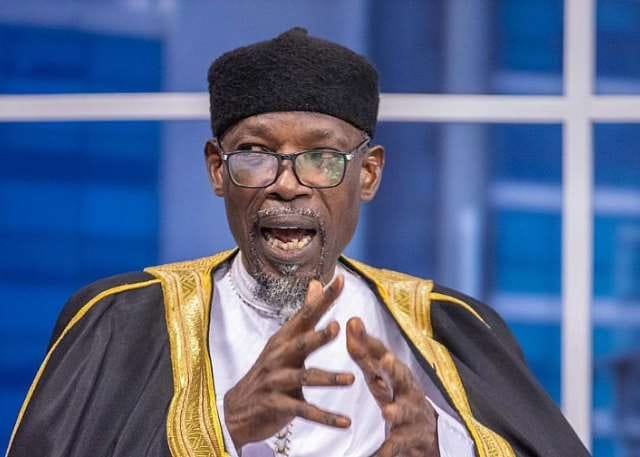
A Muslim cleric, Sheikh Arimyawo, has called on Ghanaians to remain calm, embrace peace and resist any actions that could plunge the country into conflict or violence.
Speaking during an engagement between the Ghana Police Service and religious leaders, the cleric said peace must remain central to the country’s national life, particularly at a time when tensions and disagreements appear to be growing.
He stressed that it would be contradictory for people to pray for peace while simultaneously engaging in actions that promote conflict and violence.
According to him, peace is fundamental to the Christian and Muslim faiths and must therefore guide the conduct of citizens.
“Peace doesn’t have a timetable. There is no moment in our lives that we don’t need peace,” he noted, while referencing the words of Cardinal Appiah Turkson that violence may appear abstract, but its consequences are carried out through human action.
He consequently urged Ghanaians to exercise restraint and avoid actions that could worsen tensions.
The cleric expressed concern about the current state of affairs in the country, saying Ghana has in recent days been witnessing developments that could create hostility and division.
He appealed to citizens to reflect on the long history of peaceful coexistence among Ghana’s religious and ethnic communities.
He noted that Ghanaians have traditionally lived together with mutual respect, collaboration and love, stressing that these values must not be abandoned in times of disagreement.
Sheikh Arimyawo also called for mutual respect among Christians and Muslims, emphasizing that the two faiths share important teachings on peace, love, forgiveness and compassion.
He noted that prophets are highly respected in both the Holy Qur’an and the Holy Bible, pointing out that Prophet Jesus is mentioned several times in the Qur’an than Prophet Mohammed.
He said Muslims also respect prophets such as Moses, Enoch, Abraham and Jesus, just as Christians respect Prophet Muhammad.
“We are not different from each other,” he stressed, calling for greater understanding between followers of the two religions.
He further referenced the teaching to “love your neighbour as yourself”, describing it as one of the most powerful commandments for promoting peaceful coexistence.
According to him, the Holy Qur’an also teaches that a person’s faith cannot be complete without love and concern for their neighbour.
The cleric appealed to all those affected by recent events to exercise restraint and keep their emotions under control.
“In the midst of cacophony, let’s all have cool heads to be able to deal with this matter,” he urged.
He called on Imams and other religious leaders to use their platforms to preach peace, forgiveness, pardon and compassion, describing these as virtues taught by both Jesus and Prophet Muhammad.
He also commended the Ghana Police Service for engaging religious leaders as part of efforts to promote peaceful dialogue and prevent tensions from escalating.
The engagement underscored the need for religious and community leaders to work together with the security agencies to preserve Ghana’s peace and stability.
The cleric concluded with an appeal to Christians and Muslims alike to become peacemakers, emphasizing that the responsibility of protecting peace rests with everyone.
“Blessed are the peacemakers,” he reminded the gathering, urging all Ghanaians to choose dialogue over confrontation and peace over violence.
By Maurice Otoo
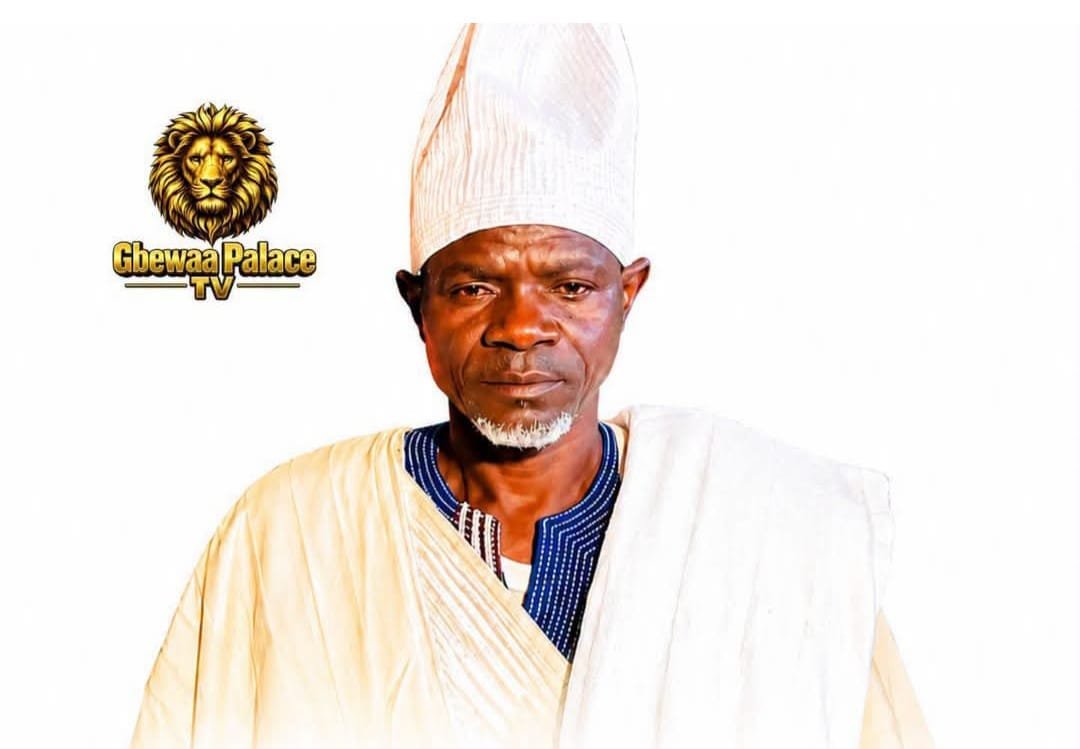
Kampakuya Naa Yakubu Abukari has officially been outdoored as the Regent of Dagbon following the passing of the Overlord, Ya-Na Abukari Mahama II, on July 11, 2026.
The ceremony was held in Yendi, the traditional capital of the Dagbon Kingdom, where thousands of mourners, traditional leaders, government officials, dignitaries and supporters gathered to witness the significant occasion.
As Regent, Kampakuya Naa Yakubu Abukari will oversee the affairs of the Dagbon Kingdom until the final funeral rites of the late Ya-Na are completed and a new Overlord is chosen and enskinned in accordance with the customs and traditions of Dagbon.
The event was marked by vibrant cultural performances, including traditional drumming, the ceremonial firing of muskets and displays by local warriors, reflecting the rich heritage of the kingdom.
Prior to the public ceremony, customary installation rites were conducted privately by traditional authorities in line with Dagbon traditions.
Security was significantly reinforced, with more than 600 security personnel deployed throughout Yendi to maintain law and order and ensure the safety of residents, visitors and dignitaries attending the ceremony.
Islamic prayers were also offered in honour of the late Ya-Na Abukari Mahama II as part of the regency proceedings.
The installation of the Regent represents an important milestone in Dagbon’s succession process. It clears the way for the final funeral rites of the late Ya-Na, after which the customary process to select and enskin a new Overlord of Dagbon will begin.
Culture
MR. Richard Commey Fio is no longer the Ag. Deputy DIrector of National Commision On Culture – Update Website

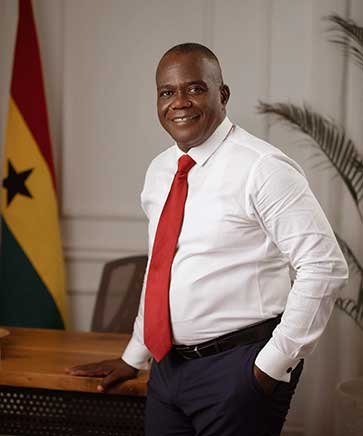
The digital department of the National Commission on Culture must be up to date and work effectively in discharging their duties.
In this era of digital age, and especially a government agency like National Commission On Culture, they should be updating their website to meet the current situation.
A thorough check on the website by Kpdonline.net reveals that Mr Fio Richardson Commey (PhD) is still posted as the Ag Deputy Executive Director of the Commission. This means his personal data (picture, name, and designation) is still on the website of the Commission and not deleted. Mr Fio Richardson Commey is no longer a staff and the Ag.Deputy Executive Director of NCC. He is currently serving as the Special Aide/ Special Assistant to Honourable Minister for Tourism, Culture and Creative Arts.
Kpdonline.net can confirm that a letter dated on the 30th of July 2025 was written to the Acting Executive Director, Mr Wakefield Wisdom Ackuaku, requested immediate deletion of his personal data on the NCC website. This has fallen into deaf ears.
The agency led by Mr Wakefield Ackuako should up their game by being proactive in discharging their duties. Kpdonline.net is still playing its watch dog role and will monitor to see the changes done.
Report by kpdonline.net.
Culture
Vice President Launches Revised National Cultural Policy to Drive Heritage Preservation and Creative Economy Growth

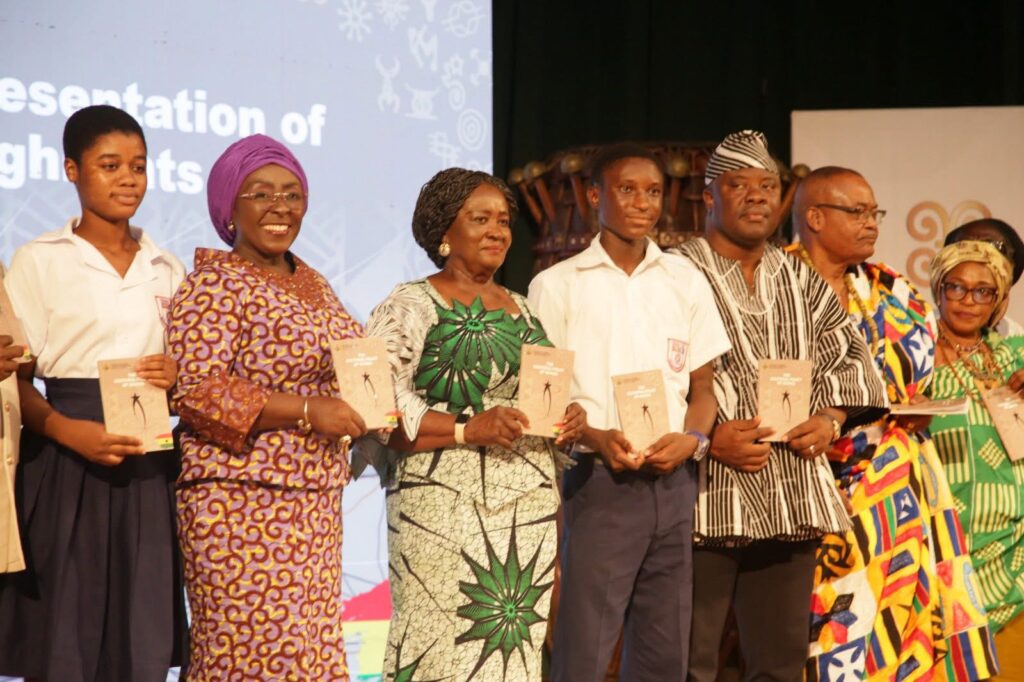
The Vice President Prof. Jane Naana Opoku-Agyemang has officially launched Ghana’s revised National Cultural Policy, describing it as a transformative framework aimed at preserving the nation’s rich cultural heritage while promoting economic growth through the cultural and creative industries.
The launch ceremony took place at the National Theatre in Accra on June 8, 2026, bringing together key stakeholders from the arts, culture and creative sectors.
The revised policy serves as a strategic roadmap for safeguarding Ghana’s cultural identity and harnessing the potential of the cultural and creative industries to create jobs, stimulate innovation and drive social transformation.
The new policy replaces the previous Cultural Policy, which was introduced in 2004. It has been aligned with the United Nations Sustainable Development Goals (SDGs) and the African Union’s Agenda 2063, positioning culture as a central pillar of Ghana’s national development agenda.
Addressing participants at the launch, Prof. Opoku-Agyemang called on stakeholders across the cultural and creative sectors to collaborate in ensuring the successful implementation of the policy.
“Let this launch mark the beginning of a bold new chapter in Ghana’s cultural journey. Let us come together—government, traditional authorities, the youth and the diaspora—to unlock the full potential of culture and creativity. We must build a nation that draws strength from its heritage, creates opportunities through innovation, and projects its voice with confidence and influence on the global stage,” she stated.
The Minister for Tourism, Culture and Creative Arts, Abla Dzifa Gomashie, noted that the revised policy is the outcome of seven years of extensive stakeholder consultations. According to her, the framework is designed to support creative entrepreneurs, attract cultural investments and ensure the integration of culture into national development planning.
Work on the revised National Cultural Policy began seven years ago, involving broad consultations with stakeholders across the country.
The policy covers key thematic areas including culture and heritage, culture and society, culture and governance, culture and the economy, culture and technology, as well as oversight, implementation and regulatory mechanisms.
The launch reaffirms Ghana’s commitment to leveraging culture as a catalyst for sustainable development, heritage preservation, economic empowerment and enhanced engagement with the global cultural community.


One Person Cannot Carry a Nation – Black Sherif on Taking Ghanaian Music Global

“It’s the Same Man”: Black Sherif Explains How His Music Has Changed

GES Orders SHS Heads to Stop Unauthorised Fees, Refund Parents



-

 General News1 week ago
GTA Cash Reserves Halve to GH¢640,000 Despite Improved Liquidity Ratio
-

 General News1 week ago
GTA’s Financial Strength Weakens Despite 2025 Tourism Activities
-

 General News1 week ago
Creative Arts Agency Records GH¢2.01m Revenue in FY2025 Despite Financial Reporting Gaps
-

 Culinary1 week ago
Oranges: More Than Just Juice — The Nutritious Fruit Adding Flavour to Ghanaian Life
-
Culinary3 days ago
Kofi Brokeman: The Simple Ghanaian Snack That Has Stood the Test of Time
-
 General News1 week ago
National Theatre balances cultural mandate with commercial survival
-
 Business2 weeks ago
TOR Stuns Ghana With Historic GH¢1.09bn Profit After Years of Losses
-
General News1 week ago
GTA’s Income Falls 18.6% as Government Funding Slumps