
Entertainment
“Not Every Conversation Deserves a Response” Fransie Tandoh Criticizes Stonebwoy’s

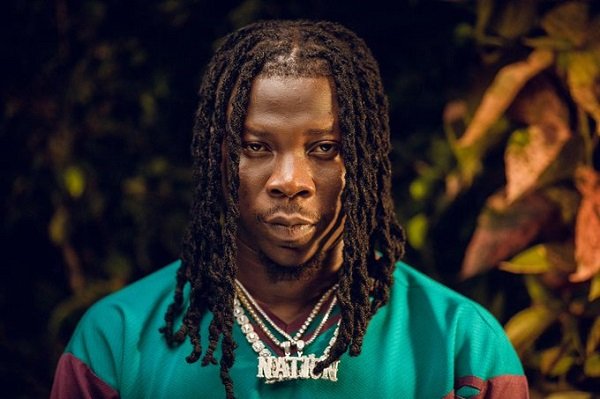
Media personality Fransie Tandoh has sparked conversations on social media after publicly criticizing Ghanaian dancehall star Stonebwoy over comments he made during a recent live session.
In a lengthy social media post shared beneath a video of Stonebwoy’s live broadcast, Tandoh questioned the musician’s repeated references to earning his university degree and advised him to focus more on his music than engaging in public exchanges.
While congratulating Stonebwoy on his academic achievement, Tandoh argued that graduating from university is a commendable milestone but not something that should be repeatedly highlighted.
“Stonebwoy, I genuinely love your music, but I think all this ranting is unnecessary. Congratulations on earning your degree. It’s a great achievement, but you’re not the only person to complete school and graduate. During your live session, you kept bringing up your degree over and over again. For what reason? Let your achievement speak for itself instead of constantly reminding people,” he wrote.
Tandoh also referenced the recent FIFA Club World Cup period, claiming that while goalkeeper Benjamin Asare openly identified himself as “SM for Life” during interviews and videos, other footballers whom Stonebwoy allegedly mentioned—including Brandon Thomas-Asante, Gideon Mensah and Lawrence Ati-Zigi—had not publicly declared support for BHIM Nation or mentioned the musician.
According to Tandoh, Stonebwoy should avoid responding to every issue and instead concentrate on strengthening his musical legacy.
“At some point, it’s better to let things go. Not every conversation deserves a response. Focus on the music and continue building your legacy.”
He further suggested that Stonebwoy’s public relations team should reconsider its communication strategy, arguing that remaining silent in certain situations can be more effective than responding to criticism.
“Your PR team also needs to do a better job. Sometimes the best PR is knowing when not to engage. And if they’re ever looking to restructure your PR strategy, I’m always available,” he added with a playful emoji.
Tandoh concluded his message by declaring his allegiance to SM4LYF, writing:
“God bless Ghana, still SM for Life.”
He also captioned the post with:
“Me: #SM4LYF 🙄🙄🙄 #DoTheMath.”
The post has since generated mixed reactions online, with fans of both Stonebwoy and the Shatta Movement debating Tandoh’s comments. While some agreed that the award-winning musician should avoid unnecessary public exchanges, others defended Stonebwoy’s right to celebrate his academic success and address issues raised by critics.
Stonebwoy has not publicly responded to Tandoh’s remarks.
credit@Annie Ampofo
















Entertainment
Kofi Adjorlolo Explains Why He Won’t Feature in LilWin’s ‘A Journey to Africa (Nzulezu)’
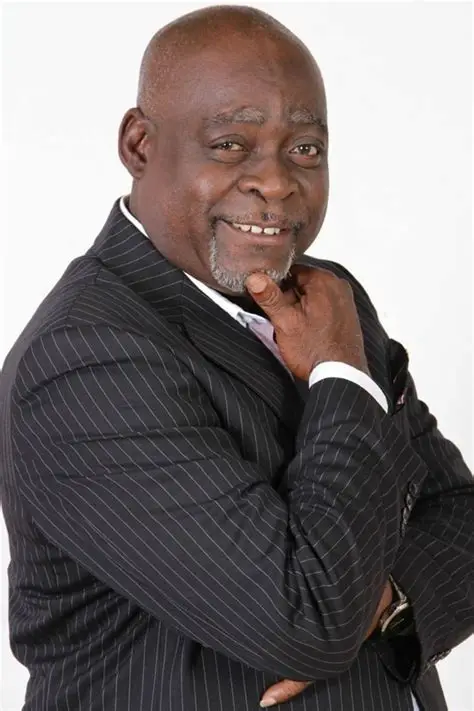
Veteran Ghanaian actor Kofi Adjorlolo has explained why he will not appear in LilWin’s upcoming movie, A Journey to Africa (Nzulezu), citing health challenges as the reason for his absence.
Adjorlolo disclosed that he had been approached to feature in the production but was still recovering from an illness after returning from Nigeria, where he had been working on another film project.
Speaking in an interview with Max TV, the actor said he informed LilWin and his production team about his health condition, stressing that his decision not to participate had nothing to do with any disagreement between them.
He explained that he maintained a cordial relationship with LilWin and had supported several of the filmmaker’s previous productions without turning down opportunities to work with him.
According to Adjorlolo, there is no misunderstanding between the two, adding that his inability to join the upcoming movie was solely due to his health.
Beyond clarifying his absence, the veteran actor also shared his concerns about the challenges facing Ghana’s film industry, calling for increased investment to improve the quality of local productions.
He argued that filmmakers need adequate financial support to produce high-quality movies capable of competing with productions from other countries and helping the Ghanaian film industry grow.
LilWin’s A Journey to Africa (Nzulezu) features a blend of Ghanaian and Nigerian actors, including Nollywood stars Kanayo O. Kanayo, Patience Ozokwor, Mike Ezuruonye, Charles Awurum, Zubby Michael and Destiny Etiko.
The project forms part of LilWin’s efforts to bring actors and other talents from across the African film industry together to create a production that showcases the continent’s cinematic talent.
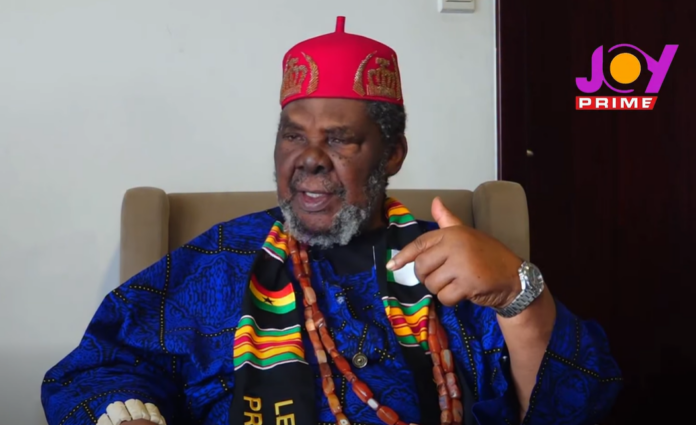
Veteran Nigerian actor Pete Edochie has condemned men who physically abuse their wives, insisting that violence against women is not a sign of strength or heroism.
Speaking in an interview with Joy Prime TV, the Nollywood actor said disagreements between couples should be resolved through communication and mutual understanding rather than physical force.
According to Edochie, no marital challenge justifies a man raising his hand against his wife. He stressed that beating a woman does not make a man courageous or command respect.
“If you beat your wife, you’re not a hero. There is no point striking a woman, for God’s sake. It doesn’t make you a hero. There is nothing respectful about it, and that does not demonstrate strength in any way,” he said.
Edochie shared his experience of marriage, noting that no one had ever had to intervene in his home over allegations of physical abuse against his wife.
“I have been married for 57 years, and nobody has ever come into my house to say, ‘Oh, Pete, please stop beating this woman,’” he stated.
The actor explained that misunderstandings are inevitable in relationships, but couples should find peaceful ways to settle their differences instead of resorting to violence.
He emphasised that controlling one’s temper and handling disagreements maturely are more important than using physical aggression to assert authority in a relationship.
Beyond domestic violence, Edochie also criticised the tendency of some Africans to imitate Western lifestyles, particularly in matters concerning marriage and relationships.
He argued that African societies should appreciate their own cultural values and traditions rather than automatically adopting practices from Western countries.
“It’s not everything that the white man does that we must try to emulate,” he said.
Edochie also compared the longevity of some African marriages with relationships involving Western public figures, arguing that African couples have demonstrated that marriages can endure despite challenges.
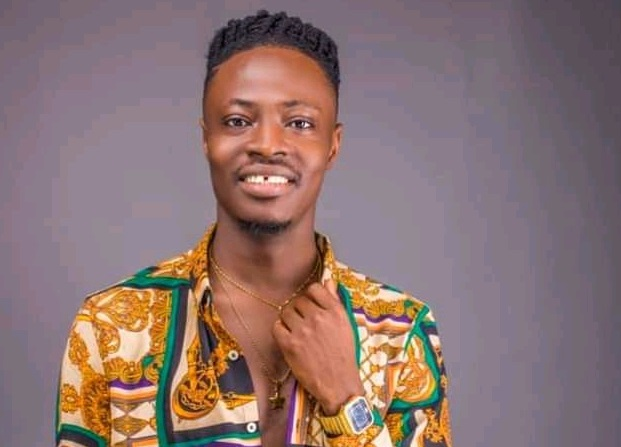
Northern Ghanaian music star Fancy Gadam has announced a change of venue for this year’s Gadam Nation Concert, moving the event from the Legon Sports Stadium to the Bukom Boxing Arena.
The announcement was made by the 5M Music team, which is organising the concert.
According to the organisers, the decision followed challenges associated with the cost of organising the event, production requirements and other arrangements at the Legon venue.
The concert will now return to the Bukom Boxing Arena, a venue that has hosted previous editions of the event.
The organisers apologised to fans who had anticipated attending the concert at Legon but stressed that the relocation was temporary and did not mean the plans to expand the event had been abandoned.
They said they remained committed to taking the Gadam Nation Concert to the Legon Sports Stadium in 2027.
Fancy Gadam has built a strong following, particularly in northern Ghana, where his music and performances have helped him maintain a prominent position in the regional entertainment scene.
The Gadam Nation Concert is an important platform for connecting the musician with his supporters, and the venue change is likely to be relevant to fans making travel and attendance arrangements.
Patrons should follow official announcements from Fancy Gadam and the organising team for confirmed dates, ticketing information and any further changes.

Source: Adomonline

Ghanaian-British singer Stephanie Benson has encouraged couples to make deliberate efforts to keep their relationships exciting, arguing that romance requires attention and participation from both partners.
In comments reported on October 8, the singer offered advice on ways couples can strengthen their relationships and prevent them from becoming routine.
Her message centred on the idea that partners should not assume affection and intimacy will remain strong without effort. Instead, she encouraged couples to be intentional about how they treat each other and maintain their connection.
The advice included the suggestion that partners may sometimes need to make an effort even when they are not naturally in the mood, as part of keeping a relationship engaging.
The comments have the potential to spark debate about the difference between making an effort in a relationship and feeling pressured to behave in a way that does not reflect one’s emotions.
Healthy relationships require communication, mutual respect and consent. Effort should be shared by both partners rather than becoming the responsibility of only one person.
Benson is known for speaking openly about relationships and personal experiences, alongside her career as a singer. Her public comments on romance often prompt discussion among audiences with different views about marriage and long-term partnerships.
Source: Adomonline
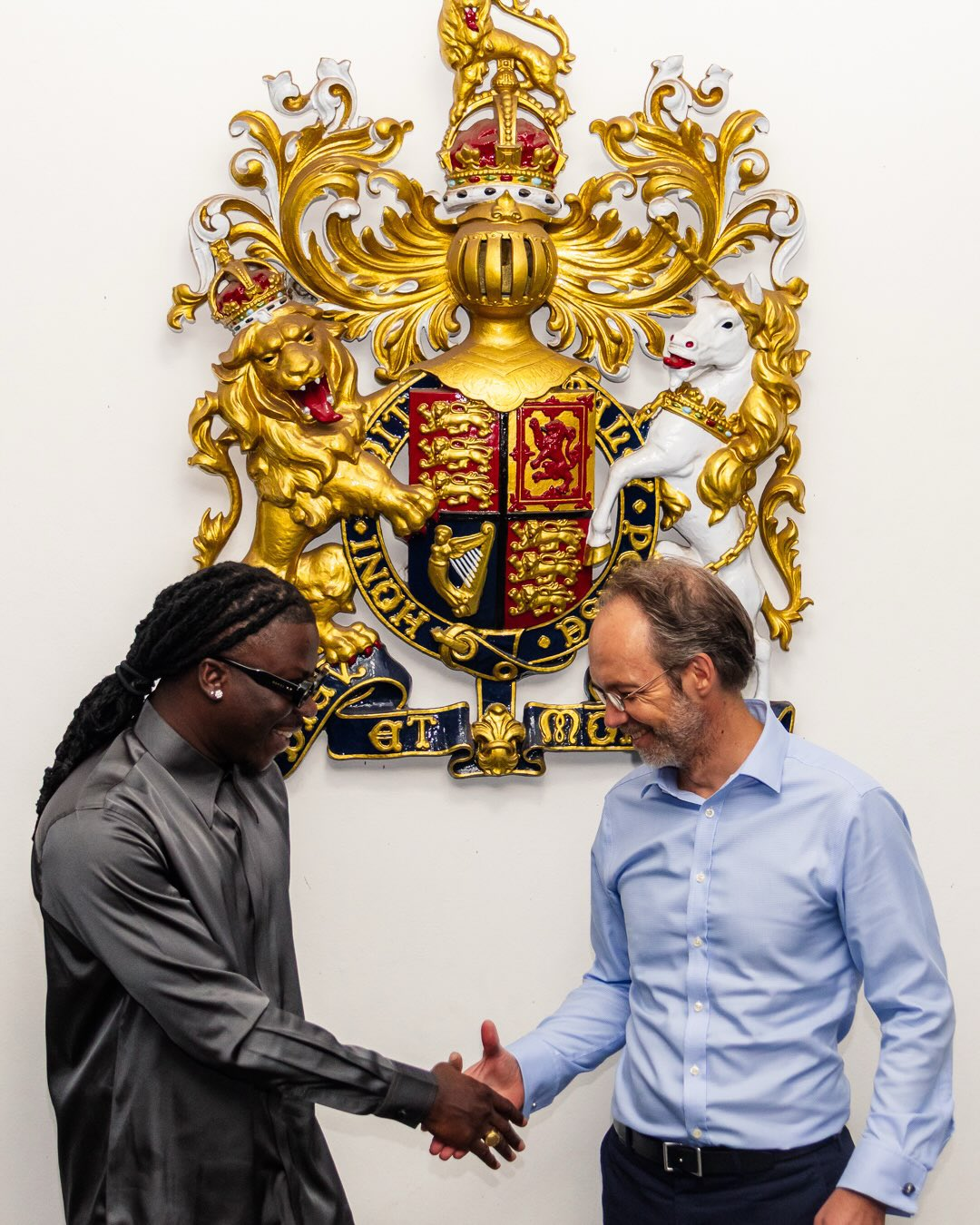
Ghanaian dancehall star Stonebwoy and members of his Burniton Music Group team have paid a courtesy call on the British High Commissioner to Ghana, H.E. Dr Christian Rogg, following the successful debut of BHIM FEST London 2026.

In a post shared on X, the visit follows the staging of the festival in London, marking a new milestone in Stonebwoy’s efforts to expand his musical reach and strengthen his international presence.
Stonebwoy, born Livingstone Etse Satekla, has consistently used his music and live performances to promote Ghanaian culture to audiences beyond the country.
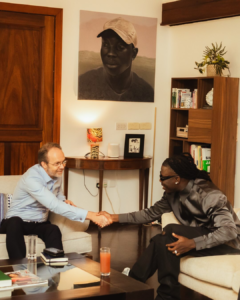
The meeting with Dr Rogg comes as the artiste and his team reflect on the London festival and its significance for the continued growth of the BHIM brand internationally.
BHIM FEST has become an important platform for celebrating Stonebwoy’s music and connecting with his fan base, while also providing opportunities to showcase Ghanaian music and culture to international audiences.
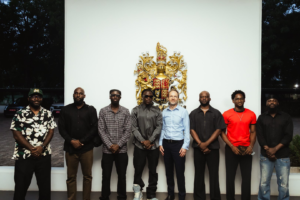
The debut London edition represents another step in the expansion of the festival beyond Ghana.

Kofi Adjorlolo Explains Why He Won’t Feature in LilWin’s ‘A Journey to Africa (Nzulezu)’

Beating Your Wife Doesn’t Make You a Hero – Pete Edochie Condemns Domestic Violence

Fancy Gadam Moves Gadam Nation Concert From Legon to Bukom

IRAWMA 2025: Shatta Wale Wins 3 Major Awards Including Best Music Video

Samini Secures Promotional Deal with Audiomack for Upcoming Album “THE ORIGIN8A”

AirtelTigo losing GH₵20m monthly; total debts exceed $200million – Sam George


-

 General News2 weeks ago
Fidelity Bank Chairman Named Ghana’s Topmost Transformational Board Chair 2026
-
 Entertainment2 weeks ago
Ras Caleb Appiah-Levi Reflects on Death, Wealth and Equality: “Death Neither Knows Rich Nor Poor”
-
 Politics1 week ago
Asiedu Nketiah to Chair Launch of Six NDC Historiographies on Ghana’s Political Journey
-

 General News2 weeks ago
500 widows receive support as Nhyiramma Foundation touches lives at Tutu-Akuapem
-
 Business2 weeks ago
Rev. Dr. Christian Kwetey Kweitsu Honoured for Excellence in Audiology Practice in Kigali
-

 General News2 weeks ago
When 5 oranges become mangoes – Teacher’s viral classroom moment sparks fresh debate over teachers’ grievances
-

 General News2 weeks ago
NDC Chairman hails Kevin Taylor, thanks his father for bringing him into the world
-

 General News2 weeks ago
Ebola Outbreak in DR Congo Expands as Two More Health Zones Report Cases