
General News
President Mahama Appoints Baba Sadiq Abdulai Abu as Ghana’s High Commissioner-Designate to Nigeria

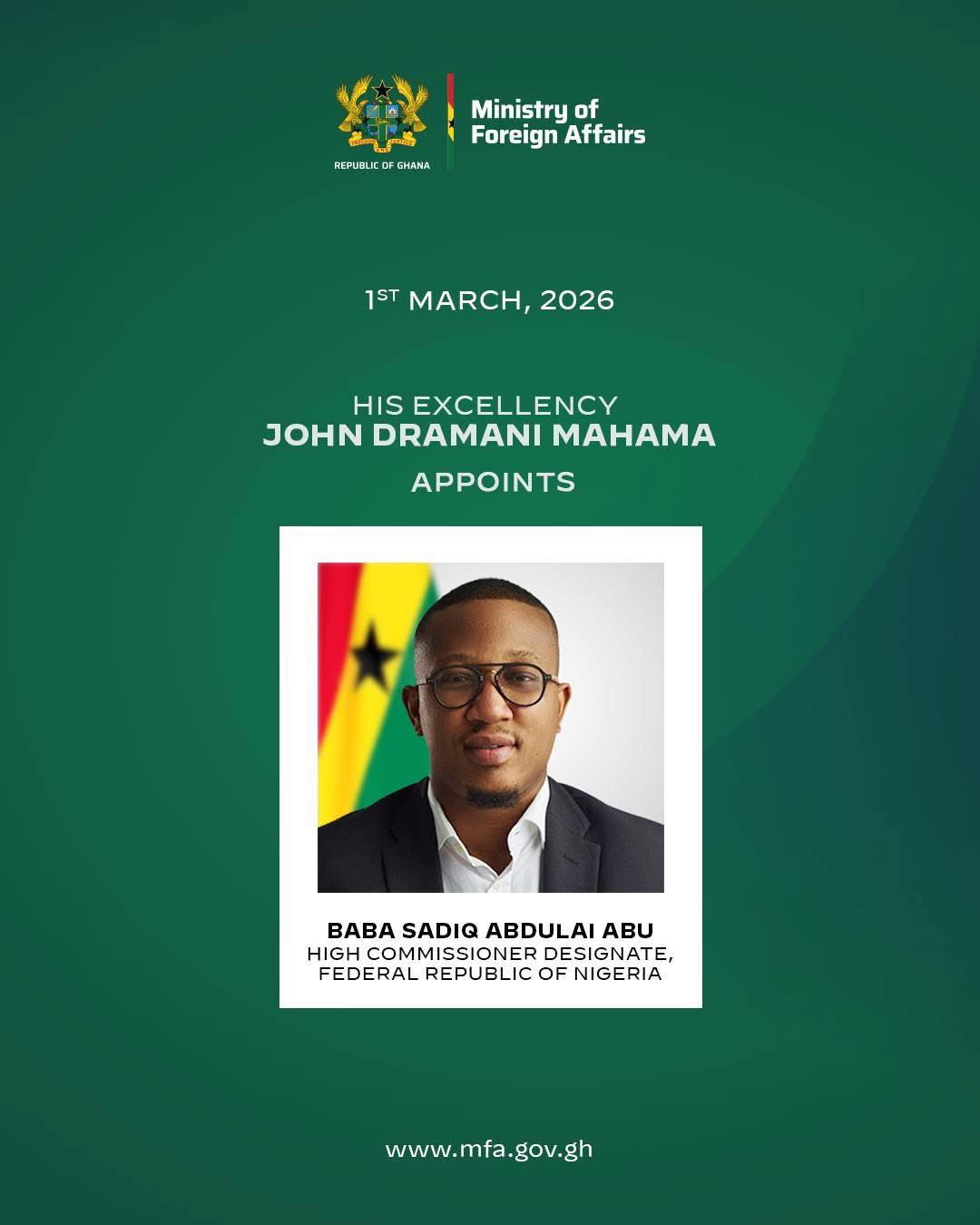
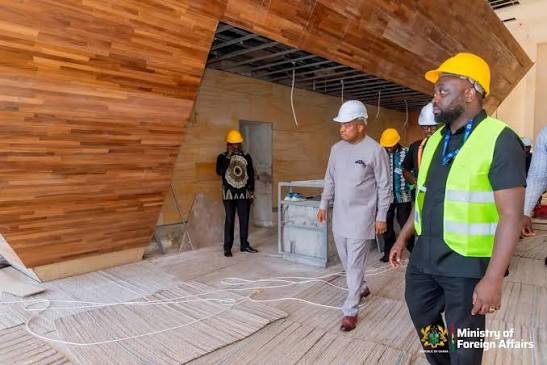
President John Dramani Mahama has appointed Baba Sadiq Abdulai Abu as Ghana’s High Commissioner-designate to the Federal Republic of Nigeria.
The announcement was officially made by the Ministry of Foreign Affairs on Sunday, March 1, 2026. According to the ministry, the appointment will take effect after the completion of the required diplomatic and administrative processes.
The appointment follows the recall of Mohammed Baba Jamal Ahmed, widely known as Baba Jamal, who previously served as Ghana’s envoy to Nigeria. His recall came after he declared his intention to contest the Ayawaso East by-election following the passing of the constituency’s Member of Parliament, Nasser Mahama Toure.
Baba Jamal had earlier been recalled on February 7, 2026, amid allegations of voter inducement during the National Democratic Congress parliamentary primaries in the Ayawaso East Constituency, a contest he won while seeking to replace the late MP.
A New Diplomatic Direction
The appointment of Baba Sadiq Abdulai Abu is seen as a move by President Mahama to reposition Ghana’s diplomatic engagement with Nigeria while entrusting the role to a prominent figure within the governing party.
Baba Sadiq is a well-known personality in Ghana’s creative and media industries. He recently served as the National Democratic Congress parliamentary candidate for Okaikwei Central during the 2024 general elections.
His new diplomatic role marks a significant transition from active domestic politics to international representation. As High Commissioner-designate, he will be responsible for advancing Ghana’s interests in Nigeria and strengthening bilateral cooperation between the two nations.
Strengthening Ghana-Nigeria Relations
Ghana and Nigeria maintain longstanding historical, cultural, and economic ties. However, relations between the two countries have occasionally faced challenges, including trade disputes, migration concerns, and regulatory issues affecting businesses operating across both markets.
Baba Sadiq is expected to assume office at a critical time when sustained diplomatic engagement and strategic collaboration are essential to deepening cooperation between Accra and Abuja.
General News
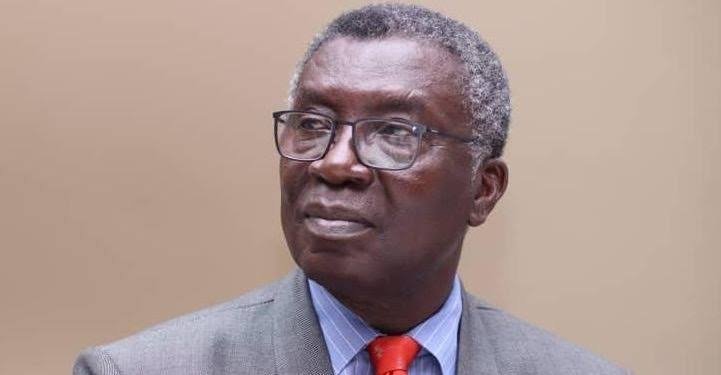
FRIMPONG-BOATENG SPEAKS ON GALAMSEY — ‘ENFORCING ENVIRONMENTAL LAWS CARRIES POLITICAL COST’

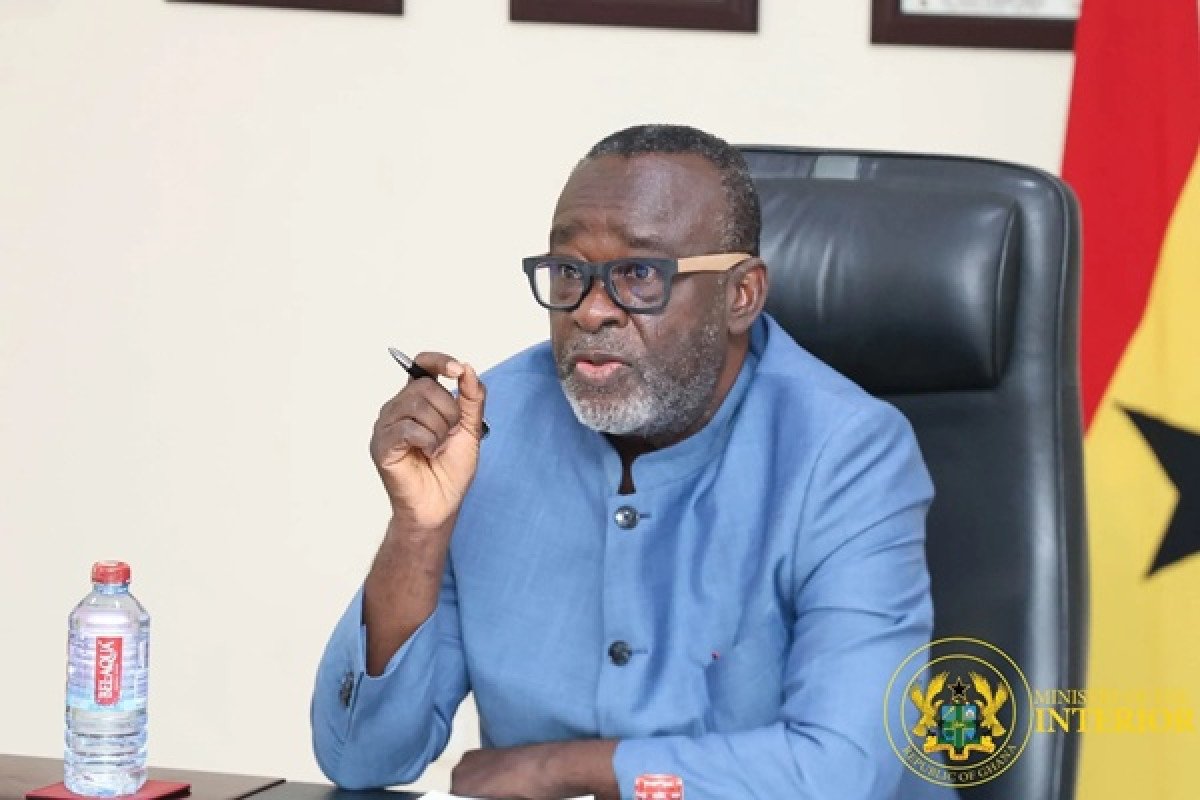
Chief Justice Paul Baffoe-Bonnie has come under intense public scrutiny after remarks about the performance of state institutions triggered concerns over the perceived political neutrality of Ghana’s Judiciary.
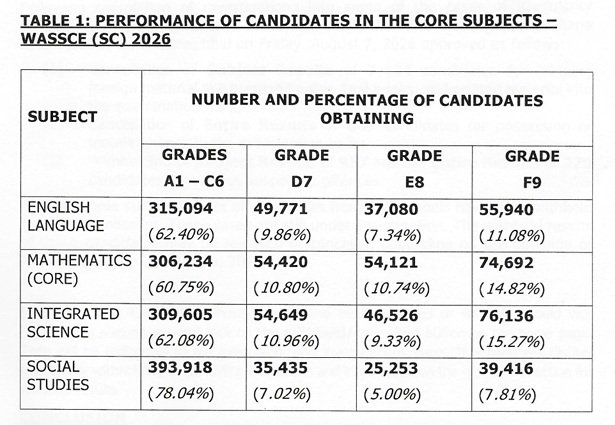
The West African Examinations Council (WAEC) has officially released the provisional results of the 2026 WASSCE for School Candidates, with Social Studies recording the strongest performance among the four core subjects.
WAEC announced the release on September 5, 2026, following the examination which saw 512,862 candidates from 1,022 schools registered to participate. The figure represents an 11.07% increase over the 461,736 candidates who entered for the 2025 examination.
SOCIAL STUDIES LEADS THE CORE SUBJECTS
Social Studies emerged as the best-performing core subject.
A total of 393,918 candidates, representing 78.04%, obtained grades between A1 and C6.
English Language followed with 62.40%, while Integrated Science recorded 62.08%. Core Mathematics saw 60.75% of candidates obtaining A1-C6.
ENGLISH PERFORMANCE CONTINUES TO DROP
One of the major talking points from the results is the continued decline in English Language performance.
WAEC’s four-year analysis shows the proportion of candidates obtaining A1-C6 in English falling from 73.11% in 2023 to 69.42% in 2024, 69.00% in 2025 and 62.30% in 2026.
Meanwhile, Mathematics and Social Studies recorded significant improvement compared with 2025, while Integrated Science also improved.
8,295 CANDIDATES FACE SANCTIONS
The release has also been accompanied by serious examination-malpractice concerns.
WAEC cancelled the entire results of 861 candidates after they were found with mobile phones in examination halls. The Council also cancelled the subject results of 7,434 candidates for bringing foreign materials, including prepared notes and textbooks, into examination halls.
In addition, the subject results of 957 candidates and the entire results of 270 candidates have been withheld over suspected offences.
Results involving candidates from 169 schools have also been withheld over alleged collusion, with investigations ongoing. WAEC says decisions on those cases may be made by October 30, 2026.
HOW CANDIDATES CAN CHECK
WAEC says the results have been hosted online, with school heads receiving login details to access their candidates’ results.
Candidates can also check their individual results through the Council’s official results-checking platform. WAEC has warned the public against fraudsters who claim they can upgrade examination results for money.

FRIMPONG-BOATENG SPEAKS ON GALAMSEY — ‘ENFORCING ENVIRONMENTAL LAWS CARRIES POLITICAL COST’

CHIEF JUSTICE COMMENTS STIR DEBATE — QUESTIONS RAISED OVER JUDICIAL IMPARTIALITY

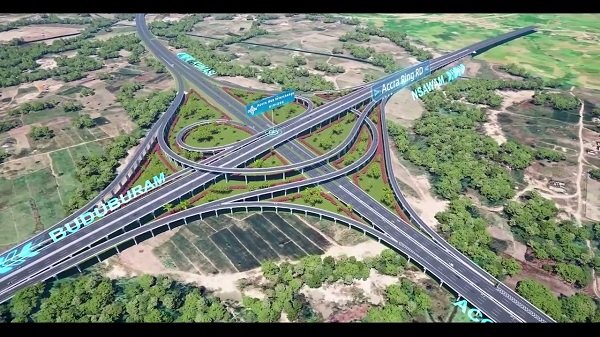
ACCRA–KUMASI EXPRESSWAY HITS MAJOR MILESTONE — GAF COMPLETES 175.6KM CORRIDOR CLEARING



-

 General News2 weeks ago
Nana Adwoa Tutuwaa Named Global Humanitarian of the Year 2026
-
 General News2 weeks ago
Police Arrest Suspect in GH¢1.1m Fake Gold Scam at Berekum
-
 General News1 week ago
GES Urged to Review Student Sexual Misconduct Rule Over Alleged Discrimination Against Boys
-

 Entertainment6 days ago
Oswald Okaitei Explains the Real Vision Behind Ghana’s Black Star Experience
-
 General News2 weeks ago
OSP Assesses Extortion Allegations Against Afenyo-Markin
-

 Entertainment2 weeks ago
Stonebwoy Is Not My Rival — Shatta Wale Reveals They Live Minutes Apart
-
 Politics2 weeks ago
Stop The Personal Attacks!” — Vitus Azeem Demands Probe Into Sammy Gyamfi–Afenyo-Markin Feud
-

 Entertainment2 weeks ago
Mzbel Says Age Gap Is No Barrier as She Opens Up About 19-Year-Old Admirer