
Business
This is how you dress for a job interview, and land an offer
Sed ut perspiciatis unde omnis iste natus error sit voluptatem accusantium doloremque laudantium, totam rem aperiam.


Nulla pariatur. Excepteur sint occaecat cupidatat non proident, sunt in culpa qui officia deserunt mollit anim id est laborum.
Sed ut perspiciatis unde omnis iste natus error sit voluptatem accusantium doloremque laudantium, totam rem aperiam, eaque ipsa quae ab illo inventore veritatis et quasi architecto beatae vitae dicta sunt explicabo.
Neque porro quisquam est, qui dolorem ipsum quia dolor sit amet, consectetur, adipisci velit, sed quia non numquam eius modi tempora incidunt ut labore et dolore magnam aliquam quaerat voluptatem. Ut enim ad minima veniam, quis nostrum exercitationem ullam corporis suscipit laboriosam, nisi ut aliquid ex ea commodi consequatur.
At vero eos et accusamus et iusto odio dignissimos ducimus qui blanditiis praesentium voluptatum deleniti atque corrupti quos dolores et quas molestias excepturi sint occaecati cupiditate non provident, similique sunt in culpa qui officia deserunt mollitia animi, id est laborum et dolorum fuga.
Quis autem vel eum iure reprehenderit qui in ea voluptate velit esse quam nihil molestiae consequatur, vel illum qui dolorem eum fugiat quo voluptas nulla pariatur.
Temporibus autem quibusdam et aut officiis debitis aut rerum necessitatibus saepe eveniet ut et voluptates repudiandae sint et molestiae non recusandae. Itaque earum rerum hic tenetur a sapiente delectus, ut aut reiciendis voluptatibus maiores alias consequatur aut perferendis doloribus asperiores repellat.
Lorem ipsum dolor sit amet, consectetur adipisicing elit, sed do eiusmod tempor incididunt ut labore et dolore magna aliqua. Ut enim ad minim veniam, quis nostrud exercitation ullamco laboris nisi ut aliquip ex ea commodo consequat.
“Duis aute irure dolor in reprehenderit in voluptate velit esse cillum dolore eu fugiat”
Nemo enim ipsam voluptatem quia voluptas sit aspernatur aut odit aut fugit, sed quia consequuntur magni dolores eos qui ratione voluptatem sequi nesciunt.
Et harum quidem rerum facilis est et expedita distinctio. Nam libero tempore, cum soluta nobis est eligendi optio cumque nihil impedit quo minus id quod maxime placeat facere possimus, omnis voluptas assumenda est, omnis dolor repellendus.





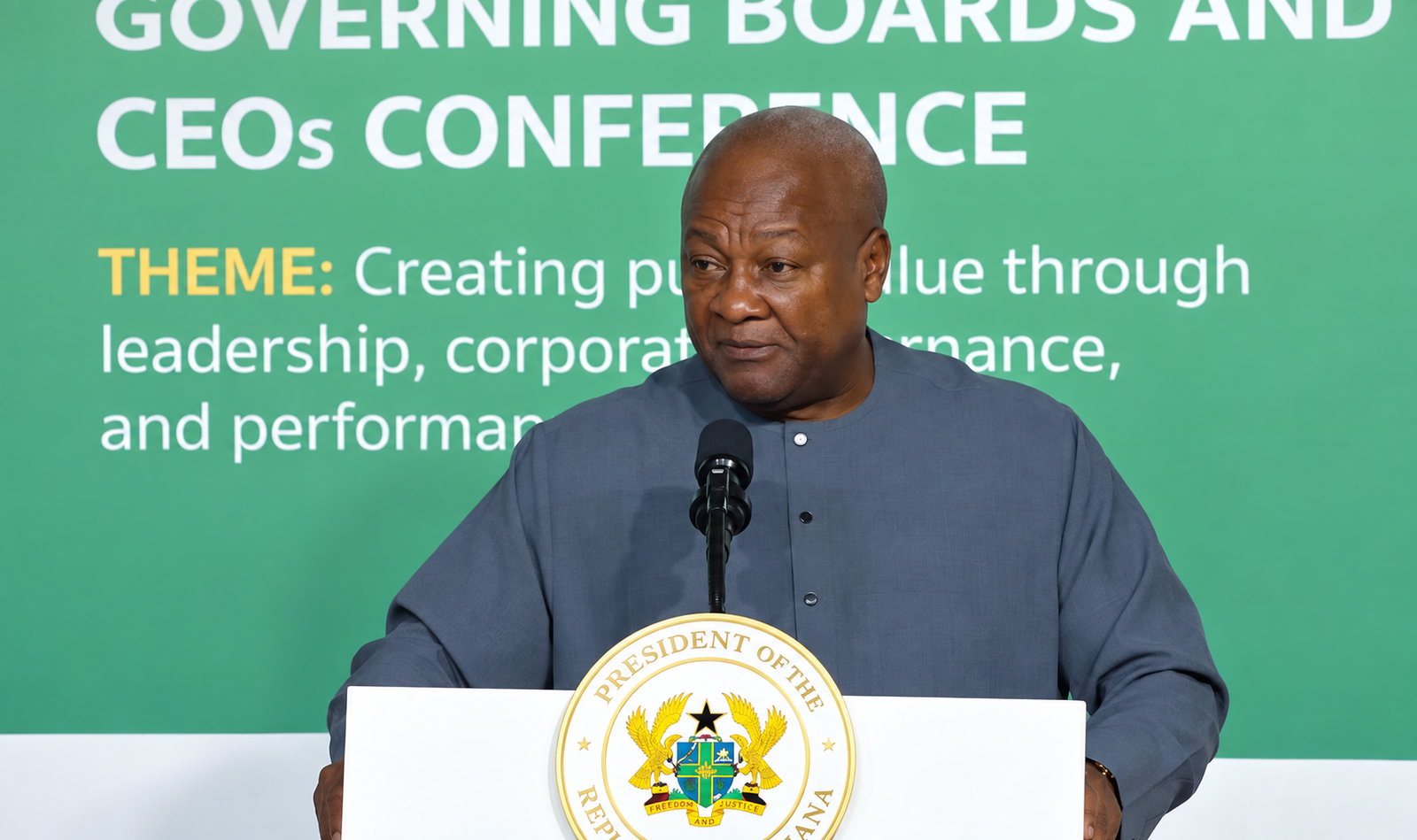
Tema Oil Refinery (TOR) has recorded a remarkable financial turnaround, moving from a net loss of approximately GH¢745 million to a net profit of GH¢1.09 billion.
The development has been highlighted among the significant turnarounds recorded by Ghana’s state-owned enterprises, with President John Dramani Mahama acknowledging the refinery’s improved performance during the SIGA Boards and Chief Executive Officers conference.
The latest figures represent a dramatic shift in TOR’s financial fortunes and mark what has been described as the refinery’s first net profit in almost a decade.
The turnaround is being seen as a significant achievement for an institution that has faced years of financial and operational challenges.
President Mahama, in recognising the performance of TOR and other state-owned enterprises, stressed the need for state institutions to pursue higher standards of performance, stronger governance and greater value creation for the country.
He urged boards and chief executives of state-owned enterprises to build on the progress made and continue delivering results that benefit the Ghanaian taxpayer.
The President’s recognition of TOR’s performance comes as renewed efforts are being made to reposition the refinery as a key player in Ghana’s petroleum industry.
The refinery’s improved financial position is expected to strengthen confidence in its operations and support ongoing efforts to restore its full operational capacity.
By Maurice Otoo


Gold prices moved higher on Thursday as a softer U.S. dollar supported demand for the precious metal, while investors turned their attention to fresh U.S. inflation data that could influence the Federal Reserve’s next interest-rate decision.
Spot gold rose about 0.3% to $4,414.28 an ounce, while U.S. gold futures for December delivery were little changed, slipping around 0.1% to $4,457.20. The modest gains came as the dollar remained under pressure despite elevated U.S. Treasury yields.
Weaker dollar supports gold
Gold is priced in U.S. dollars, meaning a weaker greenback generally makes bullion cheaper for investors holding other currencies. The dollar has recently fallen to multi-month lows, providing an important source of support for gold even as markets reassess the outlook for U.S. interest rates.
The latest move highlights the competing forces currently shaping the gold market. On one side, a weaker dollar and persistent geopolitical uncertainty are encouraging demand for the metal. On the other, rising bond yields and the possibility of tighter monetary policy could limit further gains.
Inflation data takes centre stage
Investors are now waiting for the latest U.S. inflation readings, with the Producer Price Index due Thursday and consumer inflation data scheduled for Friday.
The reports could provide important clues about how Federal Reserve policymakers may approach interest rates at their upcoming meeting. Markets have recently increased expectations of a possible rate hike, with the CME FedWatch tool indicating roughly a 60% probability of an increase this month.
A stronger-than-expected inflation reading could reinforce expectations for higher interest rates, potentially strengthening the dollar and Treasury yields while putting pressure on gold. Conversely, softer inflation could reduce those expectations and provide additional support for bullion.
Oil prices add another layer of uncertainty
The inflation outlook has become more complicated as crude oil prices surge amid escalating tensions in the Middle East.
Brent crude has moved above $100 a barrel, raising concerns that higher energy costs could feed into consumer prices and make it more difficult for central banks to bring inflation under control.
The energy shock is creating a difficult environment for policymakers. Higher oil prices can increase inflation expectations at the same time that geopolitical uncertainty encourages investors to seek traditional safe-haven assets such as gold.
Gold remains supported by broader market risks
Beyond short-term currency and interest-rate movements, gold continues to benefit from broader concerns about fiscal risks, geopolitical instability and central-bank demand.
The World Gold Council reported that gold gained 13% in August, making it the metal’s third-strongest monthly performance in a quarter century. The organisation attributed much of the rally to investment flows, including ETF buying, futures activity and a weaker U.S. dollar.
Central-bank purchases are also providing longer-term support. Recent market reports noted that China’s central bank added around 20 tonnes of gold in August, reinforcing expectations that official-sector demand remains an important factor in the market.
What investors are watching
The immediate direction of gold is likely to depend heavily on the inflation figures and their impact on expectations for Federal Reserve policy.
If inflation proves persistent, higher interest-rate expectations could strengthen the dollar and increase the opportunity cost of holding gold, which does not pay interest. But if price pressures show signs of easing, investors could become more confident that monetary policy will not need to tighten further.
With geopolitical tensions simultaneously driving oil prices higher, gold could remain highly sensitive to developments across both financial and global political markets.
For now, the combination of a weaker dollar, geopolitical uncertainty and expectations surrounding U.S. inflation is keeping gold firmly in focus as investors position for the Federal Reserve’s next policy decision.
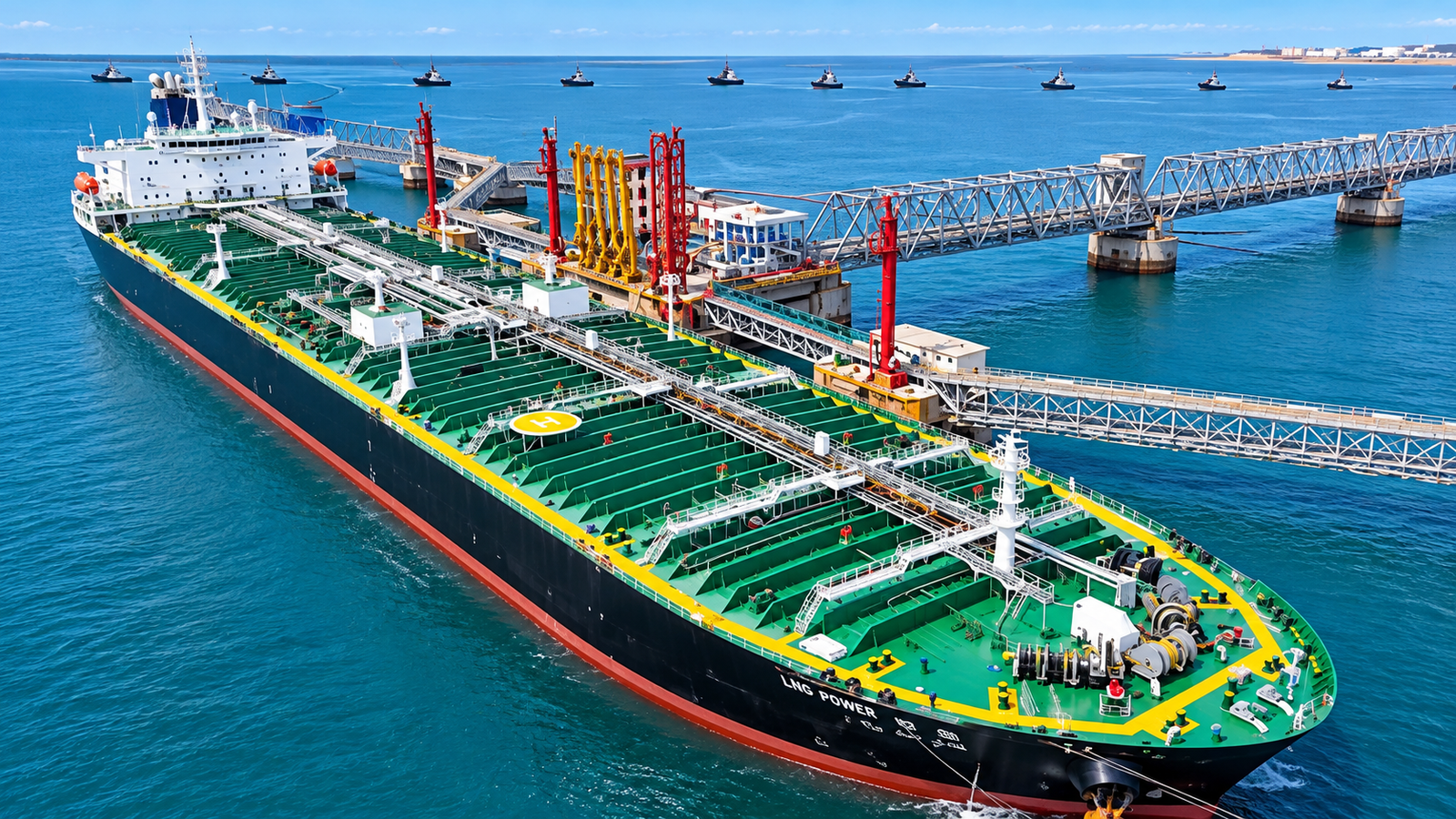
Global oil prices have crossed the $100-a-barrel threshold again as escalating military tensions in the Middle East raise fears of prolonged disruptions to crude supplies and shipping routes.
Brent crude oil has surged above $100 per barrel, marking a significant return to the psychologically important price level as the intensifying conflict in the Middle East threatens key energy infrastructure and transport routes.
Brent futures settled at $101.21 a barrel, while U.S. West Texas Intermediate crude finished at about $96.05, according to market data reported on Wednesday. The move represents the first time Brent has closed above $100 since July and reflects growing concern among traders that disruptions to regional oil flows could last longer than previously expected.
Middle East tensions fuel oil rally
The latest price increase comes amid a sharp escalation in fighting involving the United States and Iran, alongside attacks by Iran-backed Houthi forces on Saudi energy infrastructure.
Recent attacks on Saudi facilities have raised concerns about the security of production and refining operations in one of the world’s most important oil-producing regions. The attacks have added another layer of uncertainty to an already fragile energy market.
At the centre of the market’s concerns is the Strait of Hormuz, a crucial maritime passage for global energy supplies. Oil shipments through the waterway have been severely affected by the conflict, with flows falling below previously normal levels. The disruption has forced traders to reassess the availability of crude and refined fuels worldwide.
Supply risks put further pressure on prices
The latest rally represents a substantial increase from levels seen earlier in the summer. Reuters reported that Brent has risen roughly a quarter since early August, while the benchmark has experienced even larger gains since the conflict began in February.
The market is particularly sensitive to attacks on oil installations and shipping because even temporary disruptions can have an outsized impact on prices when inventories are already under pressure.
Analysts are now watching closely for signs that the conflict could spread further across the Gulf region. A prolonged disruption to production, exports or shipping could push prices considerably higher.
Consumers face renewed inflation pressure
The rise in crude prices is already feeding into fuel markets. Higher oil prices increase the cost of gasoline, diesel, aviation fuel and transportation, creating additional pressure on businesses and households.
In the United States, gasoline prices have climbed to around $4.22 per gallon, while diesel has reached approximately $5.94 per gallon, according to reports. Similar pressures could emerge in other economies if crude prices remain elevated.
Higher energy costs could also complicate efforts by central banks to control inflation. If fuel and transportation expenses remain high for an extended period, businesses may pass increased costs on to consumers through higher prices for goods and services.
What happens next?
Oil traders are now focused on whether the latest escalation represents a temporary shock or the beginning of a longer-lasting supply crisis.
Any signs of diplomatic progress could quickly ease some of the risk premium built into crude prices. However, further attacks on energy facilities or shipping routes could have the opposite effect and send prices higher.
For now, the return of Brent above $100 signals that geopolitical risk has once again become a major force in the global oil market. With the conflict continuing and critical shipping routes under pressure, energy markets are likely to remain highly volatile in the days ahead.

Ghana’s inflation rate has climbed to 5.0% as rising non-food prices put fresh pressure on households, signalling a renewed challenge to the country’s recent disinflation gains.
The latest figures from the Ghana Statistical Service (GSS) show that year-on-year inflation increased from 4.6% in July to 5.0% in August 2026, representing a 0.4 percentage-point rise.
The increase marks the second consecutive monthly rise in inflation and comes despite the rate remaining below the 5.5% recorded in August 2025.
Non-Food Prices Lead the Pressure
Non-food inflation emerged as the biggest driver of the August increase, rising to 6.8%, while food inflation eased slightly to 3.0% from 3.1% in July.
Non-food items accounted for 70.9% of total inflation, compared with 29.1% for food.
The figures indicate that the latest inflationary pressure is increasingly being generated outside the food sector, particularly through services and essential household expenses.
Housing and Transport Remain Major Concerns
The latest data point to continued price pressures in key areas of household expenditure.
Inflation for housing, water and energy stood at about 10.2%, while transport inflation reached 10.5%. Education services recorded inflation of 6.6%, with clothing and footwear at about 8.0%.
Services inflation also increased to 8.6%, compared with 8.5% in July, while goods inflation rose from 3.6% to 3.8%.
Tomatoes Record Huge Price Jump
Some individual products recorded dramatic price increases during the period.
Fresh tomatoes registered a staggering 458.3% year-on-year increase, making them the biggest price mover in the latest inflation basket. Ginger followed with a 128.3% increase.
Rent payments also made a significant contribution to overall inflation, while other notable increases were recorded for parking services, fresh coconut, charcoal and fresh green pepper.
Locally Produced Items Drive Inflation
Another major takeaway from the latest figures is the dominance of domestic price pressures.
Inflation for locally produced items increased to 6.1%, while imported inflation remained considerably lower at 2.2%. Locally produced goods and services accounted for 86.2% of total inflation.
This suggests that Ghana’s current inflation challenge is increasingly being driven by factors within the domestic economy rather than imported price pressures.
A Mixed Picture for Consumers
Despite the increase in annual inflation, the monthly picture offers some relief.
The general price level fell by 1.0% in August compared with July, even as the year-on-year inflation rate increased.
The development highlights the complex nature of Ghana’s current inflation environment: annual price pressures are rising, but monthly prices recorded a decline.
Inflation Fight Faces Fresh Test
The latest figures will likely intensify attention on the government’s efforts to maintain the progress made in bringing inflation down.
With non-food prices, transport, housing and services emerging as key sources of pressure, policymakers may face increasing calls to tackle domestic cost drivers.
For households, however, the headline figure carries a simple message: Ghana’s inflation battle is not over.
After months of significant disinflation, the rise to 5.0% shows that maintaining price stability could prove more difficult as domestic cost pressures continue to build.

Ghana’s 5G race has entered a crucial new phase as MTN Ghana, Telecel Ghana and Goal Telecommunications Ltd have successfully cleared the qualification stage of the National Communications Authority’s (NCA) spectrum licensing process.
The three companies are now set to advance to the next stage of the competitive process, bringing Ghana closer to a broader rollout of next-generation mobile connectivity.
The NCA received four applications for spectrum licences covering the 700 MHz, 2.3 GHz and 3 GHz bands by the August 27, 2026 deadline. Following its assessment, three applicants qualified, while Infrava Ltd failed to meet the requirements and was eliminated from the process.
MTN, Telecel and Goal Telecom Move Ahead
The successful applicants are Scancom Plc (MTN Ghana), Ghana Telecommunications Company Limited (Telecel Ghana), and Goal Telecommunications Ltd.
Their qualification marks a major step in Ghana’s effort to open up the 5G market to greater competition and attract additional investment into the telecommunications sector.
The next phase will focus on the Best Price Offers submitted by the qualified applicants, which will be opened and ranked as part of the spectrum selection process.
Infrava Knocked Out
While three companies have advanced, Infrava Ltd has been dropped from the race after failing to qualify at the technical and eligibility assessment stage.
The NCA said the company’s commercial offer will therefore not be opened, effectively ending its participation in the current licensing process.
Ghana Pushes for Faster 5G Rollout
The development comes as government pushes to accelerate Ghana’s transition to faster and more advanced digital connectivity.
Earlier this year, the government announced a shift away from the previous wholesale 5G exclusivity arrangement, opening spectrum allocation to a competitive national bidding process. The policy is intended to encourage competition, investment and wider access to next-generation broadband services.
The NCA has indicated that successful licence holders will be required to meet specified rollout obligations and timelines to ensure that spectrum translates into actual 5G deployment rather than simply being held as an asset.
5G Could Transform Ghana’s Digital Economy
The stakes are high as Ghana seeks to expand high-speed connectivity, improve digital services and support emerging technologies and industries.
The Communications Minister, Samuel Nartey George, has said the government expects the 5G spectrum assignment to be completed before the end of 2026, with deployment expected to follow.
Government has also set an ambitious target of achieving 70% 5G population coverage by March 2027, underscoring the urgency surrounding the licensing process.
The 5G Battle Is Now Heating Up
With MTN Ghana, Telecel Ghana and Goal Telecom through to the next stage, competition for Ghana’s 5G spectrum is entering a decisive phase.
The next major test will be the evaluation and ranking of the commercial offers, after which successful applicants will move closer to securing spectrum for expanded next-generation services.
For Ghana’s telecom sector, the 5G race is no longer just about who wants to participate—it is now about who can secure the spectrum and deliver faster, wider and more reliable connectivity to Ghanaians.

Mahama: Big Push road projects to be executed in phases due to funding constraints

Polo Beach files injunction against Labadi Beach Hotel over Jakpa’s threats to demolish club

‘What exactly do authorities do at the port?’ – Netizens fume over €225m cocaine bust abroad



-

 Entertainment5 days ago
Mahama Is First President to Put GH¢40m Seed Money into Creative Arts Fund: Kojo Preko Dankwa
-

 Entertainment2 weeks ago
Oswald Okaitei Explains the Real Vision Behind Ghana’s Black Star Experience
-
 General News2 weeks ago
COCOBOD Settles GH¢2.3 Billion DDEP Bond Obligations for 2026
-

 Entertainment2 weeks ago
Joana Gyan Cudjoe Ends Seven-Year Professional Ties with Keche Global
-

 General News1 week ago
Don’t Punish Them Retrospectively – Educationist Challenges New CSSPS Placement Rule
-

 Culinary2 weeks ago
Pineapple: The Spiky Tropical Fruit Packed With Sweetness and Nutrients
-

 General News1 week ago
OSP Opens Preliminary Investigation into Alleged GH¢70,000 Payment Linked to Parliament’s Vetting
-

 Entertainment4 days ago
Government Repatriates Musician Barosky from UK