
General News
“Visa Fraud Scandal Hits Ghana Embassy in US – Staff Implicated, One Dismissed”

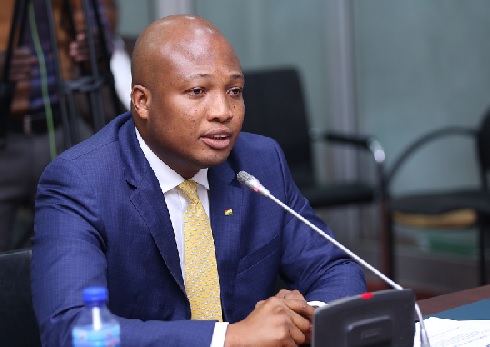
The Ministry of Foreign Affairs has recalled all staff of Ghana’s mission in Washington DC, with immediate effect, over alleged fraudulent activities uncovered in that embassy.
Some officers of Ghana’s Embassy in the United States of America (USA) were found to have allegedly created a parallel bank account to the state accounts in which they collect visa and other service fees due the embassy.
The Minister of Foreign Affairs, Samuel Okudzeto Ablakwa, who disclosed this to the Daily Graphic on Sunday, said a new team of staff of the ministry would be dispatched to take over operations at the embassy.
The minister added that an officer, who was directly found culpable in many of the allegations, had been dismissed.
He explained that the dismissed employee, who was the Head of Information Technology (IT), set up a private company to which he channelled all the embassy’s businesses.
Consequently, Mr Ablakwa said the IT Department, which the dismissed officer headed, had been dissolved.
Forensic audit
The minister told the Daily Graphic that the ministry had requested the Auditor-General’s Department to conduct a forensic audit of the activities of the embassy and determine the extent of losses incurred through the nefarious activities of the staff and their level of involvement.
The ministry uncovered the corrupt activities after the minister set up a committee to audit the entire operations of the country’s mission in Washington DC.
He said the ministry would forward the report of the committee to the Office of the Attorney-General for further action.
New staff
Mr Ablakwa said following reports from the public about suspected fraudulent dealings at the embassy, a delegation from the ministry in Accra engaged the head of mission and other stakeholders in the United States capital, Washington DC.
He said the delegation was assigned to conduct an audit aimed at gaining a clearer understanding of the mission’s current procedures, evaluating alignment with the ministry’s directives, and addressing issues related to compliance, procurement practices, IT infrastructure, and legal and financial considerations.
Mr Ablakwa said the mission reported that it was currently using an electronic platform (eCIMS) to facilitate the processing of online visa applications.
However, after integrating the new platform, there were frequent incidents of applicants being charged twice or multiple times, which resulted in a high volume of refund requests.
“The recurring issues created administrative inefficiencies, placed pressure on consular staff and raised concerns regarding the user experience and the mission’s operational image,” the minister explained.
To address the challenges and stabilise the payment process, the mission transitioned to a platform known as Authorize.net for online transactions and adopted another platform, Clover, for walk-in (in-person) payments.
To recover the costs associated with digital payment processing platforms, the mission introduced a fixed $7 merchant fee for all online applicants.
However, based on the Auditor-General’s recommendation that the fee was too high, a revised fee of $5 was fixed from February this year.
Highlighting the performance at the embassy during COVID-19, he said the mission adopted a fully online mailing system for visa and passport dispatch, managed through a third-party provider, Ghana Travel Consultants (GTC).
Mr Ablakwa said under that arrangement, applicants were offered delivery options, adding that while it was not compulsory, about 99 per cent of applicants utilised the courier service.
However, it was observed that applicants were not given the alternative of submitting their prepaid return mail envelopes, effectively diverting the service offered by the embassy to a private business.
The procurement of GTC also came into question.

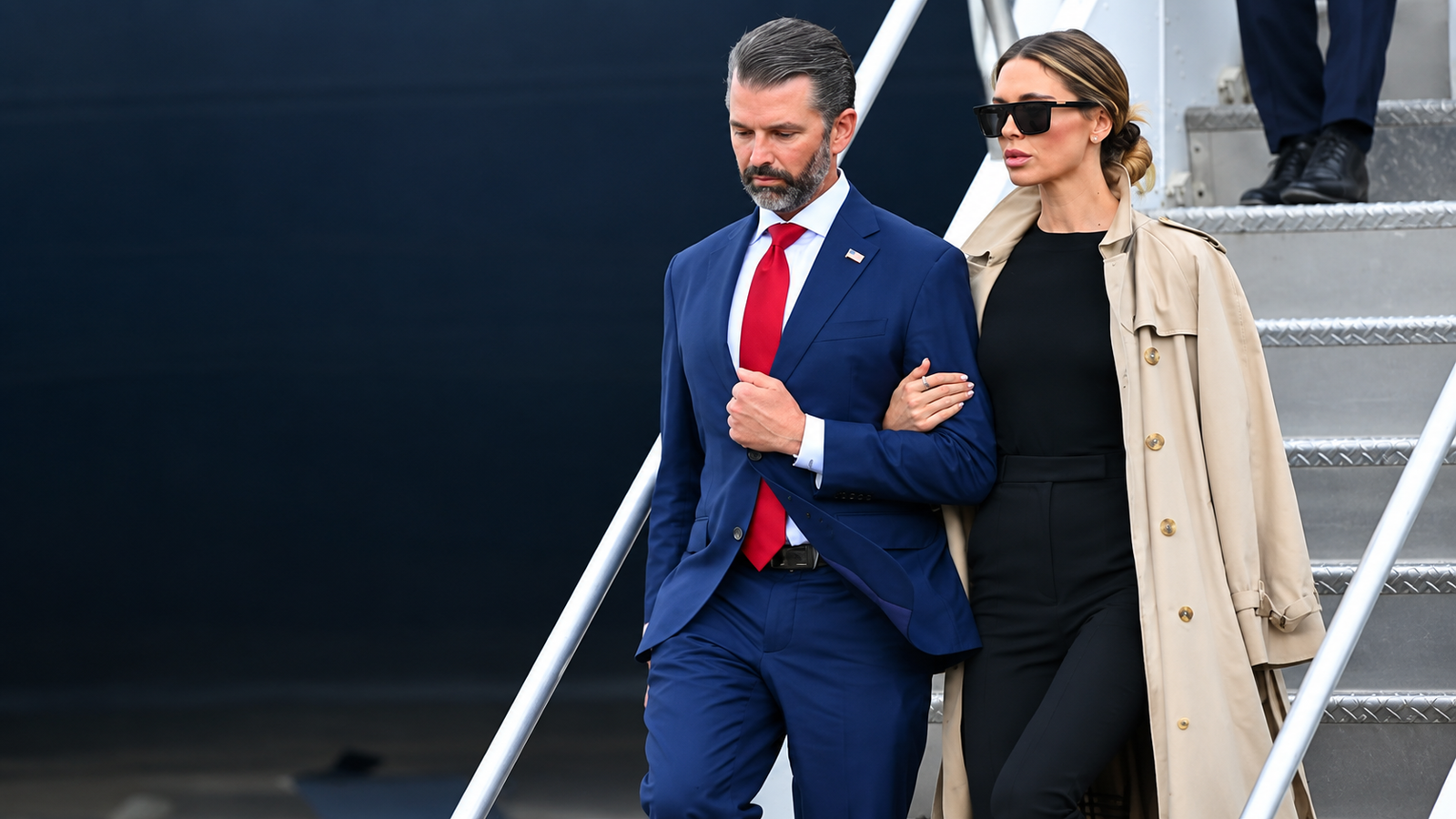
Donald Trump Jr. and his wife, Bettina Trump, have confirmed that Russian businessman Umar Kremlev helped finance celebrations surrounding their wedding in the Bahamas, describing the contribution as a generous gift from a personal friend.
The revelation emerged after an investigation reported that Kremlev covered significant expenses connected to the couple’s May wedding weekend, including the rental of a private island, event arrangements and a fireworks display. The total cost was reportedly in the hundreds of thousands of dollars.
Bettina Trump said the couple’s actual wedding ceremony was a private family event and took place separately from the larger celebrations. According to her account, the Bahamas weekend had already been planned as a gathering with friends, and the couple decided to marry before the trip after their original plans changed.
She described Kremlev as a “dear friend” who hosted two nights of celebrations after the wedding, calling the assistance an “extraordinarily generous wedding gift.” The couple rejected suggestions that the financial support had a political motive, arguing that a personal gift should not automatically be interpreted as an attempt to gain influence.
Who is Umar Kremlev?
Kremlev is the president of the International Boxing Association and has longstanding connections to Russia’s political establishment. Russian President Vladimir Putin awarded him the Order of Friendship earlier this year, and Kremlev has also appeared alongside Putin at official events.
Investigators reported that some of the wedding-related expenses were paid through an entity connected to the boxing organization. Kremlev’s office and Trump Jr.’s representatives have described the relationship between the two men as personal and said they have no business relationship.
The revelation has nevertheless triggered questions about foreign influence and potential ethical concerns, particularly because Donald Trump Jr. remains closely connected to his father’s political and business circles. A senior House Democrat has already requested information about the wedding-related payments and communications involving Kremlev.
President Donald Trump did not attend the wedding or the subsequent celebrations, saying at the time that his responsibilities in Washington prevented him from participating.
For now, the Trumps maintain that the money was simply a wedding gift from a friend, while critics are questioning whether accepting such a substantial contribution from a businessman with close ties to the Kremlin creates an appearance of potential influence.
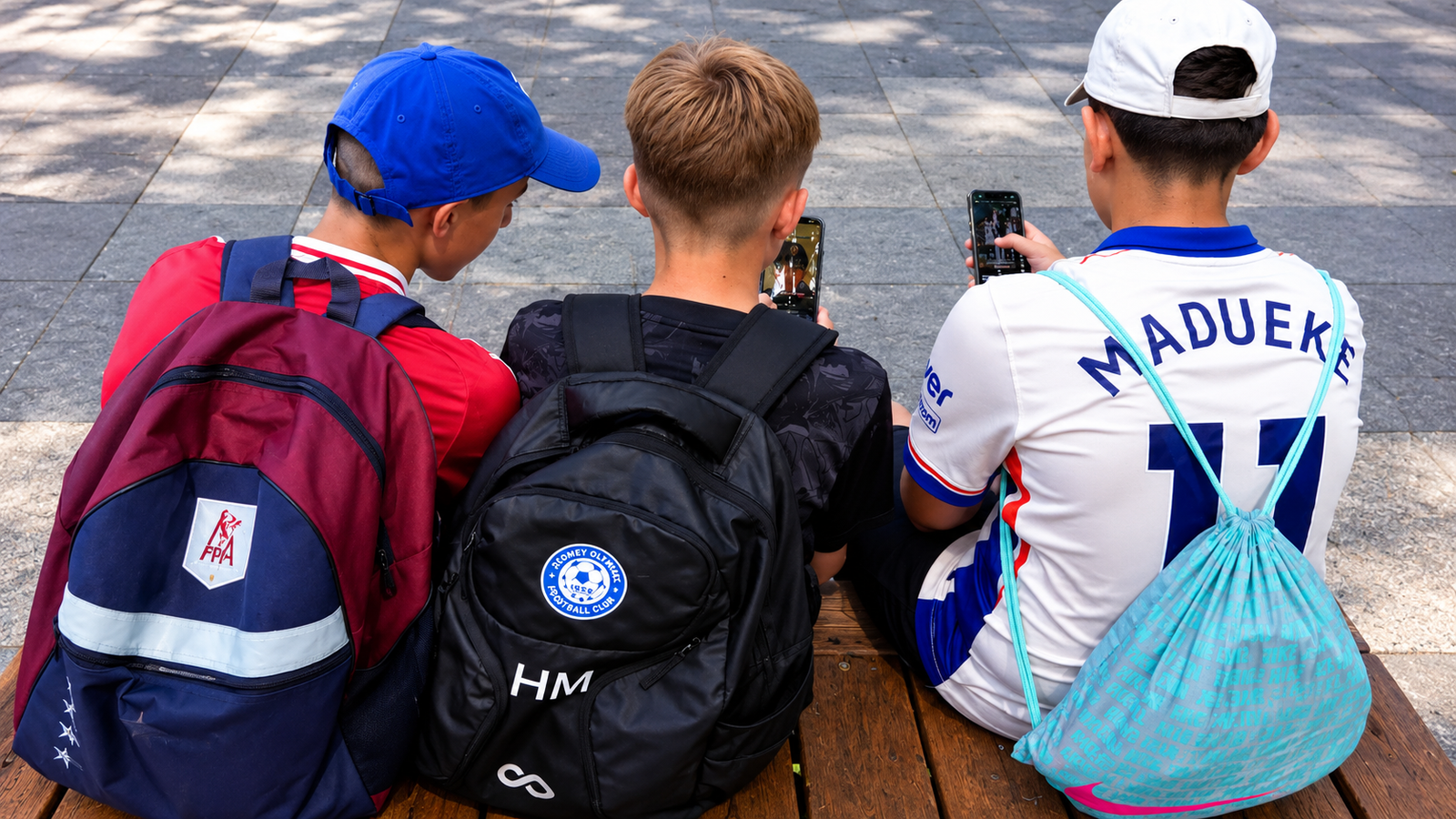
The European Union is preparing to propose new restrictions that could prevent children under the age of 15 from accessing major social media platforms, AI chatbots, video-sharing services and online games.
The proposal, expected to form part of the European Commission’s planned EU Kids Act, is aimed at strengthening protections for children from potential online harms. European Commission President Ursula von der Leyen and EU technology chief Henna Virkkunen are expected to present the initiative on September 17.
Under the proposed age-based system, children younger than three would have no access to the covered services. Those aged three to 12 could use child-friendly services under parental control, while 13- and 14-year-olds could potentially access limited introductory accounts with strict parental supervision. Teenagers aged 15 and above would be allowed to operate their own accounts.
The measures would affect some of the world’s largest digital platforms, including Facebook, Instagram, TikTok, YouTube and ChatGPT. Companies could also be required to introduce stronger age-verification systems, parental controls and mechanisms for reporting harmful content.
The EU is also considering measures aimed at reducing addictive design features that can encourage excessive use among young people. Platforms could be required to take greater responsibility for protecting minors and may have to contribute to the costs of regulatory supervision.
The move comes amid growing international concern over children’s exposure to social media, online gaming and artificial intelligence. EU institutions have already been developing measures focused on safer online environments, including stronger privacy protections for minors, restrictions on harmful recommender systems and safeguards for AI chatbots.
However, the proposed restrictions are not yet law. The Commission’s proposal would still need to go through negotiations involving EU member states and the European Parliament before any final legislation could take effect. The exact age thresholds and other provisions could also change during the legislative process.
If adopted, the initiative would represent one of Europe’s most significant attempts yet to regulate children’s access to the digital world, while forcing technology companies to take greater responsibility for the safety and wellbeing of younger users.

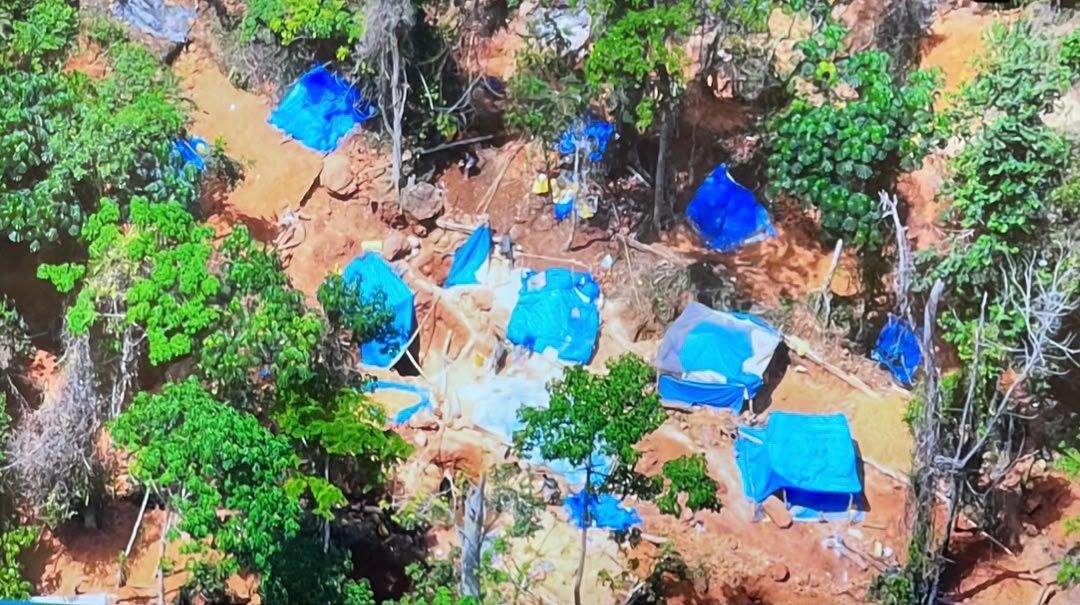
Environmental group A Rocha Ghana has raised the alarm over what it describes as an unprecedented and escalating illegal mining crisis in the Atewa Range Forest Reserve, warning that continued delays in taking decisive action could result in the permanent destruction of the forest.
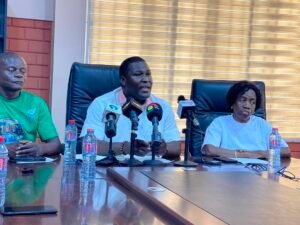
National Deputy Director of A Rocha Ghana, Daryl Bosu, said the scale of illegal mining now being recorded within the reserve requires an urgent and coordinated national response.
Mr Bosu made the remarks at a press conference in Accra organised by A Rocha Ghana in partnership with Eco Conscious Citizens and the Concerned Citizens of Atewa Landscape.
He said information gathered from court records, Forestry Commission correspondence, operational reports and field documentation indicates that the reserve is coming under increasing pressure, with agencies responsible for protecting it facing growing challenges.
“We can lose the forest if we delay in taking very decisive actions as a matter of urgency,” he cautioned.
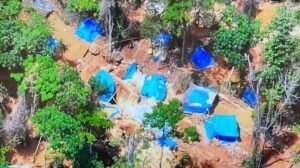
A Rocha Ghana said illegal mining has spread to several areas of the reserve, including around the headwaters of the Wankobi Stream.
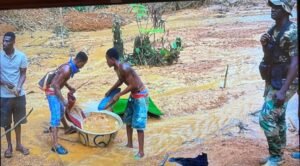
The organisation said field assessments have identified excavated mining pits, areas where forest vegetation has been stripped, polluted streams, makeshift camps and abandoned mining equipment.
It also expressed concern about the security risks facing Forestry Commission personnel and other security agencies operating within the reserve.
According to A Rocha Ghana, a March 2, 2026 communication from Kyebi Forest District Manager Owusu Ameyaw reported an influx of illegal miners into the Sagyimase/Asikam section of the reserve.
The communication indicated that 60 people had been arrested, but illegal mining activities continued despite the arrests.
The organisation also cited a February operation involving 55 police officers, saying the operation was allegedly compromised by an information leak.
Only five people were arrested during that operation, according to A Rocha Ghana.
The environmental group said the growing activities have also exposed forest guards to danger.
It reported that two forest officers were held hostage by illegal miners and were later rescued after police reinforcements arrived.
A Rocha Ghana further said recent operations conducted by the National Anti-Illegal Mining Operations Secretariat (NAIMOS) had resulted in arrests and the seizure of mining equipment and weapons.
Among the items seized were an excavator, drilling machines, dynamite, a pump-action shotgun and ammunition.
The organisation believes the incidents demonstrate that the problem is no longer simply about isolated illegal mining activities but reflects wider challenges with enforcement and the protection of the reserve.
The Atewa Range Forest Reserve was gazetted in 1926, meaning 2026 marks 100 years since it was placed under protected status.
The reserve covers approximately 26,300 hectares and serves as the source of the Ayensu, Densu and Birim rivers, in addition to more than 99 streams.
A Rocha Ghana said the forest’s role in supplying and regulating water makes its protection crucial to the water security of millions of Ghanaians.
The reserve is also recognised for its rich biodiversity, with hundreds of bird, mammal, amphibian and plant species found within it.
Some of these species are considered threatened with global extinction.
The organisation said the consequences of continued destruction would therefore go beyond the loss of trees and forest cover.
According to A Rocha Ghana, illegal mining poses threats to water resources, biodiversity, climate resilience and the cultural heritage of the Akyem Abuakwa Traditional Area.
A Rocha Ghana is now calling on the government to upgrade the Atewa Range Forest Reserve into a National Park, arguing that the current protection regime is no longer sufficient to deal with the scale of illegal mining.
The organisation is also demanding a permanent and adequately resourced joint security task force to protect the reserve.
It wants the Forestry Commission to receive additional personnel and improved logistical support to enable officers to effectively patrol and protect the forest.
The group is also calling for the speedy prosecution of persons arrested for illegal mining.
It has proposed the establishment of a dedicated court for illegal mining cases in the Eastern Region to help speed up the prosecution of offenders.
A Rocha Ghana is further calling for investigations into alleged leaks of information about planned anti-galamsey operations and possible official complicity.
The group has also urged the government to abandon any plans to undertake bauxite mining in Atewa.
Beyond enforcement, A Rocha Ghana believes the forest can be used to generate economic opportunities without destroying its ecological value.
The organisation has proposed what it calls the Atewa Green Option, which includes eco-tourism, agroforestry, climate finance, land restoration and sustainable value chains.
It said studies have indicated that protecting and restoring Atewa could deliver greater long-term economic benefits than mining while creating jobs for communities around the forest.
A Rocha Ghana estimates that tourism alone could generate more than US$5 million annually, while thousands of jobs could be created through tourism-related activities and other green businesses.
The organisation said the escalating galamsey threat is particularly worrying as Ghana marks a century since Atewa was first gazetted as a forest reserve.
A Rocha Ghana recalled the contribution of Nana Sir Ofori Atta I, whose leadership played an important role in the decision to protect the forest in 1926.
It also noted the continued opposition of the Okyenhene and the Akyem Abuakwa Traditional Area to mining in Atewa.
Mr Bosu said A Rocha Ghana would continue its campaign for stronger protection of the reserve, including its call for the forest to be declared a National Park.
The organisation maintains that Ghana must now make a clear choice between allowing illegal mining to further degrade Atewa and protecting the forest as a critical ecological asset for present and future generations.
By Sarah Adwoa Akuetteh

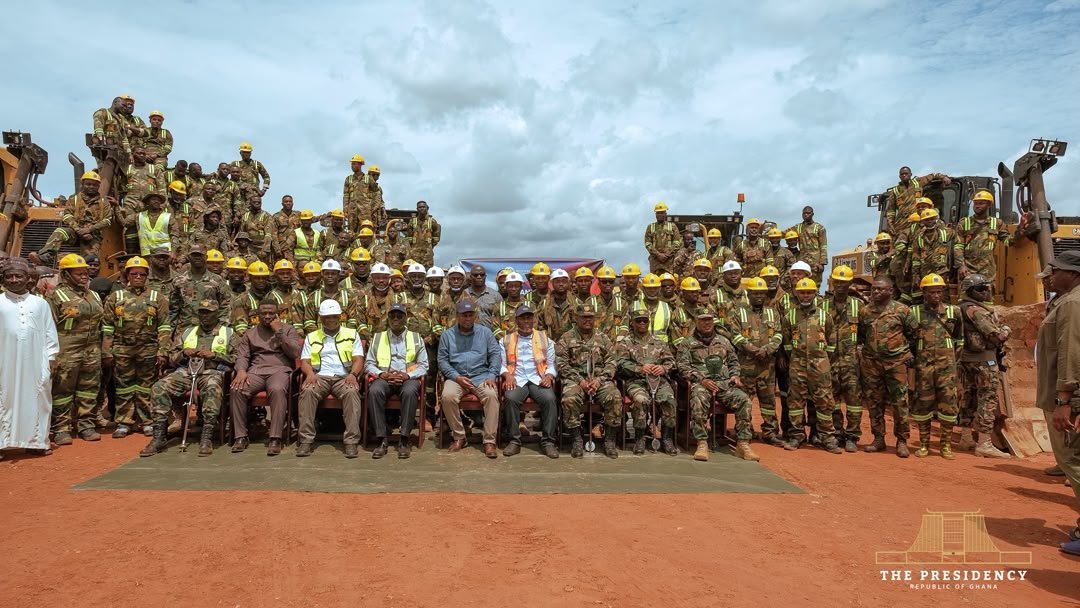
President John Dramani Mahama has directed the Ghana Armed Forces (GAF), particularly the Engineers Regiment, to participate in the construction of the Accra-Kumasi Expressway.
The directive follows the successful completion of the clearing of the project’s Right-of-Way by the Armed Forces, a task the President said was completed ahead of schedule.
Speaking at the official handover of the cleared Right-of-Way at Kwaso, near Ejisu in the Ashanti Region, on Monday, September 14, 2026, President Mahama said the military’s performance had demonstrated its capacity to contribute meaningfully to Ghana’s infrastructure development.
The Ghana Armed Forces was tasked in April 2026 to clear the roadway and undertake early works for the project within 20 weeks.
However, the Engineers Regiment completed the assignment in 19 weeks, clearing 175.6 kilometres of the planned route from Ablekuma in the Greater Accra Region to Sewua in the Ashanti Region.
“Within 19 weeks, 175.6 kilometres of road passing through virgin forests, crossing rivers and streams, our Ghana Armed Forces can today announce to all of us, as they say in military jargon, mission accomplished,” he said.
Following the successful exercise, President Mahama said he had instructed the Minister of Roads and Highways to incorporate the Engineers Regiment as a major subcontractor to the main contractor for the construction of the expressway.
“There are further tasks that I will give the Engineers Regiment because of the state of your mobilisation on this road. It only makes sense that you must participate in the construction of the expressway,” President Mahama said.
“I’ve asked the Minister of Roads and Highways to incorporate the Engineers Regiment of the Ghana Armed Forces as the major subcontractor to the contractor on this Accra-Kumasi Expressway,” he added.
Military to Clear Greater Accra Orbital Road
President Mahama further tasked the Ghana Armed Forces to undertake preparatory works on another major road project.
He said the Minister of Roads and Highways had been directed to deploy the Engineers Regiment to establish and clear the Right-of-Way for the proposed Greater Accra Orbital Road.
The President said the military’s involvement in major infrastructure projects would extend beyond the Accra-Kumasi Expressway to other areas, including road construction, bridge construction and agriculture.
He also directed the Roads and Highways Ministry to involve the Armed Forces in the installation of steel bridges across the country.
“We have a lot of steel components that we imported to bridge various streams and rivers across the country,” he said.
“I’ve asked the Minister of Roads and Highways to identify all the sites that need steel bridges and I’ve asked him to involve the Ghana Armed Forces to install these steel bridges across the length and breadth of this country,” he added.
Mahama Defends Military’s Capacity
President Mahama said the decision to involve the Armed Forces in infrastructure development was based on confidence in their technical capacity and past performance.
He recalled the role played by the military during the PNDC era in opening up parts of the Afram Plains when civilian contractors were unable to undertake the road works.
“The Ghana Armed Forces are capable and I have absolute trust in their ability to help this country in its infrastructure development,” he said.
He added that the government would increasingly involve the military in civilian development activities where its expertise could be effectively deployed.
“As time goes, we’re going to involve you more in civilian activities, road construction, buildings, agriculture, and many other tasks that we will give you,” President Mahama said.
Expressway Construction Expected Before Christmas
President Mahama said the government expects construction of the 198.7-kilometre, six-lane Accra-Kumasi Expressway to begin before Christmas.
He disclosed that US$2 billion had been set aside for the project and was being held in a special account at the Bank of Ghana.
The President said the funding was Ghana’s own money and had not been sourced through external borrowing.
He also expressed confidence that the availability of funds would ensure that certified payments to the contractor would be made promptly once construction begins.
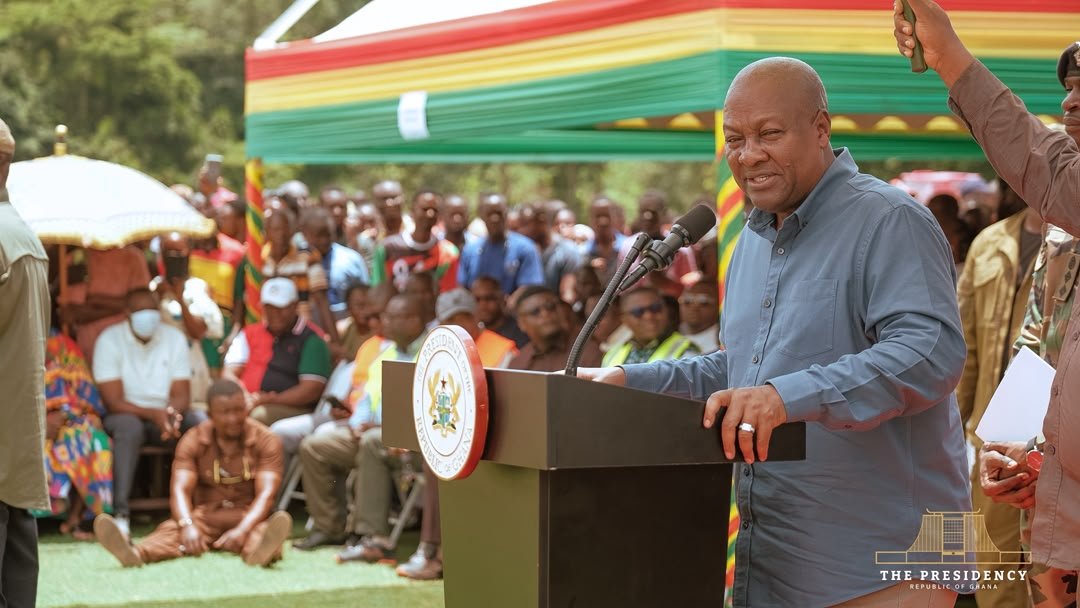
President John Dramani Mahama has announced that US$2 billion has been secured to finance the construction of the Accra-Kumasi Expressway.
According to the President, the funds are already available in a special account at the Bank of Ghana, ensuring that financing will not delay the implementation of the major road project.
President Mahama made the announcement on Monday, September 14, 2026, during the official handover of the cleared Right-of-Way for the Accra-Kumasi Expressway at Kwaso, near Ejisu in the Ashanti Region.
He said the government had deliberately secured the financing from domestic resources rather than relying on external borrowing.
“Let me announce that the Minister of Finance has put aside two billion dollars for financing this Accra-Kumasi Expressway. The money is ready. It is sitting in a special account at the Bank of Ghana,” President Mahama said.
He assured prospective contractors that once construction begins, certified payments would be made promptly.
“So when this project starts, money is not going to be the problem. All certificates presented by the contractor will be paid instantly and so there will be no problem with that,” he added.
‘We have not gone to borrow’
President Mahama stressed that the US$2 billion constitutes Ghana’s own resources and was not raised through external borrowing.
“This is our own money. We have not gone to borrow money from anywhere. This money is the money of the taxpayers of Ghana,” he said.
He added that the Finance Minister had assured him that the full financing required for the completion of the project would be available by the end of 2026.
“So far, two billion is in the account. By the end of the year, we’ll have the full amount for the completion of the Accra-Kumasi Expressway,” he said.
Construction expected before Christmas
The President also expressed confidence that construction of the expressway would commence before Christmas.
He said the government had already advertised an Expression of Interest for companies interested in undertaking the construction and would proceed with pre-qualification before selecting the contractor.
“It is my expectation that we will return here before the end of the year and come and cut the sod for work on the Accra-Kumasi Expressway to start,” President Mahama said.
He later reiterated that the groundbreaking ceremony would take place before Christmas, describing it as a special Christmas present for traditional leaders and the people of Ghana.
198.7km six-lane expressway
The Accra-Kumasi Expressway is planned as a 198.7-kilometre, six-lane highway connecting Ghana’s two largest cities.
President Mahama said the project would significantly reduce the distance and travel time between Accra and Kumasi.
He noted that the existing Accra-Kumasi Highway covers about 270 kilometres, meaning the new expressway would cut almost 70 kilometres from the journey.
According to him, motorists travelling at an average speed of 100 kilometres per hour could complete the journey in about two hours, compared with the current five to six hours required on the existing highway.
The expressway will also feature eight interchanges, four rest stops, tow trucks and CCTV cameras to improve safety and convenience for motorists.
President Mahama said the project is part of his broader vision to develop efficient transportation corridors capable of facilitating the movement of people and goods and stimulating economic growth across Ghana.

Trump Jr. Says Putin-Linked Businessman Paid for Wedding Festivities as a Gift

EU Plans Sweeping Online Restrictions for Children Under 15

Bernice Offei: The woman behind the music



-
 Entertainment1 week ago
Mahama Is First President to Put GH¢40m Seed Money into Creative Arts Fund: Kojo Preko Dankwa
-
 General News2 weeks ago
COCOBOD Settles GH¢2.3 Billion DDEP Bond Obligations for 2026
-
 General News2 weeks ago
Don’t Punish Them Retrospectively – Educationist Challenges New CSSPS Placement Rule
-

 Culinary1 week ago
The Green Heart of Ghanaian Cuisine: Celebrating Nkontomire and the Art of Abom
-
 Entertainment1 week ago
Government Repatriates Musician Barosky from UK
-
 General News2 weeks ago
OSP Opens Preliminary Investigation into Alleged GH¢70,000 Payment Linked to Parliament’s Vetting
-

 Culinary2 weeks ago
Pineapple: The Spiky Tropical Fruit Packed With Sweetness and Nutrients
-
 Entertainment2 weeks ago
Ras Caleb Appiah-Levi: Hate Me for the Truth That I Represent