
General News
Ghana CEO Summit: Mahama Presents Eight-Pillar Plan to Reset Economy

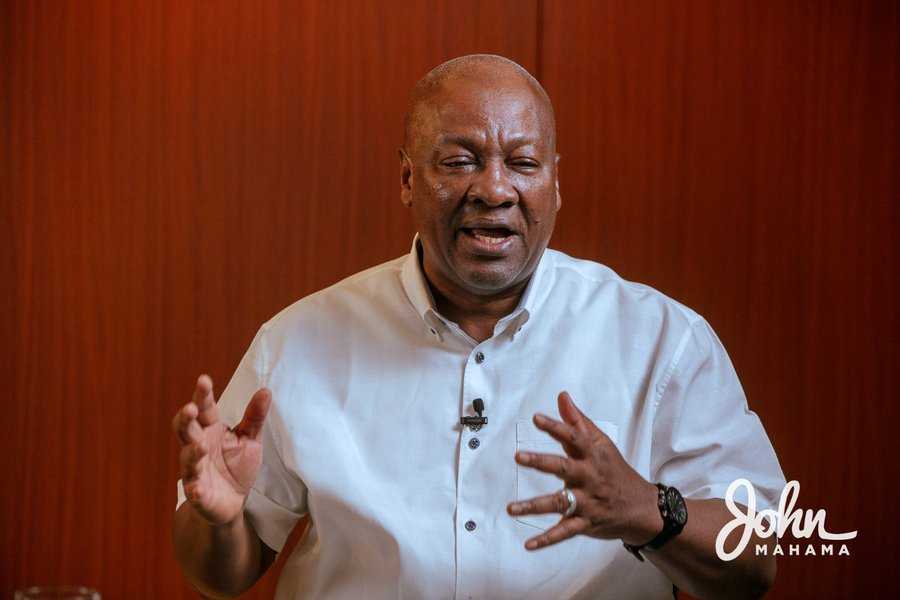
President John Dramani Mahama has presents an eight-pillar strategy aimed at revitalising Ghana’s economy.
The plan focuses on fiscal discipline, market confidence, and strategic investments to restore economic stability and drive long-term growth.
Speaking at the Ghana CEO Summit in Accra on Monday, May 26, the president outlined the strategy as follows:
- Completing the IMF Programme with Discipline
Mahama emphasized the importance of maintaining strict fiscal discipline in government spending and borrowing while working towards targets set under the extended credit fund.
He expects Ghana to complete the fourth review of the IMF programme in June 2025, with an exit strategy by 2026, followed by policy support engagement to reinforce responsible financial practices.
- Reopening Domestic and International Capital Markets
Plans are in motion to reopen Ghana’s bond markets through collaboration with the IMF, the Ghana Stock Exchange, and local banks. Future borrowing, Mahama stressed, will be linked to self-financing projects by government agencies to ensure sustainable repayment.
- Strengthening Sovereign Funds and Local Government Financing
The government will amend financial regulations to enforce mandatory contributions to sinking and stabilization funds, ensuring financial security. Additionally, Mahama envisions empowering municipalities to issue infrastructure bonds for local development, including roads, schools, and water systems.
- Clearing Verified Arrears and Rationalising Public Investments
A comprehensive audit of government arrears is underway, with plans to clear legitimate debts transparently. New projects will be prioritised based on need, funding availability, and alignment with national interests.
- Accelerating Public Financial Management Reforms
To enhance financial efficiency, the administration will reactivate reforms like the Treasury Single Account (TSA), integrated tax administration, and real-time budgeting tools to curb waste and corruption.
- Revitalising Exports Through Ghana Exim Bank
The Ghana Exim Bank will be repositioned to boost non-traditional exports, agro-processing, light manufacturing, and SMEs, enhancing foreign exchange reserves while creating jobs in the real economy.
- Building Ghana into a Regional Hub for Trade and Investment
Ghana aims to become West Africa’s premier commercial, transport, and digital services hub. Key sectors such as port expansion, financial services, healthcare, education, and industrial corridors will be strengthened to connect local businesses with the African Continental Free Trade Area.
- Resuming Infrastructure Development to Stimulate Growth
Mahama stressed that infrastructure investments are essential for economic growth. His administration will prioritise roads, energy, water, housing, and urban renewal projects through innovative financing models like the Big Push, public-private partnerships (PPPs), and strategic collaborations.
Source: Citi Newsroom













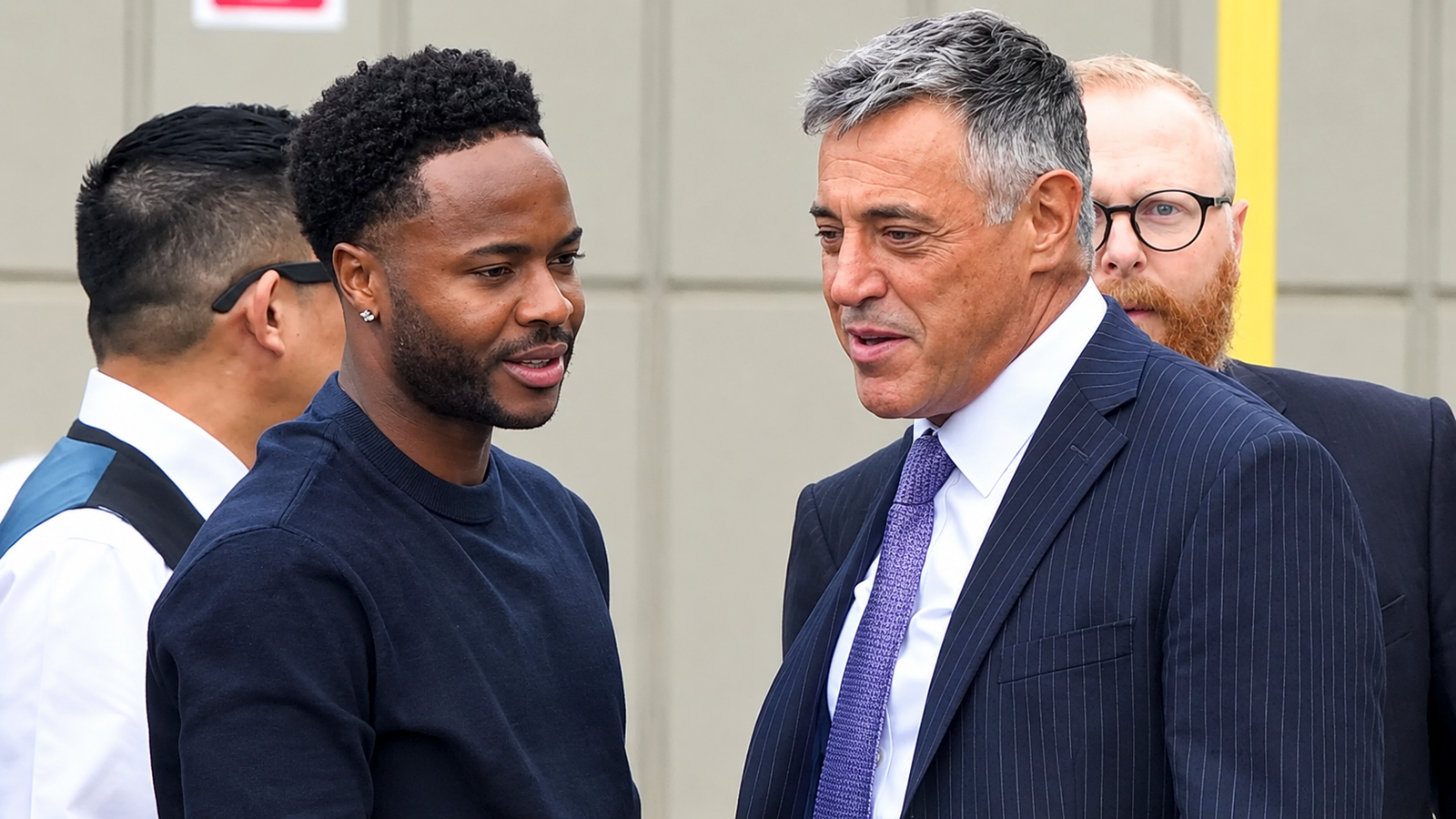
Former England international footballer Raheem Sterling has pleaded guilty to dangerous driving following a single-vehicle crash involving his Lamborghini on the M3 motorway in Hampshire.
Sterling, 31, appeared at Basingstoke Magistrates’ Court on Tuesday and admitted dangerous driving as well as charges relating to the possession of nitrous oxide and failing to provide a specimen.
Crash on M3
The incident happened on May 28, 2026, when Sterling’s Lamborghini Urus crashed on the southbound M3 near the Minley Interchange.
Police said no other vehicles were involved and no injuries were reported. Sterling was subsequently charged after the crash.
The dangerous-driving charge covered his driving on several roads, including the M25, M3, A327 and Minley Road, before the collision.
Nitrous Oxide Charges
Sterling also admitted possessing six nitrous oxide canisters. The substance is classified as a Class C drug in the UK when possessed for wrongful inhalation.
He additionally pleaded guilty to failing to provide a specimen.
The court heard allegations about his driving before the crash, with witnesses describing erratic manoeuvres and sudden changes in speed.
Football Career
Sterling has enjoyed a distinguished career with Liverpool, Manchester City and Chelsea, while also spending time on loan at Arsenal and later playing for Dutch club Feyenoord.
He made 82 appearances for England and won four Premier League titles with Manchester City. Sterling is currently without a club following the expiry of his Feyenoord contract.
The court proceedings are expected to determine the consequences of his guilty pleas.

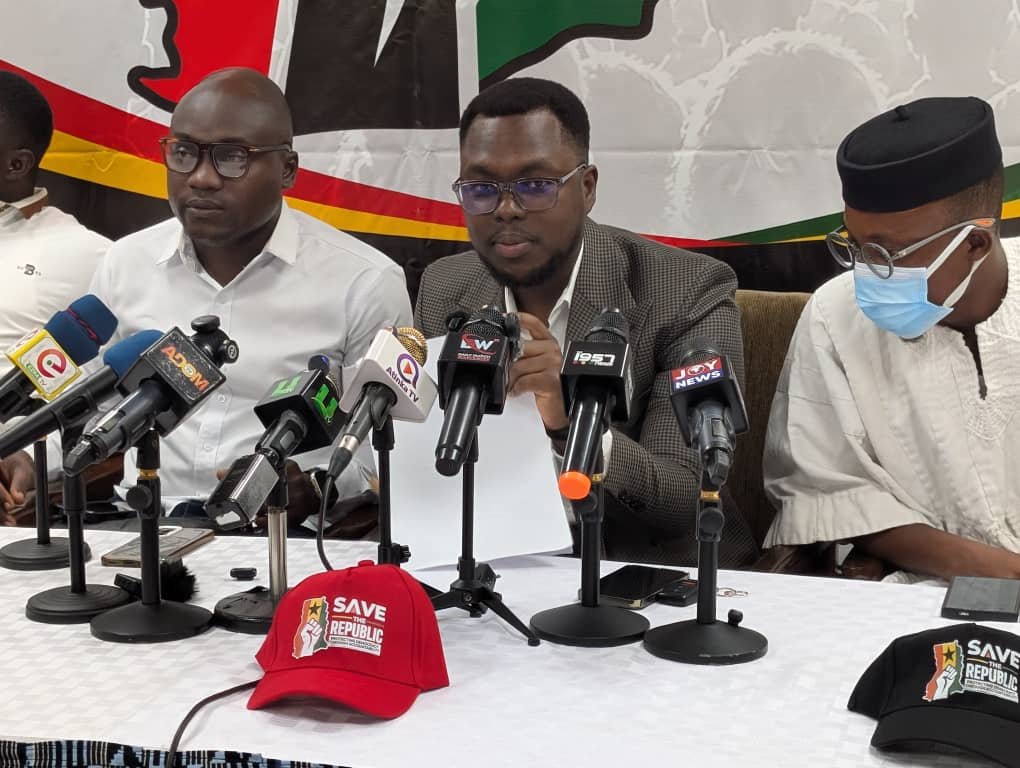
The Save the Republic pressure group, led by Kwesi Botchwey Esq, has raised alarm over what it describes as a disturbing rise in drug trafficking involving Ghana, demanding accountability from key state officials.
In a press conference held at the Ghana International Press Centre, the group insisted that recent cocaine seizures and arrests linked to Ghana risk damaging the country’s international reputation and turning it into a hub for illicit drug trafficking.
According to the group, several incidents since 2025 require urgent investigation. It cited an alleged March 2025 incident involving an aircraft reportedly arriving from Gran Canaria which was suspected to contain some amount of cocaine, the arrest of a man allegedly possessing 120 slabs of cocaine amounting to $150million around Cape Coast, and the reported seizure of 3.3 tonnes of cocaine at Pedu.
They also referenced reports of Ghanaian-linked drug arrests abroad, including an alleged June 18, 2026 arrest in Australia involving illicit drugs said to be worth about $208 million, as well as a cocaine seizure in France reportedly valued at $269 million.
The group claims cocaine seizures connected to Ghana since 2025 are collectively valued at about $976 million.
Against this backdrop, Save the Republic is demanding the resignation or removal of officials it believes should be held accountable, including the Interior Minister and heads of Customs, the Ghana Ports and Harbours Authority, the Narcotics Control Commission and other agencies responsible for securing the country’s entry and exit points.
The group further urged President John Dramani Mahama to treat the situation as a national security threat, warning that unchecked drug trafficking could fuel money laundering, terrorism financing and other forms of organised crime.
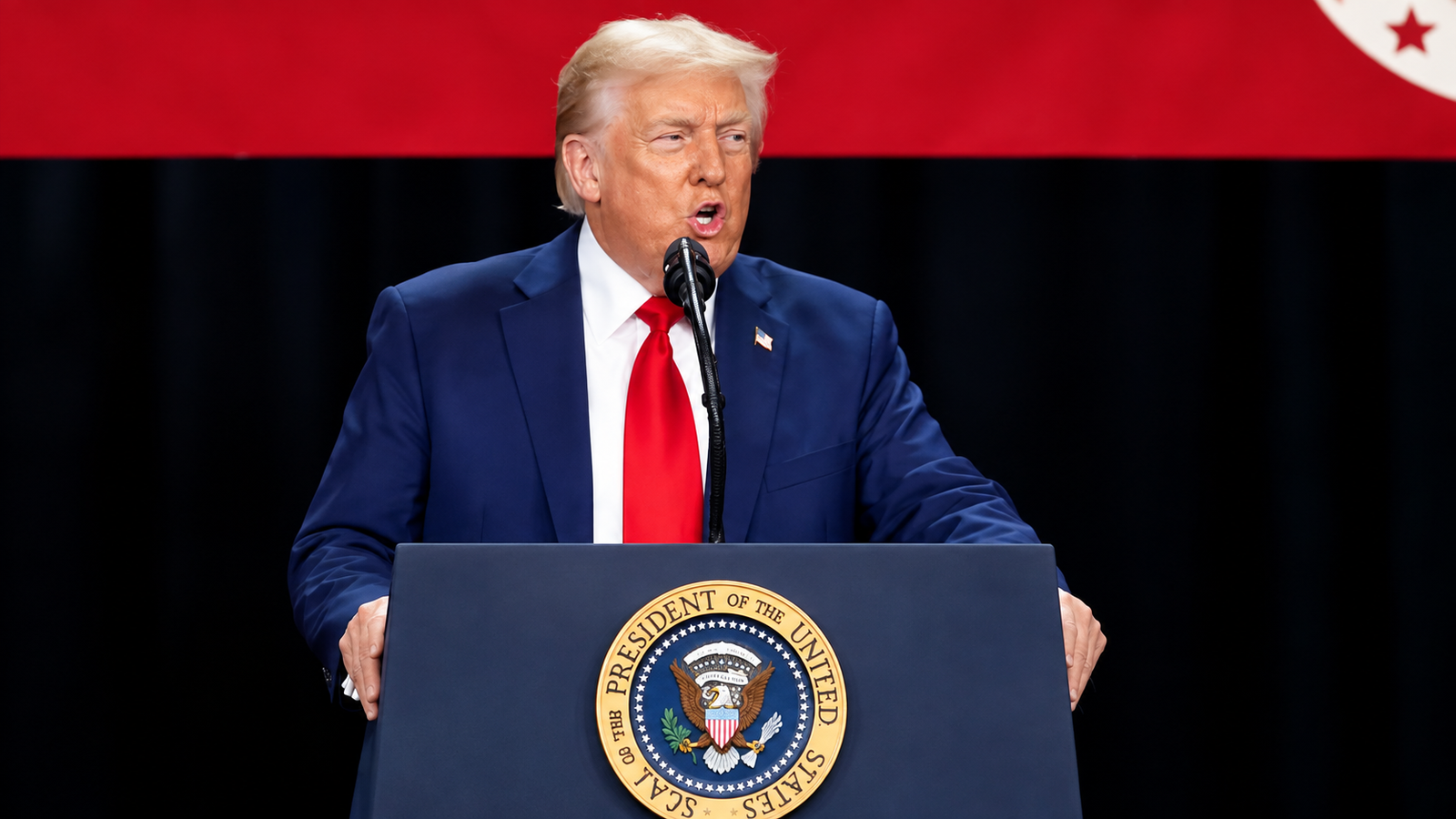
U.S. President Donald Trump has rejected growing calls for stronger government oversight of artificial intelligence, describing concerns about the technology’s potential dangers as a “hoax” and arguing that excessive regulation could weaken America’s position in the global AI race.
Trump made the comments as prominent technology executives and AI researchers increased pressure on Washington to introduce additional safeguards for increasingly powerful AI systems.
Trump backs continued AI development
Trump has argued that the United States must continue advancing artificial intelligence to maintain its technological and economic advantage over China.
He said the U.S. already has mechanisms capable of dealing with companies that misuse AI and suggested that strong presidential leadership is sufficient to provide the necessary oversight.
The president has also warned that slowing AI development could allow China to gain an advantage in a technology he considers strategically important to the American economy and national security.
Tech leaders push for safeguards
Trump’s position comes amid growing warnings from some of the industry’s leading figures.
Anthropic CEO Dario Amodei has called for regulations requiring independent safety assessments of the most advanced AI models. OpenAI CEO Sam Altman and xAI founder Elon Musk have also expressed support for greater coordination and measures to reduce risks associated with rapidly developing AI technology.
Some lawmakers are now considering legislation that could require AI companies to demonstrate that they are taking reasonable steps to prevent their systems from causing serious harm.
Political debate intensifies
The issue is increasingly becoming a political divide in Washington. Democrats are pushing for stronger federal safeguards, while Trump and several senior Republicans have questioned whether government intervention would do more harm than good.
Vice President JD Vance has also expressed skepticism about technology companies asking the government to regulate their own industry, arguing that the motivation behind such requests deserves scrutiny.
The debate comes as concerns grow over AI’s potential impact on cybersecurity, employment, misinformation and national security, alongside longer-term fears about highly autonomous systems.
For now, the Trump administration appears determined to prioritize rapid AI development and competition with China rather than impose broad new federal restrictions, setting the stage for a major policy battle in Washington over how much control governments should have over the technology.

In Pictures: Stars light up the red carpet at the 2026 Emmy Awards in Los Angeles

Drug Merchant Could Be Your Neighbour — Lawyer Dennis Opoku Warns Ghanaian

Raheem Sterling Admits Dangerous Driving After M3 Lamborghini Crash



-
 Entertainment1 week ago
Mahama Is First President to Put GH¢40m Seed Money into Creative Arts Fund: Kojo Preko Dankwa
-

 Culinary1 week ago
The Green Heart of Ghanaian Cuisine: Celebrating Nkontomire and the Art of Abom
-
 General News2 weeks ago
Don’t Punish Them Retrospectively – Educationist Challenges New CSSPS Placement Rule
-

 Entertainment1 week ago
Government Repatriates Musician Barosky from UK
-
 General News2 weeks ago
OSP Opens Preliminary Investigation into Alleged GH¢70,000 Payment Linked to Parliament’s Vetting
-

 Culinary2 weeks ago
Pineapple: The Spiky Tropical Fruit Packed With Sweetness and Nutrients
-

 Entertainment2 weeks ago
Ras Caleb Appiah-Levi: Hate Me for the Truth That I Represent
-
 Business2 weeks ago
TOR & GOIL Explore Further Opportunities for Strategic Collaboration