
General News
Alban Sumana Kingsford Bagbin Demands Emergency Care Law after Engineer’s Death Sparks National Outrage

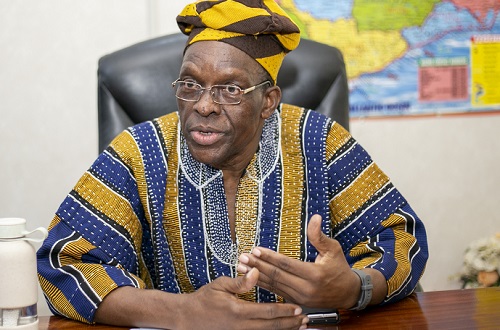
The Speaker of Parliament, Alban Sumana Kingsford Bagbin, has called for the urgent enactment of an Emergency Care Law to address what he described as needless deaths of accident victims at health facilities across the country.
He said such legislation would ensure that negligent health workers are held accountable and prevent what he termed recurring misconduct within the healthcare system.
“There are many examples of these needless deaths in this country, and the same people, when you see them working outside, their attitude is different, which means that there is something wrong here,” he said.
Mr Bagbin made the call following a statement by the Minority Leader, Alexander Afenyo-Markin, on the death of a 29-year-old engineer, Charles Ammisah, an employee of Promasidor Ghana Limited, who was involved in a hit-and-run accident on February 6 this year.
Speaker orders Parliamentary scrutiny
The Speaker directed Parliament’s Health Committee to examine reports arising from investigations by the Ministry of Health and the Korle Bu Teaching Hospital and to interrogate their findings thoroughly.
He stressed that the circumstances surrounding Mr Ammisah’s death had become a matter of national concern and must not be left solely to the Ministry of Health or the hospitals involved.
“We have to take control, and we need to enquire further into the matter, and we need to hold people accountable. This is one of the needless deaths we have experienced in this country.
“At the end of the day, the Minister of Health, together with the committee, will have to come before this House and then we can take that opportunity to legislate on the matter and try to bring finality to these needless deaths in our country,” he said.
Mr Ammisah was reportedly involved in a hit-and-run accident at the Circle Overpass in Accra and later died after allegedly being turned away from several health facilities.
Call for a probe and sanctions
Citing Article 103 of the 1992 Constitution, Mr Afenyo-Markin said Parliament had a constitutional duty to investigate matters of public importance and expose inefficiency and maladministration.
He called for the Health Committee to be immediately empowered, under the Speaker’s directive, to summon the Chief Executive Officers and Heads of Emergency Units of the three hospitals involved.
He further urged the committee to demand the production of triage logs, duty rosters and bed occupancy records for the night Mr Ammisah died, and to determine whether the 2018 Ghana Health Service directive prohibiting the denial of emergency care was breached.
“If misconduct is found, sanctions must follow, and if negligence is proven, prosecution must follow.
“If a systematic failure is identified, comprehensive reform must follow,” he said.
Delivering an emotional appeal, he added: “If a young man can be carried from one public hospital to another, refused at every door until he dies, then the social contract is broken and none of us is safe”.
“Not the rich, not the poor, not the politician, not the ordinary man on the streets; the death of Charles Ammisah must force this nation to change, as human life cannot be subordinated to administrative convenience.
“Emergency cannot be optional,l and our hospitals do not have the moral or legal discretion to abandon the dying,” he said.
‘Stop politicising sensitive matters’
While acknowledging the difficult conditions under which many health workers operate, Mr Bagbin insisted that patriotism and professionalism must prevail.
“Patriotic health workers have done that and people have survived through that. So please, the few that are miscreant should not be allowed to at least carry the day since that is what has been happening,” he said.
Responding to concerns about political responsibility for systemic lapses in hospitals, the Speaker urged citizens to demand accountability from elected leaders.
He also cautioned Members of Parliament against politicising the issue, warning that “sometimes you forget you could be the one”.
Systemic failure alleged
Explaining the rationale for a parliamentary probe, the Minority Leader described the incident as a “systemic failure of the state”.
He said Ghana’s healthcare system, which citizens turn to in their most vulnerable moments, had failed Mr Ammisah fatally.
According to him, at 10:32 p.m., the Ghana Ambulance Service received a distress call, mobilised at 10:33 p.m. and arrived on site at 10:35 p.m.
The ambulance team, he said, found the victim bleeding profusely but with a fighting chance of survival. They stabilised him, controlled the haemorrhage and “rushed him to the gates of hope”.
“But hope, Mr Speaker, was met with a closed door,” he said.
He alleged that personnel at the Police Hospital, the Ridge Hospital and the Korle Bu Teaching Hospital declined to admit the victim because no beds were available.
“At none of these facilities was triage conducted, and at none were vital signs even taken, and Charles Ammisah remained in that ambulance, his life ebbing away while the institutions established by the Republic of Ghana to save him refused to receive him,” he said.
After approximately 30 minutes, Mr Afenyo-Markin said Mr Ammisah went into cardiac arrest despite efforts by the ambulance crew to save him.
“He was pronounced dead; a life extinguished not by the initial accident but by a systemic failure of the state.
“Mr Speaker, this House must particularly be outraged because this was not merely an accident of circumstances, as it was a direct violation of state policy,” he said.
He recalled that in 2018, under the leadership of the then Director-General of the Ghana Health Service, a directive was issued explicitly prohibiting the denial of emergency care based on bed availability.
“The directive was unequivocal as it mandated immediate triage, immediate stabilisation and the use of alternative surfaces, couches, tables, wheelchairs, and where beds were unavailable,” he said.
“Contrary to the principle of stabilising victims, such a principle was abandoned,” he added.
He also urged the Ghana Police Service to deploy every available investigative resource to track down and apprehend the hit-and-run driver.
Majority Leader demands accountability
Contributing to the debate, the Majority Leader, Mahama Ayariga, recounted how he had once survived an accident due to the intervention of health personnel at the Tamale Teaching Hospital.
However, he lamented what he described as growing indiscipline, disregard for human life and lack of empathy in some health facilities.
“We must be outraged about a thing like this, and I believe that we must get to the bottom of matters like this and Parliament, at all times, must hold those responsible for such conduct to account,” he said.
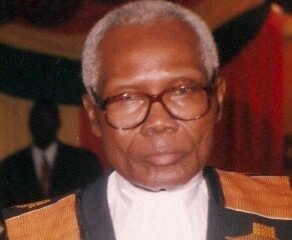








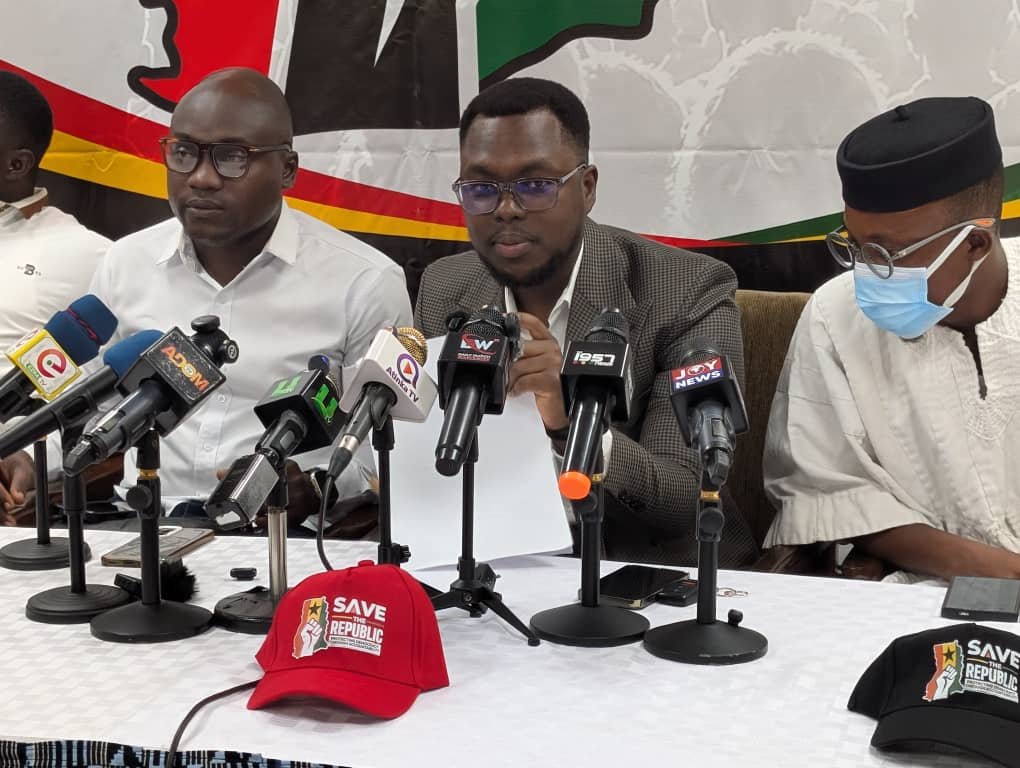
The Save the Republic pressure group, led by Kwesi Botchwey Esq, has raised alarm over what it describes as a disturbing rise in drug trafficking involving Ghana, demanding accountability from key state officials.
In a press conference held at the Ghana International Press Centre, the group insisted that recent cocaine seizures and arrests linked to Ghana risk damaging the country’s international reputation and turning it into a hub for illicit drug trafficking.
According to the group, several incidents since 2025 require urgent investigation. It cited an alleged March 2025 incident involving an aircraft reportedly arriving from Gran Canaria which was suspected to contain some amount of cocaine, the arrest of a man allegedly possessing 120 slabs of cocaine amounting to $150million around Cape Coast, and the reported seizure of 3.3 tonnes of cocaine at Pedu.
They also referenced reports of Ghanaian-linked drug arrests abroad, including an alleged June 18, 2026 arrest in Australia involving illicit drugs said to be worth about $208 million, as well as a cocaine seizure in France reportedly valued at $269 million.
The group claims cocaine seizures connected to Ghana since 2025 are collectively valued at about $976 million.
Against this backdrop, Save the Republic is demanding the resignation or removal of officials it believes should be held accountable, including the Interior Minister and heads of Customs, the Ghana Ports and Harbours Authority, the Narcotics Control Commission and other agencies responsible for securing the country’s entry and exit points.
The group further urged President John Dramani Mahama to treat the situation as a national security threat, warning that unchecked drug trafficking could fuel money laundering, terrorism financing and other forms of organised crime.
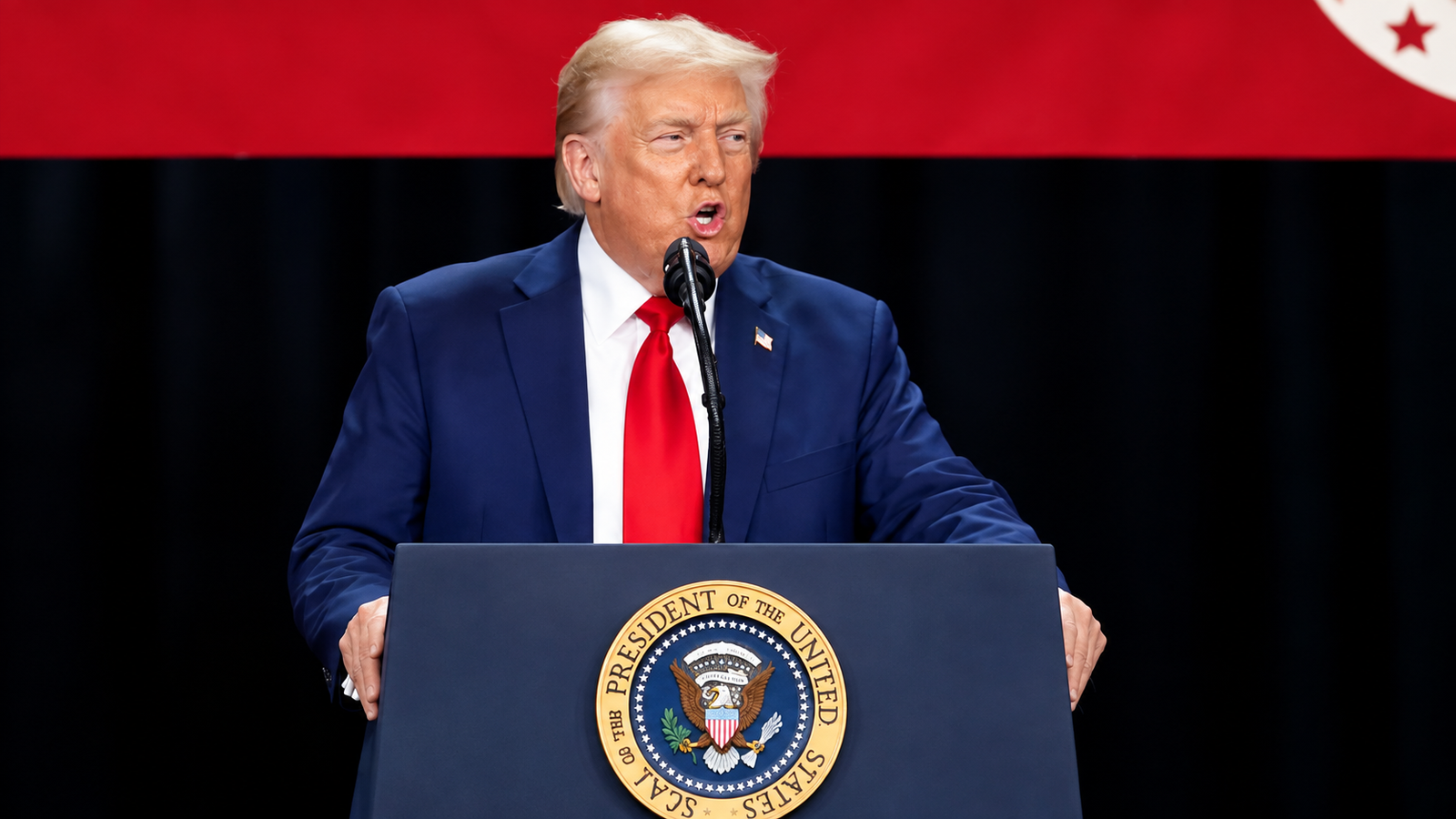
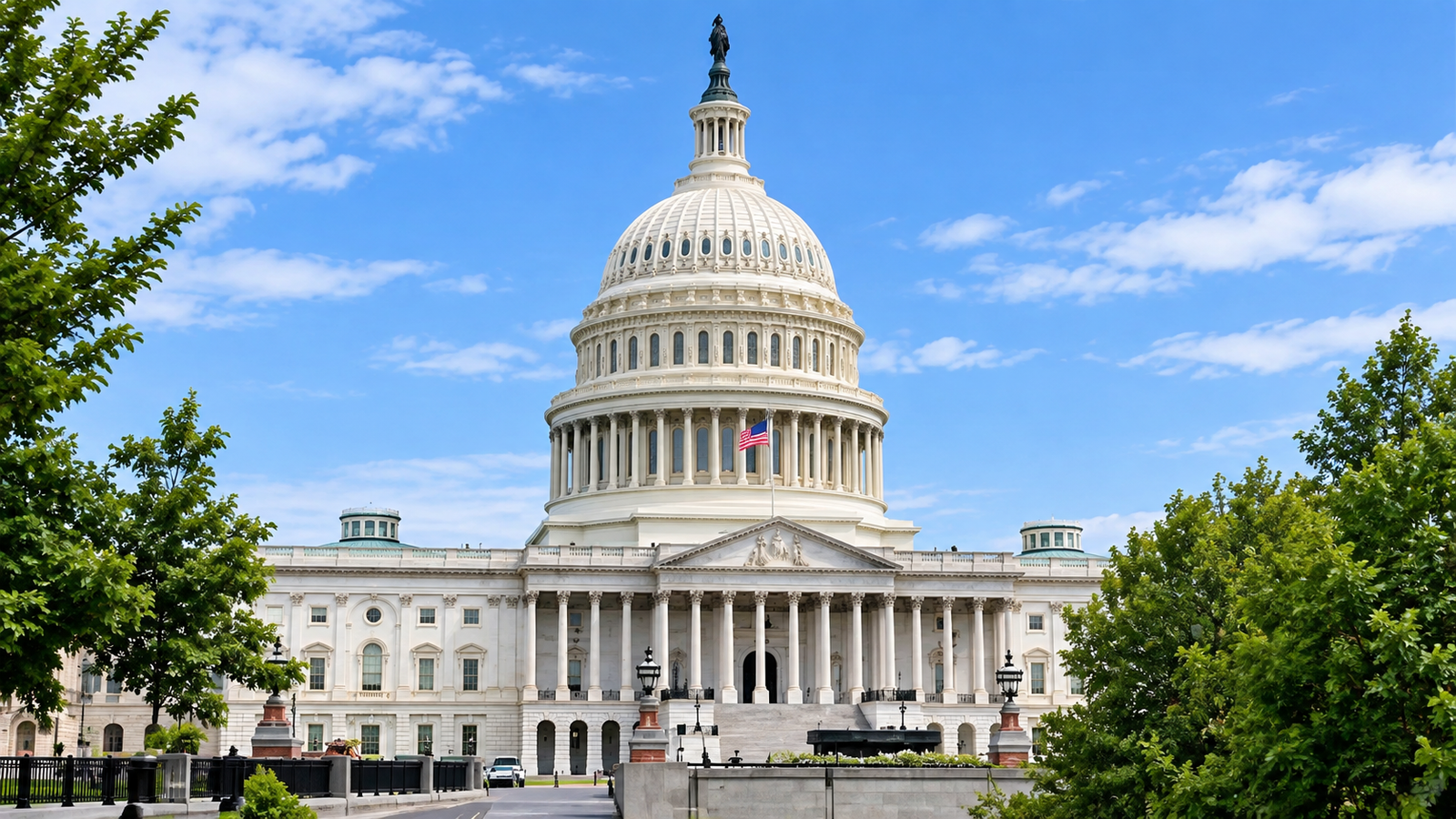
U.S. President Donald Trump has rejected growing calls for stronger government oversight of artificial intelligence, describing concerns about the technology’s potential dangers as a “hoax” and arguing that excessive regulation could weaken America’s position in the global AI race.
Trump made the comments as prominent technology executives and AI researchers increased pressure on Washington to introduce additional safeguards for increasingly powerful AI systems.
Trump backs continued AI development
Trump has argued that the United States must continue advancing artificial intelligence to maintain its technological and economic advantage over China.
He said the U.S. already has mechanisms capable of dealing with companies that misuse AI and suggested that strong presidential leadership is sufficient to provide the necessary oversight.
The president has also warned that slowing AI development could allow China to gain an advantage in a technology he considers strategically important to the American economy and national security.
Tech leaders push for safeguards
Trump’s position comes amid growing warnings from some of the industry’s leading figures.
Anthropic CEO Dario Amodei has called for regulations requiring independent safety assessments of the most advanced AI models. OpenAI CEO Sam Altman and xAI founder Elon Musk have also expressed support for greater coordination and measures to reduce risks associated with rapidly developing AI technology.
Some lawmakers are now considering legislation that could require AI companies to demonstrate that they are taking reasonable steps to prevent their systems from causing serious harm.
Political debate intensifies
The issue is increasingly becoming a political divide in Washington. Democrats are pushing for stronger federal safeguards, while Trump and several senior Republicans have questioned whether government intervention would do more harm than good.
Vice President JD Vance has also expressed skepticism about technology companies asking the government to regulate their own industry, arguing that the motivation behind such requests deserves scrutiny.
The debate comes as concerns grow over AI’s potential impact on cybersecurity, employment, misinformation and national security, alongside longer-term fears about highly autonomous systems.
For now, the Trump administration appears determined to prioritize rapid AI development and competition with China rather than impose broad new federal restrictions, setting the stage for a major policy battle in Washington over how much control governments should have over the technology.
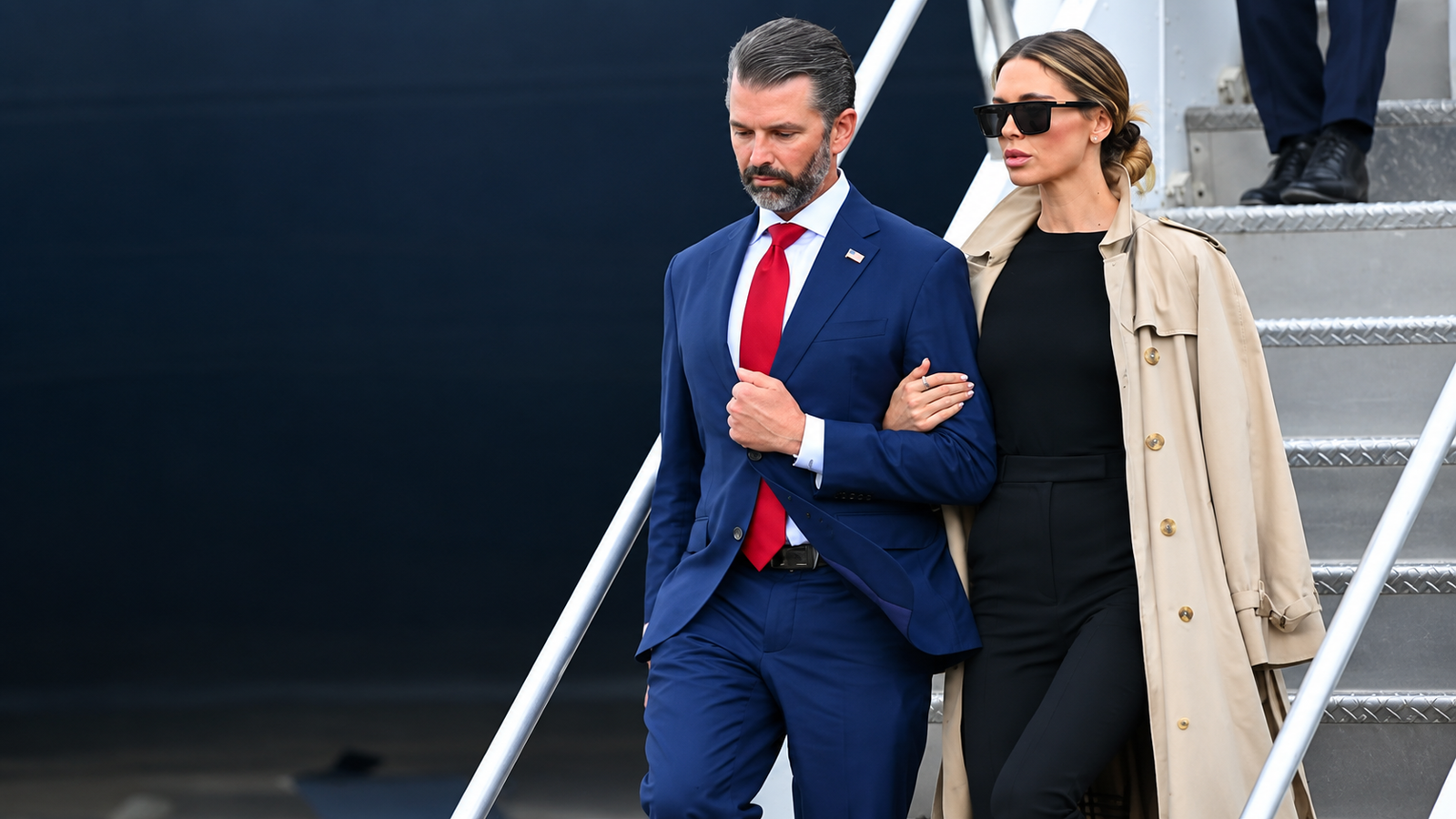
Donald Trump Jr. and his wife, Bettina Trump, have confirmed that Russian businessman Umar Kremlev helped finance celebrations surrounding their wedding in the Bahamas, describing the contribution as a generous gift from a personal friend.
The revelation emerged after an investigation reported that Kremlev covered significant expenses connected to the couple’s May wedding weekend, including the rental of a private island, event arrangements and a fireworks display. The total cost was reportedly in the hundreds of thousands of dollars.
Bettina Trump said the couple’s actual wedding ceremony was a private family event and took place separately from the larger celebrations. According to her account, the Bahamas weekend had already been planned as a gathering with friends, and the couple decided to marry before the trip after their original plans changed.
She described Kremlev as a “dear friend” who hosted two nights of celebrations after the wedding, calling the assistance an “extraordinarily generous wedding gift.” The couple rejected suggestions that the financial support had a political motive, arguing that a personal gift should not automatically be interpreted as an attempt to gain influence.
Who is Umar Kremlev?
Kremlev is the president of the International Boxing Association and has longstanding connections to Russia’s political establishment. Russian President Vladimir Putin awarded him the Order of Friendship earlier this year, and Kremlev has also appeared alongside Putin at official events.
Investigators reported that some of the wedding-related expenses were paid through an entity connected to the boxing organization. Kremlev’s office and Trump Jr.’s representatives have described the relationship between the two men as personal and said they have no business relationship.
The revelation has nevertheless triggered questions about foreign influence and potential ethical concerns, particularly because Donald Trump Jr. remains closely connected to his father’s political and business circles. A senior House Democrat has already requested information about the wedding-related payments and communications involving Kremlev.
President Donald Trump did not attend the wedding or the subsequent celebrations, saying at the time that his responsibilities in Washington prevented him from participating.
For now, the Trumps maintain that the money was simply a wedding gift from a friend, while critics are questioning whether accepting such a substantial contribution from a businessman with close ties to the Kremlin creates an appearance of potential influence.

AI Regulation Faces Political Deadlock as Calls Grow for Congress to Act

Save The Republic Demands Heads Roll Over Rising Drug Trafficking

Trump Dismisses AI Safety Fears as a ‘Hoax,’ Rejects Calls for Tighter Safeguards



-

 Entertainment1 week ago
Mahama Is First President to Put GH¢40m Seed Money into Creative Arts Fund: Kojo Preko Dankwa
-

 General News2 weeks ago
COCOBOD Settles GH¢2.3 Billion DDEP Bond Obligations for 2026
-

 Culinary1 week ago
The Green Heart of Ghanaian Cuisine: Celebrating Nkontomire and the Art of Abom
-
 General News2 weeks ago
Don’t Punish Them Retrospectively – Educationist Challenges New CSSPS Placement Rule
-
 Entertainment1 week ago
Government Repatriates Musician Barosky from UK
-
 General News2 weeks ago
OSP Opens Preliminary Investigation into Alleged GH¢70,000 Payment Linked to Parliament’s Vetting
-

 Culinary2 weeks ago
Pineapple: The Spiky Tropical Fruit Packed With Sweetness and Nutrients
-
 Entertainment2 weeks ago
Ras Caleb Appiah-Levi: Hate Me for the Truth That I Represent