
Business
Oil Marketing Firms Accuse Fuel Distributors of Premature Price Hikes Amid Middle East Tensions

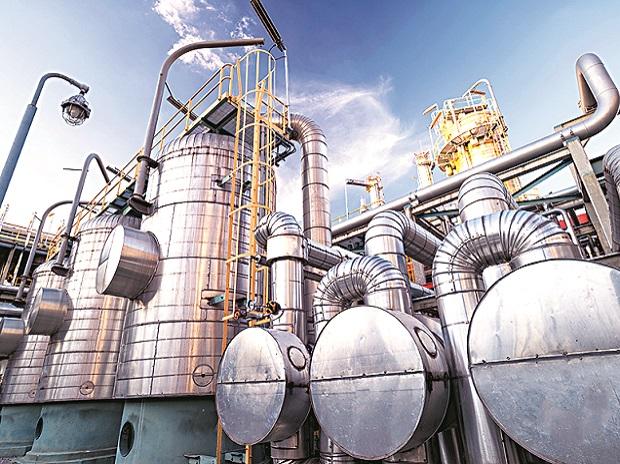
Oil marketing companies in Ghana have accused bulk fuel distributors of increasing petroleum prices prematurely, insisting that the ongoing conflict in the Middle East should not yet be influencing fuel costs in the country.
The Chief Executive Officer of the Chamber of Oil Marketing Companies, Riverson Oppong, said petroleum products currently on the Ghanaian market were imported before the conflict began and therefore should not reflect any war related price adjustments.
Speaking in a radio interview on Citi FM on Monday, March 9, Dr Oppong explained that the industry’s pricing system operates within a structured cycle, meaning any impact from global developments would only be reflected in the next pricing window.
He noted that although oil marketing companies pass on the cost of products they purchase from Bulk Distribution Companies to consumers, the current situation raises serious concerns.
“In all this, we do have a pass-through cost, no doubt. Whatever price we buy from the BDCs, we will surely sell it at the pumps,” he said.
Dr Oppong said the chamber had received complaints from several members about sharp increases in the prices quoted by bulk distributors during the current selling window.
“What is worrying, and I will say it authentically, is when you have huge price thresholds at the trading level,” he stated.
He explained that Ghana’s petroleum pricing framework follows a bi weekly cycle, with the present window running until March 15. According to him, the fuel currently being sold was priced and imported before the Middle East conflict escalated.
“For this window from March 1 to the 15th, the products had been priced prior to entering this particular bi weekly window. Even if there should be any effect of pricing, it should take effect from the 15th of March,” he explained.
Dr Oppong said some suppliers were already quoting significantly higher prices to oil marketing companies, a move he described as unacceptable.
“This morning I have some of my members complaining that seven is selling at ten,” he said, referring to the price changes being reported within the ongoing selling window.
“We are in a selling window. That is not acceptable. Nobody imported crude oil products at the time when this war started.”
He warned that such price increases contradict Ghana’s petroleum pricing policy and could undermine efforts to shield consumers from unnecessary fuel cost hikes.
“That artificial increase or professional selling by the BDCs is what we are discussing now because it is not organic. It is against the pricing policy we have in this country,” he added.
Dr Oppong also commended the National Petroleum Authority for quickly engaging industry players on the matter, urging the regulator to prevent attempts by some suppliers to take advantage of global tensions.
“Otherwise, we at the OMC level would be forced to increase our prices this week, which is not the right thing to do,” he cautioned.
Meanwhile, an energy analyst at Ghana’s Ministry of Energy, Yussif Sulemana, said the country was not facing an immediate threat to fuel availability despite the tensions in the global oil market.
Speaking in the same interview on March 9, Dr Sulemana said Ghana currently has about five to six weeks of petroleum product stocks nationwide, with additional shipments expected to boost supply levels.
“We are already aware that we have between five to six weeks of stock available nationwide,” he said.
He added that incoming shipments could significantly extend the supply period.
“If these ships are discharged, we can have maybe like 10 weeks,” he explained.
According to him, the immediate concern for policymakers is not supply shortages but the potential rise in fuel prices if global crude oil prices continue to climb.
“We are not immediately threatened by supply availability. What we are immediately threatened with will be the price,” he said.
Global oil prices have recently crossed the 100 dollar mark, raising concerns among analysts that sustained increases could push domestic fuel prices higher.
Dr Sulemana said the government was closely monitoring the situation and could adopt several policy responses, including allowing market forces to determine prices, introducing subsidies to cushion consumers, or strengthening local refining capacity.
“All the three options are available and the government is ready to reactivate all the options,” he said.
He added that in the long term, authorities are working to strengthen Ghana’s refining and storage capacity, including efforts to revive the Tema Oil Refinery and expand national fuel storage infrastructure.
“We want to be able to link the upstream to the downstream,” he noted, referring to plans to integrate crude oil production with domestic refining and fuel distribution.
For now, he said the government’s priority remains maintaining stable fuel supplies while managing rising price pressures.





The Ghana 24-Hour Economy Authority has announced that it has secured bankable investment agreements worth more than $8 billion within the last 90 days, a development officials say demonstrates growing investor confidence in the government’s flagship 24-Hour Economy initiative.
The disclosure was made by the Chief Export Development Officer of the Ghana 24-Hour Economy Authority, Gabriel Opoku-Asare, during a roundtable discussion on the theme, “Unlocking Africa’s Single Market: How Can Ghanaian Businesses Win Under AfCFTA?” on Channel One TV as part of the Citi Business Festival held on Thursday, June 11, 2026.
According to Mr. Opoku-Asare, the agreements underscore the government’s commitment to attracting private sector investment to drive the implementation of the 24-Hour Economy agenda, rather than relying extensively on public funding.
He explained that the strategy is designed to reduce pressure on the country’s public finances while accelerating industrial growth and the development of strategic economic corridors across Ghana.
“We are enabling private capital in the development of all the projects we are talking about and the economic corridors we are building. Once private capital comes in, our work is coordination and enabling investment, so it is not sitting on sovereign debt. That is very important to ensure permanence in the long term,” he stated.
Mr. Opoku-Asare noted that the Authority is increasingly focusing on facilitating and coordinating private investments instead of directly financing projects with government resources, a move he believes will enhance the long-term sustainability of the programme.
He further emphasised that the signing of investment agreements exceeding $8 billion within a relatively short period highlights strong investor interest and confidence in the direction of the 24-Hour Economy programme.
“I’ve spoken about, in the last 90 days, all the bankable agreements that we’ve signed already, which is like over $8 billion,” he added.
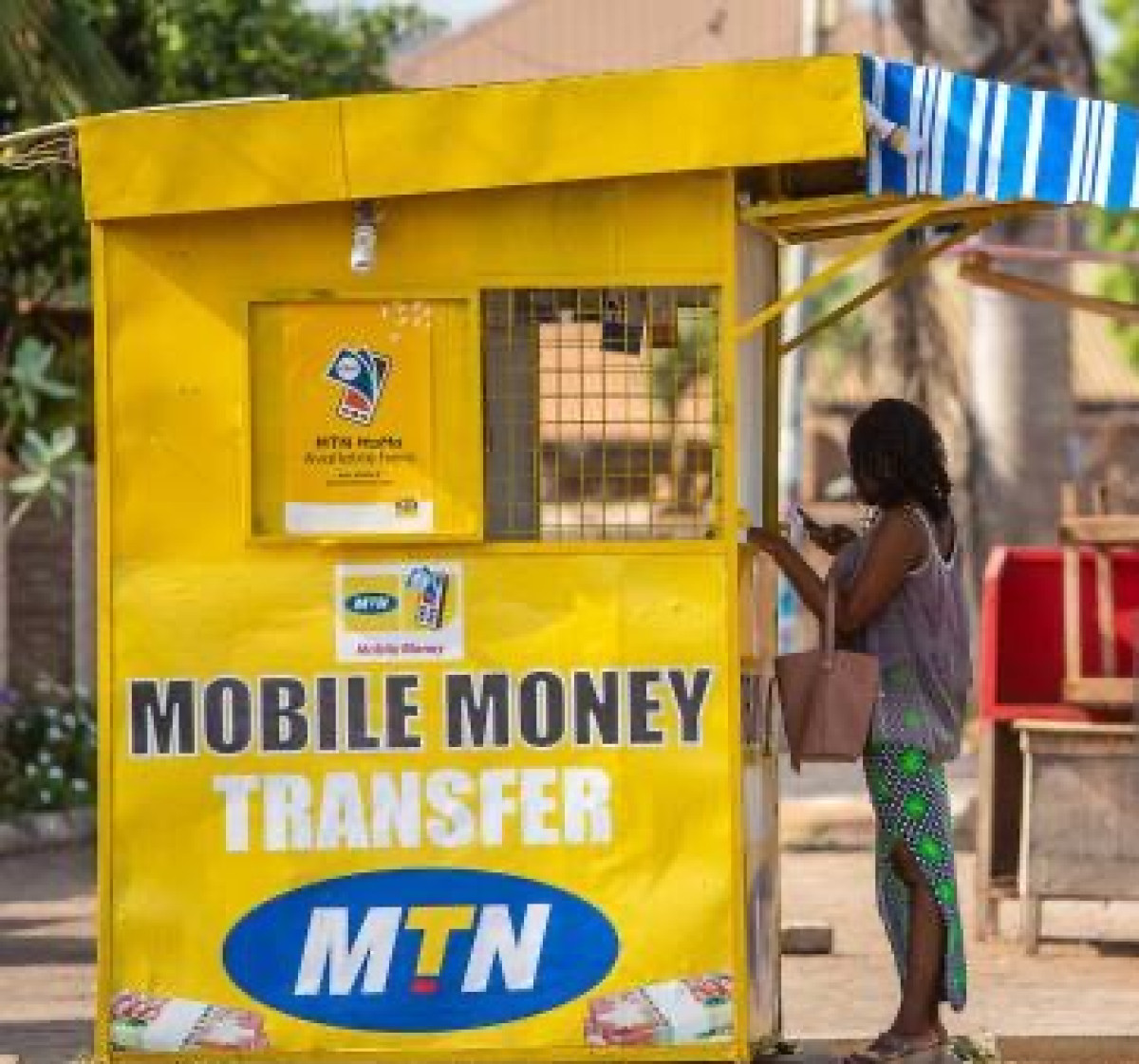
The Bank of Ghana has directed Mobile Money Fintech Limited to suspend its planned 0.75 per cent charge on direct mobile money wallet-to-bank account transfers.
The proposed fee, which was expected to take effect from June 1, 2026, has been put on hold to allow for further stakeholder consultations, the central bank announced on Tuesday, May 26.
The directive follows a notice issued by MTN Ghana on Monday, May 25, informing customers that transfers from MoMo wallets to bank accounts would attract a 0.75 per cent fee per transaction, capped at GH₵5.
Under the proposed arrangement, customers would have been charged even when transferring funds from their own registered MoMo wallet to their personal bank account — a service that has so far been offered free of charge.
In a statement, the Bank of Ghana explained that the suspension forms part of efforts to ensure that any adjustments to charges within the mobile financial services space are implemented in a fair and transparent manner, while safeguarding consumer interests and financial well-being.
For the time being, customers will continue to enjoy free transfers from MoMo wallets to bank accounts, as the proposed charges remain suspended.
The central bank further clarified that existing charges on MoMo wallet-to-wallet transfers, as well as cash-in and cash-out transactions at agent points, remain unchanged.
MTN Ghana is yet to officially respond to the Bank of Ghana’s directive.
MTN Ghana has announced that Mobile Money users will begin paying charges for transfers from their MoMo wallets to bank accounts effective June 1, 2026, ending years of free transfers for customers moving funds between their own accounts.
In a text message sent to subscribers on Monday evening, May 25, the telecommunications company disclosed that all MoMo-to-bank transfers will now attract a fee of 0.75 per cent per transaction, capped at GH₵5.
Under the new pricing structure, customers transferring GH₵100 from their MoMo wallet to a bank account will pay 75 pesewas, while transfers of GH₵667 and above will attract the maximum charge of GH₵5.
The fee will apply to all bank transfers, including transactions involving bank accounts belonging to the same individual who owns the MoMo wallet. Previously, MTN customers enjoyed free transfers when moving funds between their personally registered MoMo wallets and bank accounts.
According to the company, the move forms part of efforts to improve service delivery to its growing customer base.
“From 1 June 2026, transfers from your MoMo Wallet to bank accounts will attract a fee of 0.75% per transaction, capped at GH₵5. This will help us continue to serve you better. Thank you for choosing MoMo,” the message to customers stated.
The development marks a significant change in MTN Ghana’s mobile financial service charges, particularly for customers who frequently transfer money from MoMo wallets into bank accounts for business and personal transactions.
However, the company clarified that the new charge applies only to transfers from MoMo wallets to bank accounts. Existing charges for MoMo-to-MoMo transfers, as well as cash-in and cash-out transactions at agent points, remain unchanged.

Government reveals 76.4 Million Ghana cedis to back Black Stars World Cup campaign

2026 FIFA World Cup: Thomas Partey ruled out of Ghana group opener after denial of Canadian Visa

The Energy Man Londona Nie Set for Comeback After Successful Recovery Journey



-

 Sports1 week ago
GFA Boss Kurt Okraku Rejects National Team Players Selection Interference allegations
-
 Politics1 week ago
Abronye DC Remanded Into Custody After Court Rejects Bid to Vary Bail Conditions
-

 Sports2 weeks ago
IFAB Approves Major Rule Changes Ahead of 2026 FIFA World Cup
-

 Sports1 week ago
2026 FIFA World Cup: Ghana group opponent England defeats New Zealand in a warm up Friendly
-

 General News1 week ago
Sam George Pushes Mandatory National ID Verification for Access to Adult Websites
-

 Sports1 week ago
2026 FIFA World Cup: Ivory Coast defeats France in Pre-World Cup Friendly
-

 Culture2 weeks ago
Christian Council Backs Mahama’s Decision to Review Anti-LGBTQ+ Bill
-

 Sports1 week ago
2026 FIFA World Cup: Ghana arrived in America ahead of the tournament