
Business
AAC Celebrate Scholars’ Return with Renewed Pledge to Ghana’s Agricultural Sector

The African Agribusiness Consortium (AAC), a subsidiary of the Jospong Group, has hosted a welcome Dinner and Awards Night to celebrate the return of 118 Ghanaian postgraduate scholars who completed advanced studies in Agriculture and Environmental Sciences at Russia’s RUDN University and Peoples’ Friendship University under the AAC-RUDN scholarship programme.

The colourful event, held at the AH Hotel in East Legon, Accra on Saturday, August 1, 2026 brought together AAC executives, Jospong officials, development partners, stakeholders and the graduates to honour their academic achievements and formally welcome the first cohort of the pioneering initiative.

The scholars earned master’s and doctoral degrees in agronomy, crop production, soil science, environmental management, agricultural engineering and biotechnology. These expertise are expected to strengthen Ghana’s agricultural sector, enhance food security, and drive sustainable innovation into the system.
Speaking during the ceremony, the CEO of AAC and Executive Director of the Jospong Group, Dr. Mrs. Adelaide Siaw-Agyepong, described the occasion as one of the most fulfilling moments of her career, reflecting the profound impact of purposeful investment in people.
“Today’s event is so fulfilling. When you impact people and see the fruitfulness of what you have done, it brings fulfilment. This event is spectacular and will remain indelible on my mind,” she said.
She expressed gratitude for the students’ safe return, describing the scholarship as a landmark achievement designed to cultivate a new generation of highly skilled agricultural professionals. She noted that the graduates had already pledged to apply their acquired knowledge to support national development.
Addressing the scholars directly, she urged them to uphold integrity, discipline, and humility, stressing that academic excellence alone is insufficient without strong character.
“Education is very important, but what will sustain young people is character. You can acquire many credentials, but without character you will fail. Remain humble because character will take you very far in life,” she advised, encouraging them to become ambassadors of excellence, mentor future generations, and contribute meaningfully to Ghana’s socio-economic growth.
The Chairman of the Jospong Group, Dr. Joseph Siaw Agyepong, also gave glory to God for guiding the students throughout their journey. Reflecting on the Group’s growth, he noted that while the beneficiaries left Ghana when the company operated in only one foreign country, Jospong has since expanded its footprint to 29 nations across Africa, demonstrating its growing capacity to drive agricultural development beyond Ghana’s borders.
He assured the graduates that Jospong and its subsidiary, AAC, would continue creating platforms for them to apply their expertise through research, agribusiness ventures, and practical projects supporting the continent’s food systems.
The returning scholars expressed heartfelt appreciation to Dr. Mrs. Siaw-Agyepong, Dr. Siaw Agyepong, and the leadership of AAC and Jospong for the life-changing opportunity. They affirmed that the scholarship had transformed their careers and outlook on leadership and national service, pledging to improve local agricultural productivity and promote sustainable farming practices. As a token of gratitude, they presented plaques and commemorative artefacts to the Group’s leadership.
The Welcome Dinner and Awards Night forms part of the broader AAC-RUDN Graduates Return and Reintegration Programme, which includes visits to AAC facilities, agricultural project sites and courtesy calls on key government institutions. These activities aim to align the graduates with Ghana’s agricultural transformation agenda and prepare them for meaningful sector roles.
The welcome party was climaxed on Sunday, August 2, with a Thanksgiving Service at the Pentecost International Worship Centre (PIWC), Trasacco, Accra where the graduates, together with the leadership of AAC and the Jospong Group, offered thanks to God for the successful completion of the programme and the safe return of the scholars.
The service also marked a significant moment for the future of the initiative as representatives of RUDN University reaffirmed that the Memorandum of Understanding between the university and AAC, which provides scholarships for 500 Ghanaian students, remains fully in force.
Following the confirmation, Dr. Siaw Agyepong announced that preparations were already underway to sponsor the next cohort of approximately 120 Ghanaian students to pursue postgraduate studies in Russia under the expanding partnership.
Representatives of RUDN University commended the collaboration as a model for Africa, noting that it extends beyond academic exchange to promote scientific research, technology transfer, innovation and sustainable agricultural development.
The successful reintegration of the pioneer cohort and the announcement of a new intake underscore AAC’s long-term vision of building a highly skilled workforce capable of transforming agriculture, driving food security and supporting sustainable development in Ghana and across Africa.
The initiative underscores AAC’s broader vision, in partnership with RUDN University, of accelerating agricultural industrialisation, promoting climate-smart agriculture, and strengthening value chains across Africa through education and strategic partnerships. The successful homecoming of the 118 scholars reaffirms the Consortium’s belief that sustained investment in human capital remains one of the most effective pathways to transforming agriculture in Ghana and across the continent.

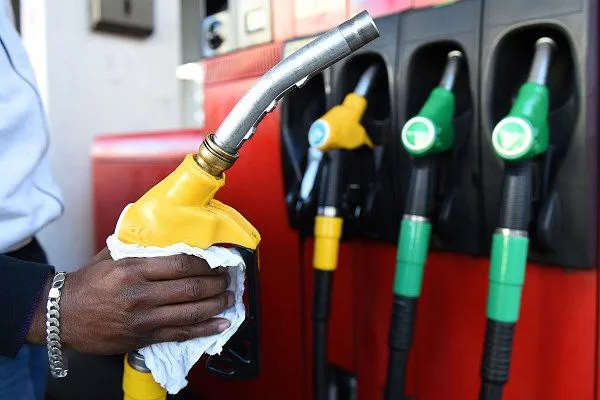
Fuel prices in Ghana could remain elevated even if some of the geopolitical tensions affecting the international oil market subside, the Executive Director of the Chamber of Petroleum Consumers (COPEC), Duncan Amoah, has warned.
Mr Amoah said the factors influencing fuel prices extend beyond geopolitical developments, pointing to rising global demand, increased premiums and high logistics costs as key pressures that could keep prices at the pumps high.
His comments follow another increase in petroleum prices in Ghana under the latest pricing window, which took effect on Wednesday, September 16, 2026.
The National Petroleum Authority (NPA) subsequently set the minimum price of petrol at GH¢16.00 per litre, while diesel was priced at GH¢16.77 per litre.
Speaking on JoyNews, Duncan Amoah explained that Ghana’s fuel pricing situation was being influenced by several international market factors.
He said even if geopolitical tensions ease, consumers could still experience high prices because of the rising cost of premiums and logistics involved in bringing petroleum products into the country.
He also warned that increased demand for diesel during the winter period could add further pressure to the international petroleum market.
According to him, this combination of factors means fuel prices may not fall immediately simply because geopolitical tensions begin to ease.
Mr Amoah has meanwhile called for greater attention to domestic refining as a means of reducing some of the costs associated with importing refined petroleum products.
He argued that increased local refining could help Ghana avoid some of the additional costs incurred when finished petroleum products are imported at higher premiums.
He said strengthening the country’s domestic refining capacity would also reduce Ghana’s exposure to some of the costs associated with purchasing refined petroleum products from the international market.
His comments come as motorists and other consumers continue to face changes in fuel prices linked to developments in both the domestic and international petroleum markets.

By Angel No Lie | KPD Online | 17 September 2026 | Independent Markets Report
Gold prices moved higher on Thursday as investors assessed the U.S. Federal Reserve’s latest interest-rate decision, while easing concerns over Middle East oil supplies took some momentum out of the recent crude rally.
Spot gold was initially up more than 1% in Asian trading, reaching about $4,310.49 per ounce at 0149 GMT, according to Reuters. Later in the session, the gain had moderated to 0.8%, at $4,295.26, showing how quickly prices were adjusting after the Fed decision.

Gold price prediction: Meltdown as prices fall by Rs 900/10 gram amid profit booking. Can bulls stage a comeback? – The Economic Times
Fed raises rates by 25 basis points
The Federal Reserve raised its benchmark federal funds target range by 25 basis points to 3.75%-4.00% on Wednesday.
The decision was approved unanimously by the Federal Open Market Committee. The Fed said economic activity was expanding at a solid pace but that inflation remained elevated.
The accompanying projections indicated that the rate increase may not be the final move this year. Reuters reported that 16 of 18 Fed policymakers expected at least one additional quarter-percentage-point increase before the end of 2026.
That creates a complicated environment for gold.
Gold does not pay interest, so higher interest rates can make yield-bearing assets comparatively more attractive. At the same time, expectations surrounding inflation, currencies, geopolitical risks and investor demand for defensive assets can support bullion.

Dollar-Obsessed Argentines Have a Newfound Love for Buying Gold – Bloomberg
Gold’s move came after a sharp pullback
The rise followed a weaker session in which gold had reached a near six-week low.
Reuters reported that technical factors were contributing to Thursday’s rebound, while the Fed’s more hawkish message had already been largely reflected in market pricing.
U.S. gold futures did not mirror the initial spot-market gain. December futures were reported down roughly 1.2% at $4,333.90 in later trading.
That divergence is important: the headline rise in spot gold does not necessarily indicate a broad-based bullish move across all gold contracts.

Oil rally loses momentum
The other major part of the market story is oil.
Brent crude futures fell 1.2% to $104.59 a barrel, while U.S. West Texas Intermediate declined 1.1% to $101.29 in early Thursday trading. Both contracts had fallen by roughly $3 on Wednesday.
The decline followed reports that Saudi Arabia was offering additional crude cargoes to Asian buyers through ship-to-ship transfers off Sohar, Oman.
The alternative export route is helping reduce immediate concerns about supply disruptions following attacks on Saudi Arabia’s East-West pipeline and disruption at the Red Sea export hub of Yanbu.
Commodity snapshot
| Asset | Latest reported move |
|---|---|
| Spot gold | $4,295.26/oz, +0.8% |
| Spot gold earlier | $4,310.49/oz, +1.1% |
| U.S. gold futures | $4,333.90/oz, -1.2% |
| Brent crude | $104.59/bbl, -1.2% |
| WTI crude | $101.29/bbl, -1.1% |
| Silver | $63.73/oz, +1.2% |
| Platinum | $1,783.56/oz, +1.7% |
| Palladium | $1,296.70/oz, +2.2% |
Figures reflect different points in Thursday’s trading and therefore should not be interpreted as simultaneous closing prices.
Why oil matters for gold
Oil and gold are responding to several of the same macroeconomic forces, but in different ways.
Higher oil prices can intensify inflation concerns because energy is an important input into transportation, manufacturing and household costs. Persistent energy inflation can, in turn, make central banks more reluctant to cut interest rates.
Conversely, a sustained decline in oil prices could reduce some inflation pressure. Reuters quoted OANDA analyst Kelvin Wong as saying continued oil weakness could provide additional support for gold over the medium term.
For now, however, the oil market remains exposed to developments in the Middle East. Reuters reported that the East-West pipeline disruption has not been fully resolved and that uncertainty remains over repairs.
The bigger picture
The market is therefore dealing with two competing forces.
For gold:
- renewed safe-haven demand;
- geopolitical uncertainty;
- expectations surrounding inflation;
- technical buying after the recent decline;
- but also pressure from relatively high U.S. interest rates.
For oil:
- continuing geopolitical and transportation risks;
- disruption affecting Saudi export infrastructure;
- alternative shipment arrangements through Oman;
- and signs that some immediate supply fears are easing.
Independent assessment
Thursday’s market action does not point to a single, straightforward trend.
Gold’s initial more-than-1% rise was significant, but the subsequent moderation shows that investors remain sensitive to the Fed’s higher-for-longer interest-rate signal. Meanwhile, oil’s retreat suggests that alternative Saudi export arrangements have reduced some of the immediate supply anxiety, although the underlying Middle East risks remain.
The key question for markets is whether oil prices continue to fall as supply routes normalize, or whether renewed disruptions push energy prices higher again. That outcome could materially influence inflation expectations, interest-rate expectations and, consequently, gold.
In short: gold is being supported by defensive and technical factors, while oil is losing some of its geopolitical risk premium—but neither move should yet be interpreted as a settled new market direction.
Sources: Reuters; U.S. Federal Reserve.

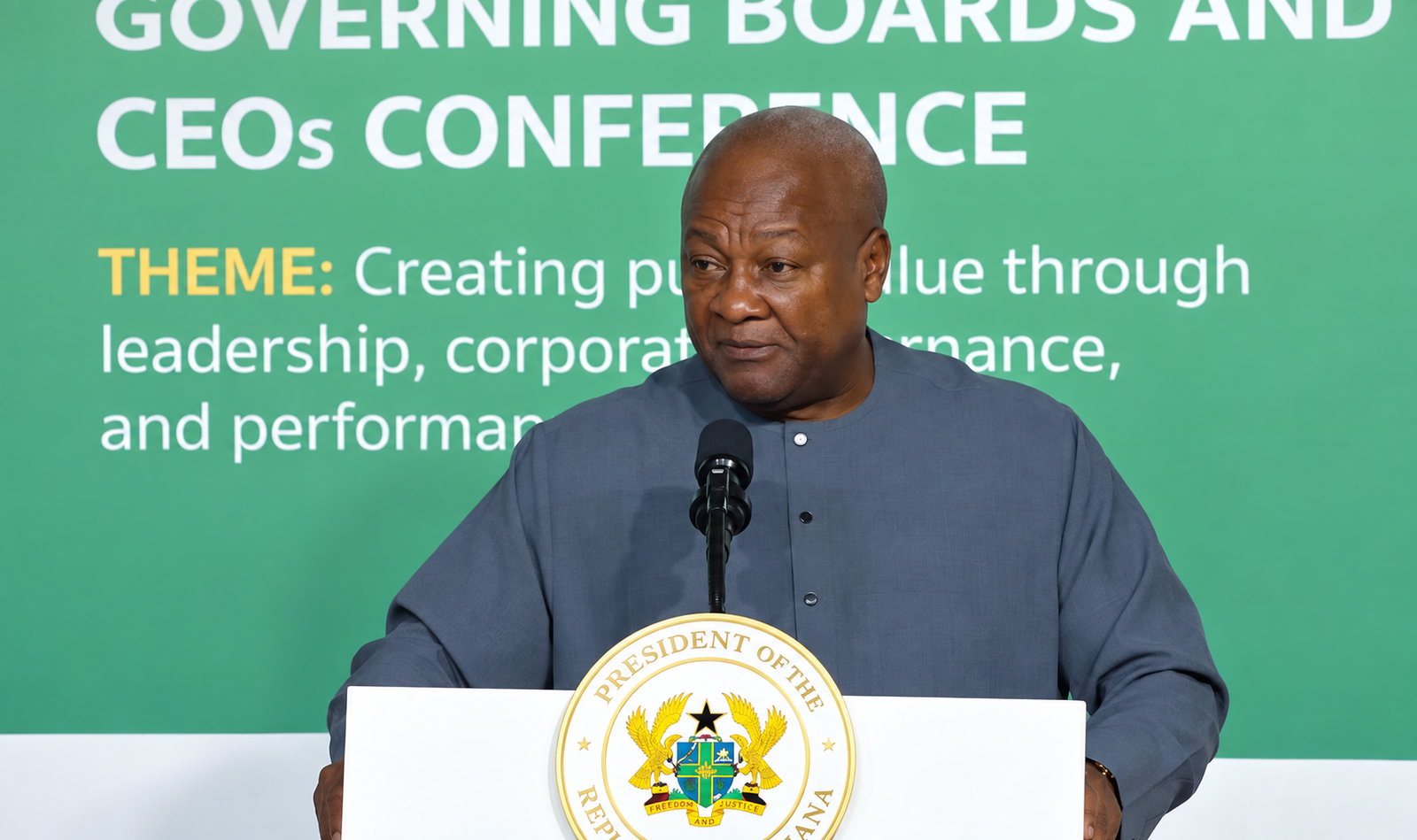
Tema Oil Refinery (TOR) has recorded a remarkable financial turnaround, moving from a net loss of approximately GH¢745 million to a net profit of GH¢1.09 billion.
The development has been highlighted among the significant turnarounds recorded by Ghana’s state-owned enterprises, with President John Dramani Mahama acknowledging the refinery’s improved performance during the SIGA Boards and Chief Executive Officers conference.
The latest figures represent a dramatic shift in TOR’s financial fortunes and mark what has been described as the refinery’s first net profit in almost a decade.
The turnaround is being seen as a significant achievement for an institution that has faced years of financial and operational challenges.
President Mahama, in recognising the performance of TOR and other state-owned enterprises, stressed the need for state institutions to pursue higher standards of performance, stronger governance and greater value creation for the country.
He urged boards and chief executives of state-owned enterprises to build on the progress made and continue delivering results that benefit the Ghanaian taxpayer.
The President’s recognition of TOR’s performance comes as renewed efforts are being made to reposition the refinery as a key player in Ghana’s petroleum industry.
The refinery’s improved financial position is expected to strengthen confidence in its operations and support ongoing efforts to restore its full operational capacity.
By Maurice Otoo
Gold prices moved higher on Thursday as a softer U.S. dollar supported demand for the precious metal, while investors turned their attention to fresh U.S. inflation data that could influence the Federal Reserve’s next interest-rate decision.
Spot gold rose about 0.3% to $4,414.28 an ounce, while U.S. gold futures for December delivery were little changed, slipping around 0.1% to $4,457.20. The modest gains came as the dollar remained under pressure despite elevated U.S. Treasury yields.
Weaker dollar supports gold
Gold is priced in U.S. dollars, meaning a weaker greenback generally makes bullion cheaper for investors holding other currencies. The dollar has recently fallen to multi-month lows, providing an important source of support for gold even as markets reassess the outlook for U.S. interest rates.
The latest move highlights the competing forces currently shaping the gold market. On one side, a weaker dollar and persistent geopolitical uncertainty are encouraging demand for the metal. On the other, rising bond yields and the possibility of tighter monetary policy could limit further gains.
Inflation data takes centre stage
Investors are now waiting for the latest U.S. inflation readings, with the Producer Price Index due Thursday and consumer inflation data scheduled for Friday.
The reports could provide important clues about how Federal Reserve policymakers may approach interest rates at their upcoming meeting. Markets have recently increased expectations of a possible rate hike, with the CME FedWatch tool indicating roughly a 60% probability of an increase this month.
A stronger-than-expected inflation reading could reinforce expectations for higher interest rates, potentially strengthening the dollar and Treasury yields while putting pressure on gold. Conversely, softer inflation could reduce those expectations and provide additional support for bullion.
Oil prices add another layer of uncertainty
The inflation outlook has become more complicated as crude oil prices surge amid escalating tensions in the Middle East.
Brent crude has moved above $100 a barrel, raising concerns that higher energy costs could feed into consumer prices and make it more difficult for central banks to bring inflation under control.
The energy shock is creating a difficult environment for policymakers. Higher oil prices can increase inflation expectations at the same time that geopolitical uncertainty encourages investors to seek traditional safe-haven assets such as gold.
Gold remains supported by broader market risks
Beyond short-term currency and interest-rate movements, gold continues to benefit from broader concerns about fiscal risks, geopolitical instability and central-bank demand.
The World Gold Council reported that gold gained 13% in August, making it the metal’s third-strongest monthly performance in a quarter century. The organisation attributed much of the rally to investment flows, including ETF buying, futures activity and a weaker U.S. dollar.
Central-bank purchases are also providing longer-term support. Recent market reports noted that China’s central bank added around 20 tonnes of gold in August, reinforcing expectations that official-sector demand remains an important factor in the market.
What investors are watching
The immediate direction of gold is likely to depend heavily on the inflation figures and their impact on expectations for Federal Reserve policy.
If inflation proves persistent, higher interest-rate expectations could strengthen the dollar and increase the opportunity cost of holding gold, which does not pay interest. But if price pressures show signs of easing, investors could become more confident that monetary policy will not need to tighten further.
With geopolitical tensions simultaneously driving oil prices higher, gold could remain highly sensitive to developments across both financial and global political markets.
For now, the combination of a weaker dollar, geopolitical uncertainty and expectations surrounding U.S. inflation is keeping gold firmly in focus as investors position for the Federal Reserve’s next policy decision.
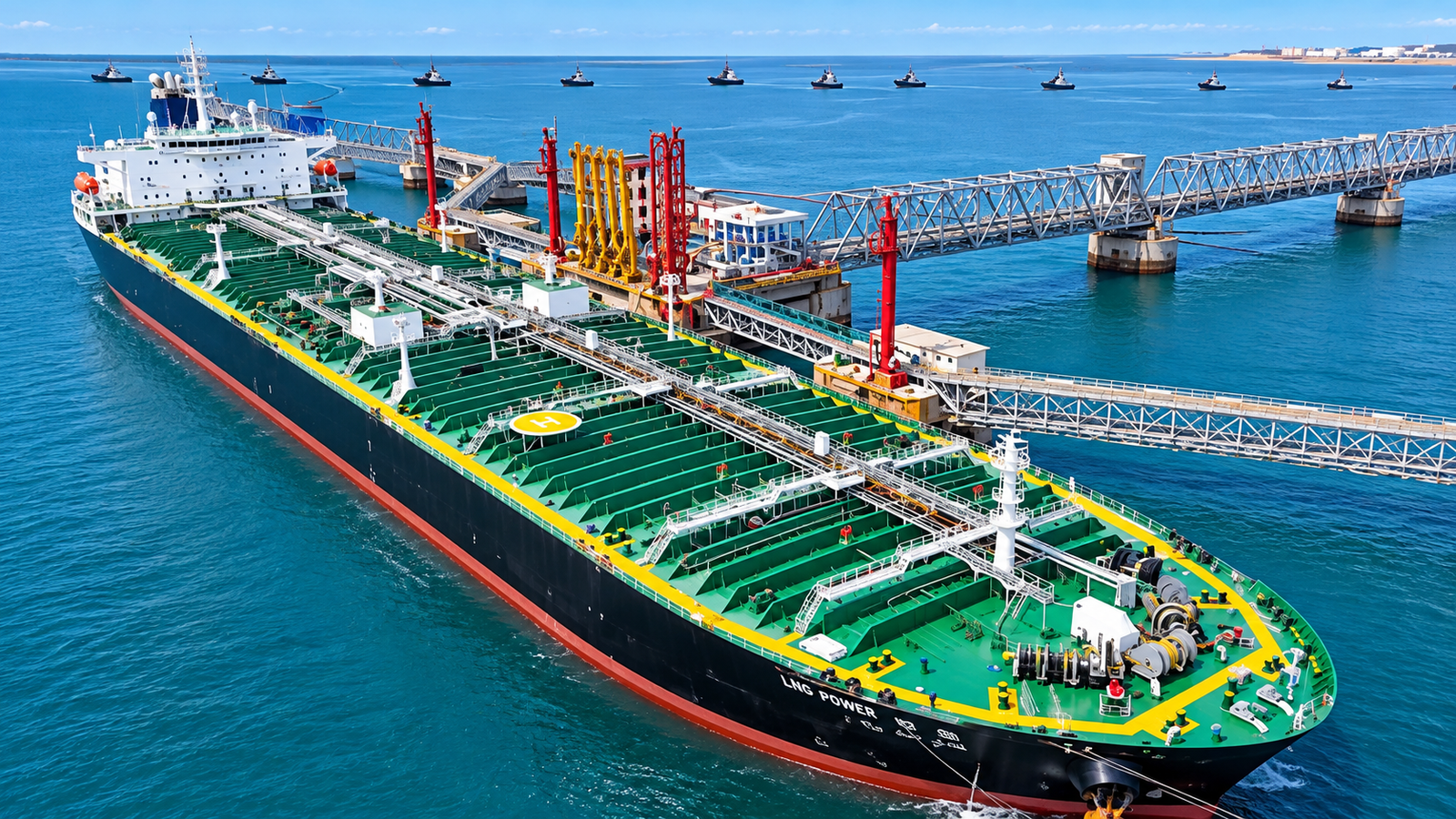
Global oil prices have crossed the $100-a-barrel threshold again as escalating military tensions in the Middle East raise fears of prolonged disruptions to crude supplies and shipping routes.
Brent crude oil has surged above $100 per barrel, marking a significant return to the psychologically important price level as the intensifying conflict in the Middle East threatens key energy infrastructure and transport routes.
Brent futures settled at $101.21 a barrel, while U.S. West Texas Intermediate crude finished at about $96.05, according to market data reported on Wednesday. The move represents the first time Brent has closed above $100 since July and reflects growing concern among traders that disruptions to regional oil flows could last longer than previously expected.
Middle East tensions fuel oil rally
The latest price increase comes amid a sharp escalation in fighting involving the United States and Iran, alongside attacks by Iran-backed Houthi forces on Saudi energy infrastructure.
Recent attacks on Saudi facilities have raised concerns about the security of production and refining operations in one of the world’s most important oil-producing regions. The attacks have added another layer of uncertainty to an already fragile energy market.
At the centre of the market’s concerns is the Strait of Hormuz, a crucial maritime passage for global energy supplies. Oil shipments through the waterway have been severely affected by the conflict, with flows falling below previously normal levels. The disruption has forced traders to reassess the availability of crude and refined fuels worldwide.
Supply risks put further pressure on prices
The latest rally represents a substantial increase from levels seen earlier in the summer. Reuters reported that Brent has risen roughly a quarter since early August, while the benchmark has experienced even larger gains since the conflict began in February.
The market is particularly sensitive to attacks on oil installations and shipping because even temporary disruptions can have an outsized impact on prices when inventories are already under pressure.
Analysts are now watching closely for signs that the conflict could spread further across the Gulf region. A prolonged disruption to production, exports or shipping could push prices considerably higher.
Consumers face renewed inflation pressure
The rise in crude prices is already feeding into fuel markets. Higher oil prices increase the cost of gasoline, diesel, aviation fuel and transportation, creating additional pressure on businesses and households.
In the United States, gasoline prices have climbed to around $4.22 per gallon, while diesel has reached approximately $5.94 per gallon, according to reports. Similar pressures could emerge in other economies if crude prices remain elevated.
Higher energy costs could also complicate efforts by central banks to control inflation. If fuel and transportation expenses remain high for an extended period, businesses may pass increased costs on to consumers through higher prices for goods and services.
What happens next?
Oil traders are now focused on whether the latest escalation represents a temporary shock or the beginning of a longer-lasting supply crisis.
Any signs of diplomatic progress could quickly ease some of the risk premium built into crude prices. However, further attacks on energy facilities or shipping routes could have the opposite effect and send prices higher.
For now, the return of Brent above $100 signals that geopolitical risk has once again become a major force in the global oil market. With the conflict continuing and critical shipping routes under pressure, energy markets are likely to remain highly volatile in the days ahead.

Shatta Wale Urges UPSA Students to Turn Ideas into Sustainable Ventures

King Charles Calls for Stronger AI Safeguards as Technology Race Accelerates

Three Palestinians Killed in Gaza Strikes as Ceasefire Remains Under Strain



-

 Entertainment2 weeks ago
Mahama Is First President to Put GH¢40m Seed Money into Creative Arts Fund: Kojo Preko Dankwa
-

 Culinary2 weeks ago
The Green Heart of Ghanaian Cuisine: Celebrating Nkontomire and the Art of Abom
-

 General News6 days ago
GTA’s Financial Strength Weakens Despite 2025 Tourism Activities
-

 Entertainment2 weeks ago
Government Repatriates Musician Barosky from UK
-

 Entertainment2 weeks ago
Keche Supports Street Vendor with GH¢3,000 After She Struggles to Make Sales
-

 General News6 days ago
GTA Cash Reserves Halve to GH¢640,000 Despite Improved Liquidity Ratio
-

 General News1 week ago
TVET is not for the academically weak – Advocate calls for change in Ghana’s mindset
-

 General News1 week ago
Police Launch Manhunt for Missing Assin Fosu Man as Captors Demand GH¢49,500 Ransom