
Entertainment
From E.T. Mensah to Black Sherif: How Ghanaian Musicians Dominated Different Eras

From the golden age of highlife to the rise of hiplife, dancehall and Afrobeats, Ghanaian musicians have shaped the country’s entertainment industry for generations. Here is a look at the artistes who dominated different periods, the sounds that made them popular and how the industry evolved over the years.
Ghana’s music industry has transformed over the decades, moving from traditional palm-wine music and dance-band highlife to electric guitar-band highlife, hiplife, hip-hop, dancehall, and the contemporary Afrobeats sound.
Each generation has produced musicians whose songs became popular across the country, influenced younger artistes and reflected the social experiences of their time.
While some performers maintained successful careers for decades, others enjoyed brief periods of intense popularity before new musical styles and emerging talents changed the direction of the industry.
The history of Ghanaian popular music can be traced to the early development of highlife, which blended indigenous rhythms with influences from jazz, brass bands, calypso and other musical traditions. Over time, the genre developed into different styles that reached audiences across Ghana and other parts of West Africa. According to Ghana’s Ministry of Tourism, Culture and Creative Arts, highlife evolved through dance-band and guitar-band traditions before later musical movements emerged.
1920s–1940s: The pioneers who laid the foundation
Long before the modern entertainment industry, Ghanaian musicians were developing the sounds that would become central to the country’s musical identity.
One of the early figures was Jacob Sam, also known as Kwame Asare, whose Kumasi Trio recorded “Yaa Amponsah” in London in 1928. The recording is widely recognised as an important milestone in the history of Ghanaian guitar-band highlife.
E.K. Nyame also became a significant figure in the development of guitar-band music. His work helped popularise highlife performed with guitars and other instruments, bringing the genre to audiences beyond urban dance halls.
During this period, highlife gradually developed into a major form of popular entertainment, performed by bands at social gatherings, community events and other occasions.
These pioneers established musical foundations that later generations would expand upon, even as foreign musical influences continued to shape the industry.
1940s–1960s: E.T. Mensah and the golden age of dance-band highlife
One of the most influential musicians of this period was Emmanuel Tettey Mensah, popularly known as E.T. Mensah.
Widely remembered as the King of Highlife, Mensah rose to prominence as the leader of the Tempos Band. The group helped popularise dance-band highlife by combining Ghanaian rhythms with jazz, swing, calypso and other influences.
His music attracted audiences across West Africa, and the band toured internationally. In 1956, Mensah performed with American jazz legend Louis Armstrong during Armstrong’s visit to Ghana.
The period surrounding Ghana’s independence in 1957 also provided an important cultural backdrop for highlife. The genre became associated with social celebrations, national pride, dancing and everyday life.
Other musicians and bandleaders, including King Bruce, Jerry Hansen and Guy Warren, contributed to the development of Ghana’s dance-band tradition.
Their generation established highlife as one of the country’s defining musical exports and created a foundation on which later musicians built their careers.
1950s–1970s: Guitar-band highlife reaches the masses
While dance-band highlife remained influential, guitar-band highlife also attracted a substantial following.
Unlike the larger orchestras associated with dance halls, guitar bands often performed in smaller ensembles and reached audiences through community events, open-air performances and concert parties.
Musicians used their songs to tell stories about relationships, family life, social expectations and the challenges facing ordinary people.
Among the important names associated with Ghana’s guitar-band and highlife traditions were Nana Kwame Ampadu, C.K. Mann, A.B. Crentsil and J.A. Adofo.
Nana Kwame Ampadu became particularly well known through his work with the African Brothers Band. His storytelling approach and extensive repertoire made him one of the prominent figures in Ghanaian highlife.
C.K. Mann developed a distinctive highlife sound, while A.B. Crentsil became known for songs that combined humour, commentary and memorable melodies.
J.A. Adofo also established himself as a major figure in guitar-band highlife, earning recognition for his performances and recordings.
Senior Eddie Donkor, another important name from the era, was associated with the African Brothers Band before establishing his own musical identity with the Asiko Internationals.
Although many of these musicians remain respected among highlife enthusiasts, their catalogues are not always as familiar to younger audiences who grew up with contemporary Afrobeats, rap and dancehall.
1970s–1980s: New highlife sounds and the rise of burger-highlife
The 1970s and 1980s brought further changes to Ghanaian music as electric instruments, international influences and new production techniques reshaped popular sounds.
George Darko became associated with burger-highlife, a style influenced in part by Ghanaian musicians and communities in Germany. The sound introduced a different approach to highlife, incorporating electronic instrumentation and dance-oriented arrangements.
Other prominent musicians from the broader highlife tradition included Amakye Dede, Daddy Lumba, Nana Tuffour, Pat Thomas and Kojo Antwi, whose careers and musical influence extended across different periods.
Amakye Dede became known for his powerful vocals and live performances, while Kojo Antwi developed a distinctive style blending highlife with other popular influences.
Daddy Lumba would later become one of the defining figures in modern Ghanaian highlife, with a career spanning several decades.
The era demonstrated that highlife was not a fixed sound. Musicians continued to adapt it to changing tastes, new instruments and the growing influence of music produced outside Ghana.
1970s–1990s: Gyedu-Blay Ambolley and the foundations of Ghanaian rap
The development of rap in Ghana did not begin with the emergence of hiplife in the 1990s.
Gyedu-Blay Ambolley had already experimented with fast, speech-like vocal delivery in his music. His 1973 recording Simigwa-Do is frequently cited in discussions about the early roots of rap in Ghana.
Ambolley’s approach demonstrated how rhythmic spoken delivery could be incorporated into Ghanaian musical traditions.
During the late 1980s and early 1990s, hip-hop influences increasingly reached Ghanaian audiences, particularly in urban areas. Young musicians began experimenting with rap, local languages and beats inspired by international hip-hop.
This experimentation helped prepare the ground for the arrival of hiplife, which would become one of Ghana’s most influential musical movements.
1990s–2000s: Reggie Rockstone introduces a new musical movement
The emergence of hiplife marked a major turning point in Ghanaian popular music.
Reggie Rockstone became one of the leading pioneers of the genre, combining hip-hop with Ghanaian highlife influences and rapping in Twi and English.
His 1997 album Makaa Maka helped establish a template for the emerging sound, while songs such as Tsooboi became associated with his influence on the movement.
Hiplife offered young musicians a way to combine international hip-hop culture with Ghanaian language, humour, identity and local musical traditions.
The movement grew rapidly during the late 1990s and early 2000s, attracting a generation of artistes who helped bring rap into mainstream Ghanaian entertainment.
Tic Tac, Akyeame, Ex-Doe, Buk Bak and Talking Drum were among the names associated with the wider development of Ghanaian rap and hiplife.
The new sound also changed how young people engaged with music, with artistes increasingly becoming public figures through radio interviews, television appearances, concerts and music videos.
1999–2005: Obrafour, Lord Kenya and the golden age of hiplife
The early 2000s became an important period for hiplife, with several artistes developing distinct identities and attracting large audiences.
Obrafour emerged as one of the genre’s most respected lyricists. His album Pae Mu Ka, released in 1999, became a landmark recording, strengthening the position of storytelling and thoughtful lyricism in Ghanaian rap.
Lord Kenya also enjoyed significant popularity, becoming known for his energetic delivery and hit records.
Other artistes, including Kontihene, Obour, Sydney, Mzbel and Ofori Amponsah, contributed to the diversity of the period’s music scene.
While some musicians focused on rap, others blended hiplife with highlife, dance music and contemporary pop.
The era helped establish the modern Ghanaian artiste as more than a recording performer. Musicians increasingly became celebrities whose fashion, public statements, collaborations and rivalries attracted attention beyond their songs.
2003–2010: Samini, Kwaw Kese and the expansion of mainstream music
As hiplife continued to evolve, reggae and dancehall became increasingly visible in Ghana’s popular music scene.
Samini rose to prominence with a style that incorporated reggae and dancehall influences. Before adopting the name Samini, he was known as Batman.
Shatta Wale, then performing as Bandana, also attracted attention during the early 2000s, particularly through Moko Hoo. His later return to the mainstream under the Shatta Wale identity would become an important chapter in Ghanaian dancehall.
Kwaw Kese developed a reputation for his distinctive delivery and contribution to the hiplife scene, while other artistes continued to experiment with different sounds.
At the same time, Ofori Amponsah maintained a strong presence in highlife, demonstrating that traditional melodic styles could continue to attract audiences alongside rap and dancehall.
This period was characterised by the coexistence of different genres rather than the dominance of one musical style.
2009–2013: Sarkodie and a new generation of Ghanaian rap
The late 2000s and early 2010s ushered in another generation of musicians who helped modernise Ghanaian rap and expand its reach.
Sarkodie emerged as one of the country’s leading rappers, gaining recognition for his rapid delivery, use of Twi and ability to combine local themes with contemporary hip-hop production.
R2Bees also became a major force, blending rap, melody and popular dance sounds. Their success helped reinforce the commercial appeal of collaborations between rappers and singers.
Other artistes, including Guru, E.L., D-Black, Edem and M.anifest, contributed to the changing rap landscape.
The period also saw greater attention to music videos, online distribution, digital promotion and international collaborations.
Ghanaian artistes increasingly sought recognition beyond the domestic market, while award ceremonies and music festivals provided additional platforms for their work.
2013–2017: Shatta Wale and Stonebwoy take dancehall to the forefront
Ghanaian dancehall gained considerable mainstream attention during the 2010s, particularly through Shatta Wale and Stonebwoy.
Shatta Wale built a strong following through frequent releases, energetic performances and a highly visible public persona.
Stonebwoy also established himself as a leading dancehall and reggae artiste, drawing on influences from Ghanaian and Jamaican music.
Their rivalry became a major talking point in entertainment coverage, while their respective fan bases helped turn dancehall into one of the most discussed genres in the country.
The period also provided opportunities for female artistes, including MzVee, Kaakie and others, to gain recognition in a competitive industry.
Although dancehall was not new to Ghana, the prominence of these musicians helped place it firmly at the centre of mainstream music conversations.
2017–2020: Ebony Reigns and a new wave of female stars
Ebony Reigns emerged as one of the most talked-about musicians of the late 2010s.
Born Priscilla Opoku-Kwarteng, Ebony became widely recognised through songs such as Poison, Kupe, Sponsor and Maame Hwɛ.
Her bold image, distinctive sound and rapid rise made her a major figure in Ghanaian popular music.
Her death in a road crash on February 8, 2018, cut short her career at a time when she was one of the country’s leading young artistes. She was posthumously named Artiste of the Year at the 2018 Vodafone Ghana Music Awards.
The period also saw the rise of musicians such as Kuami Eugene, KiDi, Wendy Shay and King Promise, whose music drew from highlife, Afrobeats and contemporary pop.
Their success reflected the growing influence of digital platforms and a younger audience seeking music that could travel easily between radio, streaming services, social media and live events.
2021–2023: Black Sherif and the streaming generation
The early 2020s brought another major shift, with streaming platforms and social media helping Ghanaian artistes reach audiences beyond the traditional music market.
Black Sherif became one of the most prominent representatives of this generation. His music, including Second Sermon and Kwaku the Traveller, attracted widespread attention and helped introduce his distinctive blend of rap, melodic delivery and emotionally charged storytelling to a broader audience.
The international music industry also paid greater attention to Ghanaian hiplife and its newer developments. In August 2024, the Recording Academy published a feature examining ten important Ghanaian hiplife artistes, identifying the genre’s development as a significant part of Ghana’s contribution to African music.
Gyakie, Camidoh, Lasmid and other artistes also gained recognition during the wider streaming era, while established performers continued to release music and collaborate with younger acts.
The period illustrated how songs could gain momentum through online sharing and streaming, sometimes reaching listeners outside Ghana before achieving the same level of familiarity among domestic audiences.
2024–2026: Established stars meet emerging talent
Ghana’s contemporary music industry continues to draw from highlife, hiplife, hip-hop, dancehall and Afrobeats.
Established names such as Sarkodie, Stonebwoy, Shatta Wale and King Promise remain part of the country’s broader musical landscape, while newer acts continue to seek attention through singles, collaborations, online promotion and live performances.
Unlike earlier generations, today’s musicians operate in an environment where streaming numbers, social media engagement, international collaborations and online trends can influence the visibility of a song.
However, a song becoming popular online does not always translate into a long-lasting career. The challenge for emerging artistes is to turn momentary attention into a lasting catalogue, a loyal audience and sustained commercial success.
The current period is therefore still developing, and the artistes who will ultimately define the 2020s may become clearer as their careers progress.
The evolution of Ghanaian music has created a large catalogue of artistes whose work once dominated radio, dance floors and live performances but is less familiar to younger audiences.
Some musicians remain respected among older listeners but receive limited mainstream coverage. Others are remembered for one or two major hits, even though they released extensive catalogues.
Changes in music distribution have also affected how older recordings reach new audiences. Songs that once circulated through vinyl records, cassettes and radio broadcasts now compete for attention on streaming services and social media platforms.
For this reason, documenting the lives and careers of earlier musicians is important to preserving Ghana’s musical heritage.
Their stories can explain how highlife developed, how hiplife changed the direction of popular music and how contemporary artistes inherited and transformed sounds created by earlier generations.
From E.T. Mensah and Nana Kwame Ampadu to Reggie Rockstone, Sarkodie, Shatta Wale, Stonebwoy, Ebony Reigns and Black Sherif, each generation has contributed to the changing sound of Ghanaian music.
The history is not simply a list of artistes who were once popular. It is a record of how Ghanaian musicians have adapted to changing audiences, technologies and cultural influences while continuing to shape the country’s identity through music.


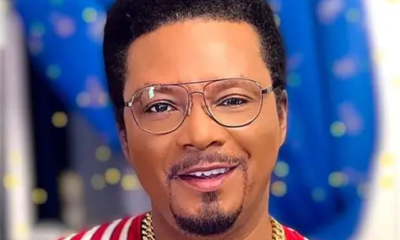







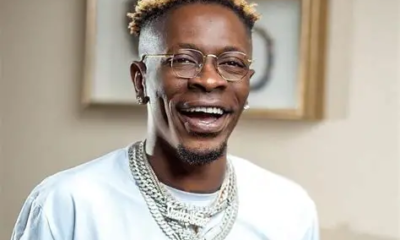

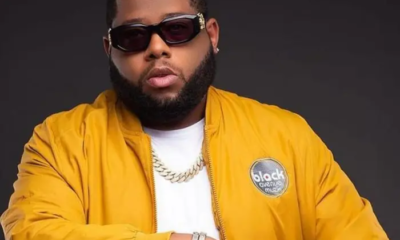

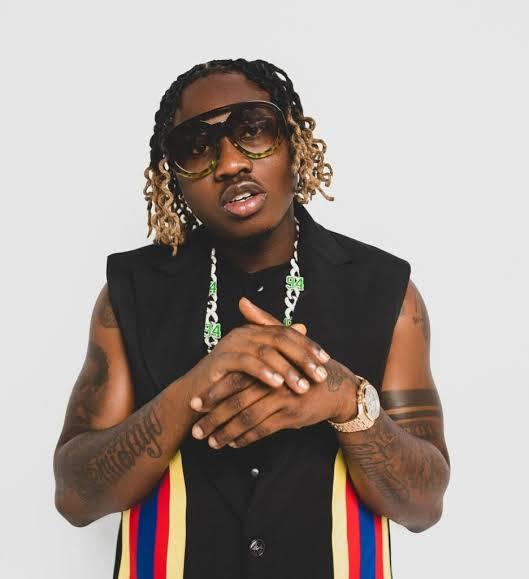
Nigerian rapper Zlatan Ibile has announced October 24, 2026, as the date for his wedding to his longtime partner, Davita Lamai, sharing the news with fans through a “Save the Date” announcement.
The announcement has generated excitement among followers of the musician, who is preparing to take his relationship with Lamai to the next level after years together.
The couple shared a wedding announcement video on social media, with one of their children reportedly providing the voiceover, adding a family touch to the announcement.
The wedding is expected to take place under the hashtag #DTTheUnion, although further details about the venue, guest list and ceremony arrangements have not been confirmed in the available reports.
Zlatan, whose real name is Omoniyi Temidayo Raphael, is one of Nigeria’s prominent street-pop artistes. He rose to widespread recognition with songs such as Zanku (Leg Work) and Bolanle, while his energetic performances and association with the Zanku dance movement helped establish his place in the Nigerian music scene.
Beyond his music career, the rapper’s relationship with Lamai has attracted public interest. The couple have two sons and have generally kept much of their family life away from the public spotlight.
The wedding announcement marks a significant moment for the pair, who have built a family together while Zlatan continues to pursue his music career through new releases, collaborations and live performances.
The announcement has also prompted conversations among fans about the rapper’s personal life, with many expected to follow updates as the ceremony approaches.
While October 24 has been announced as the wedding date, additional information about the celebration will depend on further updates from the couple.

Ghanaian musician Sista Afia has apologised to dancehall artiste Stonebwoy following criticism on social media over a humorous video in which she publicly appealed to him for a musical collaboration.
The singer addressed the controversy in a post on X, explaining that she had no intention of disrespecting Stonebwoy, his management team or anyone associated with the award-winning musician.
According to Sista Afia, although her approach may have been interpreted differently by some people, her intention was simply to express her interest in working with the dancehall star.
“If my approach made Stonebwoy, his team, or anyone feel disrespected, I sincerely apologise. That was never my intention, and I would never intentionally disrespect someone I have so much admiration for,” she wrote.
Sista Afia further urged social media users not to misrepresent the situation or turn what she described as a simple request for a collaboration into a controversy over disrespect.
She insisted that there was no personal disagreement, hidden agenda or attempt to take a swipe at Stonebwoy, stressing that the video was merely a lighthearted expression of her desire to make music with him.
“Let’s not turn a simple request for a collaboration into a narrative of disrespect. There was no bad blood, no shade, and no hidden agenda. Just an artist expressing interest in making music with another artist,” she added.
The apology follows a wave of reactions from social media users after the video circulated online. While Sista Afia appeared to be making the request in a humorous manner, some viewers criticised her approach, arguing that it could be perceived as disrespectful towards Stonebwoy.
The incident subsequently sparked discussions online, prompting the singer to clarify her intentions and address the criticism surrounding the video.
In her response, Sista Afia reaffirmed her admiration for Stonebwoy and maintained that her interest in collaborating with him should not be interpreted as an attempt to provoke controversy.
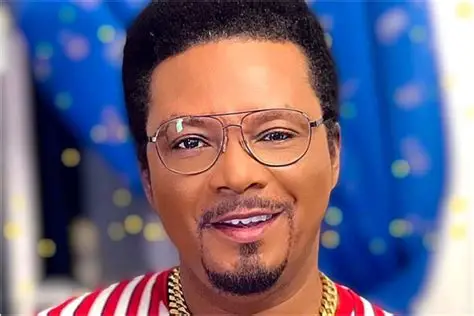
Veteran Ghanaian musician and dancer Slim Buster has criticised some contemporary musicians for what he describes as selfishness and a lack of respect for veteran artistes who contributed to the growth of Ghana’s music industry.
Speaking on Adom TV, Slim Buster recounted an unpleasant experience involving an attempt to arrange a musical collaboration with a contemporary artiste, saying the response he received left him disappointed.
He argued that younger musicians should not look down on veteran artistes, whom he considers influential figures who helped shape the industry before the current generation rose to prominence.
“The current musicians are selfish. They are all selfish, and I am telling you the gospel truth. Why should I be scared of them? They are my kids,” he said.
Slim Buster explained that he had once asked someone to approach a musician on his behalf to explore the possibility of working together. However, he claimed the response was so disturbing that it would shock anyone who heard what was said.
He further cited an alleged incident involving veteran musician Nana Kwame, who reportedly sought a collaboration with a younger artiste during a visit to Ghana.
According to Slim Buster, the younger musician dismissed the proposed collaboration, allegedly arguing that Nana Kwame’s career was over and that he wanted to use the partnership to revive his popularity.
“Nana Kwame came to Ghana and wanted to collaborate with one of the current musicians, but the musician said Nana Kwame’s career was over and that he was trying to use him to revive it,” he recounted.
Slim Buster expressed disappointment over the alleged treatment of veteran musicians, insisting that their contributions to Ghana’s music industry should not be disregarded simply because they are no longer enjoying the same level of mainstream attention.
His comments have brought renewed attention to the relationship between established musicians and younger artistes, particularly the willingness of contemporary performers to collaborate with industry veterans.
https://www.tiktok.com/@adom_tv/video/7695156828098825478?is_from_webapp=1&sender_device=pc&web_id=7670143927660316176
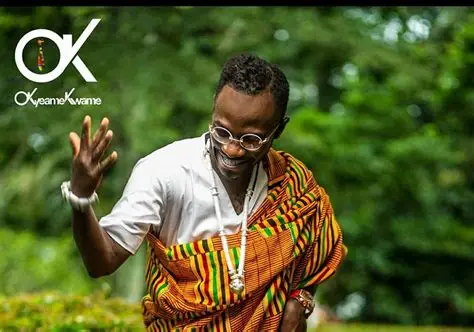
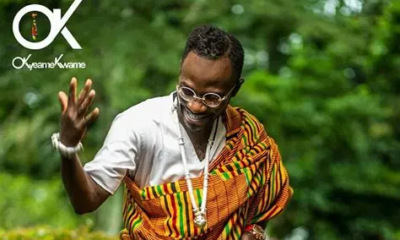
Ghanaian rapper Okyeame Kwame has disclosed that two dreams he had about singer Jah Lead played a key role in bringing them together for their musical collaboration, Big Up.
The rapper said the dreams occurred twice within the same week, an experience that caught his attention because he does not usually place much importance on dreams.
Speaking in an interview on Hitz FM, Okyeame Kwame explained that he dreamt about collaborating with Jah Lead on a Monday and had a similar dream again on Wednesday. The repeated experience prompted him to ask for the singer’s contact details.
Although he did not receive the number immediately, an unexpected meeting at a basketball event at the University of Ghana eventually created the opportunity for them to connect.
According to Okyeame Kwame, Jah Lead was among the performers at the event. Impressed by the singer’s performance, he approached him afterwards, introduced himself as a fan and commended him for his vocal abilities.
The encounter further convinced him that Jah Lead was the right person to feature on the song he had been planning.
Okyeame Kwame disclosed that he already had a track titled Big Up but wanted Jah Lead to contribute to the chorus alongside Rengen. Rather than dictate how the singer should perform, he intended to give him the freedom to bring his own ideas and creativity to that section of the song.
He explained that allowing Jah Lead to play a leading role in shaping the chorus was an important part of his vision for the collaboration.
The rapper admitted that he rarely remembers his dreams or considers them significant. However, the fact that he dreamt about working with Jah Lead twice in a few days, followed by their unexpected meeting at the university event, made the experience particularly memorable.
The series of events ultimately paved the way for the collaboration on Big Up.
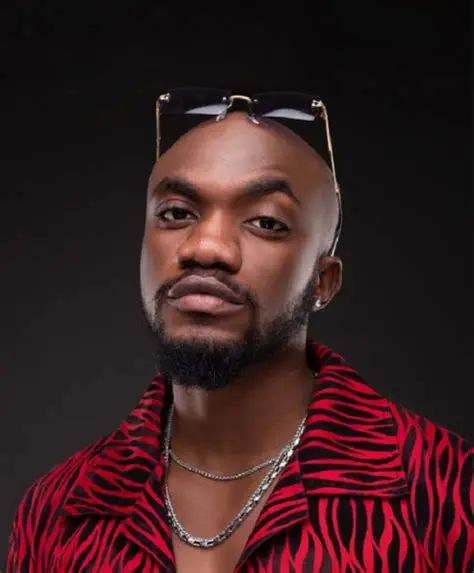
Ghanaian musician Mr. Drew has engaged in a heated exchange with an online user during an X Space, accusing the individual of being disrespectful and insisting that he deserves to be addressed with respect.
In a video circulating online on October 12, 2026, the musician expressed displeasure with the user’s manner of speaking to him, arguing that his age and financial standing should command a certain level of respect.
Mr. Drew insisted that he was older and financially better off than the individual, stressing that the user should be mindful of how he addressed him.
“I am not your mate. A lot of people think I am their mate, but I am not your mate. A lot of the boys think they are my age mates. When it comes to money and age, I am not your mate, and you need to put that in your head,” he said.
However, the online user challenged the musician’s remarks, arguing that Mr Drew was not an A-list artiste and therefore had no grounds to dictate how he should be addressed.
“Let me talk. You are not even an A-list artiste for you to say you are not my mate. Block me,” the user responded.
The disagreement escalated as Mr. Drew threatened to remove the individual from the X Space, describing him as foolish and questioning why some people chose to behave disrespectfully towards him.
“I am going to block you. Look at this small, foolish boy. Some of you are fools? Who do you think you are dealing with?” he added.

Police Arrest Suspect Captured in Viral Video Assaulting Woman

87-Year-Old Man Jailed 20 Years for Defiling Nine-Year-Old Girl

Zlatan Announces October 24 Wedding with Longtime Partner

IRAWMA 2025: Shatta Wale Wins 3 Major Awards Including Best Music Video

Samini Secures Promotional Deal with Audiomack for Upcoming Album “THE ORIGIN8A”

AirtelTigo losing GH₵20m monthly; total debts exceed $200million – Sam George


-

 Politics2 weeks ago
Asiedu Nketiah to Chair Launch of Six NDC Historiographies on Ghana’s Political Journey
-

 General News6 days ago
World Cup Visa Storm: Kojo’s GTA Questions Resurface as Minority Demands Action
-

 General News2 weeks ago
Can TVET Teachers Join the September GES Strike? Legal Questions Emerge
-
 Sports2 weeks ago
“I Leave With Respect, Gratitude and Pride” – Carlos Queiroz Bids Farewell to Ghana
-

 General News1 week ago
SSNIT Unveils Big Plans to Transform Labadi, La Palm Beachfront into Tourism Hub
-
 General News2 weeks ago
NEIP to Support 10,000 Young Entrepreneurs Annually Under Adwumawura Programme
-

 Sports2 weeks ago
Real Madrid Send Major Dossier to UEFA Over Barcelona Payments Case
-
 Entertainment2 weeks ago
Rick Ross Arrested in Miami Beach on Domestic Violence-Related Charges