
Education
Fuel Price Relief Means No Justification for Fare Hikes – Energy Security Expert

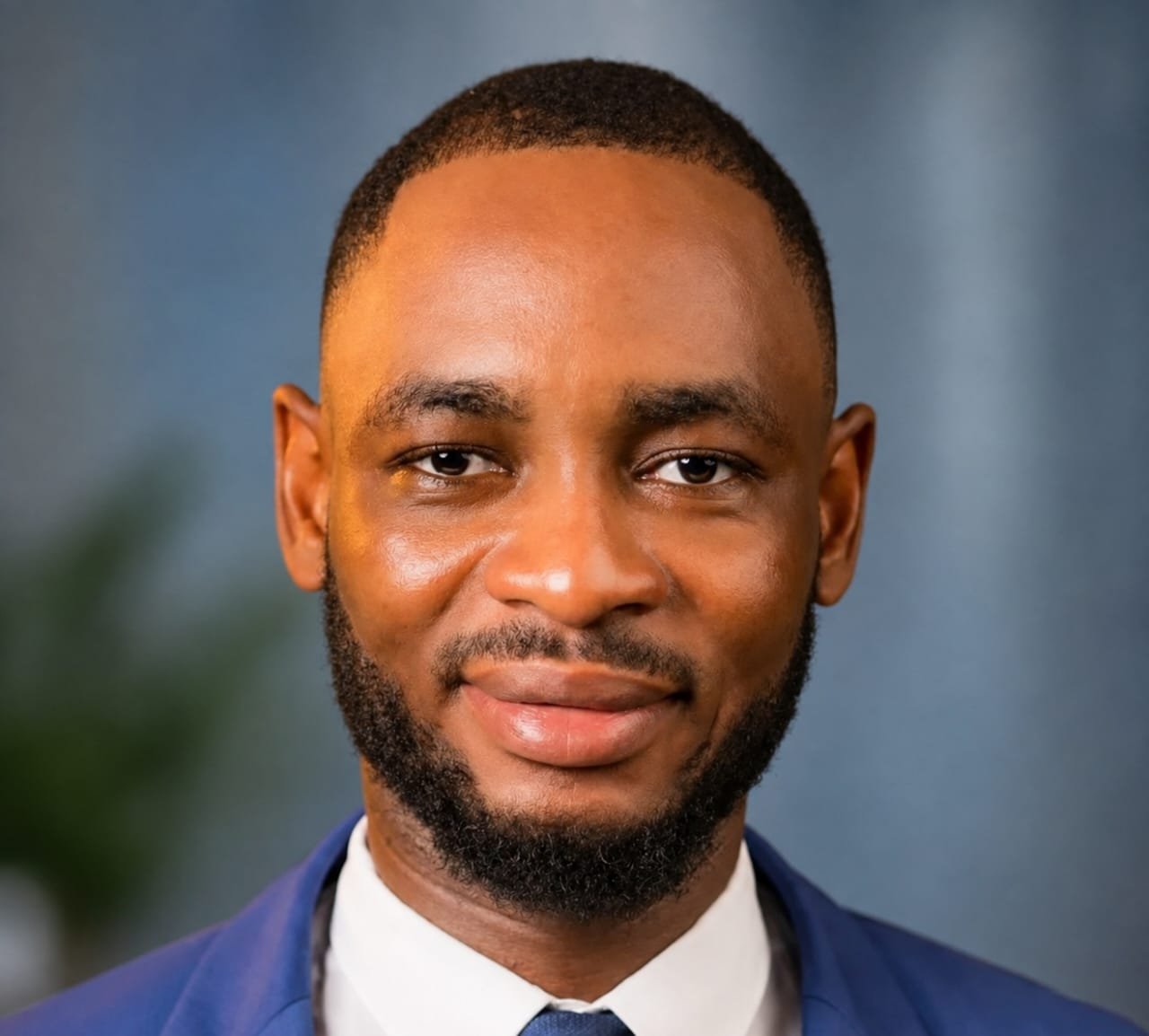
Energy security expert Prince Lumor has welcomed government’s latest fuel price adjustment, describing it as a timely intervention that offers much-needed relief to consumers while removing any basis for transport fare increases.
Speaking to Kojo Preko Dankwa on Kessben Maakye show in Accra, he explained that the government’s decision to abolish the GH¢2 levy and reduce the price of diesel demonstrates that authorities are responding to public concerns over the rising cost of living.
He argued that with fuel prices now reduced, transport operators who had earlier threatened to increase fares no longer have any justification to do so.
“With the current intervention, there is no justification for anyone to increase transport fares,” he stressed.
Prince Lumor, however, cautioned that government cannot sustain fuel price interventions indefinitely through budgetary support alone, warning that such an approach could worsen the country’s debt burden.
He called for urgent reforms within the energy sector, particularly the settlement of outstanding debts owed to Independent Power Producers (IPPs), to ensure long-term stability.
He further explained that the Energy Sector Levies (Amendment) Act, commonly referred to as the “Esla levy,” was introduced to guarantee a constant fuel supply and help clear legacy debts in the petroleum sector.
Describing the removal of the GH¢2 levy on diesel as a significant consumer protection measure, Prince Lumor said the move is expected to ease pressure on households and businesses while supporting broader economic recovery.

By Angel No Lie | KPD Online | 17 September 2026
Scientists develop part-human, part-mouse brain model
Scientists at Stanford University have created genetically engineered mice containing a large amount of lab-grown human brain tissue, in a breakthrough that could provide a new way to study neurological and psychiatric disorders.
The research, published in Nature on 16 September 2026, involves transplanting human cortical organoids—three-dimensional clusters of brain cells grown from human stem cells—into mice whose developing brains had been genetically altered so that much of the cerebral cortex and hippocampus would not form.
The resulting animals are known as xenocortical mice.
Despite headlines describing them as having “half-human brains,” the science is more specific: the animals remain mice, but much of the tissue occupying the space normally taken by the mouse cortex is derived from human cells. STAT notes that the “half-human” description refers to the brain tissue’s volume rather than meaning that half of the mouse’s neurons are human.

Researchers Develop Method to Study Brain Connectivity, Functionality – National Institute of Mental Health (NIMH)
How the experiment worked
The Stanford researchers began with human stem cells and guided them into becoming cortical organoids—miniature, developing pieces of human brain tissue.
The scientists then used genetic engineering to prevent particular precursor cells in newborn mice from developing the neocortex and hippocampus. This created physical space in the animals’ brains for the human-derived tissue.
The human organoids were transplanted into the mice while the animals were still very young.
Over the following months, the human tissue expanded substantially and developed different types of human cortical neurons.
According to the Nature study, the human-derived tissue occupied most of the available cortical space and produced a diversity of human cortical cell types, including layer-5 projection neurons.

Human neurons connected to the mouse nervous system
One of the most important findings was that the human cells did not simply remain as an isolated lump of tissue.
Researchers found evidence that human cortical neurons established connections with the mouse nervous system. Human neuronal projections extended through the animal’s brain and, in some cases, as far as the spinal cord.
Electrical recordings also showed organized activity within the human-derived tissue.
The researchers therefore describe the model as potentially useful for studying human neural circuits in a living organism rather than only inside a laboratory dish.
![Border between a transplanted human brain organoid and mouse brain [IMAGE] | EurekAlert! Science News Releases](https://images.openai.com/static-rsc-4/Tq428x7_bMg03HjXaW7fg-OpR7PlkKOTWPWHX-QtDgHYBjnj8FE1SMS3laLVNY3J4FQZevT83J5_DiqoKrcEY6FnQkJRuebjnyMH4UYcbdjfiKY6-2EZLDchLbf5MEITOF6iQbZkwAqpzDqOxFQt5Q4Ma3sjyKQg0Prtar8PKJQ?purpose=inline)
Border between a transplanted human brain organoid and mouse brain [IMAGE] | EurekAlert! Science News Releases
But the human tissue was not a normal human cortex
An important qualification is that the transplanted tissue did not develop into a completely normal human cerebral cortex.
The Nature paper reports that the graft lacked several features of mature cortical circuitry, including complete areal patterning, a well-defined cortical layer structure and a mature balance of excitatory and inhibitory neurons.
This means the experiment should not be interpreted as scientists having created a mouse with a fully functioning human brain.
Researchers Develop Method to Study Brain Connectivity, Functionality – National Institute of Mental Health (NIMH)
Did the mice start behaving like humans?
No evidence suggests that they did.
The animals remained mice, and researchers carried out behavioral tests to examine whether the human tissue altered their capabilities.
The study found differences in movement and spontaneous behavior between normal mice, mice without the normal cortex and the xenocortical animals. In some tests, the animals containing human tissue performed between the other two groups.
Researchers did not report human-like intelligence, language, human consciousness or human-style cognition.
Science News reported that experts evaluating the work emphasized that the key ethical question is not simply how much human tissue an animal contains, but what capabilities that tissue gives the animal. The researchers found no obvious evidence that the mice had acquired extraordinary cognitive abilities.
Why scientists carried out the experiment
Studying the human brain presents an enormous scientific challenge.
Researchers cannot normally observe human brain development from its earliest stages or experimentally manipulate human brain tissue in the way they can with laboratory animals.
Brain organoids provide one alternative. They allow scientists to grow human neural tissue from stem cells, but organoids grown in laboratory dishes have significant limitations.
They lack the complete environment of a living brain—including blood supply, long-distance neural connections and interactions with other organs and brain regions.
The Stanford approach attempts to overcome some of those limitations by putting human neural tissue inside a living animal.

Organoides cerebrales humanos responden a estímulos visuales al trasplantarlos en ratas
Potential medical applications
The researchers believe the model could eventually help scientists investigate conditions including:
- autism and other neurodevelopmental disorders
- epilepsy
- schizophrenia
- cerebral palsy
- intellectual disabilities
- neurodegenerative diseases
- rare disorders affecting human brain development
The advantage is that researchers can potentially observe human neurons developing and responding to physiological conditions inside a living organism.
The study also demonstrated the possibility of using the animals to examine how human neural tissue responds to injury.
A striking finding about oxygen deprivation
The research also provided evidence that human neurons inside the mice responded differently to a shortage of oxygen than the surrounding mouse tissue.
This matters because oxygen deprivation is involved in several neurological injuries and diseases.
The ability to examine human-derived neurons under such conditions in a living organism could eventually help researchers investigate why certain human brain cells are particularly vulnerable to injury.
The ethical questions
The experiment has also revived difficult questions about how far scientists should go when combining human cells with animals.
The central concern is whether increasingly sophisticated human neural tissue could eventually alter an animal’s cognitive abilities, perception or capacity to experience suffering.
The researchers anticipated these concerns.
According to the Nature paper, the project underwent review by Stanford’s stem-cell oversight committee and animal-care committee, with additional consultation involving bioethicists and an independent ethics committee. The researchers also conducted behavioral and cognitive testing to look for altered capabilities.
The authors themselves say that future experiments involving more mature human neural tissue will require continued ethical oversight.
They specifically identify questions surrounding more advanced cortical organization, mature neural networks and possible changes in animal capabilities.
What makes this experiment different?
Human brain organoids have previously been transplanted into rodents.
For example, earlier work from Stanford researchers demonstrated that human cortical organoids could integrate into developing rat brains and form functional connections.
The 2026 experiment goes substantially further.
Instead of placing a relatively small human graft alongside an intact rodent cortex, researchers removed the developmental competition for space by preventing much of the mouse cortex from forming in the first place.
This allowed the human-derived tissue to expand into most of the available cortical region. Nature describes this as a way of overcoming one of the major limitations of previous transplantation experiments.

(PDF) Maturation and circuit integration of transplanted human cortical organoids
What scientists have — and have not — created
| Claim | What the evidence shows |
|---|---|
| A mouse containing human brain tissue | Yes |
| Human neurons integrated with mouse neural circuits | Yes |
| Human tissue occupied much of the available cortex | Yes |
| Human neurons sent projections toward the spinal cord | Yes |
| Human-like consciousness demonstrated | No |
| A mouse with a completely human brain | No |
| Human intelligence demonstrated | No |
| Fully mature human cerebral cortex created inside a mouse | No |
The distinction is important because the phrase “part-human, part-mouse brain” can make the achievement sound more science-fiction-like than the underlying experiment actually is.
What happens next?
The researchers see the xenocortical mouse as a research platform rather than a finished model of the human brain.
Future work will need to determine how closely the human tissue reproduces normal human cortical development, how reliably the model reproduces human neurological diseases and whether treatments tested on the human-derived neurons accurately predict what happens in people.
The ethical questions will also become more important if researchers succeed in producing increasingly mature and organized human neural networks inside animals. The Nature authors explicitly call for continued collaboration among scientists, ethicists, patient representatives and regulators as the technology develops.

Scientists Discover Neural Basis of Schizophrenia and Bipolar Disorder
Independent assessment
The breakthrough is significant because it addresses a longstanding problem in neuroscience: how to study human brain cells in a living system without experimenting directly on human brains.
However, the findings should not be interpreted as evidence that scientists have created an animal with a human mind. The experiment produced a mouse whose developing cortex contains a large amount of human-derived neural tissue that can form connections with the mouse nervous system.
The technology could eventually improve research into diseases that are difficult to reproduce using conventional mice. At the same time, the more human-like these experimental brains become, the more carefully researchers will need to assess animal welfare and cognitive consequences.
For now, the study represents an important step in human brain modeling, rather than the creation of a human-animal hybrid in the science-fiction sense.
Primary scientific source: Kaganovsky et al., Nature, “Developmental xenocortication using human-derived organoids in mice,” published 16 September 2026.
Additional reporting: Stanford Medicine, Nature, Reuters and Science News.

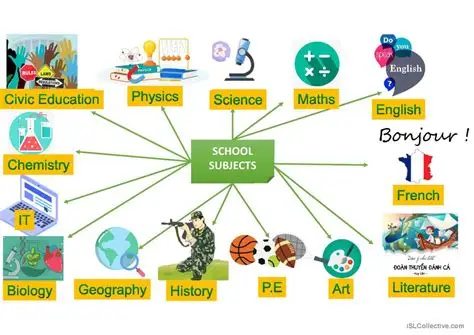
Subject choice in schools is an important issue in education because students have different interests, talents, learning abilities, and career ambitions. Yet in many schools, students have limited control over the subjects they study.
Some people believe students should be given more freedom to choose subjects that match their interests and future career plans. Others argue that schools must require students to study a broad range of subjects to ensure they receive a well-rounded education.
This raises the question: Should students be allowed to choose more of their subjects?
Why Subject Choice Matters
Every student is different.
One student may enjoy science and mathematics, while another may have a strong interest in languages, business, agriculture, technology, music, art, or social studies.
Allowing students to have more choices could give them an opportunity to spend more time developing areas where they are interested and talented.
When students enjoy what they are learning, they may also become more motivated to participate actively in class.
Students Have Different Talents
Academic ability is not the same for every student.
Some students may perform exceptionally well in analytical subjects, while others may be more creative or practical.
A student who struggles with one subject may be highly talented in another area.
Giving students more subject options could help schools recognise different forms of ability instead of measuring students mainly through a narrow group of compulsory subjects.
Could More Choice Improve Motivation?
Students may be more interested in their education when they feel they have some control over what they study.
For example, a student who wants to become a journalist may be particularly interested in English, communication, history, social studies, or media-related subjects.
Another student interested in engineering may prefer mathematics, physics, technology, and technical subjects.
When students understand how their subjects connect to their future interests, they may take their studies more seriously.
Preparing Students for Careers
Subject choices can influence future educational and career opportunities.
Students who already have an idea of the career they want may benefit from choosing subjects that provide a foundation for that field.
However, students should not be expected to know exactly what career they want at a very young age.
Schools should therefore provide career guidance before students make important choices.
The Risk of Choosing Too Early
Giving students more freedom also comes with challenges.
Children and teenagers may not always know what they want to do in the future. A student may choose a subject simply because friends are taking it or because they believe it will be easy.
Interests can also change.
A student who wants to become a doctor at age 14 may develop an interest in technology or business later.
For this reason, schools need to provide guidance and flexibility rather than simply allowing students to choose subjects without support.
Should Some Subjects Remain Compulsory?
Even if students are given greater freedom, some subjects may still need to remain compulsory.
Basic literacy, numeracy, communication, critical thinking, and general knowledge are useful regardless of a student’s future career.
For example, a student who wants to become a fashion designer still needs communication and basic mathematics. A future entrepreneur needs language, mathematics, and business knowledge.
The goal should therefore be to find a balance between compulsory foundational subjects and greater freedom of choice.
More Choices Could Encourage Creativity
Students who are allowed to explore different areas may discover talents that traditional classroom structures sometimes overlook.
Subjects such as art, music, agriculture, design, coding, drama, technology, and vocational skills can give students opportunities to create rather than simply memorise information.
This could encourage innovation and independent thinking.
What About Students Who Change Their Minds?
Schools could provide opportunities for students to change some of their subject choices within reasonable limits.
If a student discovers that a selected subject does not match their interests, there could be a structured process for switching to another option.
This would prevent one early decision from determining a student’s entire educational path.
The Role of Career Guidance
Career guidance would become even more important if students were allowed to choose more subjects.
Counsellors and teachers could help students understand:
- Their strengths and weaknesses
- Their interests and abilities
- The subjects required for different careers
- Further education opportunities
- Employment pathways
- Vocational and technical options
- The consequences of particular subject combinations
Parents should also be involved in the process without making decisions entirely on behalf of their children.
Parents Should Guide, Not Force
Parents naturally want the best for their children, but forcing a child to study subjects they dislike may create frustration.
A parent may want a child to become a doctor, lawyer, engineer, or accountant because they believe those careers offer good opportunities.
However, the child’s interests and abilities should also be considered.
Parents can provide advice while allowing children to participate in decisions about their education.
What Schools Could Do
Schools could introduce a system where students have a combination of:
1. Core subjects
Subjects considered essential for all students.
2. Elective subjects
Subjects students can select according to their interests.
3. Practical or skills-based subjects
Courses that develop technical, creative, vocational, or everyday skills.
This approach could give students a broader educational experience while maintaining important academic foundations.
Subject Choice and Equality
There is also a question of fairness.
Not every school has the resources to offer the same range of subjects. Some schools may have qualified teachers and facilities for technology, agriculture, music, art, or technical education, while others may not.
If subject choice is expanded, education authorities would need to consider how to ensure students in different schools have reasonable access to opportunities.
Technology could potentially help schools provide additional learning options, but access to devices and reliable internet would also need to be considered.
Could More Choice Reduce Academic Pressure?
Some students experience significant pressure when they are required to study subjects they find difficult or have little interest in.
Giving students some choice could allow them to focus more strongly on areas where they have genuine interest.
However, students should not simply be allowed to avoid every difficult subject.
Education should challenge students while also giving them opportunities to develop their strengths.
Students Should Still Be Encouraged to Try New Things
More choice should not mean students only study what they already like.
Schools can encourage students to explore unfamiliar areas.
A student who thinks they dislike agriculture, for example, may discover an interest after participating in practical farming activities.
Similarly, a student who has never considered technology may become interested after trying coding or robotics.
Exploration is an important part of education.
The Ghanaian Education Context
In Ghana, subject choices can influence the academic pathways students pursue at different levels of education.
As students progress through JHS, SHS, technical and vocational education, and tertiary education, the subjects and programmes they select can have consequences for future opportunities.
This makes proper guidance particularly important.
Students should understand that choosing a subject is not simply about selecting what their friends are doing. They should consider their abilities, interests, future plans, and the requirements of possible career pathways.
Education Should Prepare Students for Different Futures
The purpose of education should not be to make every student follow the same path.
Some students may eventually become professionals; others may become entrepreneurs, skilled workers, researchers, artists, farmers, technicians, teachers, or business owners.
A flexible education system can help students develop the knowledge and skills needed for different futures.
Finding the Right Balance
The debate should perhaps not be about giving students unlimited freedom or completely controlling what they study.
A better approach could be guided choice.
Students can be given several options while schools, teachers, parents, and career counsellors help them make informed decisions.
This could allow students to develop their interests without closing important doors too early.
Final Thought
Students should have a voice in their education because they are the ones who ultimately have to use the knowledge and skills they acquire.
Giving them more opportunities to choose subjects could improve motivation, encourage talent development, and help them prepare for careers that match their interests.
However, complete freedom may not always be appropriate, particularly for younger children.
A balanced system—with essential core subjects, meaningful electives, career guidance, and opportunities to change direction—could give students both structure and freedom.

A member of the New Patriotic Party (NPP) Education Policy Committee, Tabitha Ayillah, has raised concerns over proposed changes to Ghana’s educational curriculum, arguing that the consultation process preceding the policy has been inadequate.
In a zoom meeting held on Kessben Maakye show in Accra, she stated, major reforms affecting students and the country’s education system should not be introduced without extensive engagement with teachers, parents, education experts and other key stakeholders.
Ayillah also questioned the urgency to introduce additional languages into the school curriculum when Ghana continues to face challenges in effectively teaching and learning many of its own local languages.
She argued that advances in technology have provided tools that make communication and translation easier for people travelling to countries where they do not understand the local language.
“There should not be any rush to introduce any new language to the students,” she maintained.
The NPP Education Policy Committee member further alleged inconsistencies between statements made by the President, John Dramani Mahama and the Education Minister Haruna Idrisu, saying they point to a lack of clear direction at the Ministry of Education.
She cited recent statements surrounding BECE placement as an example and urged the ministry to properly align its programs and policies with the government’s broader education agenda.
Ayillah called for thorough due diligence before new education policies are implemented, warning that poorly planned reforms could have long-term consequences for Ghanaian children.
She stressed that education policies must be carefully developed, widely discussed and properly implemented to ensure that “they will not jeopardise our children’s future.”

The Executive Director of GNACOPS, Obenefo Nana Kwasi Gyetuah has called for urgent reforms to Ghana’s Senior High School (SHS) placement system, arguing that students must not be denied schools that reflect their academic performance.
Speaking on the challenges surrounding the Computeried School Selection and Placement System (CSSPS), with Kojo Preko Dankwa on Kessben TV’s Punch show, Nana Kwasi Gyetuah said the current situation is creating unnecessary pressure for students, parents and the education system.
He questioned why students should be prevented from securing schools they qualify for based on their results.
“Why then do you deny the student what merit them per their results?” he asked.
According to him, the essence of education is to enlighten people and help them overcome ignorance, stressing that educated people have a responsibility to lead others towards opportunities that can improve their lives.
Nana Kwasi Gyetuah further argued that Ghana currently lacks the requisite infrastructure to absorb and accommodate the growing number of students seeking placement into SHSs.
He believes this infrastructure deficit has contributed to what he described as an “artificial traffic” within the school placement system.
He also raised concerns about the timing of the school-selection process, noting that students formally choose their preferred schools before their examination results are released.
He questioned the rationale behind allowing students to select schools after knowing their final results, only for the placement process to later determine that some candidates did not meet the required aggregates for their chosen schools.
According to him, the situation becomes particularly problematic when students who would ordinarily qualify for certain schools based on their results are unable to secure them because of the placement process.
He argued that if the country could demystify the excessive hype surrounding so-called “category” or elite schools, many of the challenges associated with school placement could be reduced.
Nana Kwasi Gyetuah proposed that government should instead invest heavily in upgrading schools across the country.
He called for the development of standardized model schools in every district, equipped with modern facilities and qualified teachers, as part of efforts to address the persistent challenges confronting the CSSPS.
He maintained that improving infrastructure and educational standards across all districts would reduce the intense competition for a handful of schools and create more equitable opportunities for students nationwide.
“The solution is not simply to manage the traffic; we must expand the system and make quality education accessible everywhere,” his argument suggests.
By Maurice Otoo

National Democratic Congress (NDC ) communication team member, Emmanuel Jorobon has called for a broader overhaul of Ghana’s school placement system, arguing that the persistent pressure on Category A Senior High Schools cannot be solved simply by increasing the number of elite schools.
Speaking on Kessben Maakye show in Accra, Jorobon insisted, the Computerized School Selection and Placement System (CSSPS) has faced challenges over the years, largely because most parents want their children placed in Category A schools.
He noted that in the past, teachers played a significant role in guiding students during the school-selection process, helping candidates make choices that reflected their academic performance and realistic placement prospects.
Jorobon acknowledged concerns surrounding the current placement exercise but urged parents and the public to appreciate the technicalities involved rather than attributing every placement difficulty to failures in the system.
He argued that Category A schools continue to experience enormous pressure because of disparities in infrastructure, logistics and incentives between highly rated institutions and schools in the other categories.
“The number of students who apply for Category A schools far outweighs their intake capacity,” he noted.
According to the Ministry of Education, 313,283 candidates selected Category A schools as their first choice, compared with only 76,417 declared vacancies—more than four applicants for every available space.
Jorobon also identified challenges associated with the implementation of the Free SHS program as a contributing factor to the pressure on the placement system.
He further argued that some parents perceive students placed outside Category A schools as receiving inadequate attention and opportunities. He said established Category A schools also benefit from stronger old-student networks, which frequently contribute towards facilities, feeding and other development needs.
Jorobon therefore maintained that simply expanding Category A schools would not provide a lasting solution.
He called for deliberate investment in Category B and C schools, particularly in infrastructure, logistics and educational resources, to bring them closer to the standards of the most sought-after institutions.
“Expanding Category A schools alone can’t solve the problem. All the other categories must be widely improved to leverage the standards,” he argued.
The Ministry of Education has similarly attributed much of the current placement challenge to a mismatch between where vacancies exist and where candidates want to attend. Category B and C schools have substantially more available capacity than Category A institutions.

Trump Moves to Bar CNN, Politico and MS NOW From White House in Escalating Media Dispute

Judge recounts attempted MoMo scam after jailing scammer

Agbogloshie waste evacuation: Full-capacity haulage to take place at night – Mahama



-

 Entertainment2 weeks ago
Mahama Is First President to Put GH¢40m Seed Money into Creative Arts Fund: Kojo Preko Dankwa
-

 Culinary2 weeks ago
The Green Heart of Ghanaian Cuisine: Celebrating Nkontomire and the Art of Abom
-

 General News5 days ago
GTA’s Financial Strength Weakens Despite 2025 Tourism Activities
-

 Entertainment2 weeks ago
Government Repatriates Musician Barosky from UK
-

 Entertainment1 week ago
Keche Supports Street Vendor with GH¢3,000 After She Struggles to Make Sales
-

 General News1 week ago
TVET is not for the academically weak – Advocate calls for change in Ghana’s mindset
-

 General News5 days ago
GTA Cash Reserves Halve to GH¢640,000 Despite Improved Liquidity Ratio
-

 General News1 week ago
Police Launch Manhunt for Missing Assin Fosu Man as Captors Demand GH¢49,500 Ransom