
General News
Ghana Races to Evacuate Citizens Trapped in Israel Amid Border Closures and Rising Tensions with Iran

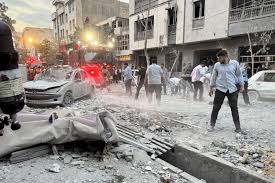
Hundreds of Ghanaians are currently stranded in Israel as escalating tensions with Iran force the Israeli government to declare a state of emergency and shut all borders, effectively halting any immediate evacuation efforts.
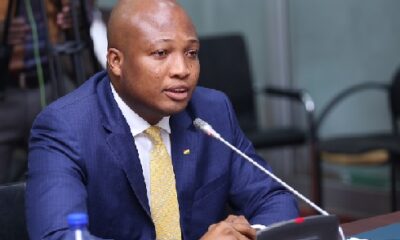
Foreign Affairs Minister Samuel Okudzeto Ablakwa disclosed this urgent development in a Twitter update on Monday, June 16, highlighting the government’s ongoing efforts to protect its citizens caught in the volatile conflict.
In what he referred to as “UPDATE No. 2,” the Minister revealed that Ghana’s Embassy in Israel has identified 922 Ghanaians residing in the country. This number includes 65 students enrolled in six different Israeli universities, showing that the affected population cuts across various groups.
So far, there have been no reported injuries or deaths among Ghanaians in the region. Minister Ablakwa noted that while evacuation efforts from Iran are progressing successfully, the situation in Israel remains more complex.
“With Israeli authorities declaring a state of emergency and closing all borders, an evacuation from Israel cannot be carried out now except with the express authorization of Israeli authorities,” Ablakwa explained. He added that the government is actively working to obtain those necessary clearances to begin a safe evacuation.
An Emergency Evacuation Plan for Israel has already been approved by the Ministry of Foreign Affairs and is ready for activation once conditions permit.
Meanwhile, Ghanaian authorities have established direct communication lines with the Ghanaian community in Israel to keep them informed and supported. In compliance with safety directives from the Israeli Foreign Ministry, Ghana’s embassy staff are also working remotely to minimize risk.
Ablakwa further emphasized that efforts are being made to ensure that all Ghanaians in Israel have access to bomb shelters and other essential protections.
The Mahama Administration has reiterated its unwavering commitment to the safety of Ghanaian nationals.
“President Mahama’s Administration is resolved to spare no effort in ensuring that Ghanaians caught up in this Israeli-Iranian conflict are offered full protection and removed from danger. We shall not fail our compatriots,” the Minister assured.
As diplomatic efforts continue, the government remains focused on securing safe passage for its citizens amid one of the region’s most volatile crises in recent years.







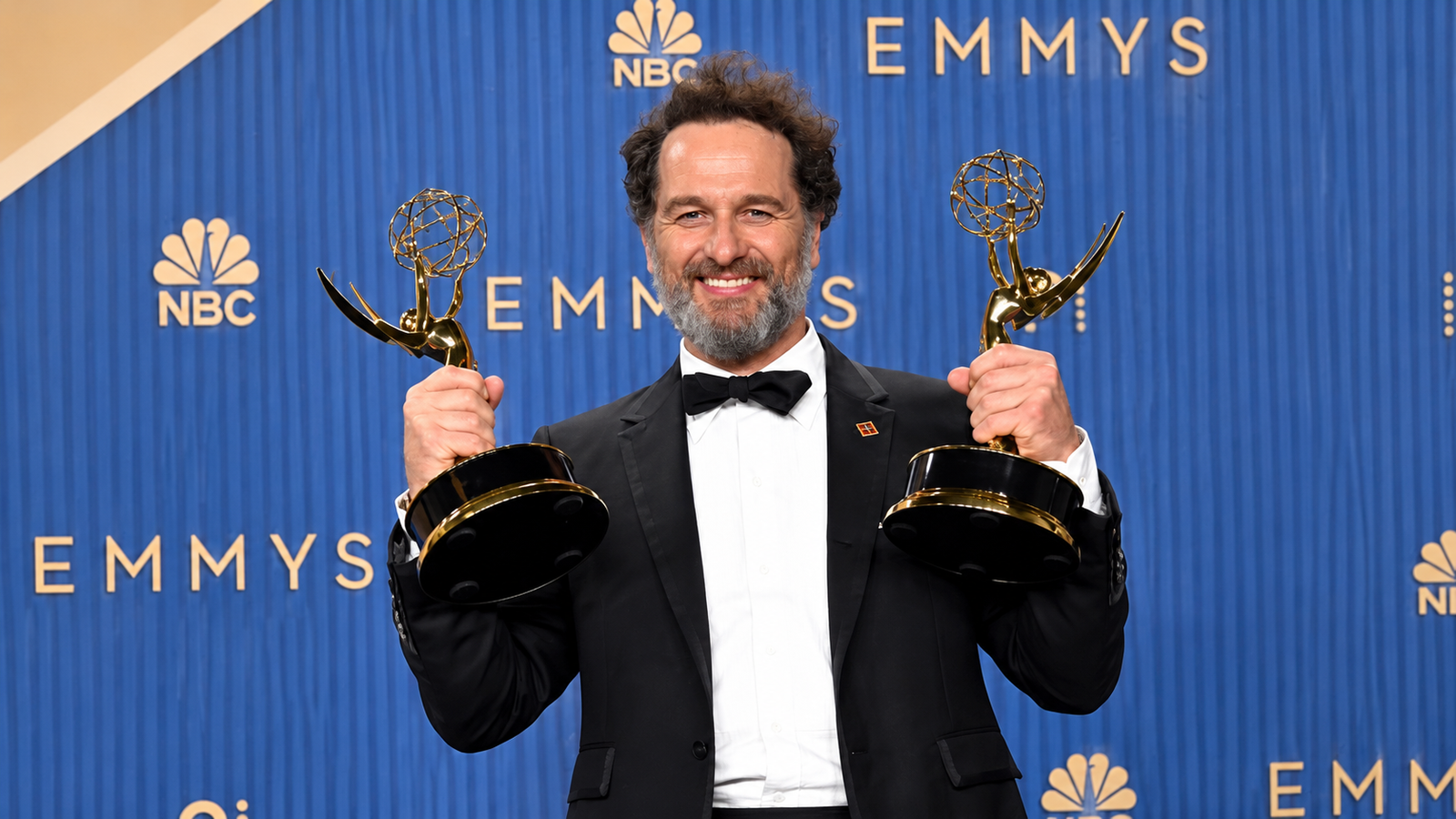
Welsh actor Matthew Rhys has made television history after becoming the first male performer to win two lead acting Emmy Awards in the same ceremony, capping a remarkable night at the 78th Primetime Emmy Awards in Los Angeles.
Rhys first took home the Outstanding Lead Actor in a Limited or Anthology Series or Movie award for his performance as Nile Jarvis in Netflix’s The Beast in Me. He later won Outstanding Lead Actor in a Comedy Series for playing Mayor Tom Loftis in Apple TV+’s Widow’s Bay.


A RECORD-BREAKING NIGHT
The achievement puts Rhys in an elite position in Emmy history. Following his earlier victory for The Americans in 2018, he has now won lead acting honours across drama, limited series and comedy categories.
His latest victories also brought his total number of Emmy wins to three, from eight career nominations.
EMOTIONAL ACCEPTANCE SPEECH
Rhys received a standing ovation during the ceremony and used his speeches to acknowledge the people who helped shape his career.
He thanked his family, his colleagues and, in particular, the people of Wales, describing his homeland as a powerful influence on his journey as an actor.
‘WIDOW’S BAY’ ENJOYS A BIG NIGHT
Rhys’s success was part of a broader triumph for Widow’s Bay. The Apple TV+ series dominated the ceremony, collecting multiple awards, including Outstanding Comedy Series, while also earning acting, writing and directing honours.
The series entered the awards with 19 nominations and ultimately emerged as one of the biggest winners of the night.
A CAREER MILESTONE
For Rhys, the double victory represents another major chapter in a career that has included acclaimed performances in Brothers & Sisters, The Americans and Perry Mason.
At 51, the Welsh actor has now established himself as one of the rare performers to win Emmy recognition across three major lead-acting categories—an achievement that could stand for years as one of the ceremony’s defining moments.


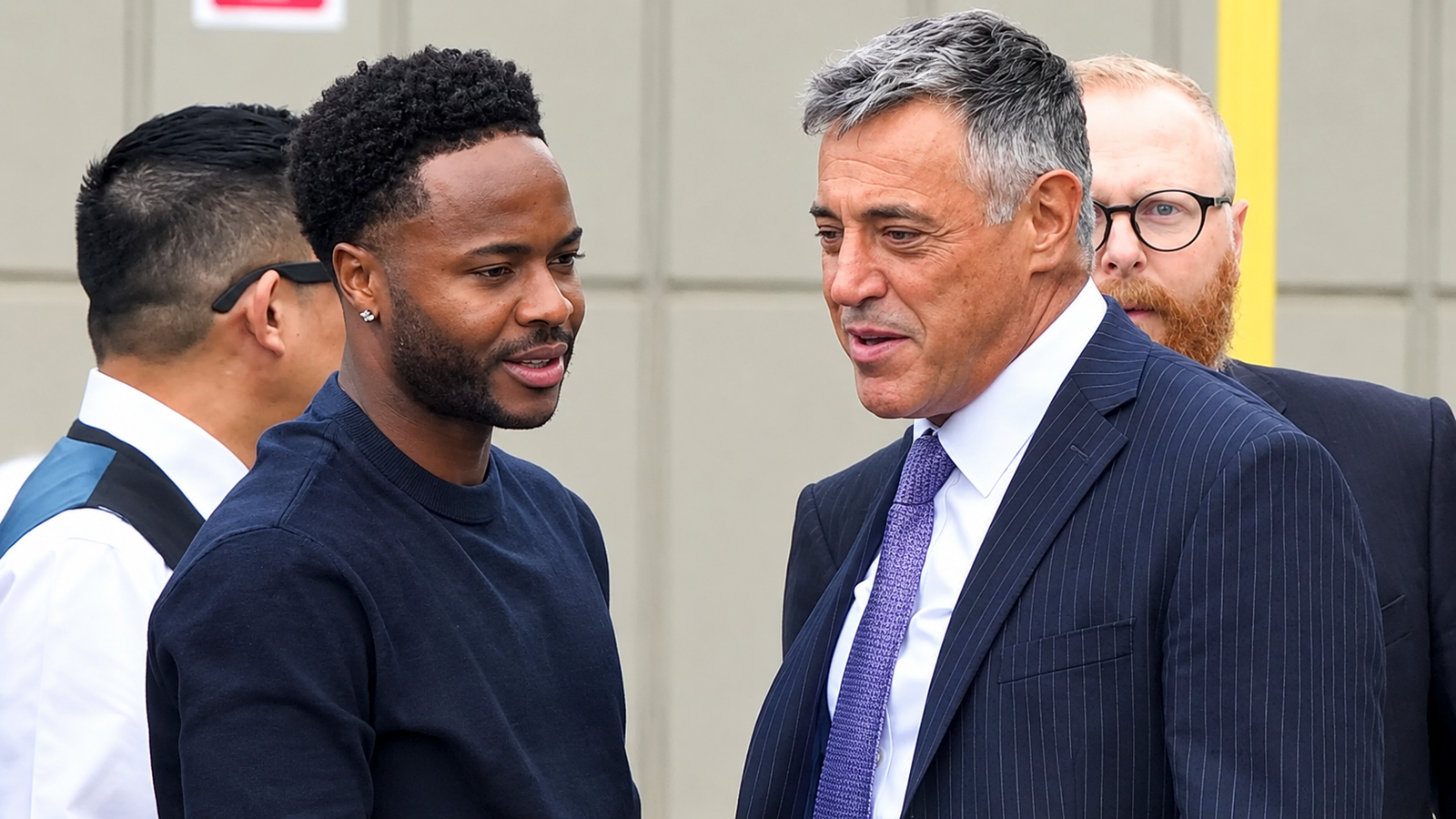
Former England international footballer Raheem Sterling has pleaded guilty to dangerous driving following a single-vehicle crash involving his Lamborghini on the M3 motorway in Hampshire.
Sterling, 31, appeared at Basingstoke Magistrates’ Court on Tuesday and admitted dangerous driving as well as charges relating to the possession of nitrous oxide and failing to provide a specimen.
Crash on M3
The incident happened on May 28, 2026, when Sterling’s Lamborghini Urus crashed on the southbound M3 near the Minley Interchange.
Police said no other vehicles were involved and no injuries were reported. Sterling was subsequently charged after the crash.
The dangerous-driving charge covered his driving on several roads, including the M25, M3, A327 and Minley Road, before the collision.
Nitrous Oxide Charges
Sterling also admitted possessing six nitrous oxide canisters. The substance is classified as a Class C drug in the UK when possessed for wrongful inhalation.
He additionally pleaded guilty to failing to provide a specimen.
The court heard allegations about his driving before the crash, with witnesses describing erratic manoeuvres and sudden changes in speed.
Football Career
Sterling has enjoyed a distinguished career with Liverpool, Manchester City and Chelsea, while also spending time on loan at Arsenal and later playing for Dutch club Feyenoord.
He made 82 appearances for England and won four Premier League titles with Manchester City. Sterling is currently without a club following the expiry of his Feyenoord contract.
The court proceedings are expected to determine the consequences of his guilty pleas.

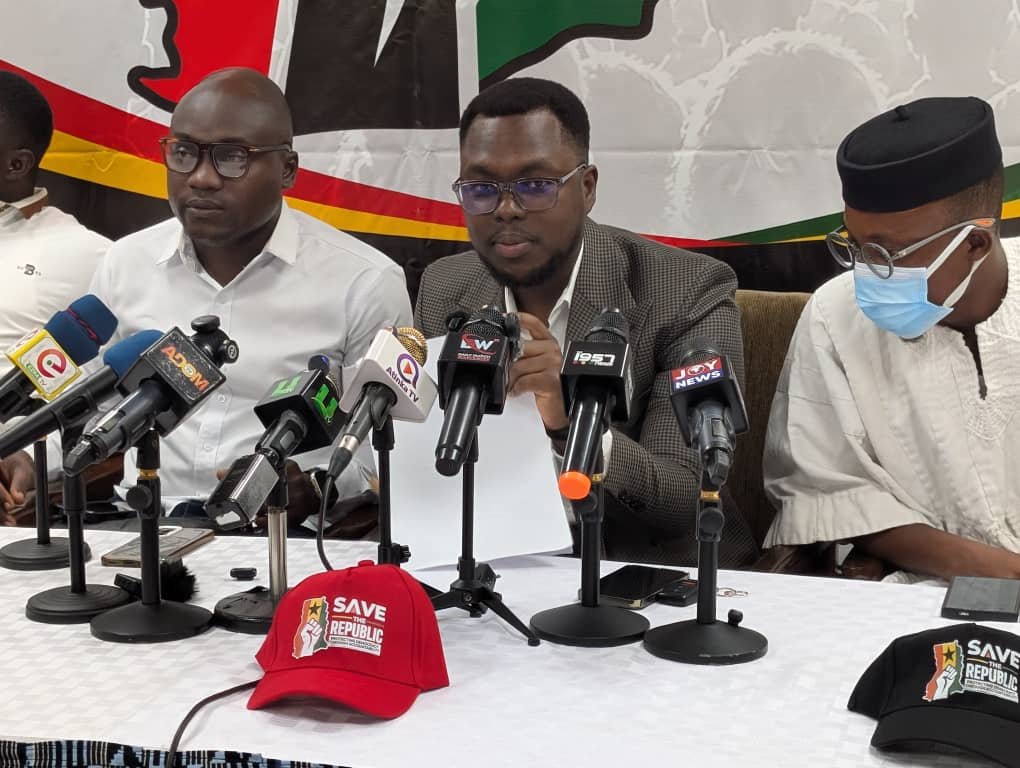
The Save the Republic pressure group, led by Kwesi Botchwey Esq, has raised alarm over what it describes as a disturbing rise in drug trafficking involving Ghana, demanding accountability from key state officials.
In a press conference held at the Ghana International Press Centre, the group insisted that recent cocaine seizures and arrests linked to Ghana risk damaging the country’s international reputation and turning it into a hub for illicit drug trafficking.
According to the group, several incidents since 2025 require urgent investigation. It cited an alleged March 2025 incident involving an aircraft reportedly arriving from Gran Canaria which was suspected to contain some amount of cocaine, the arrest of a man allegedly possessing 120 slabs of cocaine amounting to $150million around Cape Coast, and the reported seizure of 3.3 tonnes of cocaine at Pedu.
They also referenced reports of Ghanaian-linked drug arrests abroad, including an alleged June 18, 2026 arrest in Australia involving illicit drugs said to be worth about $208 million, as well as a cocaine seizure in France reportedly valued at $269 million.
The group claims cocaine seizures connected to Ghana since 2025 are collectively valued at about $976 million.
Against this backdrop, Save the Republic is demanding the resignation or removal of officials it believes should be held accountable, including the Interior Minister and heads of Customs, the Ghana Ports and Harbours Authority, the Narcotics Control Commission and other agencies responsible for securing the country’s entry and exit points.
The group further urged President John Dramani Mahama to treat the situation as a national security threat, warning that unchecked drug trafficking could fuel money laundering, terrorism financing and other forms of organised crime.

MATTHEW RHYS MAKES EMMY HISTORY WITH TWO LEAD ACTING WINS IN ONE NIGHT

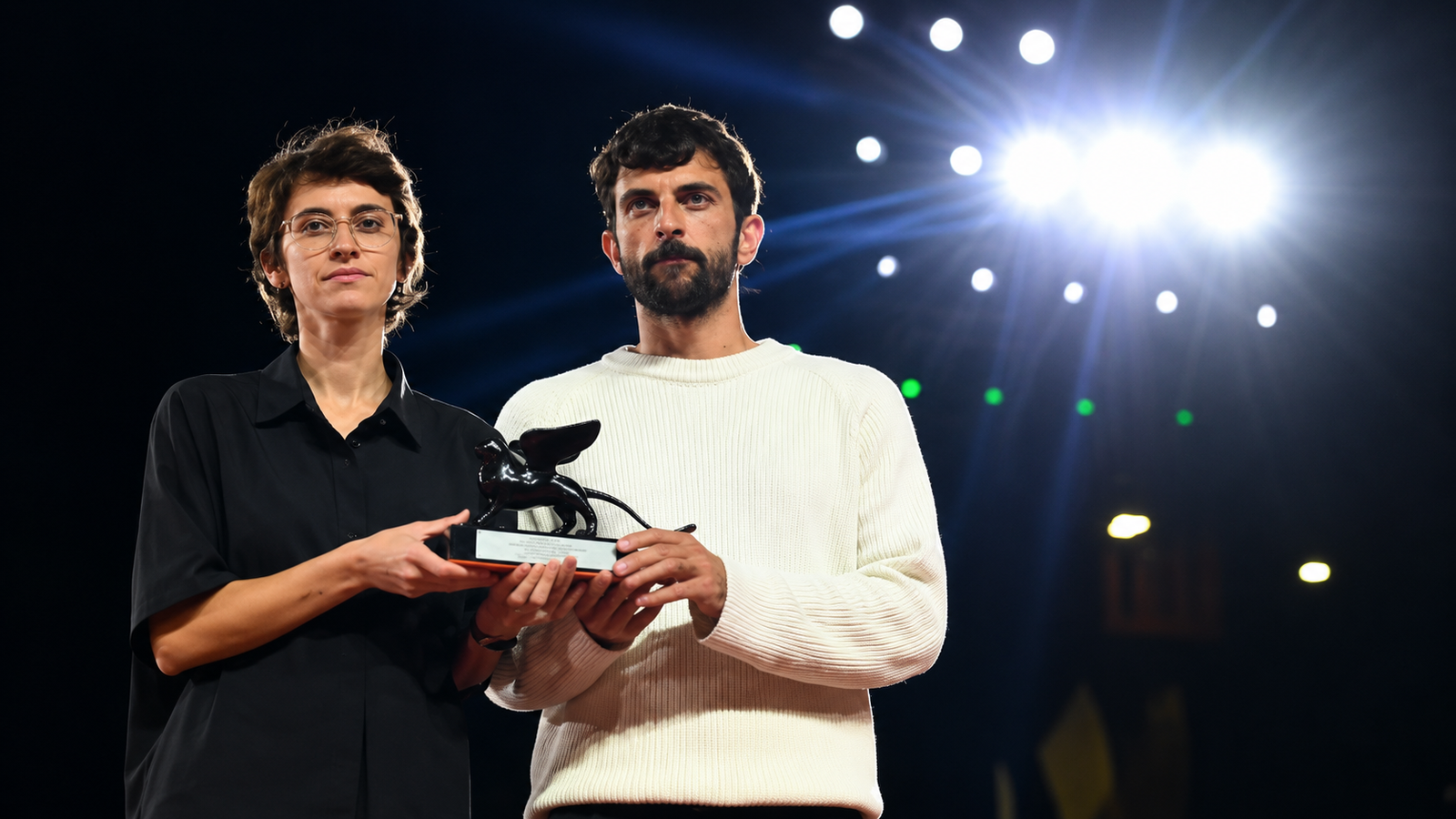
Israeli Minister Threatens to Revoke Filmmakers’ Citizenship Over Gaza Documentary

In Pictures: Stars light up the red carpet at the 2026 Emmy Awards in Los Angeles



-
 Entertainment1 week ago
Mahama Is First President to Put GH¢40m Seed Money into Creative Arts Fund: Kojo Preko Dankwa
-
 Culinary1 week ago
The Green Heart of Ghanaian Cuisine: Celebrating Nkontomire and the Art of Abom
-
 General News2 weeks ago
Don’t Punish Them Retrospectively – Educationist Challenges New CSSPS Placement Rule
-
 Entertainment1 week ago
Government Repatriates Musician Barosky from UK
-
 General News2 weeks ago
OSP Opens Preliminary Investigation into Alleged GH¢70,000 Payment Linked to Parliament’s Vetting
-
 Culinary2 weeks ago
Pineapple: The Spiky Tropical Fruit Packed With Sweetness and Nutrients
-
 Entertainment2 weeks ago
Ras Caleb Appiah-Levi: Hate Me for the Truth That I Represent
-
 Business2 weeks ago
TOR & GOIL Explore Further Opportunities for Strategic Collaboration