
Politics
Stop Selling Wetlands — TOR Corporate Affairs Director Calls for Major Overhaul After Devastating Accra Floods

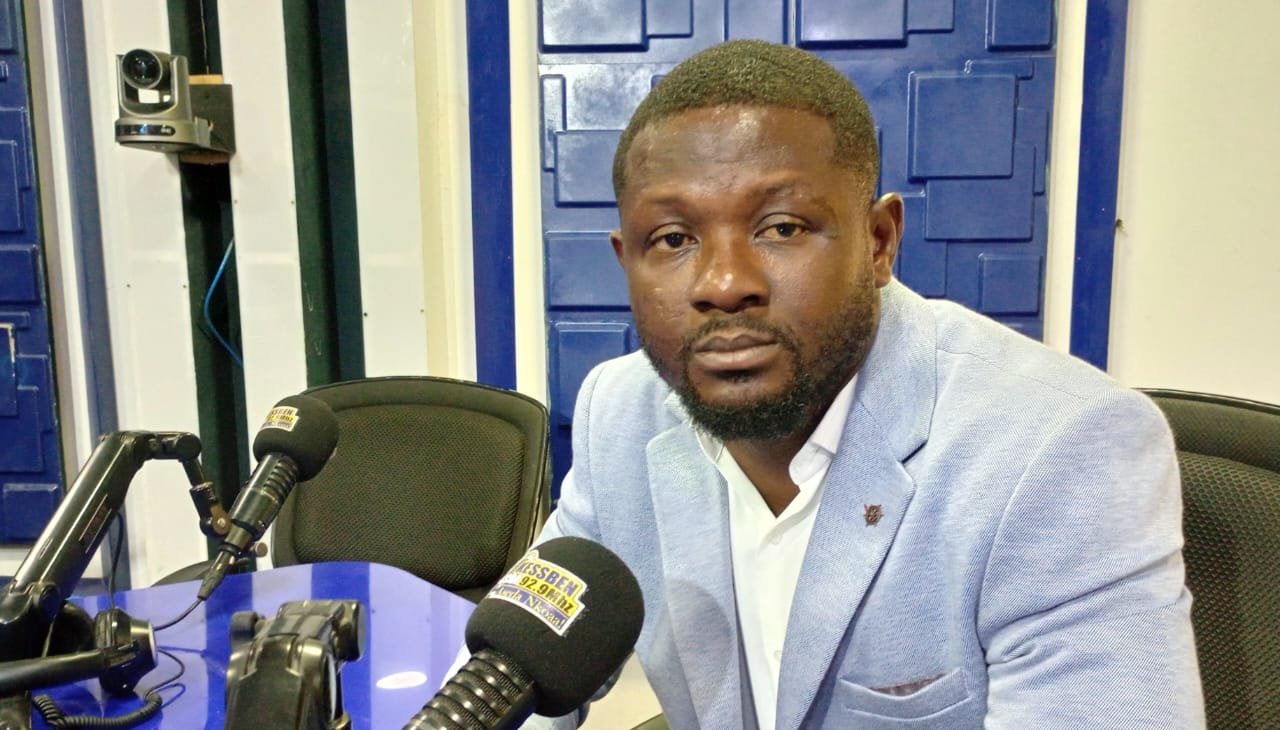
The Corporate Affairs Officer at TOR, Godwin Mahama Ayaba, has called for urgent structural and behavioural reforms to tackle Ghana’s recurring flood disasters, warning that protecting wetlands and redesigning the country’s urban landscape are critical to preventing future tragedies.
Speaking about the recent floods in Accra on Kessben Maakye show in Accra, Ayaba described the heavy downpour as an extraordinary event, saying it was the first time in nearly a decade that Ghana had experienced rainfall of such intensity.
According to him, the rain lasted for about 10 continuous hours, leading to widespread flooding across parts of the country.
Responding to criticism over President John Dramani Mahama’s aerial inspection of the disaster zones, Ayaba defended the decision, insisting that using a helicopter was the most effective way to obtain a comprehensive overview of the flood situation.
“If anyone says the President did not have to visit the scene with a chopper, he either doesn’t know what he is saying or is mischievous. The best means to have an overview of the floods couldn’t have been better than using a helicopter,” he said, arguing that we must apply knowledge and practical judgment when assessing such decisions and desist from unnecessary propaganda.
He also disclosed that the President had directed the Ministry of Finance to release GH¢350 million to support victims affected by the floods.
Ayaba further called for a long-term redesign of Accra’s urban planning, stressing the need to decongest the capital and relocate some major state institutions to the Central and Volta regions to create more space.
He urged citizens to change their attitudes by stopping the construction of buildings on waterways and ending the indiscriminate dumping of refuse, practices he said continue to worsen flooding.
In a strong appeal to traditional authorities, Ayaba also called on chiefs to stop selling wetlands and Ramsar sites for building constructions, warning that continued encroachment on these environmentally sensitive areas would only deepen Ghana’s flood crisis.

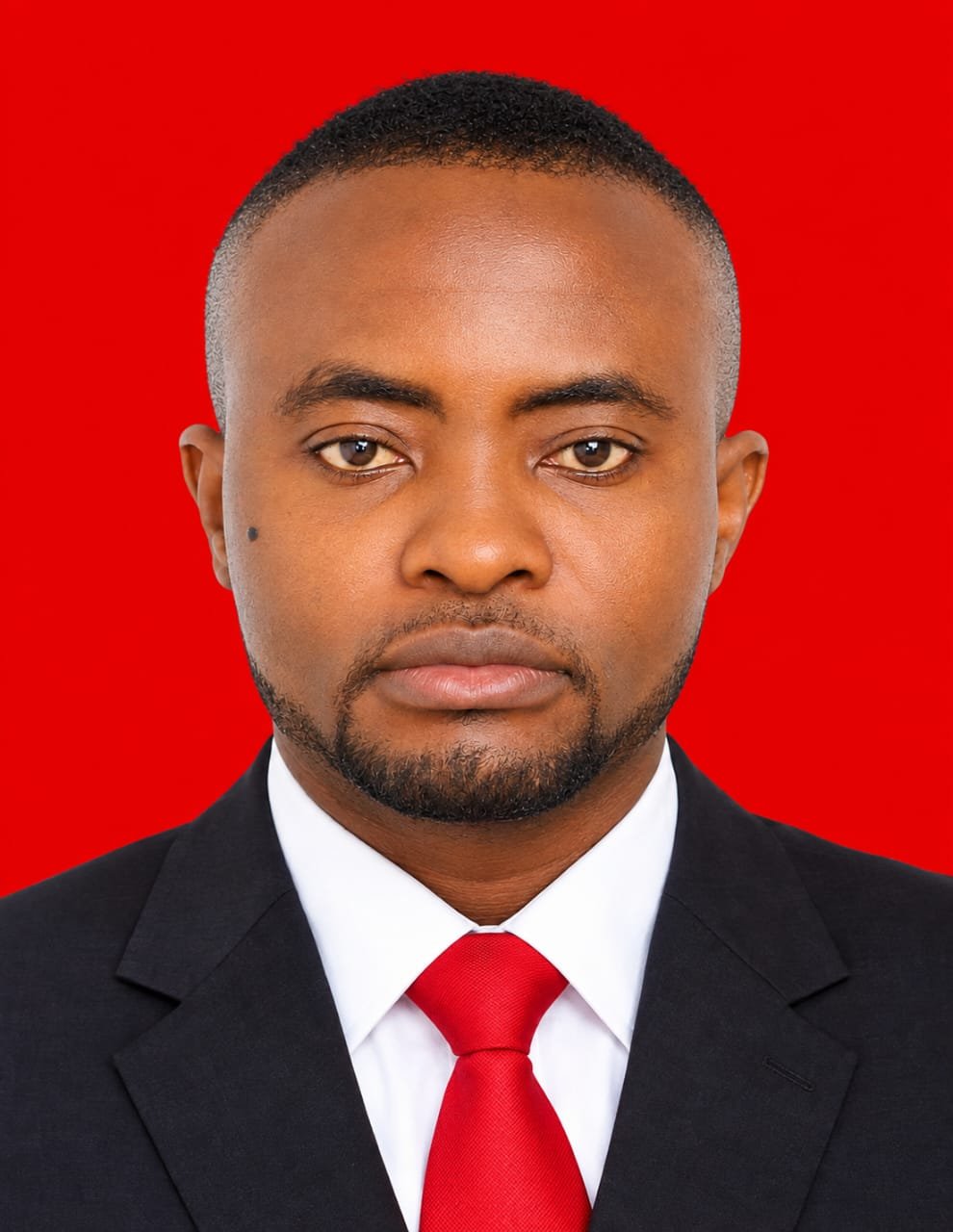
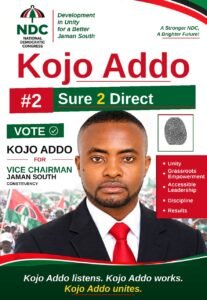
Lawrence Adonis Addo Cheremeh, popularly known as Kojo Addo, has entered the race for Vice Chairman of the National Democratic Congress (NDC) in the Jaman South Constituency of the Bono Region.
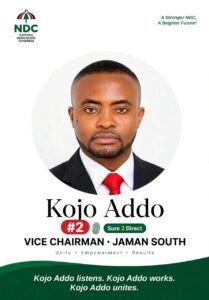
Kojo Addo, an Accra-based journalist and media executive, is campaigning on a platform centred on grassroots engagement, unity, accessible leadership and stronger organisation within the constituency. Recent reports have identified him as an aspirant for the position and noted that he is listed as Number 2 on the ballot.
His campaign says he brings more than two decades of experience spanning journalism, media management, political communication, community activities and organisational leadership.
He is a professional journalist, media executive, communication practitioner and entrepreneur who has served in senior positions including Chief Producer, Programmes Manager, Managing Editor and Managing Director.
His professional career has taken him through several media organisations and platforms, including Happy FM/Happyghana.com, Adom FM/Adomonline.com, Hot FM, Top Media Group, Atinka Media Village, now rebranded as Tobinco Media Group, Coastal FM and theghanavoice.com.
Kojo Addo’s connection to Jaman South, according to his campaign profile, extends beyond politics and the media.
He has been involved in activities promoting entertainment, culture and community participation in the area.
One of the initiatives he is credited with is bringing Di Asa, a Ghanaian entertainment and talent programme, to Drobo and Japekrom during his time as Head of Programmes and Production at Atinka Media Village.
The initiative gave residents in the area an opportunity to experience the programme locally while creating a platform for local talents to participate.
His campaign also says he helped give prominence to several radio personalities and politicians from Jaman by providing them exposure on national media platforms.
Kojo Addo previously served on the board of the now-defunct Miss Jaman Beauty Contest and also served as one of the judges for the competition.
He currently serves as Secretary to the Board of Jaman Nkabom Afahye, where he contributes to the organisation of cultural and social activities within the community.
According to him, his involvement in these activities has given him practical experience in bringing people together, coordinating different stakeholders and organising community-based programmes.
Kojo Addo is an alumnus of the NDC Party School’s Institute of Social Democracy (ISD).
His campaign says his involvement with the NDC in Jaman South has been consistent over the years, including support for party welfare initiatives, communication, mobilisation and financial contributions towards branch and constituency activities.
During the 2024 general elections, he voluntarily served as a backup election agent and supervisor, an experience he says exposed him directly to election organisation and grassroots mobilisation.
He maintains that these experiences have strengthened his conviction that an effective political organisation must remain connected to its grassroots.
His campaign materials further describe him as a journalist, development communication practitioner and founder of the Jaman Professionals Forum, while stressing his interest in bridging the gap between experienced party members and younger members.
Kojo Addo says his decision to contest the position is deliberate and is not aimed at creating another centre of power within the constituency.
Rather, he says he wants to work alongside the Constituency Chairman and other executives to strengthen the party’s organisation, communication and grassroots structures.
His approach is captured in five words: LISTEN • CONNECT • DEVELOP • COMMUNICATE • DELIVER
He says these principles will guide his approach to the vice-chairmanship if allowed to serve.
Among his stated priorities are stronger engagement with branches and polling-station structures, improved communication within the constituency and more deliberate efforts to connect young people, women, professionals and community groups to opportunities.
Kojo Addo’s career has taken him across journalism, media management, communication, business and community activities.
He says these experiences have enabled him to build relationships with individuals and institutions across different sectors, which he believes could be useful to Jaman South.
According to him, those relationships can help strengthen connections between grassroots members, the Constituency Executive, Regional and National structures, as well as institutions and potential partners outside the party.
His campaign says the objective is not simply to occupy a political position but to use his experience and networks in service of the constituency.
“I am not coming to compete with the Chairman. I am offering myself to complement the Chairman and strengthen the Constituency Executive. I want to bring my experience, relationships and energy to the service of the party and the people of Jaman South,” he said.
Kojo Addo says the Vice Chairman should be accessible to grassroots members, willing to work with other executives and prepared to take responsibility when called upon.
He says his ambition is to contribute to building a constituency organisation that is more accessible, better connected, better organised and responsive to its members.
Recent reporting on his campaign also identifies Sure 2 Direct as his campaign slogan, while his broader campaign message is framed around “Development in Unity for a Better Jaman South” and “A Stronger NDC, A Brighter Future.”
Politics
‘Don’t reward bitter tongues’ – Bagbin warns political parties against promoting abusive rhetoric

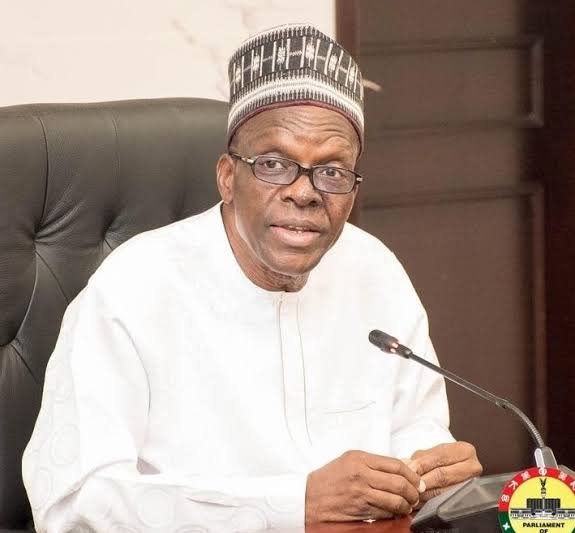
The Speaker of Parliament, Alban Bagbin, has urged the leadership of Ghana’s political parties to stop rewarding politicians who gain recognition through abusive or inflammatory language, warning that such practices encourage others to adopt similar behaviour.
According to him, political parties have a responsibility to shape the quality of political discourse by ensuring that individuals are not rewarded or elevated simply because of the provocative nature of their rhetoric.
Speaking at Parliament’s emergency sitting on Tuesday, September 29, 2026, he said political disagreements could be vigorous without becoming destructive.
“I add this to both political parties’ leaders. Don’t reward only bitter tongues,” Mr Bagbin said.
“That is what I have observed up to date. That encourages others to copy that because that is how they will be recognised.”
He said political party leaders must demonstrate through their conduct that public recognition should not be tied to abusive language or personal attacks.
The Speaker’s comments formed part of a broader call for higher standards of public discourse, amid concerns over the increasing use of insults, threats and other abusive language in Ghana’s political and social conversations.
He said Parliament itself must also examine the conduct of its members and lead by example.
“Leadership in this matter cannot simply consist of asking citizens to moderate their language,” Mr Bagbin said.
“It requires those who occupy positions of public trust to demonstrate by their own conduct that political disagreements can be vigorous without becoming destructive.”
Mr Bagbin said Ghana’s democratic stability depended not only on institutions such as Parliament, the courts and elections, but also on a political culture that allowed citizens to disagree without treating opponents as enemies.
He warned that the cumulative effect of inflammatory language and conduct could deepen divisions and threaten the quality of democratic engagement.
“Our democracy is too valuable to be endangered by a political culture in which insults replace arguments, abuse replaces persuasion, and opponents are treated as enemies,” he said.
He urged political leaders to help reverse that trend and create a political culture based on discipline, decency and substantive debate.
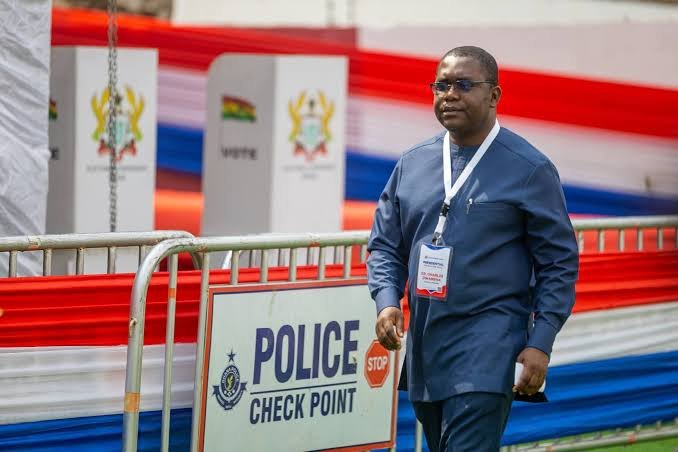
They say his ideas, grassroots-focused policies can strengthen party for 2028
Polling station executives and grassroots activists of the New Patriotic Party (NPP) in the Eastern Region are calling on party delegates to support Dr. Charles Dwamena, popularly known as Dr China, in the upcoming contest for the position of General Secretary.
According to the executives, Dr Dwamena’s proposed policies, organisational experience and emphasis on strengthening the party’s grassroots structures make his campaign particularly relevant as the NPP prepares for the 2028 general elections.
The call comes as Dr Dwamena contests the General Secretary position alongside incumbent Justin Frimpong Kodua, Eugene Boakye Antwi and Sylvester Tetteh. The NPP is scheduled to hold its national executive elections on October 3, 2026.
The Eastern Region executives, as reported by supporters of the campaign, believe the next General Secretary must be capable of translating policy ideas into practical programmes that reach polling-station and constituency levels.
They point particularly to Dr Dwamena’s proposed “WILD + S” strategy, which focuses on welfare, communication, research, digital solutions, discipline and security.
Dr Dwamena has also proposed strengthening the party’s communication capacity by training executives at various levels to become effective communicators, while developing digital communication infrastructure across the regions and constituencies.
The executives are also highlighting proposals concerning the welfare and capacity of polling-station executives.
Dr Dwamena has spoken about initiatives including a political mentorship programme, business incubation, human-resource empowerment, an accident insurance scheme and a proposed pension arrangement for polling-station executives.
He has also outlined plans to strengthen structures from polling stations through electoral areas, constituencies and regional offices.
Supporters argue that such policies could help improve the relationship between the party’s national leadership and its grassroots base.
They therefore want Eastern Region delegates to rally behind what they describe as a “new ideas, stronger structures” approach to the General Secretary position.
Focus on 2028
The campaign is taking place against the backdrop of the NPP’s stated objective of rebuilding its structures and preparing for the 2028 elections.
NPP flagbearer Dr Mahamudu Bawumia has said the party’s reorganisation is intended to strengthen its membership and structures as part of preparations to return to power in 2028.
Dr Dwamena has similarly said his vision is to help rebuild the party and restore what he describes as the love and confidence of its rank and file, with the ultimate objective of helping Dr Bawumia lead the NPP into the 2028 election.
His campaign platform identifies leadership restoration, decisive leadership, research-driven decision-making, an enabling environment for executives and stronger grassroots engagement among its key priorities.
Dr Chales Dwamena
The Eastern Region polling-station executives backing his candidature are consequently urging their colleagues to examine the competing visions for the party and consider what they believe can best strengthen the organisation ahead of the next general election.
For them, the General Secretary contest is not simply about occupying a national office, but about how the NPP rebuilds its structures, reconnects with its grassroots and organises itself for the 2028 electoral cycle.
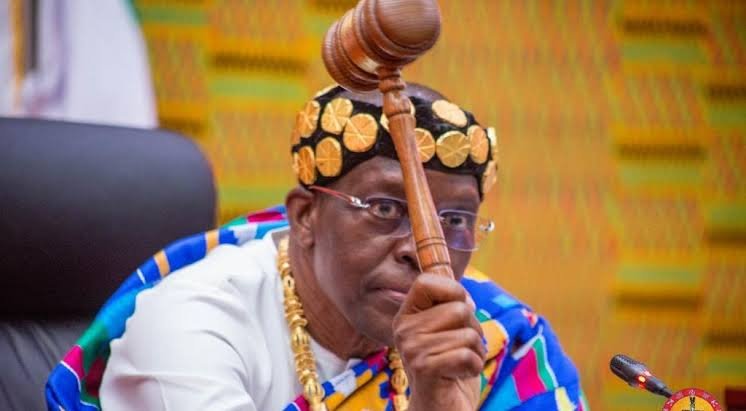
The Speaker of Parliament, Alban Bagbin, has urged the leadership of Ghana’s political parties to stop rewarding politicians who gain recognition through abusive or inflammatory language, warning that such practices encourage others to adopt similar behaviour.
According to him, political parties have a responsibility to shape the quality of political discourse by ensuring that individuals are not rewarded or elevated simply because of the provocative nature of their rhetoric.
Speaking at Parliament’s emergency sitting on Tuesday, September 29, 2026, he said political disagreements could be vigorous without becoming destructive.
“I add this to both political parties’ leaders. Don’t reward only bitter tongues,” Mr Bagbin said.
“That is what I have observed up to date. That encourages others to copy that because that is how they will be recognised.”
He said political party leaders must demonstrate through their conduct that public recognition should not be tied to abusive language or personal attacks.
The Speaker’s comments formed part of a broader call for higher standards of public discourse, amid concerns over the increasing use of insults, threats and other abusive language in Ghana’s political and social conversations.
He said Parliament itself must also examine the conduct of its members and lead by example.
“Leadership in this matter cannot simply consist of asking citizens to moderate their language,” Mr Bagbin said.
“It requires those who occupy positions of public trust to demonstrate by their own conduct that political disagreements can be vigorous without becoming destructive.”
Mr Bagbin said Ghana’s democratic stability depended not only on institutions such as Parliament, the courts and elections, but also on a political culture that allowed citizens to disagree without treating opponents as enemies.
He warned that the cumulative effect of inflammatory language and conduct could deepen divisions and threaten the quality of democratic engagement.
“Our democracy is too valuable to be endangered by a political culture in which insults replace arguments, abuse replaces persuasion, and opponents are treated as enemies,” he said.
He urged political leaders to help reverse that trend and create a political culture based on discipline, decency and substantive debate.
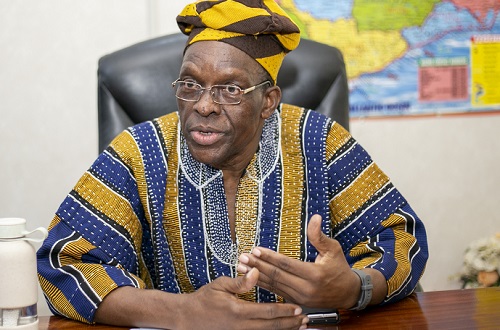
Speaker of Parliament Alban Bagbin has called for caution in Ghana’s growing debate over social media regulation, warning that freedom of expression should not be used to justify threats, incitement, deliberate misinformation or the abuse of others.
Bagbin made the remarks on Tuesday, September 29, 2026, when Parliament resumed for an emergency sitting.
According to the Speaker, Ghana’s discussions on how to regulate social media and tackle misinformation must be guided by a balance between protecting citizens’ right to express themselves and ensuring that people are held accountable for harmful conduct online.
His comments come at a time when there is renewed national debate over the regulation of social media platforms, particularly TikTok.
The debate follows concerns raised by President John Dramani Mahama about the increasing spread of misinformation, insults and other forms of harmful content on social media.
President Mahama has called for a national stakeholder dialogue to determine how Ghana should respond to the growing influence of TikTok and other emerging media platforms.
The President has, however, stressed the need to ensure that any regulatory measures adopted do not infringe on the constitutional right to freedom of expression.
To facilitate the discussions, President Mahama tasked the Ghana Journalists Association (GJA) and the Media Foundation for West Africa (MFWA) with bringing together relevant stakeholders to deliberate on the issue.
Speaking in Parliament, Speaker Bagbin welcomed the President’s initiative and urged those involved in the national conversation to approach the matter with openness, moderation and broad participation.
He stressed that efforts to address harmful online content must not be turned into a means of silencing people who criticise government officials or hold public authorities accountable.
“The national conversation should, in my view, be broad, inclusive, and measured,” Bagbin said.
He cautioned that the discussion should neither be used to suppress dissent nor to protect public officials from legitimate criticism.
At the same time, he noted that concerns about freedom of expression should not be used to defend threats, incitement, deliberate falsehoods or irresponsible attacks against other people.
Bagbin said the approach proposed by President Mahama recognises the need to maintain this delicate balance between protecting free speech and addressing abuses associated with social media.
President Mahama had earlier addressed the issue during a Town Hall Meeting with Ghanaians in New York, where he acknowledged the challenges involved in regulating new media platforms without undermining freedom of expression.
The President said Ghana must collectively decide how it wants to respond to the growing influence of platforms such as TikTok.
He also raised the question of whether the country’s existing mechanisms for dealing with harmful online content are sufficient to address the challenges posed by new media.
The ongoing debate is therefore expected to bring together media organisations, civil society groups, technology stakeholders, government representatives and other relevant actors to consider possible approaches to social media regulation while preserving the right to free expression.

Speaker Bagbin Names 21 Accused Persons in Four Pending Cocaine-Related Cases

“We will get through this together” — Guardiola backs City

Djokovic opens China campaign with victory



-
 General News1 week ago
Two political parties, one lesson: Afuntummireku and Tikro Nkɔ Agyina for Ghana
-

 Culinary1 week ago
Kofi Brokeman: The Simple Ghanaian Snack That Has Stood the Test of Time
-
 General News1 week ago
Rev. Dr. Christian Kwetey Kweitsu Set for International Recognition at 100 Most Influential Persons Awards in Kigali
-

 General News1 week ago
Free Speech, False Publication and Presidential Criticism in Ghana: Where Does the Law Draw the Line?
-
 General News1 week ago
Don’t Expect Concerts When People Can’t Afford Food – Rex Omar on Black Star Experience
-

 Entertainment1 week ago
Can’t Anything Good Come Out of Ghana? – Ras Caleb Appiah-Levi Fires Back at Critics
-

 Entertainment2 weeks ago
30 Old Ghanaian Songs That Defined Generations
-
 General News2 weeks ago
Shatta Wale Urges UPSA Students to Turn Ideas into Sustainable Ventures