
Politics
Prez. Mahama Reshuffles His Appointees

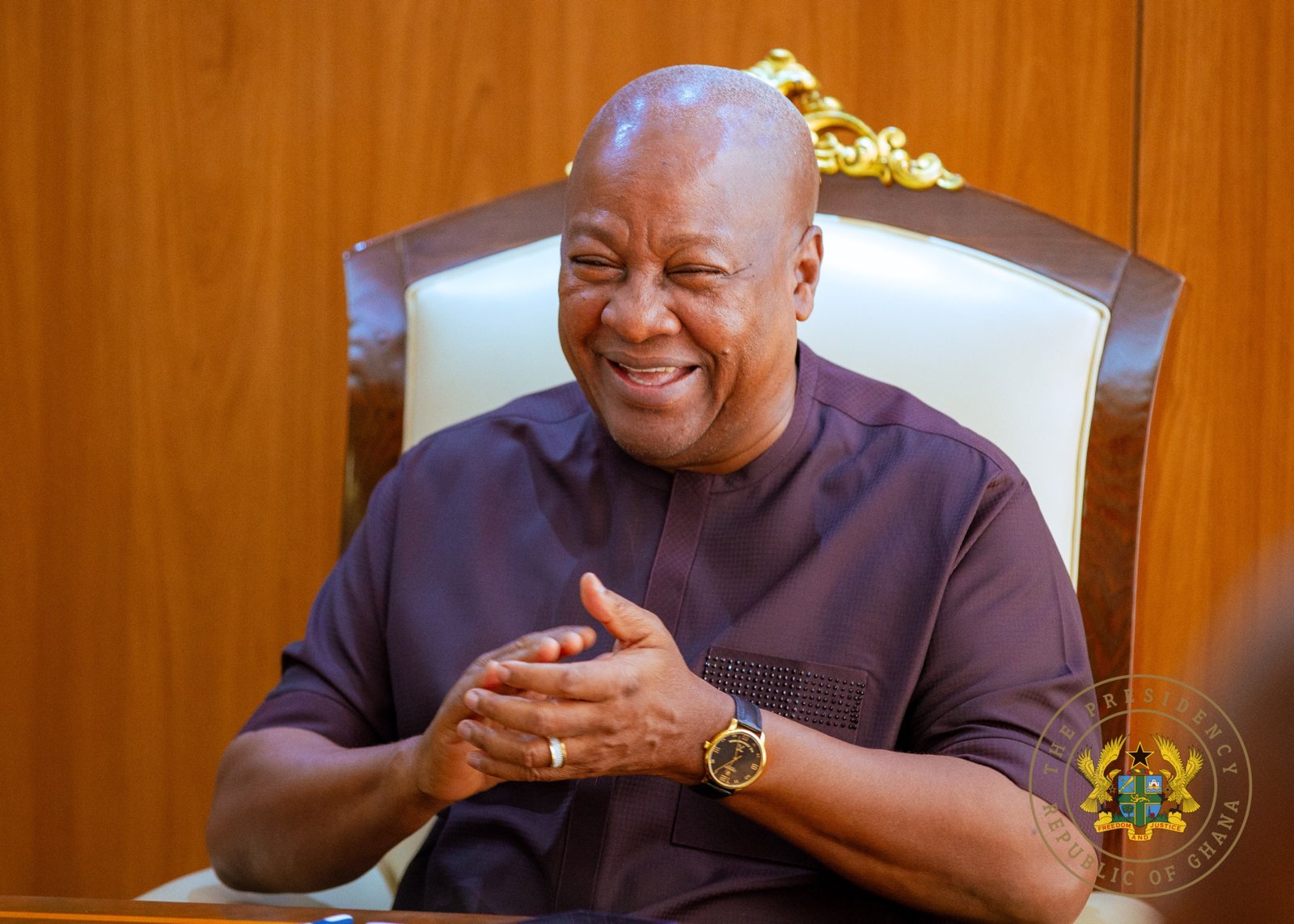
President John Dramani Mahama has nominated Klottey Korle Member of Parliament, Dr Zanetor Agyemang-Rawlings, as Minister for Environment, Science and Technology, as part of a cabinet shake-up aimed at filling key government positions.
Subsequently, the Majority Leader and Member of Parliament for Bawku Central, Mahama Ayariga, has also been nominated for the Minister for Local Government, Chieftaincy and Religious Affairs. As part of the changes, President Mahama reassigned Kenneth Gilbert Adjei from the Ministry of Works and Housing to the Ministry of Defence.
Former Local Government Minister, Ahmed Ibrahim, has been moved to the Ministry of Works, Housing and Water Resources.
If Dr. Zanetor passes her vetting with Parliament’s vetting committee, she will then replace the late Minister for Environment, Science and Technology, and Member of Parliament for Tamale Central, Murtala Mohammed.
Dr. Zanetor’s appointment comes after months of speculation over her possible elevation to cabinet, as the legislator having served on Parliament’s Environment, Science and Technology Committee and advocated for measures to address environmental challenges, including flooding.
The nominations were submitted to Parliament on Friday, August 7, 2026, in accordance with Article 78(1) of the 1992 Constitution, which requires parliamentary approval before ministers can assume office.
The Environment and the Defence portfolios had remained without substantive ministers following the death of Dr Ibrahim Murtala Mohammed and Dr Edward Kofi Omane Boamah in the August 2025 helicopter crash.
In lieu of this, Dr Cassiel Ato Forson, the Finance Minister, who had been acting as Defence Minister since the death of Dr Omane Boamah, is expected to hand over the portfolio once the new nominee is approved.
The appointments were announced in a statement signed by Felix Kwakye Ofosu, MP, Spokesperson to the President and Minister for Government Communications. The nominees are expected to appear before Parliament’s Appointments Committee for vetting before their names are submitted to the House for approval.
This crucial changes come as part of President Mahama’s continued efforts to reset and replenish his administration and fill positions that became vacant following the August 2025 tragedy that claimed the lives of eight officials, including two cabinet ministers.

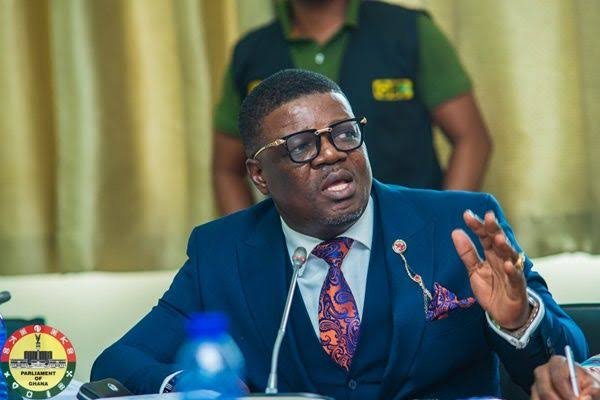
Majority Chief Whip and South Dayi MP Rockson-Nelson Dafeamekpor has entered the growing debate over narcotics trafficking in Ghana, arguing that the New Patriotic Party (NPP) cannot successfully turn the issue into a partisan political battle.
In a post on X, Dafeamekpor cited a series of drug seizures and arrests recorded in Ghana and involving Ghanaians or foreign nationals between 2017 and 2024.
He referenced cases involving cocaine and heroin seizures at the Kotoka International Airport (KIA), Ghana Post and other locations, as well as the major 399kg cocaine seizure at Nsawam in 2008.
Dafeamekpor drags 2008 cocaine case into debate
Dafeamekpor also referred to a January 2009 US Department of State report which described Ghana as a transit point for illegal drugs, particularly cocaine from South America and heroin from Afghanistan and Pakistan.
According to the report he cited, drugs were transiting through Accra’s Kotoka International Airport to Europe and the United States, while also contributing to domestic drug consumption.
The Majority Chief Whip used the historical cases to argue that drug trafficking is not a problem that began under the current administration.
His intervention comes amid heightened political debate following major narcotics seizures linked to consignments from Ghana, including the seizure of nearly 3.9 tonnes of cocaine at France’s Port of Dunkirk on September 10, 2026. The parliamentary Minority has called for Parliament to be recalled to examine the issue.
‘Let’s stop the politics’
Dafeamekpor is calling for the focus to shift away from political exchanges and towards tackling the narcotics menace as a national problem.
He argued that the various seizures and arrests should be viewed in the context of a longstanding challenge requiring cooperation among Ghanaian and international law-enforcement agencies.
His message was that political parties should put aside partisan considerations and support efforts to combat drug trafficking.
The South Dayi MP has also previously argued that Parliament should not interfere with ongoing investigations being conducted by the Narcotics Control Commission (NACOC), the Police and other agencies legally mandated to investigate and prosecute narcotics-related offences.
NPP and NDC clash over Ghana’s drug-trafficking record
The latest comments add another layer to the political debate over Ghana’s handling of narcotics trafficking.
While the opposition has raised concerns about recent seizures and the security of Ghana’s ports and export systems, Dafeamekpor has pointed to historical cases to argue that the challenge cuts across different administrations.
For him, the issue should not become a contest between the NPP and NDC, but rather a national effort involving security agencies, customs, port authorities and international partners.
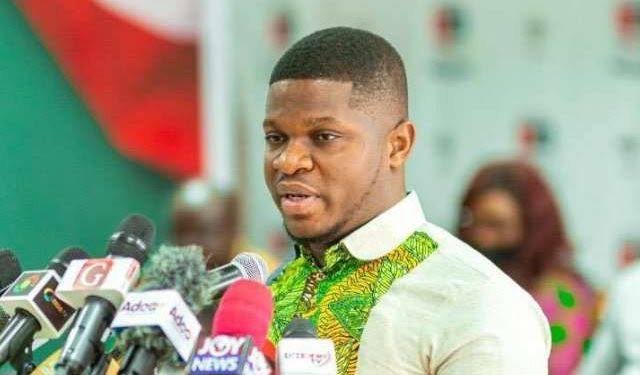
The New Patriotic Party’s National Officers Elections Committee (NOEC) has concluded its final engagement with aspirants and their representatives ahead of the party’s National Officers Election scheduled for Saturday, October 3, 2026.
The engagement, chaired by NOEC Chairman Frederick Opare-Ansah, focused on the final rules, regulations, guidelines and operational arrangements for the election.
The election will be held at the Baba Yara Sports Stadium in Kumasi, with the National Annual Delegates Conference scheduled to commence at 9:00 a.m.
Final delegates register ready
The NOEC announced that the Final Delegates Register had been completed and would be made available for collection from September 17.
Delegates have also been given access to an online verification facility to confirm their eligibility to participate in the election.
They can use the verification section of the NPP’s official website and enter either their phone number or Voter ID number to receive a one-time password (OTP) and check their eligibility.
Proxy voting arrangements confirmed
The committee also confirmed that proxy voting will be allowed under an approved Proxy Voting Framework.
The final Proxy Register is expected to be published on September 27, 2026.
The arrangement is intended to provide eligible delegates who qualify under the framework with an avenue to participate in the election through authorised proxy arrangements.
Youth and women delegates to vote in additional elections
The NOEC further clarified the voting arrangements for some categories of delegates.
All eligible youth delegates will participate in the election of the National Youth Organiser in addition to the other elections.
Similarly, all eligible female delegates will vote in the election of the National Women’s Organiser alongside the other national positions.
For the position of National Vice-Chairperson, each delegate will be required to select three aspirants, with the tally system to be used in determining the results.
Aspirants given role in ballot and polling preparations
Aspirants have been asked to submit the names of their printing agents who will monitor the ballot-printing process.
They are also required to submit the names and photographs of their polling agents for accreditation.
The measures form part of the committee’s preparations to ensure that representatives of the various aspirants can participate in the election process within the established rules.
Electoral Commission and Police to support election
The election will be conducted by the Electoral Commission of Ghana, under the supervision of the NOEC.
The Ghana Police Service will also collaborate with the committee and the Electoral Commission on security arrangements for the exercise.
The NOEC has urged aspirants, their agents, supporters and delegates to comply with the approved electoral, accreditation and security arrangements.
Media accreditation deadline
Media organisations and bloggers intending to cover the National Annual Delegates Conference have also been reminded to complete the accreditation process.
The deadline for media accreditation is September 21, 2026, through the NPP’s official website.
A Media Village will be established at Baba Yara Sports Stadium for accredited media houses that wish to set up studios.
However, accredited media personnel will not have access to the inner perimeter of the stadium. An official broadcast feed will instead be provided for live transmission.
Delegates expected in Kumasi on October 2
According to the NOEC, delegates are expected to arrive in Kumasi on the evening of Friday, October 2, ahead of the conference the following morning.
The committee has expressed appreciation to the aspirants and their representatives for their cooperation and reiterated its commitment to a fair, transparent, orderly and credible electoral process.
With the final engagement now completed, attention turns to October 3, when NPP delegates will gather in Kumasi to elect the party’s national officers.
Politics
I’ll Set Up $500K Fund for TEIN Institutions If Elected NDC National Youth Organizer — Steven Nhyira Odarteyefio
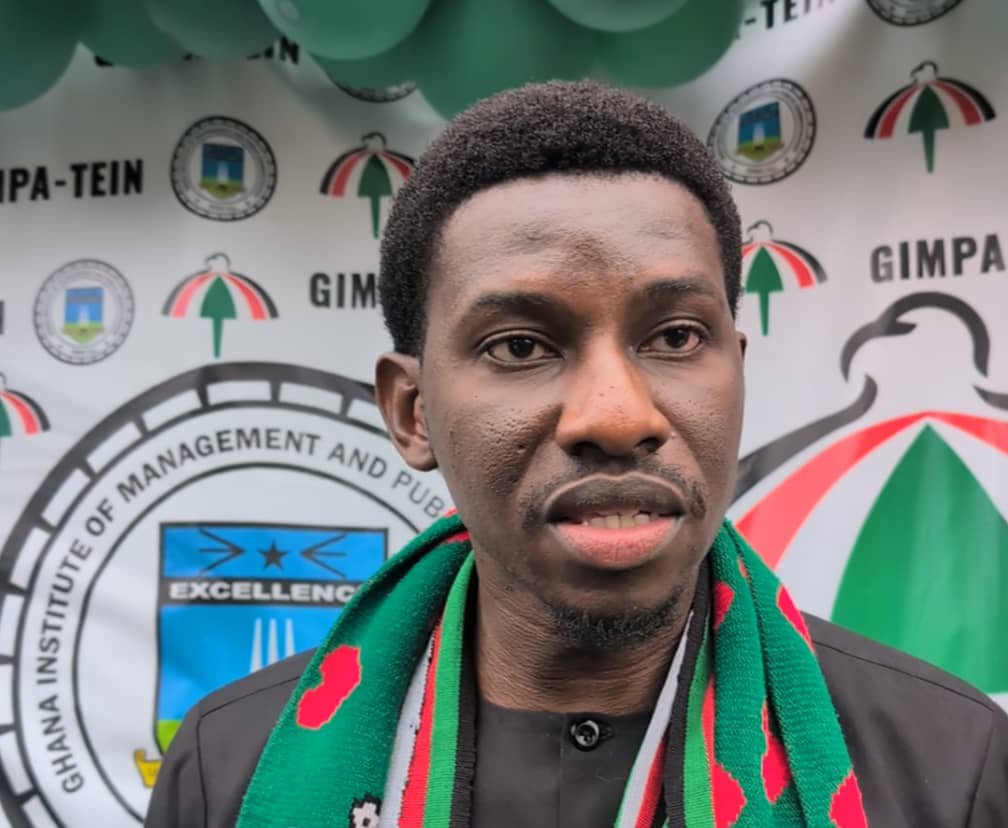
NDC National Youth Organizer hopeful, Steven Nhyira Odarteyefio, has outlined an ambitious plan to establish a $500,000 investment fund to support Tertiary Education Institutions Network (TEIN) institutions across the country if elected as National Democratic Congress (NDC) National Youth Organizer.
Speaking at a GIMPA-TEIN handover ceremony, Odarteyefio said he had observed that many TEIN institutions are underfunded and often depend heavily on financial contributions from members to organise programmes and sustain their activities.
He pledged to establish a statutory investment fund to provide TEIN institutions with a more reliable source of funding for their operations.
Odarteyefio also promised to prioritise opportunities for TEIN members after graduation, including access to quality National Service placements, job opportunities and seed funding to help young graduates pursue entrepreneurial ambitions.
He further asserted that his leadership would equip youth organizers to be financially independent and would not have to depend on political patrons for support, arguing that this would help break what he described as a cycle of “monecracy” influence in the contest for party positions.
According to him, empowering TEIN members with financial and career opportunities would also make the network more attractive to students across tertiary institutions.
“Empowering TEIN would attract people in TESCON because there would be money and opportunities,”
He urged TEIN members to support his National Youth Organizer bid, saying his agenda would help members “realise their dreams” while strengthening the NDC’s youth structures.
Politics
We Must Move From Defensive to Offensive — Francis-Xavier Sosu Sounds Alarm Over NDC Communication Gaps
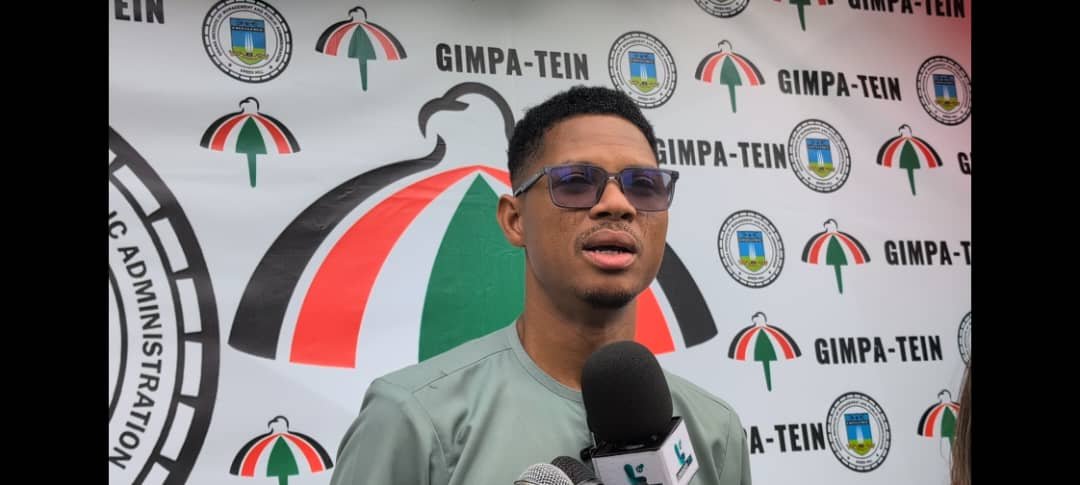
The Member of Parliament for Madina, Francis-Xavier Sosu, Esq. has raised concerns over what he sees as weaknesses in the National Democratic Congress’ communication machinery, warning that the party could allow its political opponents to control the public narrative if urgent action is not taken.
In an interview granted by Maurice Otoo of Kessben Media, at GIMPA’s TEIN handover ceremony, the MP, Sosu argues that the NDC needs to “uplift” its communication outfit and make alternative arrangements to address what he describes as a communication gap.
He specifically points to the current workload of Sammy Gyamfi, the NDC’s National Communications Officer, suggesting that his responsibilities outside the party make it necessary for the NDC to strengthen or supplement its communications leadership.
Gyamfi currently serves as CEO of the Ghana Gold Board while remaining the NDC’s National Communications Officer.
According to the lawyer, the party risks leaving a vacuum that the opposition New Patriotic Party could exploit to promote narratives against the government. He further argues that whenever he appears on television or radio, he often finds himself confronting multiple opposition voices.
He therefore calls on government agencies to strengthen their communications departments and more actively publicise the work of President John Dramani Mahama’s administration.
The Madina MP also urges the NDC to move from what he describes as a “defensive” to an “offensive” communication posture as the ruling party.
Sosu has recently been publicly defending the government’s record while also calling for accountability on issues such as the cocaine consignment intercepted in France, for which he demanded a thorough investigation.

Trump Calls on ICC Member States to Withdraw From ‘Rogue Institution’

Madrid Derby Fallout Deepens as Atlético Responds to Mourinho’s Referee Claims

Infantino Says He Is Open to Talks Over FIFA Reform



-

 General News1 week ago
GTA’s Financial Strength Weakens Despite 2025 Tourism Activities
-

 General News1 week ago
GTA Cash Reserves Halve to GH¢640,000 Despite Improved Liquidity Ratio
-

 Entertainment2 weeks ago
Keche Supports Street Vendor with GH¢3,000 After She Struggles to Make Sales
-

 General News2 weeks ago
TVET is not for the academically weak – Advocate calls for change in Ghana’s mindset
-

 General News1 week ago
Creative Arts Agency Records GH¢2.01m Revenue in FY2025 Despite Financial Reporting Gaps
-
 Business2 weeks ago
Bank Profits Slide to GH¢7.1bn as Low Interest Rates Squeeze Earnings
-
 General News2 weeks ago
Police Launch Manhunt for Missing Assin Fosu Man as Captors Demand GH¢49,500 Ransom
-

 General News2 weeks ago
3 cheques, 4 witnesses, GH¢49.1 million: How the Republic closed its case against Adu-Boahene