
Lifestyle
The Weight of Things We Don’t Say

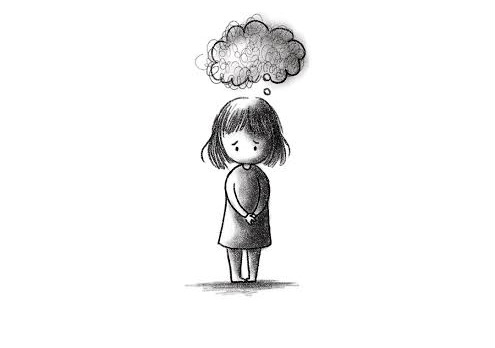
Words have weight. They can heal, destroy, inspire, or scar. But sometimes, it’s not the words we speak that shape us the most it’s the ones we keep locked inside. The apologies never made. The gratitude left unspoken. The truths we bury because we’re afraid of how heavy they might feel in someone else’s hands.
Silence can be powerful, yes. It can be peace. But silence can also be a prison when it cages feelings that were meant to be set free. Every unsaid thought adds weight to our hearts, and over time, that unexpressed weight becomes exhausting.
The Hidden Burdens of Silence
- Unspoken love: How many times have we loved deeply but held back out of fear of rejection? We tell ourselves, “They already know” or “It doesn’t matter.” But the truth is, love unexpressed lingers like a shadow.
- Unspoken pain: Carrying hurt without voicing it creates invisible walls. We smile while silently bleeding inside, hoping someone will notice. Often, they don’t and the weight doubles.
- Unspoken boundaries: When we avoid saying “no” to protect others’ feelings, we silently chip away at our own peace. Each unspoken boundary is a quiet betrayal of self.
- Unspoken forgiveness: Holding grudges can feel safer than forgiving, but what we don’t say “I release this,” chains us tighter to the pain we swore we’d outgrow.
Why We Stay Silent
We stay silent because speaking is risky. Words expose us. They strip us of control. They open doors we’re not sure we can close. And sometimes, silence feels easier, safer, even noble. But easy isn’t always healthy. The truth is: unsaid words rarely disappear. They live in our bodies, surfacing as tension, anxiety, bitterness, or regret.
The Cost of What’s Left Unspoken
Think of the relationships that faded not because love ran out, but because words did. Think of the opportunities missed because someone didn’t raise their voice. Think of the heaviness you’ve carried simply because you convinced yourself that silence was “better.” The weight of what we don’t say often hurts more than the sting of words we release.
Learning to Speak
Healing doesn’t come from speaking recklessly, but from speaking truthfully. It means saying:
- “I love you” when your heart is bursting with it.
- “I’m not okay” when the silence is suffocating you.
- “This crossed my boundary” when something hurts.
- “I forgive you” not to excuse the hurt, but to set yourself free.
Not everything needs to be said. But the things that weigh on you the most probably do. Speaking them may feel terrifying, but the release is often lighter than the burden of holding them in.
The words you’re holding back might be the ones that set you free or the ones someone else desperately needs to hear. Don’t let silence steal your peace. Don’t let fear silence your truth. The weight of things we don’t say is heavy but the courage to speak can lift it.




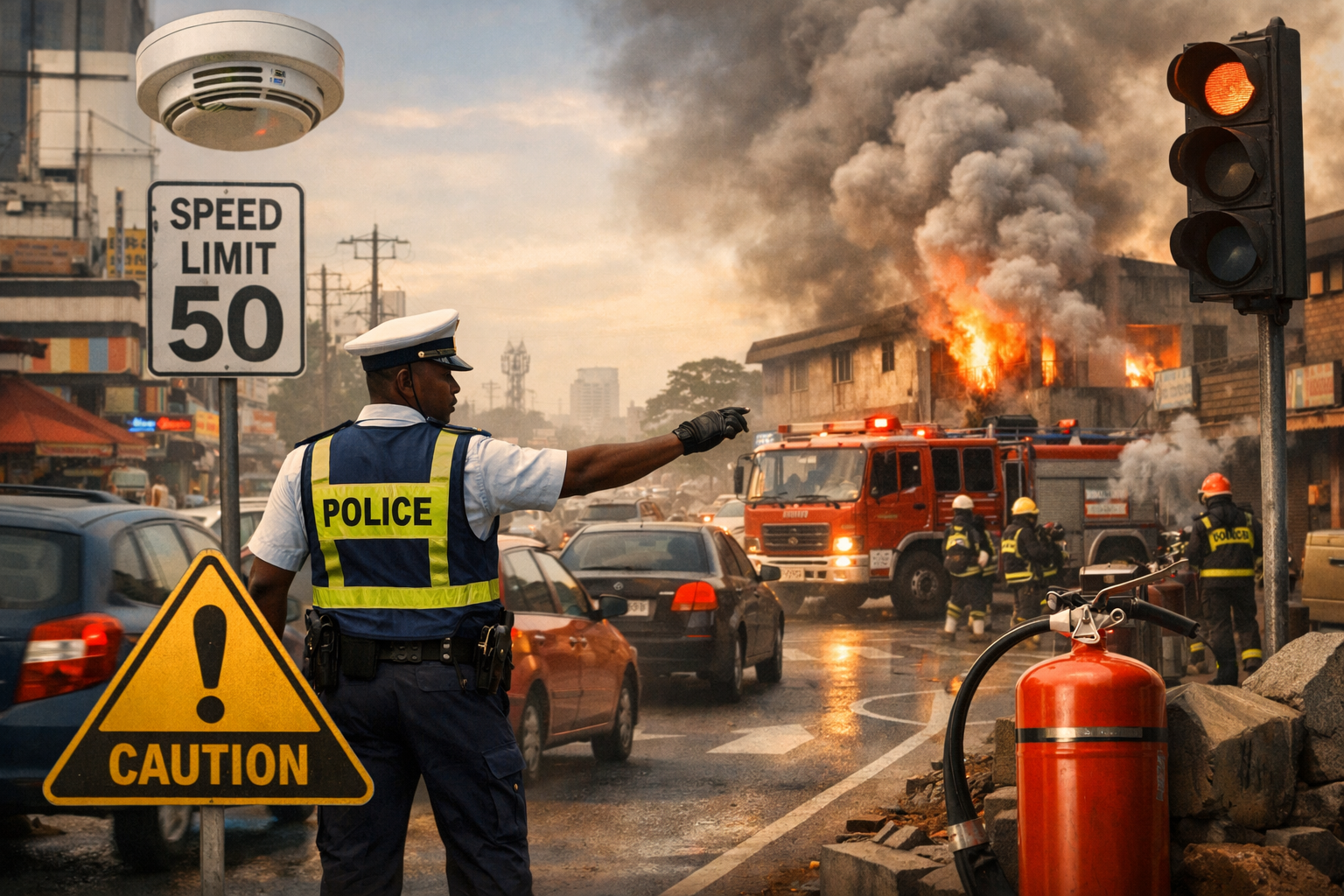
Across Ghana, the rising toll of road accidents and fire outbreaks has moved beyond occasional headlines to become a pressing national concern. These crises do not merely affect numbers on a page; they affect real people. Mothers burying children, families watching homes engulfed in flames, entire livelihoods erased in moments of chaos.
According to recent reports from the National Road Safety Authority, almost 2,000 people lost their lives in road accidents from January to August 2025, with over 10,000 others injured and thousands more vehicles involved in collisions. Speeding, reckless behaviour, and gaps in enforcement all contribute to these staggering figures, painting a stark picture of lives cut short and futures disrupted.
Motorcycle accidents, particularly involving “okada” riders and passengers, continue to claim lives at an alarming rate. The Ghana Institution of Engineering reported that road crashes killed an average of 10 people every single day, illustrating just how deep this issue has become.
Even within the nation’s formal statistics, there are regional differences that underscore the scale of the challenge. The Ashanti Region alone has recorded tens of thousands of road crashes over recent years, with fatalities numbering in the thousands.
At the same time, fire outbreaks are destroying homes and businesses across the country at an alarming pace. The Ghana National Fire Service recorded more than 5,500 fire incidents by late 2024, a figure that reflects a growing trend rather than a one‑off spike. These included domestic fires, industrial fires, electrical faults, and other emergencies that broke out in every corner of the nation.
Even more concerning are the economic and human costs that accompany these disasters. In the first half of 2025 alone, the financial toll of fire outbreaks was estimated at over GH¢188 million in losses, with hundreds of lives lost and thousands more affected by injuries and property damage.
Positioned against these harsh realities is the urgent need for systemic solutions. A causal thread runs through much of this suffering: weak enforcement, inadequate infrastructure, and public unpreparedness. There are practical steps that can make a difference. On the roads, consistent traffic enforcement, effective driver education, safer road design, proper vehicle inspection regimes, and swift emergency response can all help reduce fatalities. Citizens must respect speed limits, avoid risky driving practices, and make every journey a safety‑first decision.
Fire safety requires equal diligence. Basic precautions such as installing fire alarms, ensuring safe electrical wiring, proper storage of flammable materials, and community fire education can stop many outbreaks before they spread. Mobile and accessible firefighting resources, stronger building regulations, and routine inspections of public and private spaces would further strengthen prevention.
Beyond structural and policy changes, there is a moral and spiritual dimension to these crises. Each life lost serves as a painful reminder of the fragility of human existence. Valuing life should be more than a phrase; it should inform how drivers treat fellow commuters, how families prepare their homes, and how leaders prioritise safety over convenience.
This is not an issue for the government alone, nor is it something the public can solve by itself. Genuine progress demands collaboration — government, communities, and individuals working together with urgency and accountability. Safety must be treated as an everyday responsibility, not a reactive response after tragedy strikes.
Ghana’s strength is measured not only by its growth but by how it protects its people. Lives are precious, and the cost of letting these twin crises go unaddressed is far too high.
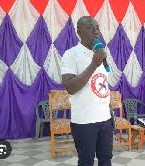
Samuel Yao Atidzah, Executive Director of the GOSANET Foundation, has called on Ghanaians to take proactive steps in knowing their HIV status, emphasizing that “HIV does not define a person, but dignity, respect, and love do.”
Speaking in a statement shared with the Ghana News Agency in Ho, Mr. Atidzah urged the public to reject discrimination against people living with HIV. His remarks coincided with the observance of Zero Discrimination Day, marked annually on March 1 by the United Nations and partner organizations to promote equality, inclusion, and peace for all, regardless of age, gender, race, or sexual orientation.
This year’s theme, “People first: Standing united for dignity, equality and inclusion,” highlights the importance of ending laws and actions that perpetuate stigma around HIV/AIDS.
Mr. Atidzah encouraged communities to support inclusion and stand with People Living with HIV, stressing that collective action is vital to protecting their rights and well-being. He also highlighted the use of HIV self-testing kits, describing them as “private, confidential, safe, and empowering,” and urged individuals to take control of their health as a demonstration of strength rather than shame.
“I urge all and sundry to get tested, know your status, protect yourself and protect others,” he said, reinforcing the importance of awareness and solidarity in combating HIV-related stigma.
Most stress comes from one habit: taking everything personally.
A delayed reply becomes rejection.
A tone shift becomes judgment.
A disagreement becomes a reflection of your worth.
But the truth is, most people are reacting to their own worlds their fears, pressures, and limitations. Not you.
When you take life less personally, you gain space. Space to respond instead of react. Space to observe instead of internalize. Space to move through situations without carrying unnecessary emotional weight.
This doesn’t mean indifference. It means discernment.
You learn what deserves your energy and what doesn’t. You stop assigning meaning where there is none. You protect your peace by understanding that not everything is about you and that’s a relief.
Freedom begins when you stop turning every moment into a verdict on yourself.

Coach Otto Addo announces Black Stars squad ahead of Austria, Germany International Friendlies

Global Movement WAHANGELA KINGDOM Set for Historic Launch and Royal Crowning in Ghana

Anticipation Builds as Quarme Zaggy Reveals the Striking Cover Art for his Latest Single “I’M SORRY”



-

 Entertainment1 week ago
“Go to Lumba’s house and exhume his body” — Counsellor George Lutterodt incites Ga youth
-

 Entertainment6 days ago
Legendary musician Sloppy Mike Gyamfi Accuses Kuami Eugene of Song Theft
-

 General News2 weeks ago
Ghana Marks 69th Independence Day Under Theme ‘Building Prosperity, Inspiring Hope’
-

 Entertainment6 days ago
Shatta Wale hints at contesting Ablekuma South seat as independent candidate in 2028
-

 Business2 weeks ago
Ghana Banks Write Off GH¢1.64bn in 2025 as Bad Debt Drops 57%, NPL Ratio Improves
-
 General News2 weeks ago
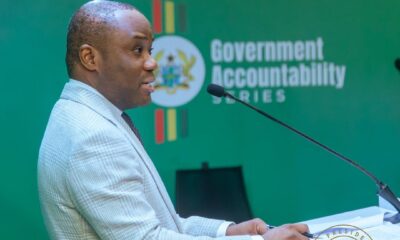
Gov’t Upholds 1,539 Appointments, Revokes 541 After Post-Election Review — Felix Kwakye Ofosu
-
 General News2 weeks ago
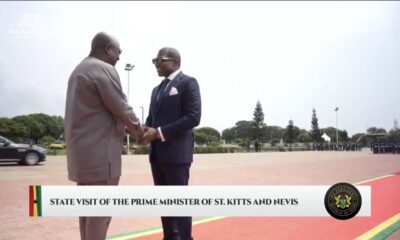
Mahama Welcomes St. Kitts and Nevis Prime Minister, Calls for Stronger Global African Unity
-

 Politics2 weeks ago
Baba Jamal Wins Ayawaso East By-Election With Decisive Margin