
Politics
Ahafo Ano South West DCE Abubakar Sedik dies after official meetings in Kumasi

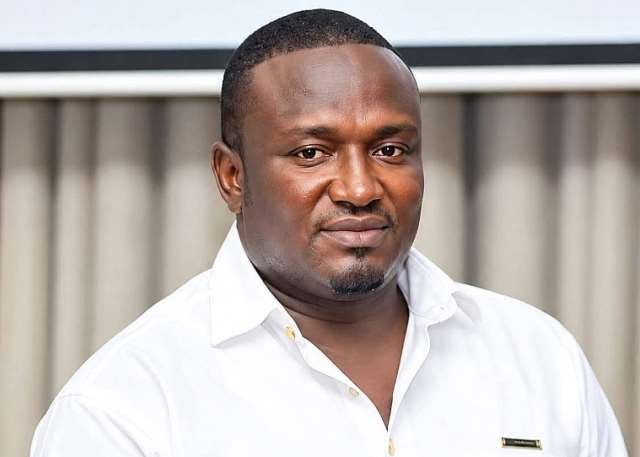
The District Chief Executive (DCE) for Ahafo Ano South West in the Ashanti Region, Abubakar Sedik, has died suddenly after attending official engagements in Kumasi.
Sedik reportedly passed away on Sunday, September 20, 2026, after returning to Mankranso following a series of meetings involving Metropolitan, Municipal and District Chief Executives and the Minister for Local Government, Chieftaincy and Religious Affairs, Mahama Ayariga.
Final official engagements in Kumasi
The late DCE was among officials who met Minister Mahama Ayariga at the Kejetia Phase II project site as part of stakeholder engagements concerning the completion of the project.
The group subsequently held discussions with trader unions at the Kumasi Central Market. The meeting ended at about 5:00 p.m., after which Sedik and some other DCEs proceeded to the Ashanti Regional Coordinating Council for another engagement with the minister.
Sudden illness after returning to Mankranso
Reports indicate that Sedik fell ill after returning to the district capital.
According to reports, he complained of body pains and was subsequently taken to a hospital, where he died.
The Ashanti Regional Minister, Dr Frank Amoakohene, described the death as a sudden loss following a brief illness and extended condolences to Sedik’s family, colleagues, constituents and the people of the Ashanti Region.
Some reports have referred to a possible heart-related condition, but official medical confirmation of the precise cause of death had not been made public at the time of reporting.
District plunged into mourning
News of the DCE’s death has sent shockwaves through Ahafo Ano South West, with residents, political supporters and local officials expressing grief.
The Ahafo Ano South West District Assembly described Sedik as a hardworking public servant who served the people of the district with commitment and a good heart.
Residents and NDC supporters reportedly gathered at the party office in Mankranso after news of his passing emerged.
From parliamentary candidate to DCE
Before becoming DCE, Abubakar Sedik served as the NDC parliamentary candidate for Ahafo Ano South West in the 2024 elections.
He was subsequently appointed to lead the district assembly and had been involved in a number of development initiatives in the area.
His recent public activities included work connected to the proposed 24-hour economy market at Mankranso, a project that had generated public discussion in the district.
His death comes amid recent public attention
Sedik had recently been in the news over controversy surrounding plans for the proposed 24-hour economy market and the future of a school facility at Mankranso.
He had denied allegations that he was spearheading an attempt to demolish the school facility, with recent reports indicating that he had participated in a site inspection concerning the project shortly before his death.
Ashanti Region mourns
The sudden death of the serving DCE has left the Ahafo Ano South West District without one of its key local government officials and has triggered an outpouring of condolences.
Further details concerning funeral arrangements and burial rites are expected to be announced by his family and the relevant authorities.
For now, the district, colleagues and residents are mourning a public official whose final known day involved official duties in Kumasi before his sudden illness and death later that evening.


The recent attempts by political actors, particularly the NPP to incite health workers—particularly nurses—against the government following the arrest of a female nurse are deeply concerning. Describing her as a nurse, I want to believe is purely a matter of identification and description; but not any malicious intent.
However, it is imperative for nurses and our affiliate labor unions to delve deeper into the nuances of this ongoing issue. We must not allow this situation to be misconstrued as an institutional conflict between the government and our hardworking healthcare professionals. The arrest of this individual has absolutely no bearing on the nursing profession.
Furthermore, the grounds for her detention are entirely disconnected from her official line of duty or clinical responsibilities. A review of the allegations reveals that this is strictly a personal matter, meaning she must face the legal consequences as a frolic of her own. While friends and relatives are entirely free to offer private solidarity and support, no health worker should be misled into believing that this incident stems from a systemic dislike for nurses or a targeted attack on the healthcare sector.
Under Article 19 of the Constitution, every individual is presumed innocent until proven guilty by a court of competent jurisdiction. As the police have publicly announced, she is currently assisting law enforcement with their ongoing investigations, which includes the profiling of a primary suspect who has been placed on a wanted list. She remains an innocent citizen cooperating with the law, and we must allow the judicial process to run its natural course without external interference.
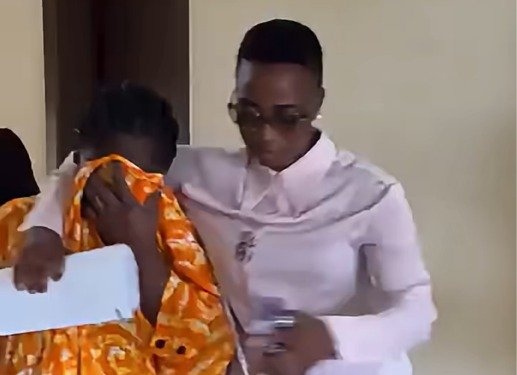
The New Patriotic Party (NPP) has strongly criticised the continued detention of Techiman-based principal nursing officer Salomey Awiti Bafoh, raising questions about the circumstances of her arrest, the allegations against her and the decision by the Adenta Circuit Court to remand her for two weeks.
In a statement issued on Friday, September 18, 2026, the party called for an immediate review of Bafoh’s detention and urged that she be admitted to reasonable bail.
Bafoh, 40, was arrested at her home in Hansua near Techiman on September 13 and subsequently appeared before the Adenta Circuit Court, where she pleaded not guilty to a charge of abetment of crime relating to the alleged publication and circulation of false news.
NPP questions continued detention
The NPP said it was concerned that Bafoh had already spent several days in custody before being brought before the court and was subsequently remanded for another two weeks while investigations continued.
The party argued that pre-trial detention should not become a substitute for investigation or punishment before conviction.
It therefore called for the circumstances surrounding her continued detention to be reviewed, stressing the importance of her constitutional rights, including the presumption of innocence and the right to a fair trial.
Questions over changing allegations
The NPP also raised concerns about what it described as changes in the allegations presented by the prosecution.
According to the party, when Bafoh first appeared in court, the prosecution reportedly linked the case to an alleged plot to overthrow the government.
The charge subsequently before the court, however, relates to alleged abetment of the publication of false news under Sections 20(1) and 208 of the Criminal Offences Act, 1960 (Act 29).
The NPP said the difference raises questions about the legal basis for keeping Bafoh in custody.
The prosecution’s case remains an allegation and has not been established by the court.
NPP challenges Adenta court’s territorial jurisdiction
Another major issue raised by the opposition party concerns the territorial jurisdiction of the Adenta Circuit Court.
The NPP pointed out that Bafoh resides in Techiman in the Bono East Region and said the prosecution should demonstrate what specific act allegedly constituting the offence occurred within the jurisdiction of the Adenta court.
The party said this question requires clarification as the case proceeds.
What the prosecution alleges
According to the prosecution, Bafoh allegedly acted as a liaison for UK-based TikTok user Barbara Asantewaa Kodua, popularly known as “Ghana Jollof”.
Investigators allege that Bafoh helped disseminate videos produced by Kodua by recruiting other individuals to redistribute the content on social media platforms.
The prosecution has also alleged that Kodua transferred money from the United Kingdom to Bafoh to support the distribution activities, with portions of the money allegedly passed on to others involved in circulating the videos.
Kodua is currently at large and has been declared wanted by the Police.
Allegations involving national security
The prosecution has told the court that some of the videos under investigation contained offensive and inflammatory statements allegedly capable of provoking violence.
One of the videos allegedly contained threats to overthrow the government and burn Ghana.
These claims remain part of the prosecution’s case and have not been proven in court.
The prosecution opposed Bafoh’s bail application, citing ongoing investigations and the national security dimension of the allegations.
The court subsequently refused bail and remanded her for two weeks. She is expected to reappear on September 30, 2026.
NPP calls for reasonable bail
The NPP is now calling for an immediate review of the decision to keep Bafoh in custody.
The party said her constitutional protections must be respected and urged the court to consider granting her reasonable bail while the investigations continue.
The call comes amid growing attention to the case, with the Ghana Registered Nurses and Midwives Association also confirming that it is exploring legal avenues to support efforts for Bafoh’s early release.
Case draws growing attention
The case has attracted political and professional attention following Bafoh’s arrest and subsequent remand.
NPP flagbearer Dr Mahamudu Bawumia has separately described the circumstances surrounding her arrest and detention as “very worrying” and called for her release, while also stressing the importance of protecting freedom of expression.
For now, the legal proceedings remain ongoing, with the prosecution expected to continue its investigations.
As the case heads back to court, the key issues now under scrutiny include the allegations against Bafoh, the basis for her continued detention and the NPP’s questions about the territorial jurisdiction of the Adenta Circuit Court.
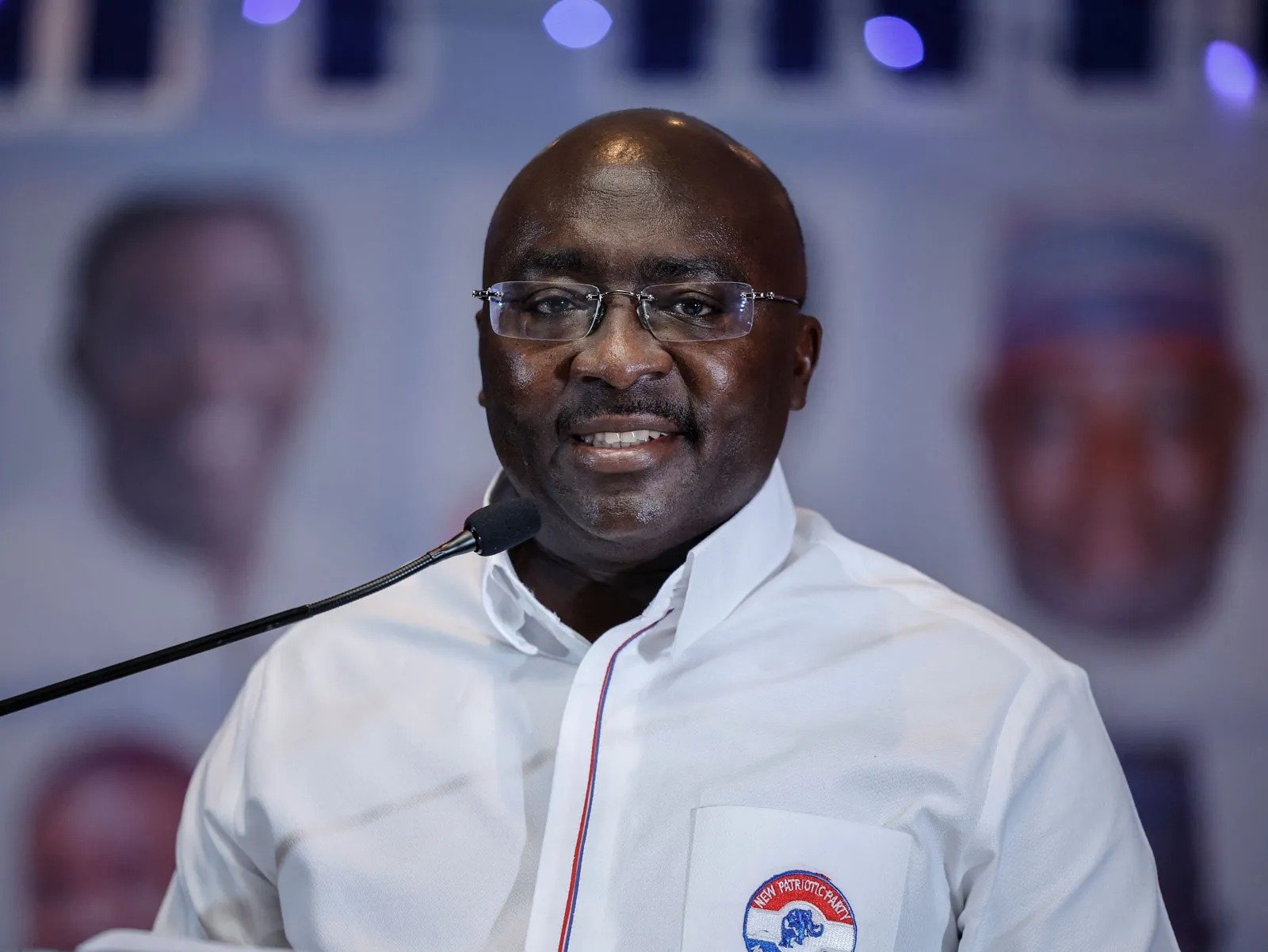
The Ashanti Regional branch of the New Patriotic Party (NPP) has cautioned party members against putting pressure on the party’s flagbearer, Dr Mahamudu Bawumia, over his choice of running mate for the 2028 presidential election.
The regional party leadership says the decision on who should partner Dr Bawumia should be left to him, urging members to refrain from turning the selection process into an internal contest.
The call comes as discussions intensify within the NPP over the potential qualities and background of the person who could eventually be selected to join Dr Bawumia on the party’s presidential ticket.
Ashanti NPP warns against pressure
The Ashanti Regional NPP leadership has appealed to members to allow Dr Bawumia the necessary space to make the decision without undue influence.
According to the regional branch, party members may have their own preferences, but such views should not translate into pressure on the flagbearer.
The leadership believes the running mate selection is an important decision that requires careful consideration and should be handled through the appropriate party processes.
Running mate debate gains momentum
The issue of who could partner Dr Bawumia has increasingly become a subject of discussion among NPP supporters and political observers.
Various names and considerations have emerged in public conversations, with supporters expressing different views about the characteristics they believe a potential running mate should possess.
However, the Ashanti Regional leadership is urging members not to allow those discussions to create unnecessary divisions within the party.
‘Let Bawumia decide’
The regional party’s position is that Dr Bawumia, as the NPP’s flagbearer, should be given the room to make the decision.
Rather than campaigning openly for particular individuals, party members have been encouraged to focus on strengthening the party and maintaining unity.
The call is also intended to discourage an early contest among party supporters over a position that has not yet been formally settled.
Unity takes centre stage
The intervention comes as the NPP prepares for the 2028 general election and seeks to consolidate its internal structures following its selection of Dr Bawumia as presidential candidate.
For the Ashanti Regional branch, maintaining cohesion within the party is important as preparations for the next election continue.
The leadership therefore wants members to avoid actions or statements that could create divisions around the running mate issue.
Focus shifts to 2028
With Dr Bawumia already leading the NPP’s presidential ticket, attention has naturally shifted towards the composition of the eventual campaign team and presidential ticket.
The choice of running mate will therefore remain a major subject of interest within the party as the 2028 election approaches.
For now, however, the Ashanti Regional NPP leadership wants party members to exercise restraint and allow the flagbearer to make the decision.
The message from the Ashanti NPP is clear: supporters can have their preferences, but the final choice of running mate should not become a source of pressure or internal division.
United Party (UP) founder Alan Kyerematen has made a fresh claim about some members of the New Patriotic Party (NPP), saying their continued interest in his political activities shows that his departure from the party remains significant to them.
According to Mr Kyerematen, some NPP members have continued to monitor his activities and mention his name even after his exit from the party.
He made the remarks in an interview on Adom FM, where he reflected on his decision to leave the NPP and his subsequent political journey outside the party.
‘They are ready to join me’
Mr Kyerematen claimed that some NPP members who continue to talk about him are doing so because they are interested in joining his political movement.
“Although I have left the NPP, they are monitoring my activities,” he said, arguing that the continued attention demonstrates that his political relevance remains.
He further claimed that some NPP members “can’t seem to forget” him because they are prepared to join his movement.
The former Trade Minister did not, however, provide a specific number of NPP members he believes are considering such a move.
Kyerematen links exit to NPP’s 2024 performance
Mr Kyerematen also revisited the NPP’s performance in the 2024 presidential election, arguing that his departure from the party contributed to the decline in its support.
He was careful to say he could not personally claim that he was responsible for the entire 2.1 million-vote decline he referenced.
Instead, he said some NPP stalwarts had told him that his exit contributed to the party’s electoral performance.
“I cannot say that I was the reason 2.1 million people didn’t vote for NPP. But from what some NPP stalwarts are saying, my exit contributed in a way,” he said.
‘Some members did not vote because I left’
In another interview, Mr Kyerematen said some NPP members had personally told him that they did not vote in the 2024 election because he had left the party.
He questioned how approximately 2.1 million NPP sympathisers could have stayed away from the polls, linking that figure to the political consequences of his departure.
His comments represent his own explanation of the NPP’s electoral performance and should not be treated as proof that his exit was the cause of the party’s decline in votes.
From NPP presidential race to independent candidate
Mr Kyerematen withdrew from the NPP’s presidential primary race in September 2023 before formally resigning from the party later that month.
He subsequently contested the 2024 presidential election as an independent candidate, using the Movement for Change as his political vehicle.
His departure marked a major change in his political career after several years of seeking the NPP’s presidential nomination.
His political journey continues outside NPP
Since leaving the NPP, Mr Kyerematen has continued to advocate for an alternative political force outside the traditional NPP-NDC contest.
He has repeatedly argued that Ghana needs to move beyond the political duopoly that has dominated the Fourth Republic.
In recent comments, he said he remains determined to break the dominance of the two parties, pointing to persistent challenges in infrastructure, electricity and development as reasons for his position.
Fresh attention on Kyerematen’s NPP relationship
The latest comments have once again brought Mr Kyerematen’s relationship with his former party into the political spotlight.
While he insists that some NPP members continue to identify with or monitor his political activities, there are also former allies who have publicly criticised his decision to leave the party.
For instance, former Kyerematen ally Vera Oye Bram-Larbi recently said she regretted considering leaving the NPP to follow him and criticised his political leadership.
The contrasting positions underline the differing views among former allies and NPP members about Kyerematen’s decision to leave.
For Alan Kyerematen, however, his message remains clear: despite leaving the NPP, he believes some members of his former political home are still watching his movement — and some, he claims, may eventually join him.
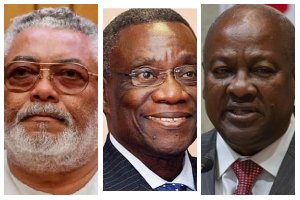
From Jerry John Rawlings to John Evans Atta Mills and John Dramani Mahama, the National Democratic Congress (NDC) has relied on just three presidential candidates across all nine presidential elections of Ghana’s Fourth Republic.
Since the return to constitutional rule in 1992, the NDC’s presidential story has been shaped by three names — Jerry John Rawlings, John Evans Atta Mills and John Dramani Mahama.
Together, they have carried the party’s presidential ticket through nine successive elections, producing victories, defeats, close contests and a political comeback in 2024.
1992 and 1996: Rawlings opens the NDC era
The NDC’s presidential journey began with Jerry John Rawlings in the 1992 presidential election, the first presidential election of the Fourth Republic.
Rawlings secured 58.40 per cent of the vote, according to an election archive covering the NDC’s electoral history. He returned four years later and again won the presidency, taking 57.40 per cent in the 1996 election.
Those two victories established Rawlings as the first presidential face of the NDC in the Fourth Republic.
But after two successful presidential elections, the party had to prepare for a new chapter.
2000: Mills takes over the mantle
That chapter came in 2000, when John Evans Atta Mills became the NDC’s presidential candidate.
Mills secured 44.54 per cent of the presidential vote, but the election went in favour of the New Patriotic Party’s John Agyekum Kufuor.
The 2000 election also produced Ghana’s first peaceful transfer of power from one political party to another under the Fourth Republic.
For the NDC, however, the presidential journey was far from over.
2004: Mills returns for another contest
Mills remained the NDC’s presidential candidate in 2004, giving him a second consecutive opportunity to lead the party into a general election.
He obtained 44.64 per cent of the presidential vote, while Kufuor secured another term.
The NDC consequently entered the 2008 election still searching for a return to the presidency.
2008: The razor-thin victory
The 2008 election became one of the most closely fought presidential contests in Ghana’s Fourth Republic.
Mills once again led the NDC ticket, with John Dramani Mahama as his running mate.
The election ultimately went to a second round, with Mills emerging victorious after the run-off. The NDC’s election archive records Mills with 50.23 per cent of the vote.
The victory returned the NDC to government after eight years in opposition.
But an unexpected transition would soon change the party’s presidential story.
2012: Mahama enters the presidential race
Following President Mills’ death in July 2012, then-Vice President John Dramani Mahama assumed the presidency and subsequently became the NDC’s presidential candidate for the December 2012 election.
Mahama won the election with 50.70 per cent of the vote, according to the NDC’s election archive.
It marked the beginning of Mahama’s long-running presidential chapter with the NDC.
2016 and 2020: Two difficult elections for Mahama
Mahama remained the NDC’s candidate in 2016, but lost the election to Nana Addo Dankwa Akufo-Addo of the NPP.
The NDC’s recorded presidential share fell to 44.53 per cent.
Four years later, Mahama returned as the NDC candidate for the 2020 presidential election.
He secured 47.36 per cent, while Akufo-Addo was declared the winner. The 2020 election was also notable for the unprecedented 137-137 parliamentary tie between the NDC and NPP.
Mahama had now contested three presidential elections — 2012, 2016 and 2020.
But his political journey with the NDC was not finished.
2024: Mahama’s return to Jubilee House
The NDC again selected Mahama as its presidential candidate for the 2024 election, making it his fourth presidential contest.
The Electoral Commission’s official election results provide the authoritative record of the 2024 poll.
Mahama won the election, returning to the presidency after eight years out of office.
His victory also meant that the NDC’s presidential history in the Fourth Republic had come full circle — from Rawlings’ victories in 1992 and 1996, through Mills’ leadership and Mahama’s successive contests, to Mahama’s return in 2024.
Three men, nine presidential contests
The numbers tell a remarkable story.
Jerry John Rawlings carried the NDC flag in two elections:
- 1992 — Victory
- 1996 — Victory
John Evans Atta Mills carried the party’s presidential ticket in three elections:
- 2000 — Defeat
- 2004 — Defeat
- 2008 — Victory
John Dramani Mahama has carried the NDC ticket in four elections:
- 2012 — Victory
- 2016 — Defeat
- 2020 — Defeat
- 2024 — Victory
That makes nine presidential elections and only three individuals who have represented the NDC at the top of the ticket since the beginning of the Fourth Republic.
A presidential tradition built around continuity
The NDC’s presidential history is therefore unusual for its continuity.
While Ghana’s Fourth Republic has seen several changes in presidential candidates across political parties, the NDC’s presidential ticket has remained concentrated around Rawlings, Mills and Mahama.
The sequence also reveals different phases of the party’s electoral fortunes — Rawlings’ dominance in the 1990s, Mills’ three-election journey, and Mahama’s four-contest presidential career culminating in his return to office in 2024.
Nine elections. Three men. Five presidential victories. And a political journey stretching from the birth of the Fourth Republic to the present day.
The story of the NDC’s presidential ticket since 1992 is, in many ways, a story of Rawlings, Mills and Mahama.

Police arrest South African with US$123,000 suspected heroin after flight from Accra

Ahafo Ano South West DCE Abubakar Sedik dies after official meetings in Kumasi

Build Hospitals, Not Just Chapels – Leila Djansi Challenges Wealthy African Churches for a strong



-

 Entertainment2 weeks ago
Mahama Is First President to Put GH¢40m Seed Money into Creative Arts Fund: Kojo Preko Dankwa
-

 General News7 days ago
GTA’s Financial Strength Weakens Despite 2025 Tourism Activities
-

 Entertainment2 weeks ago
Keche Supports Street Vendor with GH¢3,000 After She Struggles to Make Sales
-
 Entertainment2 weeks ago
Government Repatriates Musician Barosky from UK
-

 General News7 days ago
GTA Cash Reserves Halve to GH¢640,000 Despite Improved Liquidity Ratio
-

 General News2 weeks ago
TVET is not for the academically weak – Advocate calls for change in Ghana’s mindset
-
 General News2 weeks ago
Techiman Assembly, Zoomlion Undertake Fumigation Exercise to Prevent Disease Outbreaks
-
 General News2 weeks ago
Police Launch Manhunt for Missing Assin Fosu Man as Captors Demand GH¢49,500 Ransom