
Health & Fitness
Ghana Inflation Drops to 4.6% in July as Price Pressures Ease and Investment Outlook Improves


Ghana’s inflation rate fell to 4.6% in July, marking the first decline after three consecutive months of increases and signalling a gradual easing of consumer price pressures in the economy.
The latest data released by the Ghana Statistical Service (GSS) indicate that headline inflation declined by 0.7 percentage points, moving from 5.3% in June to 4.6% in July.
The reduction means that although prices of goods and services are still increasing, the pace of price growth has slowed, providing some relief to households and businesses affected by rising living costs.
The decline in inflation strengthens expectations that Ghana could continue to maintain price stability within the Bank of Ghana’s medium-term inflation target of 8 ± 2 percent, provided current economic conditions remain favourable.
Food and Non-Food Inflation Decline
The slowdown in inflation was largely driven by reduced price increases in both food and non-food categories.
Food inflation dropped to 3.1% in July from 3.9% in June, reflecting a slower increase in the prices of food items. Meanwhile, non-food inflation eased to 6.1% from 6.3% recorded in the previous month.
Services inflation also recorded an improvement, falling from 9.4% in June to 8.5% in July, indicating a moderation in the cost of services across the economy.
Imported Goods Benefit from Cedi Stability
The GSS report showed that inflation for locally produced goods stood at 5.9%, significantly higher than the 2.0% inflation rate recorded for imported goods.
The lower inflation rate for imported products suggests reduced external price pressures, supported by improved stability in the Ghana cedi and a moderation in global inflation trends.
Food Remains Biggest Driver of Inflation
Government Statistician Dr. Alhassan Iddrisu explained that food and non-alcoholic beverages remained the largest contributor to headline inflation, accounting for 32.4% of total price changes across the 13 divisions of the Consumer Price Index (CPI).
The figures highlight the continued importance of food price stability in improving household welfare and strengthening Ghana’s economic recovery.
Regional Inflation Differences
The latest inflation report also revealed significant differences among regions.
The North East Region recorded the highest inflation rate at 10.8%, while the Bono East Region posted the lowest rate at -3.8%, indicating that average prices in the region were lower compared with the same period last year.
Inflation Decline Boosts Ghana Investment Opportunities
The fall in Ghana’s inflation rate adds to growing signs of improved macroeconomic stability, which could enhance Ghana investment opportunities by creating a more predictable environment for businesses, investors and consumers.
A sustained decline in inflation, combined with exchange rate stability and disciplined fiscal management, could encourage stronger investor confidence, improve purchasing power and support economic growth.
Analysts believe that continued progress on inflation control may also provide room for the Bank of Ghana to consider further monetary policy adjustments, including possible reductions in interest rates, which could lower borrowing costs and stimulate investment activity.
As Ghana continues efforts to strengthen economic stability, the latest inflation figures provide a positive outlook for businesses, investors and households seeking improved financial conditions.

By Angel No Lie | KPD Online | 17 September 2026
Scientists develop part-human, part-mouse brain model
Scientists at Stanford University have created genetically engineered mice containing a large amount of lab-grown human brain tissue, in a breakthrough that could provide a new way to study neurological and psychiatric disorders.
The research, published in Nature on 16 September 2026, involves transplanting human cortical organoids—three-dimensional clusters of brain cells grown from human stem cells—into mice whose developing brains had been genetically altered so that much of the cerebral cortex and hippocampus would not form.
The resulting animals are known as xenocortical mice.
Despite headlines describing them as having “half-human brains,” the science is more specific: the animals remain mice, but much of the tissue occupying the space normally taken by the mouse cortex is derived from human cells. STAT notes that the “half-human” description refers to the brain tissue’s volume rather than meaning that half of the mouse’s neurons are human.

Researchers Develop Method to Study Brain Connectivity, Functionality – National Institute of Mental Health (NIMH)
How the experiment worked
The Stanford researchers began with human stem cells and guided them into becoming cortical organoids—miniature, developing pieces of human brain tissue.
The scientists then used genetic engineering to prevent particular precursor cells in newborn mice from developing the neocortex and hippocampus. This created physical space in the animals’ brains for the human-derived tissue.
The human organoids were transplanted into the mice while the animals were still very young.
Over the following months, the human tissue expanded substantially and developed different types of human cortical neurons.
According to the Nature study, the human-derived tissue occupied most of the available cortical space and produced a diversity of human cortical cell types, including layer-5 projection neurons.

Human neurons connected to the mouse nervous system
One of the most important findings was that the human cells did not simply remain as an isolated lump of tissue.
Researchers found evidence that human cortical neurons established connections with the mouse nervous system. Human neuronal projections extended through the animal’s brain and, in some cases, as far as the spinal cord.
Electrical recordings also showed organized activity within the human-derived tissue.
The researchers therefore describe the model as potentially useful for studying human neural circuits in a living organism rather than only inside a laboratory dish.
![Border between a transplanted human brain organoid and mouse brain [IMAGE] | EurekAlert! Science News Releases](https://images.openai.com/static-rsc-4/Tq428x7_bMg03HjXaW7fg-OpR7PlkKOTWPWHX-QtDgHYBjnj8FE1SMS3laLVNY3J4FQZevT83J5_DiqoKrcEY6FnQkJRuebjnyMH4UYcbdjfiKY6-2EZLDchLbf5MEITOF6iQbZkwAqpzDqOxFQt5Q4Ma3sjyKQg0Prtar8PKJQ?purpose=inline)
Border between a transplanted human brain organoid and mouse brain [IMAGE] | EurekAlert! Science News Releases
But the human tissue was not a normal human cortex
An important qualification is that the transplanted tissue did not develop into a completely normal human cerebral cortex.
The Nature paper reports that the graft lacked several features of mature cortical circuitry, including complete areal patterning, a well-defined cortical layer structure and a mature balance of excitatory and inhibitory neurons.
This means the experiment should not be interpreted as scientists having created a mouse with a fully functioning human brain.
Researchers Develop Method to Study Brain Connectivity, Functionality – National Institute of Mental Health (NIMH)
Did the mice start behaving like humans?
No evidence suggests that they did.
The animals remained mice, and researchers carried out behavioral tests to examine whether the human tissue altered their capabilities.
The study found differences in movement and spontaneous behavior between normal mice, mice without the normal cortex and the xenocortical animals. In some tests, the animals containing human tissue performed between the other two groups.
Researchers did not report human-like intelligence, language, human consciousness or human-style cognition.
Science News reported that experts evaluating the work emphasized that the key ethical question is not simply how much human tissue an animal contains, but what capabilities that tissue gives the animal. The researchers found no obvious evidence that the mice had acquired extraordinary cognitive abilities.
Why scientists carried out the experiment
Studying the human brain presents an enormous scientific challenge.
Researchers cannot normally observe human brain development from its earliest stages or experimentally manipulate human brain tissue in the way they can with laboratory animals.
Brain organoids provide one alternative. They allow scientists to grow human neural tissue from stem cells, but organoids grown in laboratory dishes have significant limitations.
They lack the complete environment of a living brain—including blood supply, long-distance neural connections and interactions with other organs and brain regions.
The Stanford approach attempts to overcome some of those limitations by putting human neural tissue inside a living animal.

Organoides cerebrales humanos responden a estímulos visuales al trasplantarlos en ratas
Potential medical applications
The researchers believe the model could eventually help scientists investigate conditions including:
- autism and other neurodevelopmental disorders
- epilepsy
- schizophrenia
- cerebral palsy
- intellectual disabilities
- neurodegenerative diseases
- rare disorders affecting human brain development
The advantage is that researchers can potentially observe human neurons developing and responding to physiological conditions inside a living organism.
The study also demonstrated the possibility of using the animals to examine how human neural tissue responds to injury.
A striking finding about oxygen deprivation
The research also provided evidence that human neurons inside the mice responded differently to a shortage of oxygen than the surrounding mouse tissue.
This matters because oxygen deprivation is involved in several neurological injuries and diseases.
The ability to examine human-derived neurons under such conditions in a living organism could eventually help researchers investigate why certain human brain cells are particularly vulnerable to injury.
The ethical questions
The experiment has also revived difficult questions about how far scientists should go when combining human cells with animals.
The central concern is whether increasingly sophisticated human neural tissue could eventually alter an animal’s cognitive abilities, perception or capacity to experience suffering.
The researchers anticipated these concerns.
According to the Nature paper, the project underwent review by Stanford’s stem-cell oversight committee and animal-care committee, with additional consultation involving bioethicists and an independent ethics committee. The researchers also conducted behavioral and cognitive testing to look for altered capabilities.
The authors themselves say that future experiments involving more mature human neural tissue will require continued ethical oversight.
They specifically identify questions surrounding more advanced cortical organization, mature neural networks and possible changes in animal capabilities.
What makes this experiment different?
Human brain organoids have previously been transplanted into rodents.
For example, earlier work from Stanford researchers demonstrated that human cortical organoids could integrate into developing rat brains and form functional connections.
The 2026 experiment goes substantially further.
Instead of placing a relatively small human graft alongside an intact rodent cortex, researchers removed the developmental competition for space by preventing much of the mouse cortex from forming in the first place.
This allowed the human-derived tissue to expand into most of the available cortical region. Nature describes this as a way of overcoming one of the major limitations of previous transplantation experiments.

(PDF) Maturation and circuit integration of transplanted human cortical organoids
What scientists have — and have not — created
| Claim | What the evidence shows |
|---|---|
| A mouse containing human brain tissue | Yes |
| Human neurons integrated with mouse neural circuits | Yes |
| Human tissue occupied much of the available cortex | Yes |
| Human neurons sent projections toward the spinal cord | Yes |
| Human-like consciousness demonstrated | No |
| A mouse with a completely human brain | No |
| Human intelligence demonstrated | No |
| Fully mature human cerebral cortex created inside a mouse | No |
The distinction is important because the phrase “part-human, part-mouse brain” can make the achievement sound more science-fiction-like than the underlying experiment actually is.
What happens next?
The researchers see the xenocortical mouse as a research platform rather than a finished model of the human brain.
Future work will need to determine how closely the human tissue reproduces normal human cortical development, how reliably the model reproduces human neurological diseases and whether treatments tested on the human-derived neurons accurately predict what happens in people.
The ethical questions will also become more important if researchers succeed in producing increasingly mature and organized human neural networks inside animals. The Nature authors explicitly call for continued collaboration among scientists, ethicists, patient representatives and regulators as the technology develops.

Scientists Discover Neural Basis of Schizophrenia and Bipolar Disorder
Independent assessment
The breakthrough is significant because it addresses a longstanding problem in neuroscience: how to study human brain cells in a living system without experimenting directly on human brains.
However, the findings should not be interpreted as evidence that scientists have created an animal with a human mind. The experiment produced a mouse whose developing cortex contains a large amount of human-derived neural tissue that can form connections with the mouse nervous system.
The technology could eventually improve research into diseases that are difficult to reproduce using conventional mice. At the same time, the more human-like these experimental brains become, the more carefully researchers will need to assess animal welfare and cognitive consequences.
For now, the study represents an important step in human brain modeling, rather than the creation of a human-animal hybrid in the science-fiction sense.
Primary scientific source: Kaganovsky et al., Nature, “Developmental xenocortication using human-derived organoids in mice,” published 16 September 2026.
Additional reporting: Stanford Medicine, Nature, Reuters and Science News.


Relationships rarely become difficult overnight.
For many couples, the cracks appear gradually — communication becomes harder, affection fades, arguments become more frequent and the connection that once felt effortless begins to feel like work.
Yet, despite the problems, some people choose to stay.
So, what keeps someone holding on when a relationship has become troubled?
Hope can be a powerful force
One of the strongest reasons people remain in difficult relationships is hope — the belief that things can still get better.
A person may remember how the relationship began, the good times they shared and the qualities that initially brought them together. Those memories can create the belief that the relationship can return to what it once was.
Hope can motivate couples to communicate, seek counselling, change unhealthy behaviours and work through conflict rather than immediately giving up.
Research and relationship literature similarly point to the importance of partners being willing to work through problems and change unhealthy patterns when a relationship is otherwise worth preserving.
But hope can also become a trap
There is an important distinction between healthy hope and simply waiting for someone to change without evidence that change is happening.
A person may continue saying, “Things will get better,” even when the same problems keep repeating.
In such situations, hope without action can keep someone stuck.
Healthy relationships require more than promises. They require communication, accountability, respect and a willingness from both partners to take responsibility for their part in the relationship.
Love alone is not always enough
Many people stay because they still love their partner.
That love can be genuine, even when the relationship is struggling.
But love does not mean accepting disrespect, manipulation, repeated betrayal or abuse.
Relationship guidance on boundaries stresses that protecting a relationship does not mean tolerating harmful behaviour. In abusive situations, establishing boundaries and seeking appropriate help can be essential.
The memories of better days
Another powerful factor is nostalgia.
People often compare the present relationship with the person they fell in love with rather than the person their partner has become.
They remember the first dates, long conversations, laughter, affection and dreams they once shared.
Those memories can make walking away feel like giving up on an entire chapter of their lives.
But the important question is not only “Was this relationship once good?”
It is also:
“Is there something healthy and constructive to rebuild today?”
Fear can make leaving difficult
Some people remain because they are afraid of what comes next.
They may fear loneliness, starting over, disappointing their family or losing the future they imagined with their partner.
Others may worry about finances, children or social pressure.
These fears can become powerful reasons for staying, even when the relationship is no longer fulfilling.
The difference between struggling and suffering
Every relationship experiences conflict.
Arguments, misunderstandings and difficult periods do not automatically mean a relationship is doomed.
The bigger question is how the couple responds to those problems.
Can they talk honestly?
Can they apologise?
Can they take responsibility?
Can they change harmful behaviour?
Can they rebuild trust?
When both partners are willing to do the work, a difficult period can sometimes become an opportunity to rebuild the relationship.
When staying is no longer healthy
There are situations where staying should not be romanticised.
Physical violence, sexual abuse, serious threats, coercive control and persistent emotional abuse require a different response.
In such circumstances, the priority should be safety, not simply preserving the relationship.
A person experiencing abuse should consider reaching out to trusted people and appropriate professional or support services rather than feeling obligated to stay because of love or hope.
So, what really keeps people holding on?
For many people, it is hope — hope that the person they love can change, hope that communication can improve and hope that the good parts of the relationship can return.
But hope is most meaningful when it is accompanied by action.
A troubled relationship does not necessarily need to end, but neither should someone remain indefinitely in a cycle of pain simply because they remember how good things once were.
Sometimes, the most important question is not whether you still love someone.
It is whether both of you are willing and able to build something healthier together.


Great Kingdom Medical Centre (GKMC) has donated a fully equipped 24-bed health facility to Benkum Senior High School in the Eastern Region, in a major boost to healthcare delivery for students and staff.
Benkum Senior High School, established in 1949 in the Akuapem North Constituency, currently has a student population of about 3,000.
The donation forms part of Great Kingdom Medical Centre’s corporate social responsibility initiative aimed at improving access to quality healthcare, particularly for students.
Speaking about the initiative, the CEO of Kingdom Group of Companies, Dr. Jonathan Amofa, described the project as a responsibility to give back to the community. He stressed that students require good health to excel academically and expressed optimism that similar projects would be extended to other schools.
Receiving the facility, the Board Chair of Benkum SHS Mrs. Rosamond Amoako Apenteng expressed appreciation to Great Kingdom Medical Centre for the intervention, noting that the 24-bed facility would significantly improve healthcare services for both students and teachers.
The school’s Girls’ Prefect, Maxine Albert-Chiri, also welcomed the project, describing the facility as timely and valuable in addressing students’ healthcare needs while on campus.
The Boys’ Prefect master Gilbert Asante explained that although the school previously had a sick bay, it was not adequately resourced to handle the health needs of students. As a result, some students had to be referred to Tetteh Quarshie Memorial Hospital and other health facilities whenever serious health issues arose.
He said the newly donated facility would provide students with safer and more accessible healthcare on campus and thanked Great Kingdom Medical Centre for the gesture.
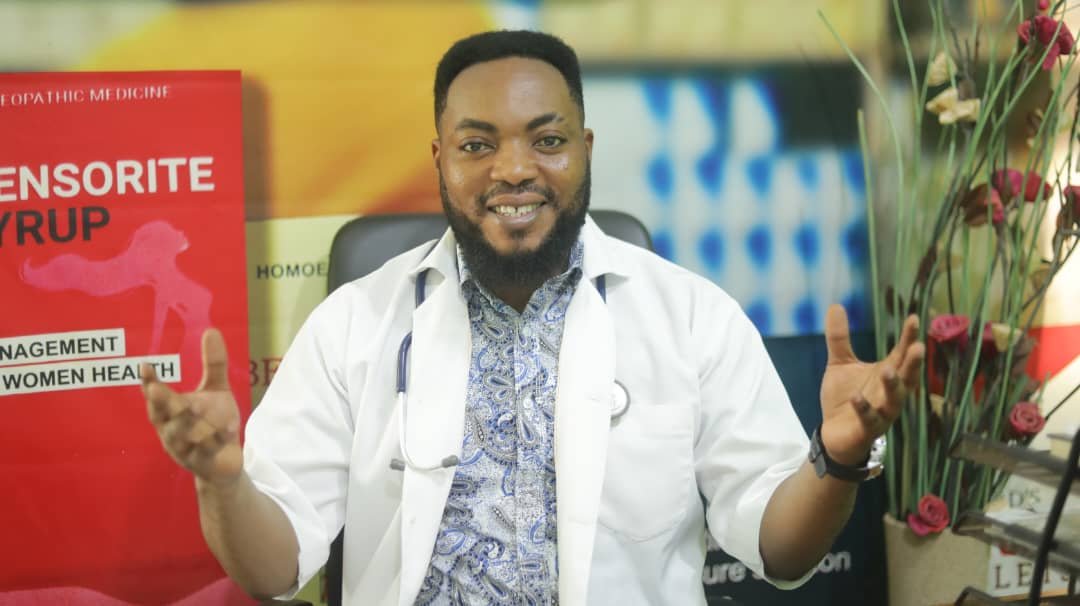
A medical director at C4C Liver Specialist Hospital, Dr George Asiamah Jr., has warned Ghanaians about the potential health risks associated with the frequent consumption of junk and highly processed foods.
According to him, the increasing popularity of junk food has become a major concern as busy lifestyles and demanding work schedules continue to push many people toward convenient food choices.
Speaking to a source at KPDOnline.com, Dr Asiamah said many people now rely on foods such as burgers, pizzas and fried foods because they are easily accessible and require little time to obtain or prepare.
He cautioned, however, that regular consumption of such foods could contribute to several health complications, particularly when combined with a lack of physical activity.

Obesity and Joint Problems
Dr Asiamah identified obesity as one of the major health risks associated with excessive consumption of junk food.
He explained that frequent intake of high-calorie foods can result in excess weight gain and the accumulation of fat, particularly around the abdomen.
He noted that obesity could subsequently contribute to joint pain and arthritis, as the additional body weight places greater pressure on the joints and can affect mobility.
Diabetes and Energy Crashes
The medical director also warned about the high sugar content of many processed foods.
He explained that although sugary foods can provide a quick source of energy, the effect may not last long, potentially resulting in what he described as energy crashes.
In the long term, he cautioned that excessive consumption of sugary foods, particularly when associated with obesity, could increase the risk of Type 2 diabetes.
He explained that the pancreas plays an important role in regulating blood sugar levels and also contributes to digestion, making healthy dietary habits important for its proper functioning.

Heart and Kidney Health
Dr Asiamah also referred to emerging research concerning possible links between exposure to certain chemicals found in some food packaging and fertility problems, mentioning phthalates in particular.
He also pointed to fried and fatty foods as concerns because of their potential contribution to unhealthy cholesterol levels and cardiovascular problems.
According to him, poor circulation and conditions associated with diabetes and high blood pressure can also have implications for vital organs, including the kidneys.
He cautioned that diabetes can particularly place additional strain on the kidneys as the body attempts to remove excess sugar.
Liver Health
As a doctor associated with C4C Liver Specialist Hospital, Dr Asiamah also emphasised the potential impact of poor dietary habits on the liver.
He explained that the liver processes substances entering the body and can be placed under significant strain when a person regularly consumes highly processed and unhealthy foods.
He warned that unhealthy dietary patterns can contribute to fatty liver disease and other liver-related complications.

Fertility and Dental Problems
Dr Asiamah also referred to emerging research concerning possible links between exposure to certain chemicals found in some food packaging and fertility problems, mentioning phthalates in particular.
He further warned that frequent consumption of sugary foods can increase the risk of dental problems such as cavities, tooth decay and gum disease, including gingivitis.
How Can People Reduce the Risks?
Dr Asiamah advised people to gradually reduce their dependence on junk food rather than making it a regular part of their daily diet.
He recommended reducing portion sizes and avoiding the habit of eating junk food every day.
He also advised people who consume such foods to eat them earlier rather than late at night and to engage in physical activity afterwards.
According to him, activities such as walking, dancing, jogging, running and playing football can help people remain physically active and manage their weight.
He stressed the importance of discipline and healthier lifestyle choices, noting that people should be conscious of what they put into their bodies.
“You know, we are what we eat,” Dr Asiamah said, urging the public to make healthier food choices to maintain good health and prevent diet-related conditions.

Dr George Asiamah Jr. is the Medical Director of C4C Liver Specialist Hospital. The hospital operates under the C4C healthcare group and has locations in several Ghanaian cities.
Health & Fitness
KNUST, Breast Care International and International Partners Deepen Cancer Care Partnership

The Kwame Nkrumah University of Science and Technology (KNUST) has reaffirmed its commitment to advancing cancer care, research and healthcare innovation following a high-level courtesy visit by officials from Breast Care International (BCI), Peace and Love Hospitals (PLH) and the University of Washington (UW).

The delegation, which included Dr Mark Fauver from the University of Washington, paid a courtesy call on the Vice-Chancellor of KNUST, Prof. Christian Agyare, to congratulate him on his appointment and discuss ways of strengthening the long-standing collaboration between KNUST, Peace and Love Hospitals/Breast Care International, the University of California, Davis (UC Davis) and the University of Washington.

The meeting focused on expanding partnerships aimed at improving healthcare delivery, enhancing cancer research, promoting innovation and building the capacity of healthcare professionals in Ghana.

Support for Cancer Centre of Excellence
A major outcome of the engagement was Prof. Christian Agyare’s pledge to continue supporting the Otumfuo Osei Tutu II Comprehensive Cancer Centre of Excellence (OOTII CCCOE).

The Vice-Chancellor also expressed his commitment to fostering stronger collaboration between the Centre and KNUST’s Department of Pathology and Department of Biomedical Engineering. The proposed partnership is expected to strengthen training, research, technological innovation and multidisciplinary collaboration in cancer diagnosis and treatment.

According to the delegation, the discussions reaffirmed the shared vision of all partner institutions to improve cancer care through strategic partnerships that combine academic excellence, medical expertise and international collaboration.
Longstanding Partnership
The courtesy visit marked another milestone in the enduring relationship between KNUST, Breast Care International, Peace and Love Hospitals and their international partners.

The institutions noted that continued collaboration with UC Davis and the University of Washington will help accelerate research, enhance medical training and improve access to quality cancer care for patients across Ghana.

The delegation expressed appreciation to Prof. Christian Agyare for his warm reception, continued support and commitment to strengthening partnerships that will contribute to improved healthcare outcomes.
They also reiterated their collective resolve to build a stronger future for cancer care in Ghana through sustained collaboration, innovation and capacity bui

Should Schools Have More Career Mentorship Programmes?

These Nonsense Must Stop! – Seth Afum A. Dankwah Calls for End to Ghana’s Insult Politics

Shatta Wale Urges UPSA Students to Turn Ideas into Sustainable Ventures



-

 Entertainment2 weeks ago
Mahama Is First President to Put GH¢40m Seed Money into Creative Arts Fund: Kojo Preko Dankwa
-

 General News7 days ago
GTA’s Financial Strength Weakens Despite 2025 Tourism Activities
-

 Entertainment2 weeks ago
Keche Supports Street Vendor with GH¢3,000 After She Struggles to Make Sales
-

 Entertainment2 weeks ago
Government Repatriates Musician Barosky from UK
-

 General News7 days ago
GTA Cash Reserves Halve to GH¢640,000 Despite Improved Liquidity Ratio
-

 General News2 weeks ago
TVET is not for the academically weak – Advocate calls for change in Ghana’s mindset
-

 General News2 weeks ago
Techiman Assembly, Zoomlion Undertake Fumigation Exercise to Prevent Disease Outbreaks
-

 General News2 weeks ago
Police Launch Manhunt for Missing Assin Fosu Man as Captors Demand GH¢49,500 Ransom