
General News
Ghana Is Not No. 2 Narcotics Transit Hub In Africa — Faruok Al-Wahab Challenge The Claim

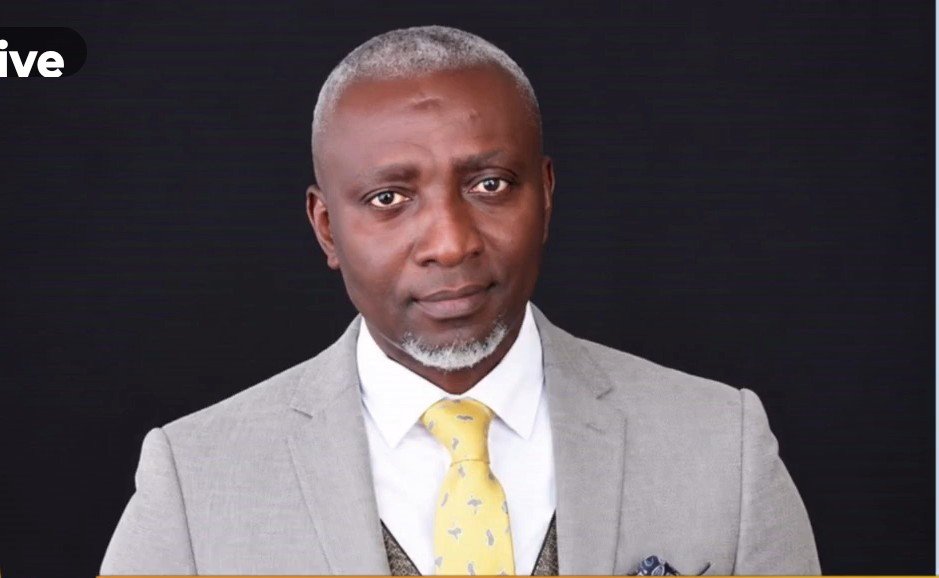
International Relations and Security Consultant Faruok Al-Wahab has rejected claims that Ghana has been ranked as the Africa’s second-largest narcotics transit hub, describing the assertion as inaccurate.
In a phone interview on Kessben Maakye show in Accra, Al-Wahab insisted, no international poll or opinion poll has established Ghana as the number-two country in Africa for illicit drug trafficking or transfer.
He explained that narcotics trafficking is not peculiar to Ghana, stressing that several countries across the world have been used as transit routes.
Al-Wahab said trafficking networks operating between South America and Europe often exploit the West African coastline, citing Mauritania, Senegal, The Gambia, Guinea, Liberia, Sierra Leone, Côte d’Ivoire and Ghana as countries along the belt.
He further argued that Ghana’s position along the coast, coupled with weaknesses in maritime monitoring across parts of West Africa, makes the region attractive to traffickers.
The security consultant also raised concerns about the ability of African countries to effectively patrol their waters, saying many lack adequate vessels and surveillance capabilities to combat narcotics trafficking and transfers at sea.
He cited Sierra Leone as an example, claiming the country currently has about 64 vessels abandoned along its river belt, some of which allegedly arrived as submarine-type vessels before being abandoned after their operations.
Al-Wahab also questioned intelligence coordination among Ghana’s security agencies, arguing that no security institution should prevent another from gathering intelligence within its operational domain.
He maintained that NACOC does not need another security agency to stop it from carrying out its operations, while calling for stronger intelligence gathering and coordination.
He further argued that Ghana lacks a sufficiently equipped Navy and Marine Police presence to effectively monitor its high seas and the Atlantic Ocean, claiming narcotics traffickers exploit such security gaps and use smaller licensed vessels with access to West African ports in their transactions as distance from South America to Africa is quite shorter than to Europe.
He disclosed that none of the West African countries at the belt have a radar control that covers a 100 nautical miles to monitor and prevent the activities of the traffickers, some doesn’t even have Navy or marine Police at all.
He entreated African governments to resource its security agencies, especially on marine belts to prevent the drug traffickers from exploiting their marine spaces.
By Maurice Otoo

Former NPP Ashanti Regional Chairman Bernard Antwi Boasiako, popularly known as Chairman Wontumi, is facing fresh charges in the alleged GH¢30 million Ghana Export-Import Bank (EXIM Bank) case after prosecutors refiled the charges.
The prosecution filed the new charge sheet on Tuesday, September 22, 2026, following the collapse of plea-bargain negotiations between Wontumi’s legal team and the State.
The fresh charges include defrauding by false pretences, uttering a forged document, money laundering and causing financial loss to the state. Prosecutors allege that more than GH¢14 million was obtained from EXIM Bank and that the transactions resulted in an estimated GH¢30 million loss to the state.
The case concerns a loan facility allegedly obtained for a farming project involving Wontumi Farms Limited and another accused person. The prosecution has also alleged that forged documents were used in connection with an additional GH¢4 million facility.
When the case came before the court on Tuesday, Wontumi’s lawyers requested more time after receiving the fresh charge sheet only that morning. The court granted the request and adjourned the case to October 13, 2026, when Wontumi is expected to take his plea afresh.
The development follows weeks of plea-bargain discussions between the defence and prosecution. Those negotiations ultimately failed to produce an agreement, prompting the State to withdraw the earlier charge sheet and file the new one.
Wontumi has previously pleaded not guilty to the allegations. The EXIM Bank case remains separate from his other legal proceedings.
General News
Rev. Dr. Christian Kwetey Kweitsu Set for International Recognition at 100 Most Influential Persons Awards in Kigali

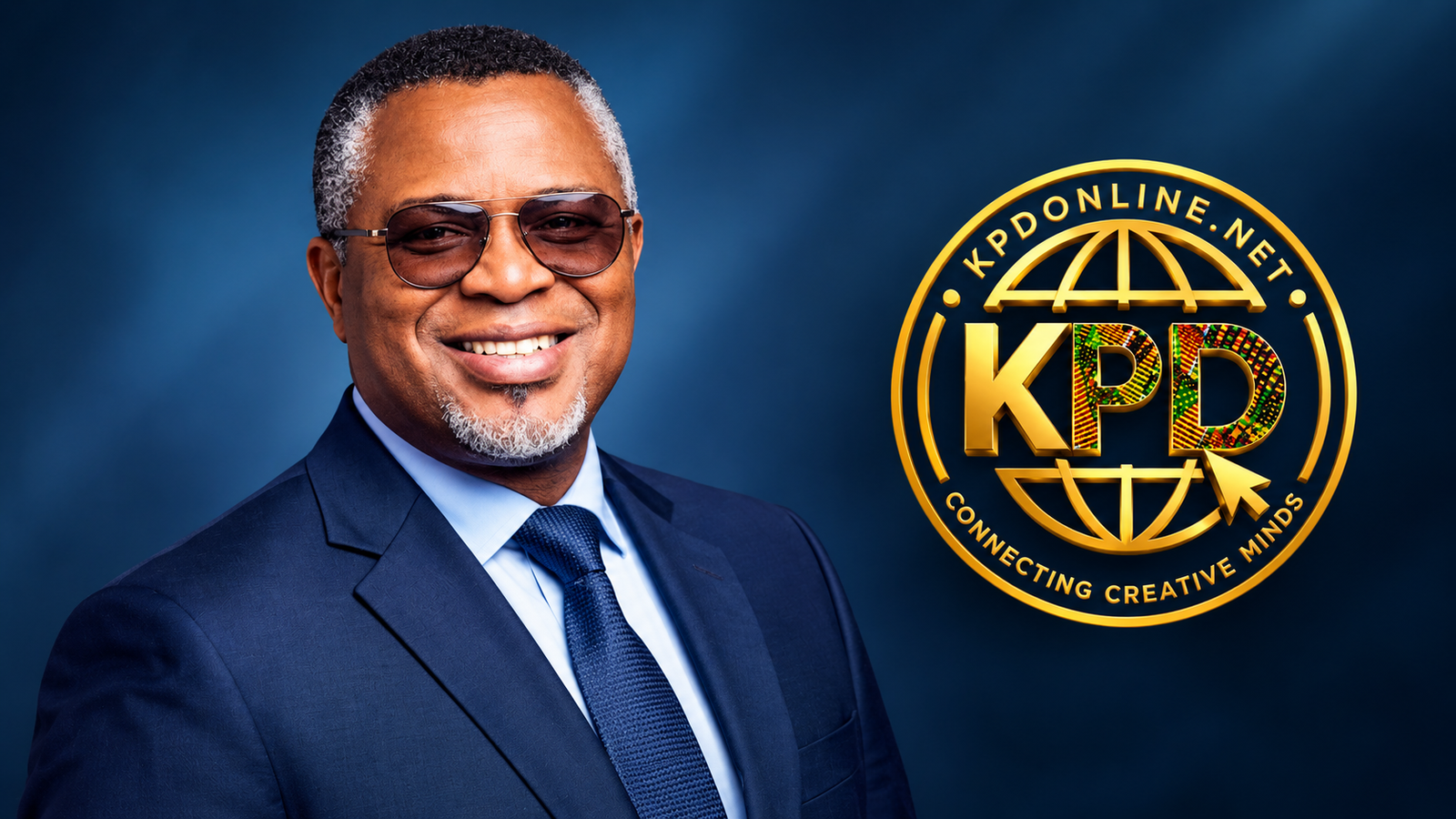
Accra, Ghana — September 22, 2026: Ghanaian audiologist and hearing-health advocate Rev. Dr. Christian Kwetey Kweitsu, Chief Executive Officer of KRISPAT Hearing Centre Ghana Ltd, is set to receive international recognition at the 2nd Edition of the 100 Most Influential Persons Awards – Africa, scheduled for September 25, 2026, at the M Hotel in Kigali, Rwanda.
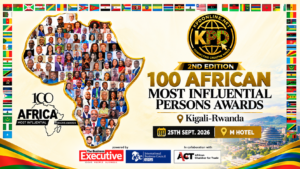
African Influential Persons Awards Poster
The event is being presented as a gathering of African leaders, business personalities and changemakers. Public information about the event identifies The Business Executive Ghana, International Business Council Africa and African Chamber for Trade among the organisations behind the awards.

Krispat Hearing Centre Ghana Ltd – Tema – Contact Number, Email Address – 3 Reviews
Recognition for hearing-health work
According to information provided for the recognition, Dr. Kweitsu is being acknowledged for his work in hearing healthcare and his contribution to improving access to services for people experiencing hearing challenges in Ghana and beyond.
Public professional profiles identify Kweitsu as the CEO of KRISPAT Hearing Centre Ghana Ltd and an audiologist specialising in hearing healthcare and hearing aids. His professional profile states that he has more than two decades of experience in the field.
KRISPAT’s services include hearing assessments, hearing-aid services and hearing-conservation programmes. A business listing for its Tema branch also identifies Kweitsu as the company’s manager and describes services including hearing tests, digital hearing aids, industrial hearing conservation and general ear and hearing care.

Denílson Monteiro entre os “100 Jovens Mais Influentes” em África | Skutam
Author of hearing-health book
Beyond clinical practice, Kweitsu has also worked on public education around hearing loss and hearing aids.
His professional profile lists the 2025 publication “Amplifying Life: A Comprehensive Guide to Hearing Aids – Understanding, Choosing and Caring.” The book is presented as a practical guide covering hearing loss, hearing-aid options, selection and care, while also addressing the experiences of people living with hearing challenges.
Kweitsu has also been involved in academic research. The University of Ghana repository lists his 2020 research work, Attitudes Towards the Use of Hearing Aids Among Hearing Impaired Population in Accra, Ghana, conducted through the Department of Audiology, Speech and Language Therapy.

M Hotel Kigali Rwanda – Turkana Wildlife Safaris
Continuing advocacy
His professional activities have included hearing-health outreach and education. A March 2026 outreach programme associated with KRISPAT Hearing Centre involved hearing-health screening and education at the Regworld Training Center in the Western Region, according to a professional post shared on his LinkedIn profile.
The upcoming Kigali recognition therefore comes as another international platform for highlighting work in a healthcare area that often receives less public attention.
Message to Ghanaians
Reacting to the recognition, Rev. Dr. Kweitsu expressed appreciation for being named among Africa’s influential personalities and encouraged Ghanaians to continue contributing to national development, regardless of how small their individual efforts may appear.
He stressed the importance of perseverance and service to society, expressing the view that sustained contributions to Ghana and humanity can eventually receive recognition.
The 100 Most Influential Persons Awards – Africa is scheduled for September 25, 2026, at M Hotel, Kigali, Rwanda. An event announcement published by IGIHE confirms the date, venue and participation of African leaders, changemakers and business personalities.
For Kweitsu, the Kigali event is expected to provide an international platform to spotlight Ghanaian contributions to hearing healthcare and the wider effort to improve awareness, prevention and support for people living with hearing challenges.
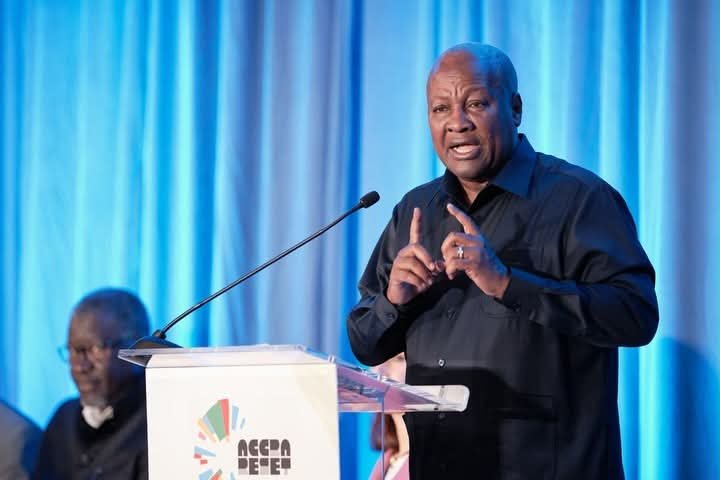
President John Dramani Mahama has said Ghana will use its upcoming chairmanship of the African Union (AU) to advance the Accra Reset agenda within wider continental policy discussions.
Ghana is scheduled to assume the chair of the African Union in January 2027, providing an opportunity for the country to place issues around health sovereignty, self-reliance and reforms in global development cooperation higher on the continental agenda.
Speaking at the “Full Circle: Making Global Development Work Again” side event of the 81st United Nations General Assembly in New York, President Mahama said Ghana would carry the principles of the Accra Reset into Africa’s collective policy framework.
“As Ghana prepares to assume the chair of the African Union next year in January 2027, I assure you we will carry this Accra Reset agenda into the heart of Africa’s collective policy framework,” he said.
President Mahama said Ghana would work closely with the Non-Aligned Movement and the G77 Plus in pursuing the initiative and promoting reforms that give developing countries greater capacity to shape their own development priorities.
The Accra Reset was launched in New York a year ago as a platform for addressing challenges facing the Global South, including geopolitical vulnerability, geostrategic marginalisation and dependence on external development financing.
According to President Mahama, the initiative seeks to promote stronger domestic productive capacity, financial resilience and greater control over critical sectors, while maintaining international cooperation based on equality.
He said the agenda was not intended to encourage countries to isolate themselves from the global system, but rather to build what he described as “pragmatic interdependence”—partnerships in which countries engage each other as equals.
“Stronger, self-reliant southern partners are not a threat to the global North. On the contrary, resilient health systems in Africa, Asia, and South America make the entire world safer for all of us,” he said.
The President said health had been chosen as an initial area for the Accra Reset because of its importance to human development and the vulnerability of health systems to external shocks and financing pressures.
He said the recently launched A Sovereign Future for Health report, which contains 10 recommendations for reforming global health governance, would provide a framework for advancing the initiative.
President Mahama also linked the Accra Reset to Ghana’s domestic Resetting Ghana Agenda, which focuses on strengthening fiscal management, governance, industrial capacity, local value addition and public health systems.
He argued that continental and global reforms must be matched by stronger domestic accountability.
“There can be no ownership without control,” he said, while adding that greater control must also be accompanied by accountability to citizens.
As Ghana prepares to take up the AU chairmanship, the President said the country would seek to move the Accra Reset from international discussions into practical continental action, with a focus on building stronger and more resilient systems across Africa.
General News
We Are Bringing Public Policy and Corporate Responsibility Together to Safeguard Mothers and Children – Mahama

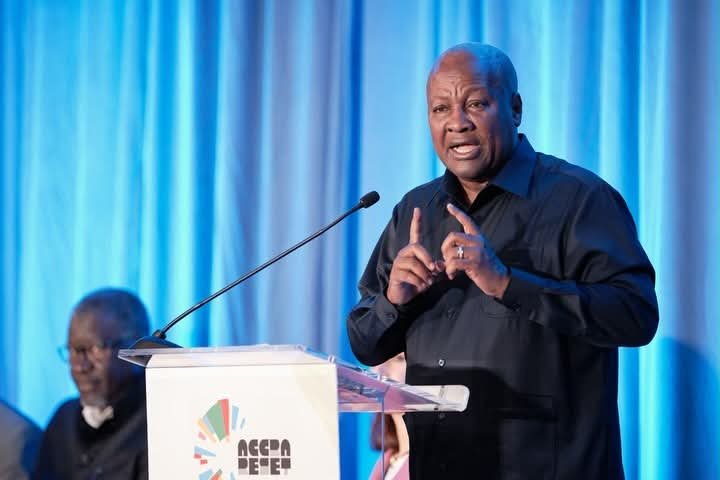
President John Dramani Mahama has called for stronger collaboration between governments and the private sector to improve maternal and child health, saying public policy must be matched by corporate responsibility to protect the lives of mothers and children.
Speaking at the “Full Circle: Making Global Development Work Again” side event of the 81st United Nations General Assembly in New York, President Mahama identified maternal and child health as one of the key areas through which the Accra Reset agenda would be tested.
He said health was chosen as an initial focus of the global reset because it remains one of the most important areas of human development and because weaknesses in health systems continue to have serious consequences, particularly for women and children.
“Globally, nearly seven out of 10 maternal deaths occur in sub-Saharan Africa every year, and my own country, Ghana, is not an exception,” President Mahama said.
He noted that Ghana’s maternal mortality rate remains above the recommended Sustainable Development Goal target, describing the situation as one that requires urgent and sustained action.
President Mahama said the government could not address the challenge alone and highlighted initiatives designed to bring together public policy and private-sector support.
He cited the Mother Africa Initiative, championed by Tanzanian President Samia Suluhu Hassan, and the Business United for Mothers, Babies, and Youth (BUMBY) campaign as examples of efforts seeking to mobilise broader support for maternal, child and youth health.
«“We are bringing public policy and corporate responsibility together to safeguard the lives of mothers and children,” he said.»
According to President Mahama, such initiatives would provide an opportunity to test the proposed financial and governance architecture of the Accra Reset in practical terms.
He said the focus should not only be on developing policies but also on ensuring that those policies produce measurable improvements in people’s lives.
The President linked the maternal and child health agenda to the broader objective of strengthening health sovereignty across the Global South.
He argued that countries must build stronger domestic health systems, develop local production capacity and reduce excessive dependence on external sources for essential health products.
President Mahama also launched the report “A Sovereign Future for Health” at the New York event. The report contains 10 recommendations aimed at reforming global health governance and strengthening the capacity of countries to shape their own health priorities.
He said Ghana would work with governments, international health organisations, development finance institutions, philanthropies and the private sector to translate the recommendations into practical programmes.
President Mahama said the ultimate measure of the Accra Reset should be its ability to deliver tangible improvements for ordinary people.
He stressed that the global development system must ultimately work for individuals whose lives depend on functioning health systems, including mothers and children.
“The reality must be for that baby girl born tonight, whether in Kathmandu, in Arusha, or Damango,” he said.
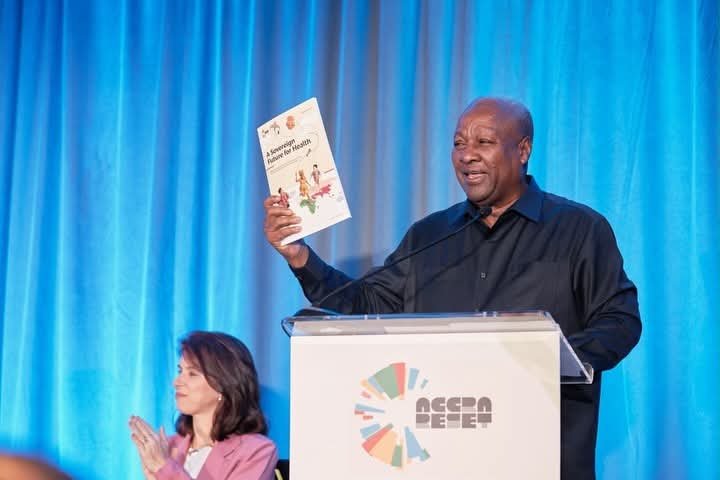
President John Dramani Mahama has officially launched a new report under the Accra Reset initiative, calling for greater control, accountability and self-reliance in global health and development.
The report, titled “A Sovereign Future for Health,” was launched during the Full Circle: Making Global Development Work Again side event held on the sidelines of the 81st United Nations General Assembly (UNGA) in New York.
The report is the product of a high-level panel established to examine reforms to the global health architecture and governance system.
Addressing the gathering, President Mahama said the Accra Reset was created to respond to what he described as growing vulnerabilities within the global development system, particularly the dependence of countries in the Global South on external financing and decisions made outside their borders.
He identified geostrategic marginalisation, geopolitical vulnerability and donor dependence as three interconnected challenges facing developing countries.
“These are not three separate misfortunes; they are interconnected threats of a broken global system,” he said.
President Mahama argued that countries must strengthen their political authority, productive capacity and financial resilience if they are to take greater responsibility for their development.
He drew a connection between the Accra Reset and Ghana’s Resetting Ghana Agenda, saying his administration was pursuing similar principles through reforms in the economy, fiscal management, governance, industrialisation and public health.
«“A national reset without a global reset leaves us building on shifting sands. Likewise, a global reset without domestic discipline is unfeasible. They are two sides of the same coin,” he said.»
‘No ownership without control’
A major theme of the report and President Mahama’s address was the relationship between ownership and control.
He questioned the effectiveness of development programmes that expect countries to take ownership of outcomes while critical resources and decisions remain largely outside their control.
«“There can be no ownership without control,” he said.»
However, President Mahama stressed that greater national control must also be accompanied by strong accountability.
He said governments seeking greater authority over development resources must be prepared to account to their citizens for how those resources are used.
“If we demand control, we must end it through uncompromising domestic accountability,” he said.
Health sovereignty
President Mahama said health was deliberately chosen as the first major area of focus for the Accra Reset because of its importance to human wellbeing.
He called for stronger local capacity to manufacture essential medicines and other health products, using Ghana’s pharmaceutical sector as an example.
He said Ghana should not simply build health facilities while relying on foreign suppliers for essential medicines and medical supplies.
Instead, he advocated domestic production supported by government procurement and access to regional markets.
The President also highlighted maternal and child health as an important test of the proposed reforms, noting that sub-Saharan Africa continues to account for a significant share of global maternal deaths.
He said initiatives such as the Mother Africa Initiative and the Business United for Mothers, Babies, and Youth (BUMBY) campaign would help bring public policy and corporate responsibility together to protect mothers and children.
From report to action
President Mahama said the launch of A Sovereign Future for Health should mark the beginning of implementation rather than the end of another international discussion.
He said Ghana would work with governments, global health organisations, development finance institutions, philanthropies and private-sector partners to translate the report’s recommendations into country-level programmes.
The proposed partnerships, he said, should strengthen links between research, regulation, local manufacturing and reliable distribution systems.
President Mahama stressed that the Accra Reset was not intended to promote isolationism.
“We are seeking pragmatic interdependence, a mature equal partnership where we see one another as equals,” he said.
As Ghana prepares to assume the chairmanship of the African Union in January 2027, President Mahama said the country would take the Accra Reset agenda into wider African policy discussions.
He also said Ghana would work with the Non-Aligned Movement and the G77 Plus to advance reforms in global development cooperation.

Wontumi faces fresh charges in GH¢30m EXIM Bank case

Rev. Dr. Christian Kwetey Kweitsu Set for International Recognition at 100 Most Influential Persons Awards in Kigali

Ghana Is Not No. 2 Narcotics Transit Hub In Africa — Faruok Al-Wahab Challenge The Claim



-

 General News1 week ago
GTA’s Financial Strength Weakens Despite 2025 Tourism Activities
-

 General News1 week ago
GTA Cash Reserves Halve to GH¢640,000 Despite Improved Liquidity Ratio
-

 Entertainment2 weeks ago
Keche Supports Street Vendor with GH¢3,000 After She Struggles to Make Sales
-
 General News2 weeks ago
TVET is not for the academically weak – Advocate calls for change in Ghana’s mindset
-
 General News2 weeks ago
Techiman Assembly, Zoomlion Undertake Fumigation Exercise to Prevent Disease Outbreaks
-
 General News2 weeks ago
Police Launch Manhunt for Missing Assin Fosu Man as Captors Demand GH¢49,500 Ransom
-
 General News1 week ago
Creative Arts Agency Records GH¢2.01m Revenue in FY2025 Despite Financial Reporting Gaps
-
 Business2 weeks ago
Bank Profits Slide to GH¢7.1bn as Low Interest Rates Squeeze Earnings