
General News
‘Master Stroke Decision’ — Franklin Cudjoe Welcomes Mahama’s Ministerial Changes

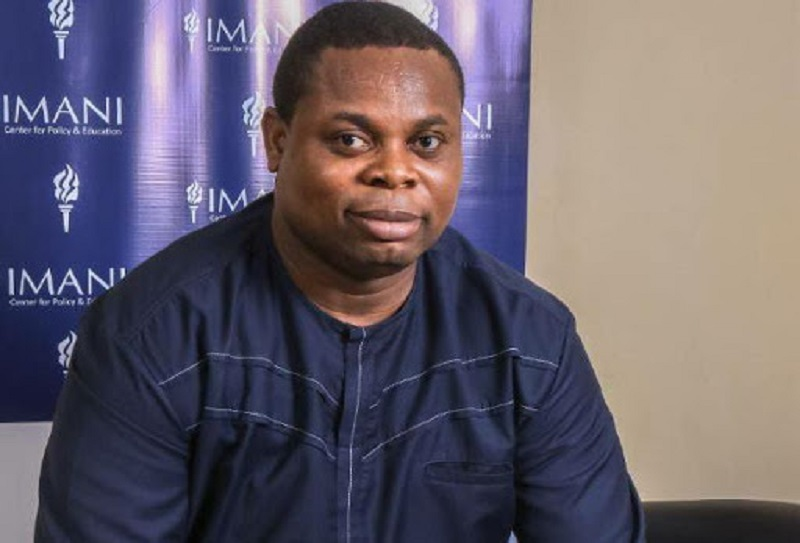
IMANI Africa President Franklin Cudjoe has described the latest ministerial changes under the Mahama administration as a “master stroke decision,” particularly welcoming the appointment of Dr. Cassiel Ato Forson as Defence Minister and the reassignment of Ahmed Ibrahim to the Ministry of Works and Housing.
According to Mr Cudjoe, the decision to move Ahmed Ibrahim from his previous portfolio could give him an opportunity to perform more effectively in a ministry where his experience and capabilities are limited.
“Master stroke decision! Especially Ayariga replacing Ahmed Ibrahim,” Mr Cudjoe stated, while assessing the recent changes within government.
He suggested that Ahmed Ibrahim had been overwhelmed by the demands surrounding the implementation of the government’s 24-hour economy and markets-related initiatives.
“Ahmed was struggling. He needed to formalise the procurement processes, but voracious party people and some traditional rulers made him give up the ghost,” he said.
Mr Cudjoe, however, expressed confidence that Ahmed Ibrahim could make a meaningful impact at the Works and Housing Ministry.
He also welcomed the appointment of Zanetor Agyeman-Rawlings, suggesting that her new position provides an opportunity for her abilities to receive greater attention.
“Finally Zanetor gets noticed. We will support her to do well,” he said. Ato Forson faces new challenge at Defence
Turning his attention to the Defence Ministry, Mr Cudjoe said the new minister, Dr Cassiel Ato Forson, appears to be a practical person, while warning that his new assignment comes with significant responsibilities.
He noted that Dr Ato Forson had left an impression during his time at the Works and Housing Ministry, although he acknowledged that Ghana remains “light years away” from resolving the country’s affordable housing deficit on a large scale and within a short period.
“He is a very practical person and has left some memories at the Works and Housing Ministry, even though we are still light years away from fixing affordable housing on a large scale and on a short [term],” Mr Cudjoe said.
He stressed that the Defence Ministry would present an entirely different set of challenges, particularly as government prepares to retool the security services.
Mr Cudjoe said the planned acquisition of military aircraft, munitions and other equipment would require strong oversight to ensure that the country obtains value for money.
“Well, he has a more challenging ministry now. Now he must man up and ensure, as the government plans retooling the services, especially the purchase of aircraft and munitions,” he stated.
Mr Cudjoe further disclosed that IMANI Africa intends to closely examine the government’s procurement processes in the defence sector.
He said the organisation’s planned scrutiny is partly inspired by conversations he had with the late Defence Minister, Dr Edward Kofi Omane Boamah, before his death.
According to him, the late minister had been discussing the need for experts with specialised knowledge in military equipment and weapons procurement to help Ghana secure better value for money.
“IMANI will be thoroughly examining the procurement process. At least I owe that to my friend Hon. Omane Boamah. Until his untimely death, he had been discussing with me to ensure that I marshal experts who know how to purchase and value military equipment and weapons to help get better value for money for Ghana,” Mr Cudjoe said.
Meanwhile, Mr Cudjoe disclosed that IMANI Africa is beginning a structured engagement with ministers and their technical teams as the Mahama administration moves beyond the 18-month mark in office.
He said the initiative is intended to provide the policy think tank with a deeper and evidence-based understanding of the realities confronting various ministries and the direction of government policies.
“As we wait for a few more changes, we have now passed the eighteen-month mark of the current administration. IMANI is initiating a structured series of high-level engagements with key Ministers of State and their technical teams,” he said.
He explained that the engagements would focus on understanding the operational realities and strategic direction of the sectors being managed by the various ministers.
According to Mr Cudjoe, conventional public reporting does not always capture the complexities surrounding policy implementation, including administrative hurdles, institutional constraints and reforms taking place within government.
The proposed engagements will therefore serve as fact-finding and alignment discussions.
Four key areas of engagement
Mr Cudjoe said the engagements would focus on four major areas.
The first is a baseline assessment, which will examine the condition of each ministry, its agencies and ongoing projects at the time the minister assumed office.
The second is vision and performance tracking, involving an assessment of the strategic vision being pursued by the ministry and the indicators being used to measure progress towards its goals.
The third area is operational challenges, covering the systemic, financial, legislative and administrative difficulties confronting the ministry.
The fourth is milestones and successes, which will examine key achievements, policy gains and major initiatives recorded during the first year and a half of the administration.
Mr Cudjoe said the broader objective is to help improve public understanding of the work being undertaken across government.
“Public policy thrives on public consensus,” he said, stressing that IMANI’s engagements are intended to help provide a clearer account of the work being done by the ministries.
He explained that by gaining firsthand knowledge of how ministries operate, IMANI would be better positioned to place government programmes and challenges within the wider national conversation.
“This dialogue will be mutually beneficial and will contribute significantly to enhancing public transparency and systemic progress,” he said.
Mr Cudjoe disclosed that IMANI has already held an engagement with the Minister of Trade, Industry and Innovation.
He added that the Minister of Agriculture is expected to be next as the think tank continues its planned engagements with government ministers and their technical teams.
https://x.com/lordcudjoe/status/2085827119582445616?s=20

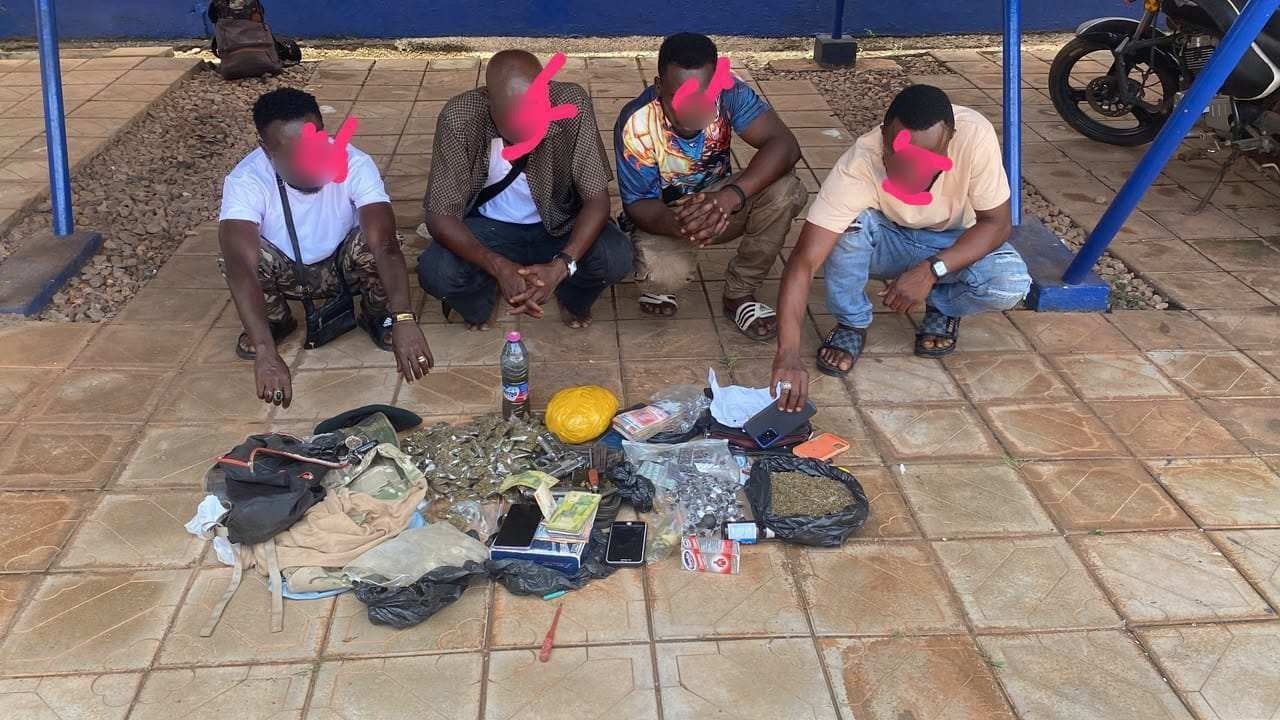
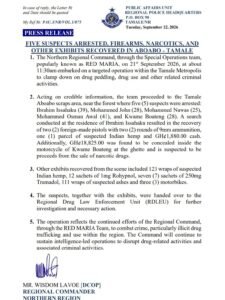
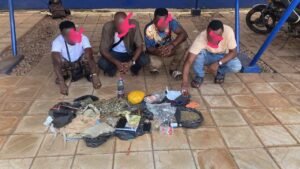
The Northern Regional Police Command has arrested five suspects and recovered firearms, ammunition, suspected narcotics, cash and other exhibits during an intelligence-led operation at the Aboabo Scrap Area in Tamale.
The operation, conducted on Monday, September 21, 2026, was carried out by the Regional Special Operations Team, popularly known as RED MARIA, following what the police described as credible intelligence concerning suspected drug-related and other criminal activities in the area.
The suspects have been identified as Ibrahim Issahaku, 39; Mohamed John, 28; Mohamed Nawas, 25; Mohamed Osman Awal, 41; and Kwame Boateng, 28.
According to the police, Mohamed John and Mohamed Nawas are suspected drug users, while Kwame Boateng is suspected of dealing in narcotics.
Police also identified Mohamed Osman Awal as the owner of the scrap business at the location and alleged that he had been harbouring suspected drug peddlers on the premises.
Pistols, ammunition and suspected drugs uncovered
A search of Ibrahim Issahaku’s residence reportedly led to the recovery of two foreign-made pistols, two rounds of 9mm ammunition, a parcel of suspected Indian hemp and GH¢1,880 in cash.
Police also found GH¢18,825 concealed inside Kwame Boateng’s motorcycle, which they suspect could be proceeds from the sale of narcotic drugs.
The operation further yielded 123 wraps of suspected Indian hemp, 12 sachets of 1mg Rohypnol, seven sachets of 250mg Tramadol and 111 wraps of suspected “ashes”.
Three motorbikes were also seized during the operation.
The arrests and recoveries have heightened attention on criminal activities around the Aboabo area, where police have previously conducted operations targeting suspected drug activities and other offences.
The five suspects, together with the recovered exhibits, have since been handed over to the Regional Drug Law Enforcement Unit (RDLEU) for further investigation and necessary action.
The Northern Regional Police Command has reiterated its commitment to intelligence-led operations aimed at disrupting drug trafficking, drug use and related criminal activities in the region.
The suspects remain under investigation, and the allegations against them have not yet been tested in court.

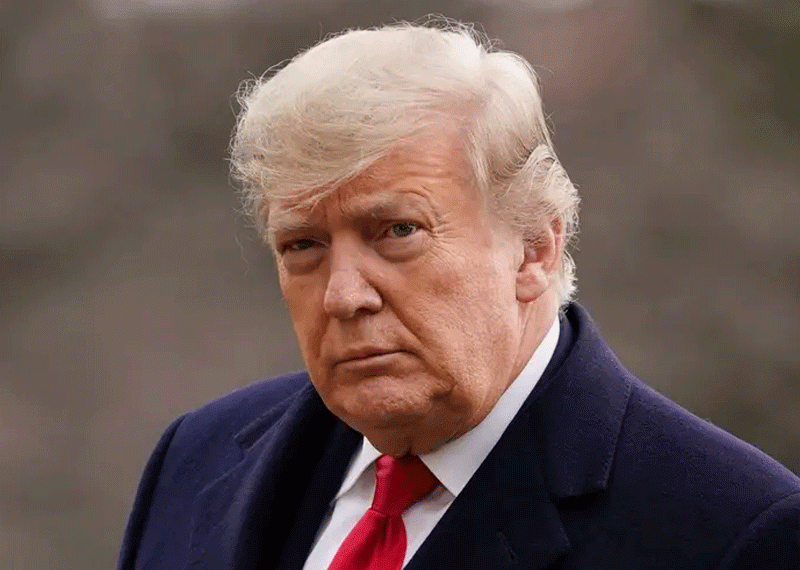
US President Donald Trump has called on countries that are members of the International Criminal Court (ICC) to withdraw from the institution, describing it as a “rogue” tribunal with no jurisdiction over the United States.
Addressing the 81st United Nations General Assembly in New York, Trump said the United States would not allow its service members or other Americans to be subjected to investigations or trials by the ICC.
“The United States is equally opposed to the out-of-control institution known as the International Criminal Court,” Trump said.
“We will never allow U.S. service members or anyone else to be investigated or given show trials by an anti-American tribunal with no jurisdiction over us.”
He subsequently urged ICC member states to leave the court.
“I call on all nations that are members of the ICC to officially resign from this rogue institution immediately,” he said.
Trump also criticised UN human rights officials over their scrutiny of US policies on immigration and transgender-related issues.
He accused international human rights bodies of devoting attention to US domestic policies while, in his view, failing to adequately address persecution of Christians and human rights abuses in countries with repressive governments.
“It is equally unacceptable that, with all the genuine atrocities in the world, the UN’s top human rights officials spend their time criticizing the United States for protecting our children from transgender mutilation and enforcing our immigration laws,” Trump said.
He also highlighted what he described as widespread persecution of Christians around the world.
“Christians are being persecuted all over the world,” he said, arguing that greater international attention should be directed towards such cases and abuses committed by repressive regimes.
Trump further criticised calls for the United States to ease its immigration restrictions, linking the issue to concerns over gangs and criminal networks entering the country.
By Angel No Lie | KPD Online | September 22, 2026
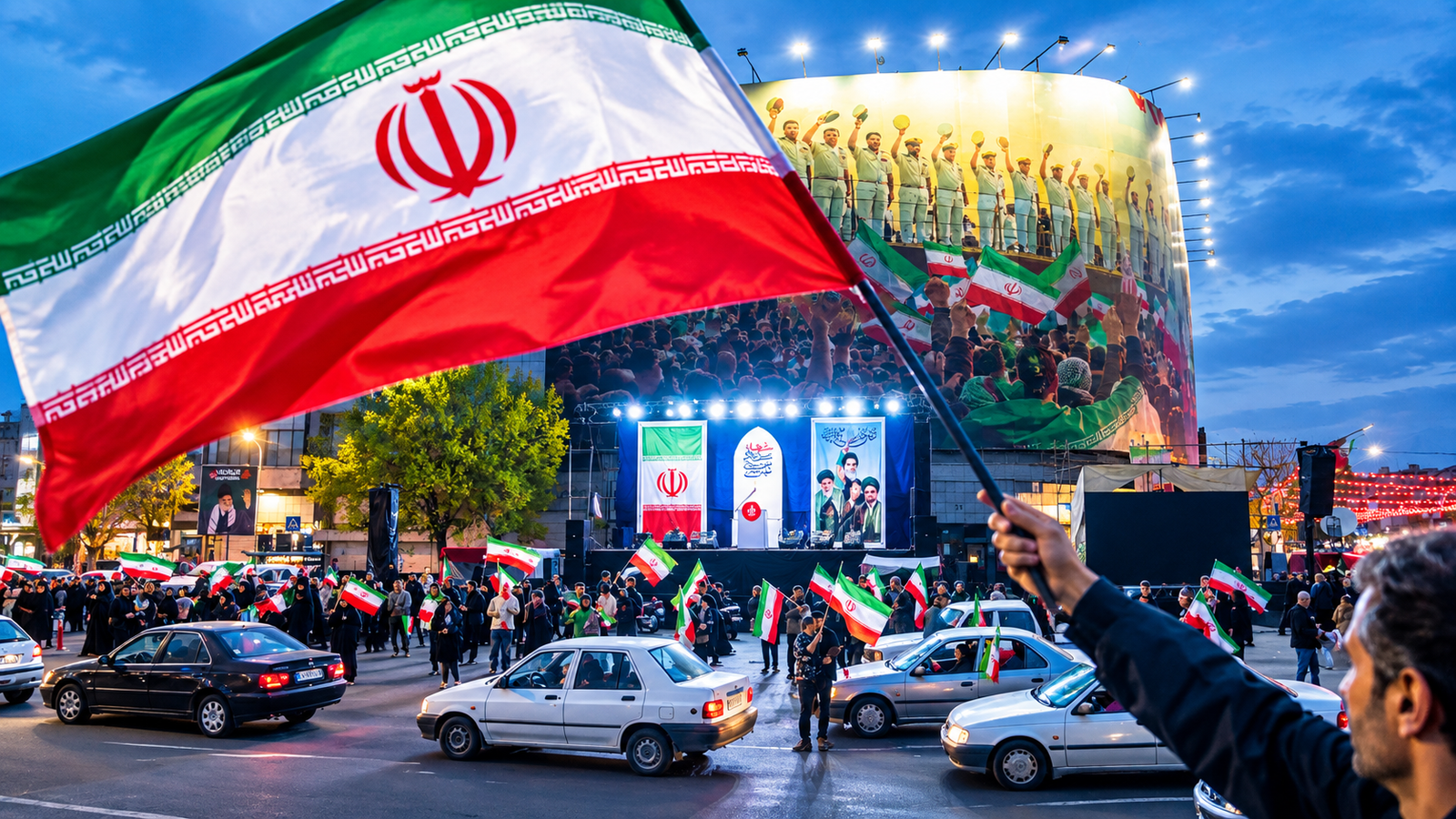
NEW YORK — Tensions across the Middle East are casting a long shadow over the opening of the United Nations General Assembly, as world leaders gather in New York against the backdrop of continuing conflict involving Iran, Israel, Gaza, Lebanon and Yemen.
The high-level general debate of the 81st UN General Assembly opened on Tuesday, September 22, with heads of state and government arriving for a week of speeches, diplomatic meetings and negotiations. The UN says the high-level week runs from September 22 to 29, with the general debate scheduled for September 22–26 and September 28.

El mundo vive un caos, la prioridad debe ser defender el multilateralismo | Naciones Unidas en Colombia
Iran war dominates diplomatic agenda
The continuing conflict between the United States and Iran is among the most pressing issues confronting delegates.
U.S. President Donald Trump and Iranian President Masoud Pezeshkian are both attending the General Assembly, creating an opportunity for indirect diplomatic contacts even though the two leaders are not currently scheduled for a direct meeting. Reuters reports that Iranian officials have indicated that Tehran’s delegation has authority to revive negotiations, while Washington has also signaled openness to diplomacy.
The possibility of renewed negotiations comes as the dispute over the Strait of Hormuz remains a major regional concern. Iranian officials have linked reopening the strategic waterway to demands for reduced U.S. military pressure and the lifting of blockades on Iranian ports, according to Reuters.

Photo highlights from the 80th UN General Assembly in New York
Gaza and Israel-Palestinian conflict remain central
The war and humanitarian crisis in Gaza are also expected to feature prominently during the General Assembly.
The UN’s latest humanitarian reporting says civilians in Gaza continue to face widespread destruction, displacement, shortages of essential supplies and significant humanitarian needs. The organization has called for greater humanitarian access and continued implementation of a Gaza peace plan.
The Palestinian issue is also generating diplomatic controversy around this year’s gathering. Al-Monitor reported that the United States denied visas to Palestinian officials seeking to attend the summit, while Palestinian President Mahmoud Abbas is expected to address the General Assembly virtually.
Meanwhile, France, Britain and Canada are hosting a high-level meeting focused on advancing a two-state solution between Israel and the Palestinians.

Critical Military Strike Consequences Shape Security 2026

Нефть по $215. Новый кризис будет страшнее всех предыдущих: Иран изменит жизнь всей планеты – RuNews24.ru – 18.03.2026

IRAN-US-ISRAEL-WAR
Yemen and Gulf security add to concerns
The situation in Yemen is another major source of regional tension. Renewed fighting involving Houthi forces and Saudi-supported forces has added pressure to an already fragile security environment, while attacks and threats involving important maritime routes have raised concerns about regional trade and energy supplies.
Gulf Arab states are also seeking discussions with Washington over regional security. According to Reuters, Saudi Arabia is looking for renewed U.S. military support amid the conflict involving Iran and Houthi forces in Yemen.

ازدحام في مضيق هرمز.. مئات السفن تنتظر وواشنطن تطلب دعماً أوروبياً لتأمين الملاحة – [İLKHA] وكالة إيلكا للأنباء
Lebanon and wider regional instability
Israel’s conflict with Hezbollah in Lebanon is also among the regional issues expected to receive attention during the UN meetings. The Associated Press reported that the wars involving Iran, Yemen, Gaza and Lebanon are dominating discussions as leaders gather in New York.
The overlapping conflicts have created a diplomatic environment in which developments in one part of the region can quickly affect neighboring countries, maritime routes and international energy markets.

Destruction, displacement … The war in Lebanon in photos – L’Orient Today

Tensión en el mar Rojo: el buque mercante atacado por los hutíes frente a las costas de Yemen se está hundiendo – Infobae

UN-Hilfsgüter in Gaza: Plünderungen von Lastwagen und Lagerräumen
A critical moment for diplomacy
The gathering is taking place at a particularly difficult moment for the international system. Nearly 130 heads of state and government are expected in New York, according to Reuters, while the United Nations itself faces questions about its ability to manage major international crises.
UN Secretary-General António Guterres has repeatedly called for de-escalation in the Middle East and emphasized the need to protect civilians and maintain humanitarian access. In a September 16 briefing, he said de-escalation must be the priority and called for humanitarian operations to proceed safely.
The General Assembly therefore provides a major diplomatic platform for governments to present their positions while creating opportunities for private negotiations on the conflicts.
What to watch
Several developments will be closely watched during the UN meetings:
- U.S.-Iran diplomacy: Whether indirect contacts develop into renewed negotiations.
- Strait of Hormuz: Whether diplomatic efforts can reduce tensions surrounding the strategic shipping route.
- Gaza: Whether discussions produce progress on humanitarian access and the wider peace process.
- Israel-Palestinian diplomacy: Whether international efforts to advance a two-state framework gain momentum.
- Yemen and Gulf security: Whether regional governments can prevent further escalation and protect key maritime routes.
With the region facing several interconnected conflicts, this year’s General Assembly is becoming an important forum for both public confrontation and behind-the-scenes diplomacy. Whether those diplomatic efforts can translate into concrete steps toward de-escalation remains uncertain, but the presence of so many regional and global leaders provides an opportunity for negotiations at a time of heightened tensions.
Entertainment
Paramount Reaches Deal With 12 States, Removing Major Hurdle to Warner Bros. Acquisition


By Angel No Lie | KPD Online | September 22, 2026
LOS ANGELES — September 22, 2026 — Paramount Skydance has reached a settlement with California and 11 other U.S. states, resolving a major legal challenge to its proposed acquisition of Warner Bros. Discovery and clearing a key obstacle to the roughly $110 billion transaction.
The agreement ends an antitrust lawsuit filed in July by a coalition of state attorneys general. The states had argued that combining Paramount and Warner Bros. Discovery could reduce competition across movie production, television, streaming and cable markets.
Conditions attached to the settlement
Under the agreement, the combined company will face several court-enforceable commitments over a period of up to five years.
Among the most significant provisions is a requirement to maintain a minimum level of theatrical movie production. The company must release at least 30 films annually during the first two years, rising to 32 films a year for the following three years. Financial penalties can apply if the commitments are not met.
Paramount has also committed to spending an additional $300 million annually on domestic film production, representing at least $1.5 billion in additional investment over five years. The settlement also establishes a $47.5 million fund for workers affected by the transaction.
The agreement includes provisions concerning cable negotiations and establishes measures intended to protect editorial independence at CBS News and CNN, two major news organizations that would come under the same corporate ownership following the transaction.
A major change for Hollywood
If completed, the acquisition would combine Paramount and Warner Bros. Discovery’s extensive entertainment operations, including the Paramount and Warner Bros. film studios, CBS and CNN, and streaming services Paramount+ and HBO Max.
The Justice Department had previously cleared the transaction, while the lawsuit by the 12 states became a significant remaining obstacle. The settlement is subject to court approval.
California Attorney General Rob Bonta, whose office led the states’ legal challenge, said the settlement should not be interpreted as an endorsement of the merger. The states had originally sought to prevent the transaction, arguing that it could affect competition and consumers.
Paramount CEO David Ellison has described the merger as beneficial to consumers and the entertainment industry. The company is now moving toward completion of the acquisition, although the settlement’s court approval remains an important procedural step.
The proposed transaction would mark one of the largest consolidations in the modern U.S. entertainment industry, bringing two major Hollywood studios and their television, streaming and news operations under a single corporate structure.
By Angel No Lie | KPD Online | September 22, 2026
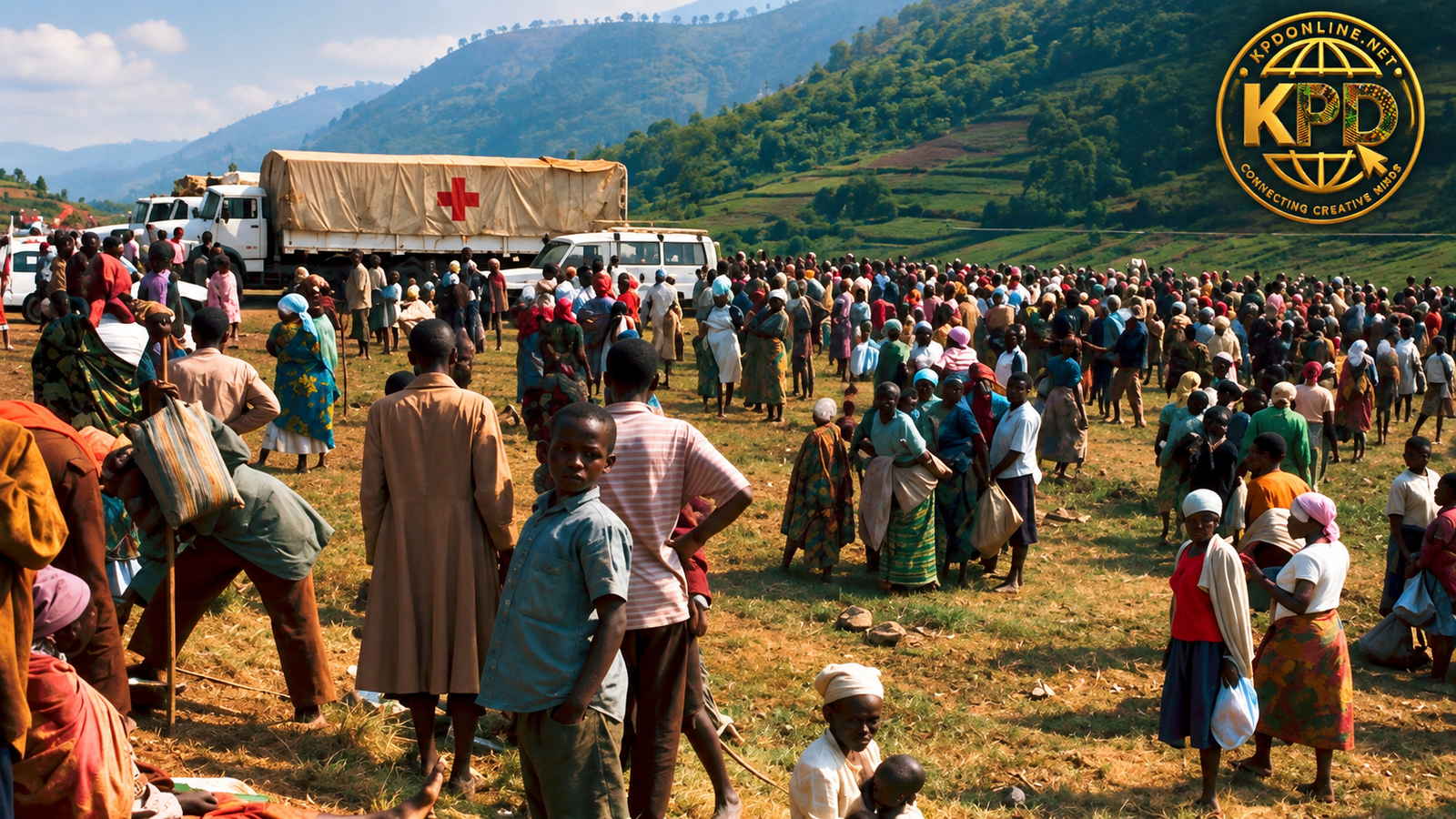
LONDON — British prosecutors have brought the first criminal case in the United Kingdom linked to the 1994 genocide against the Tutsi in Rwanda, a landmark development in efforts to hold suspected perpetrators accountable decades after the atrocities occurred.
The accused, Vincent Brown, a 65-year-old man originally from Rwanda, faces one count related to genocide and six counts related to murder as crimes against humanity. Prosecutors allege that he directed and encouraged acts of violence in Kigali during the opening days of the genocide in April 1994. Brown denies the allegations.

British man Jermaine Grant charged with directing activities of Somali terror group Al-Shabaab | The Independent
According to British authorities, the investigation began in 2019 following cooperation between UK investigators and Rwandan officials. The case was led by the Counter Terrorism Policing War Crimes Team, which examines allegations of genocide, crimes against humanity, and war crimes connected to suspects living in the United Kingdom.
The 1994 genocide remains one of the darkest episodes in modern history. More than 800,000 people, primarily Tutsis and moderate Hutus, were killed during approximately 100 days of violence that followed the assassination of Rwandan President Juvénal Habyarimana.

Remembrance and reconciliation – Rwanda’s rebirth | Singita

RWANDA-GENOCIDE-ANNIVERSARY
British officials described the prosecution as a significant milestone, noting that the UK has long investigated allegations connected to the genocide but had never previously brought charges in a domestic court. Authorities also confirmed that investigations involving several other individuals remain ongoing.
The case is expected to attract international attention as survivors, legal experts, and human rights organizations continue to monitor global efforts to prosecute genocide-related crimes regardless of where suspects are located.

Five suspects arrested as police seize firearms, narcotics in Tamale

Trump Calls on ICC Member States to Withdraw From ‘Rogue Institution’

Madrid Derby Fallout Deepens as Atlético Responds to Mourinho’s Referee Claims



-

 General News1 week ago
GTA’s Financial Strength Weakens Despite 2025 Tourism Activities
-

 General News1 week ago
GTA Cash Reserves Halve to GH¢640,000 Despite Improved Liquidity Ratio
-

 Entertainment2 weeks ago
Keche Supports Street Vendor with GH¢3,000 After She Struggles to Make Sales
-

 General News2 weeks ago
TVET is not for the academically weak – Advocate calls for change in Ghana’s mindset
-

 General News1 week ago
Creative Arts Agency Records GH¢2.01m Revenue in FY2025 Despite Financial Reporting Gaps
-
 Business2 weeks ago
Bank Profits Slide to GH¢7.1bn as Low Interest Rates Squeeze Earnings
-
 General News2 weeks ago
Police Launch Manhunt for Missing Assin Fosu Man as Captors Demand GH¢49,500 Ransom
-

 Culinary1 week ago
Oranges: More Than Just Juice — The Nutritious Fruit Adding Flavour to Ghanaian Life