
Entertainment
Traditional Priest Says Ghana’s Deities Have Not Abandoned Polluted Rivers and Seas

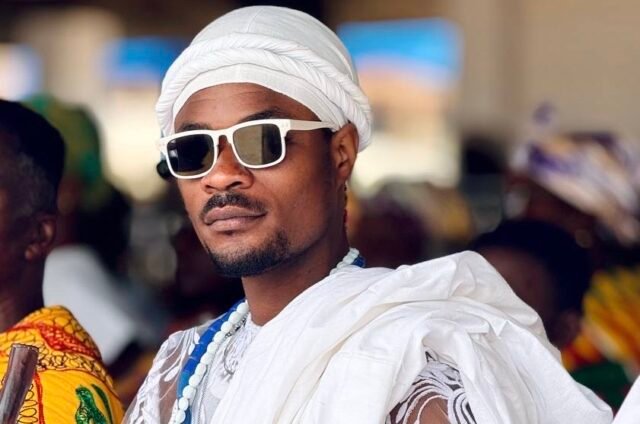
His Eminence Nuumo Tsawe Otrome II, Tsawe Wulormor of Kpone, has dismissed claims that pollution and environmental degradation have forced traditional deities to abandon Ghana’s rivers, lagoons and seas.
Speaking on Joy FM’s Showbiz A-Z with arts and culture journalist Kwame Dadzie, the revered traditional priest explained that, according to Ghanaian traditional cosmology, deities remain in their designated places forever, regardless of human activities or the condition of the environment.
He stressed that once a deity chooses a place of abode, it remains there permanently.
According to him, the sea is one of the most powerful deities in Ghana’s traditional belief system and maintains spiritual connections with many other deities. He noted that the sea was created to cleanse spiritual impurity, not to serve as a dumping site for plastic waste, rubber and other pollutants.
“The sea was created to wipe away spiritual dirt, not the physical waste that people dump into it. When people throw such waste into the sea, it returns it because that is not its purpose,” he said.
Nuumo Tsawe Otrome II blamed the worsening pollution of beaches, rivers and other water bodies on the gradual erosion of Ghana’s traditional values and cultural respect for nature.
He emphasised that humans and nature are inseparable, saying communities once protected sacred forests, groves and lands, but many of these sites have now been encroached upon and desecrated.
The traditional priest also rejected the belief that deities exist only to punish people, describing them as patient and tolerant. However, he warned that persistent abuse of nature and sacred sites could eventually lead to consequences such as destructive flooding, which he believes serves as a reminder that the deities are still present.
His remarks come as Ghana continues to battle the effects of illegal mining, deforestation, polluted rivers and recurring floods, issues that have reignited discussions about environmental protection and the role of traditional cultural values in safeguarding the country’s natural resources.


Ghanaian music stars Stonebwoy, Fameye, DopeNation and Akwaaboah are set to headline the maiden edition of the ‘Ghana for Gold’ Concerts, a two-city entertainment initiative designed to unite the Ghanaian diaspora while building support for Team Ghana ahead of the 2026 Commonwealth Games in Glasgow.
The concerts, organised by ASA Plus in partnership with Alordia Promotions, will kick off in London on Friday, July 17, 2026, before heading to Edinburgh, Scotland, on Saturday, August 1, 2026.
The London event will take place at the Dominion Centre, Gaumont Palace, 9 The Broadway, High Road, London (N22 6DS), while the Scottish edition will be hosted at the iconic Usher Hall in Edinburgh.
Promoters say the concerts are intended to celebrate Ghana’s rich cultural heritage while encouraging Ghanaians living abroad to rally behind the country’s athletes as they prepare to compete at the 2026 Commonwealth Games.
Held under the theme, “Come and celebrate our heritage. Support our athletes. Share the pride. One nation. One spirit. One celebration,” the events are expected to bring together music lovers, members of the Ghanaian community in the UK and supporters of Team Ghana.
Fans can expect electrifying performances from dancehall star Stonebwoy, highlife and Afro-fusion singer Fameye, award-winning music duo DopeNation and celebrated highlife musician Akwaaboah, who are all expected to perform some of their biggest songs during the concerts.
The London show will run from 9:00 p.m. to 2:00 a.m., with Standard tickets selling for £40 and VIP access priced at £60 through Eventbrite. For the Edinburgh concert, organisers have announced both Standard and VIP tickets at £60.

According to the organisers, the ‘Ghana for Gold’ Concerts are more than just music events. They form part of a wider campaign to promote Ghana’s culture internationally, strengthen ties with the Ghanaian diaspora and inspire national support for Team Ghana as the country prepares for the 2026 Commonwealth Games in Glasgow.
Additional information regarding ticket sales, logistics and other event updates will be announced through the organisers’ official communication channels in the coming weeks.
source:Adomonline
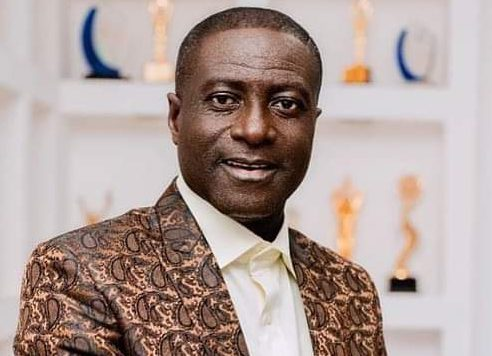
Veteran Ghanaian broadcaster Captain Smart has defended his decision to interview businessman and socialite Abu Trica, insisting he merely performed his duties as a journalist and did nothing to interfere with the ongoing extradition proceedings against his guest.
The broadcaster’s comments come after Abu Trica’s lawyer, Osagyefo Oliver Barker-Vormawor, criticised the television appearance, arguing that no lawyer would advise a client to publicly discuss a case that is still before the courts.
Speaking to journalists after a recent court hearing, Barker-Vormawor said individuals facing active legal proceedings should refrain from making public statements that could complicate their defence.
“No responsible lawyer would advise a client to grant a television interview and publicly discuss a case that is still before the courts,” he said.
Responding to the criticism, Captain Smart maintained that he had simply fulfilled his professional responsibility by giving Abu Trica an opportunity to tell his side of the story.
“I am not a court, first of all. I am not a lawyer, and I only acted in my role as a journalist,” he said.
Captain Smart also dismissed suggestions that the interview had negatively affected Abu Trica’s extradition case.
“Why should it affect him? I am not sure it has affected him,” he stated when asked whether the television appearance had placed the businessman at a legal disadvantage.
Addressing criticism on social media, where some users claimed the interview may have weakened Abu Trica’s legal position, the broadcaster declined to engage with those opinions.
“That is their opinion, and opinion is like noses. I do not see why I should comment on a post written by someone I have no knowledge of,” he added.
The controversy stems from Abu Trica’s appearance on Onua TV in June, during which he denied allegations linking him to an $8 million romance fraud scheme. During the interview, he claimed investigators had informed him that only $13,000 was directly connected to his case and also recounted aspects of his interrogation following his arrest.
The interview sparked widespread public debate, with some legal observers questioning whether it was appropriate for a suspect facing extradition to publicly discuss matters that remain before the courts.
Abu Trica is currently at the centre of extradition proceedings after the Accra High Court dismissed his application to stop his transfer to the United States, where he is wanted over allegations of wire fraud and money laundering. He has denied all wrongdoing and continues to challenge the allegations against him.
Entertainment
Lawyers for Abu Trica Say He Has Been Rushed to Police Hospital, Threaten Habeas Corpus Action
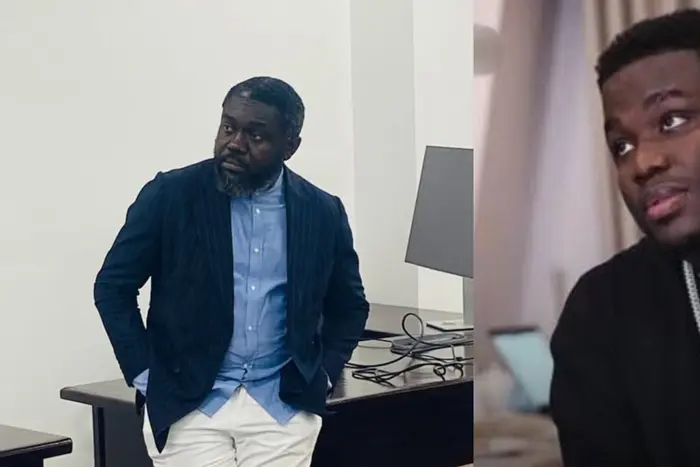
Lawyer and activist Osagyefo Oliver Barker-Vormawor has claimed that his client, Ghanaian social media personality and businessman Abu Trica, has been rushed to the Police Hospital after being held incommunicado for more than a week.
In a statement shared publicly, Barker-Vormawor said he had received information from sources at the Police Hospital indicating that Abu Trica had been taken there. According to the lawyer, he and his legal team have been denied access to their client since his arrest and have not been informed of his whereabouts.
Barker-Vormawor stated that repeated requests to meet Abu Trica in his capacity as legal counsel have not been granted, raising concerns over what he described as a violation of his client’s constitutional right to legal representation.
He further alleged that neither he nor his legal team knows where Abu Trica is currently being held, adding that Interpol officials, who initially had custody of him, informed them that he is no longer in their custody.
The lawyer warned that he would file a habeas corpus application if authorities continue to deny Abu Trica access to his legal team.
Barker-Vormawor also criticised what he described as the Republic’s treatment of its citizens, alleging that fundamental rights were being ignored in an effort to satisfy the FBI. He cautioned that such actions could set a dangerous precedent.
“Today, it’s a supposed ‘fraud boy’. Tomorrow it will be a politician,” Barker-Vormawor said in the statement.
Authorities have not yet responded publicly to the allegations or confirmed Abu Trica’s reported admission to the Police Hospital.
https://web.facebook.com/barkervogues/posts/10167673019544689?ref=embed_post

‘Ghana for Gold’ Concerts to Celebrate Ghanaian Culture and Support Team Ghana in UK

Captain Smart defends Abu Trica interview: ‘I only acted in my role as a journalist’

Lawyers for Abu Trica Say He Has Been Rushed to Police Hospital, Threaten Habeas Corpus Action



-
 General News1 week ago
President Mahama Orders Immediate Release of GH¢300 Million for Flood Relief, Mitigation
-

 Entertainment1 week ago
Itz Tiffany: I Won’t Lower My Standards for Any Man
-
 General News1 week ago
Mahama Says Ghana’s Economy Ranks Among Africa’s Top Performers Amid Strong Recovery
-
 General News1 week ago
Interior Ministry Urges Public to Stay Indoors as Heavy Rains Trigger Flooding
-
 General News1 week ago
GRIDCo, ECG Shut Down Mallam, Achimota Substations Over Flooding
-
General News1 week ago
Mahama Urges Ghanaians to Thank God Despite Deadly Floods
-
 General News1 week ago
Mahama Orders Districts to Identify Flood Channel Obstructions
-
 General News1 week ago
GNFS Rescues 479 People in Three Days as Floods, Fires and Building Collapse Hit Accra and Tema