
General News
Adwoa Safo Stable After Shooting Incident: Kwadwo Safo Family Clarifies Succession Dispute


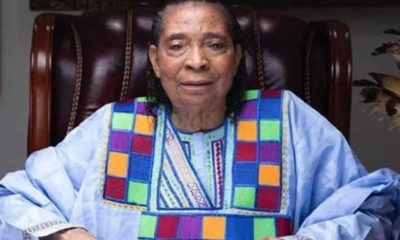
The family of the late founder of the Kristo Asafo Mission, Apostle Emeritus Prof. Ing. Kwadwo Safo, has confirmed that former Member of Parliament for Dome- Kwabenya, Sarah Adwoa Safo, is responding positively to treatment following a shooting incident that allegedly occurred on June 21, 2026.
In a statement issued on June 22, 2026, and signed by Hon. Sarah Adwoa Safo, the family expressed deep concern over the incident while assuring members of the Kristo Asafo Mission, relatives, friends, and the general public that she remains in stable condition and is receiving medical care.
The family further stressed that, except for Israel Nana Kwadwo Safo, all children of the late Apostle Kwadwo Safo remain united and committed to ensuring a dignified and befitting burial for their father.
Family Clarifies Succession Arrangements
The statement also sought to address what the family described as growing public confusion surrounding the succession plans of the late Kristo Asafo, the leader.
According to the family, Apostle Kwadwo Safo appointed his son, Israel Nana Kwadwo Safo, as his successor in 2017 and entrusted him with leadership of the church and oversight responsibility for the various business enterprises established by the founder.
However, the family alleged that during Israel Safo’s tenure, several businesses within the Kristo Asafo conglomerate experienced a significant decline, with some collapsing or nearing collapse. The statement further claimed that foundational principles of the church were altered during this period and that Israel Safo increasingly exercised authority without due regard for the founder.
The family stated that these developments became a source of concern for Apostle Kwadwo Safo, who subsequently revoked the authority previously granted to Israel Safo in 2024. According to the statement, all provisions granting him succession rights were removed from the church’s governing framework.
Following this decision, the late founder reportedly appointed his daughter, Adwoa Safo, as Head of the Family and established a new succession roadmap for the future leadership of the Kristo Asafo Mission. The family noted that the revised framework specifically excluded Israel Safo from consideration for the top leadership role.
Since the passing of Apostle Kwadwo Safo on September 11, 2025, the family said Adwoa Safo has continued to carry out the responsibilities entrusted to her by her father and has served as the principal representative of the family with the support of her siblings.
How the Shooting Incident Allegedly Occurred
Providing details surrounding the incident, the family alleged that Israel Safo, together with certain church elders, attempted to organise a private installation ceremony aimed at declaring himself leader of the Kristo Asafo Mission despite what they described as the late founder’s succession directives.
According to the statement, two church members subsequently initiated legal action and secured a court application seeking to restrain the planned installation ceremony.
The family said several attempts were made to serve the court documents on Israel Safo, but they proved unsuccessful.
They further claimed that on the morning of June 21, 2026, Adwoa Safo personally attempted to serve the court documents on her younger brother. During the encounter, the statement alleged that Israel Safo discharged a firearm multiple times in her direction and instructed associates at the scene to open fire on her vehicle.
The matter has reportedly been referred to the appropriate law enforcement authorities for investigation.
Family Rejects Leadership Claim by Israel Safo
The family categorically stated that it does not recognise any installation or assumption of leadership by Israel Safo that is inconsistent with the directives of the late Apostle Kwadwo Safo.
It further distanced itself from any claims by Israel Safo that he is acting on behalf of the Kwadwo Safo Family or with its authority.
The statement advised the public to exercise caution in any dealings with Israel Safo that purport to involve the interests, assets, leadership, or affairs of either the Kristo Asafo Mission or the Kwadwo Safo Family, warning that anyone engaging in such dealings does so at their own risk.
The family also noted that several matters involving Israel Safo are currently under scrutiny and indicated that it reserves the right to pursue all available legal remedies to protect the legacy, assets, and wishes of the late Apostle Kwadwo Safo.
The statement concluded by calling on members of the Kristo Asafo Mission, supporters, and the general public to remain calm, respect the rule of law, and allow the appropriate state institutions to handle the matters before them.
READ THE FULL PRESSER FROM THE FAMILY BELOW








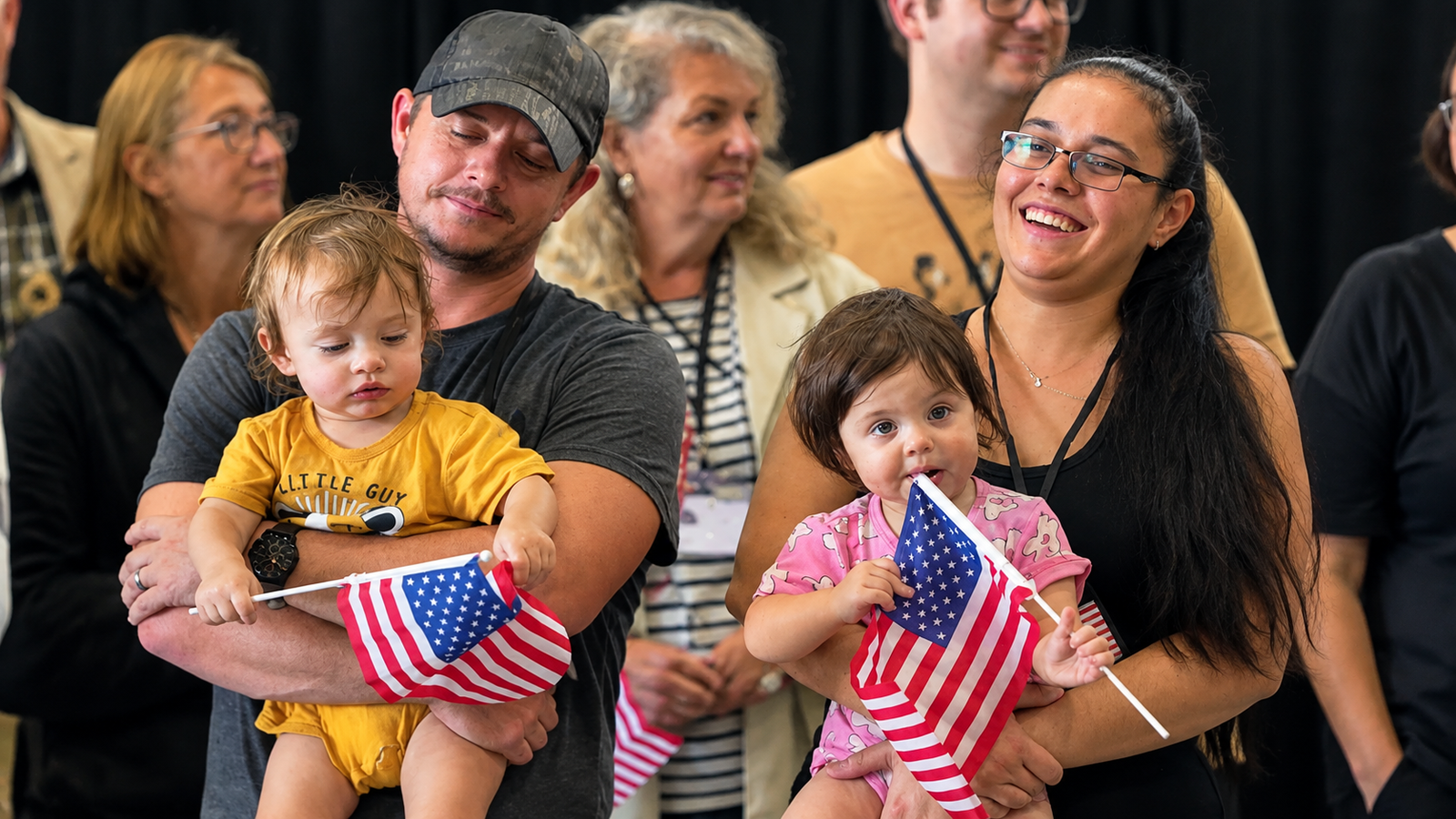
The administration of US President Donald Trump plans to set a refugee admissions ceiling of 17,500 people over the next 12 months, with the majority expected to come from South Africa’s white Afrikaner minority, according to a notice sent to Congress.
The proposal represents a continuation of the administration’s decision to prioritize Afrikaner applicants, while the United States’ broader refugee resettlement program remains substantially restricted compared with previous years. The plan has prompted criticism from refugee advocacy organizations and disagreement between Washington and Pretoria over the treatment of South Africa’s white minority.

Trump administration cuts refugee admissions to record low, gives priority to white South Africans – ABC News
What the proposal includes
According to the notice reported by Reuters, the proposed refugee ceiling is:
Proposed annual refugee ceiling
17,500
Primary intended group
Afrikaners from South Africa
Estimated resettlement cost
$500 million
Status
The State Department notice reportedly states that it anticipates Afrikaners will assimilate into the United States in a way that preserves taxpayer resources for American citizens. The estimated cost of resettlement under the proposed ceiling is approximately $500 million.
The proposal establishes a ceiling rather than confirming that all 17,500 places have already been filled or that every applicant will qualify for refugee status.

Buffelsdrift Farm, Vyversrus (updated prices 2026)
Why Afrikaners are being prioritized
The Trump administration has argued that Afrikaners face racial discrimination and persecution in South Africa. The president has repeatedly cited concerns involving rural crime, land policy and alleged discrimination against white South Africans.
The South African government has rejected the administration’s allegations, disputing the characterization of the country as a place where Afrikaners face systematic racial persecution.
Refugee status under US law is ordinarily based on an individual’s circumstances and eligibility under established protection criteria. The policy debate therefore involves both the administration’s stated justification for prioritizing a particular group and questions about how refugee selection should be administered.

Khan Academy
A sharp change in US refugee admissions
The proposed ceiling follows a major reduction in US refugee admissions under the Trump administration.
The United States suspended refugee admissions after Trump returned to office in January 2025, stating that the program would resume only when considered to be in the national interest. The administration subsequently launched a specific initiative to bring Afrikaners from South Africa to the United States.
According to State Department data cited by Reuters, nearly 3,000 refugees had been admitted during the fiscal year ending September 30, 2026, and all but three were South Africans, based on figures available through August.
That contrasts with fiscal year 2024, when the Biden administration admitted more than 100,000 refugees from multiple countries. The figures cover different policy periods and should not be interpreted as a direct measure of the relative level of humanitarian need among populations.
Criticism from refugee advocates
The proposed focus on Afrikaners has drawn criticism from organizations that support refugee resettlement.
Krish O’Mara Vignarajah, president and chief executive of Global Refuge, said that concentrating the program on one group while excluding others fleeing persecution and violence undermines the United States’ humanitarian role.
The criticism centers on whether a refugee program should prioritize people based on a broad group identity or apply a more geographically and nationally diverse approach to applicants facing persecution.
The administration, meanwhile, presents the policy as a response to what it describes as racial discrimination in South Africa and as part of a wider effort to align refugee resettlement with US national interests.
Dispute between Washington and Pretoria
The refugee proposal is part of a wider deterioration in relations between the United States and South Africa.
Washington has criticized South African land legislation, affirmative-action policies and the government’s response to violence affecting farming communities. South African officials have rejected the US administration’s claims of systematic anti-white persecution and have characterized the policy as discriminatory.
The two governments therefore differ not only over refugee admissions but also over the factual interpretation of race, land ownership, public safety and government policy in post-apartheid South Africa.
Key questions surrounding the plan
|
Issue |
What is known |
|---|---|
|
Number of places |
The proposed ceiling is 17,500 refugees over 12 months. |
|
Main beneficiary group |
Afrikaners from South Africa are expected to make up most admissions. |
|
Cost |
Resettlement is estimated at approximately $500 million. |
|
Legal status |
The announcement concerns a proposed admissions ceiling, not automatic refugee approval for all applicants. |
|
Wider impact |
Advocates argue that other vulnerable refugee populations could be sidelined. |
Independent assessment
The proposal marks a significant shift in the composition of US refugee admissions, with the administration explicitly indicating that one national and ethnic group will make up the majority of the planned intake.
The central disagreement is not simply about the number of refugees the United States will accept. It also concerns how humanitarian protection should be prioritized, what evidence establishes persecution, and whether a refugee program should focus heavily on a particular ethnic population while admissions from other parts of the world remain limited.
The South African government’s rejection of Washington’s allegations and the objections raised by refugee organizations should be considered alongside the Trump administration’s stated rationale. The available reporting confirms the proposed ceiling and its intended focus, but the long-term consequences for the US refugee system and US–South Africa relations will depend on how the policy is implemented.
Sources: Reuters reporting published September 22–23, 2026, and related reporting on the US–South Africa dispute.
By Angel No Lie | KPD Online | September 23, 2026
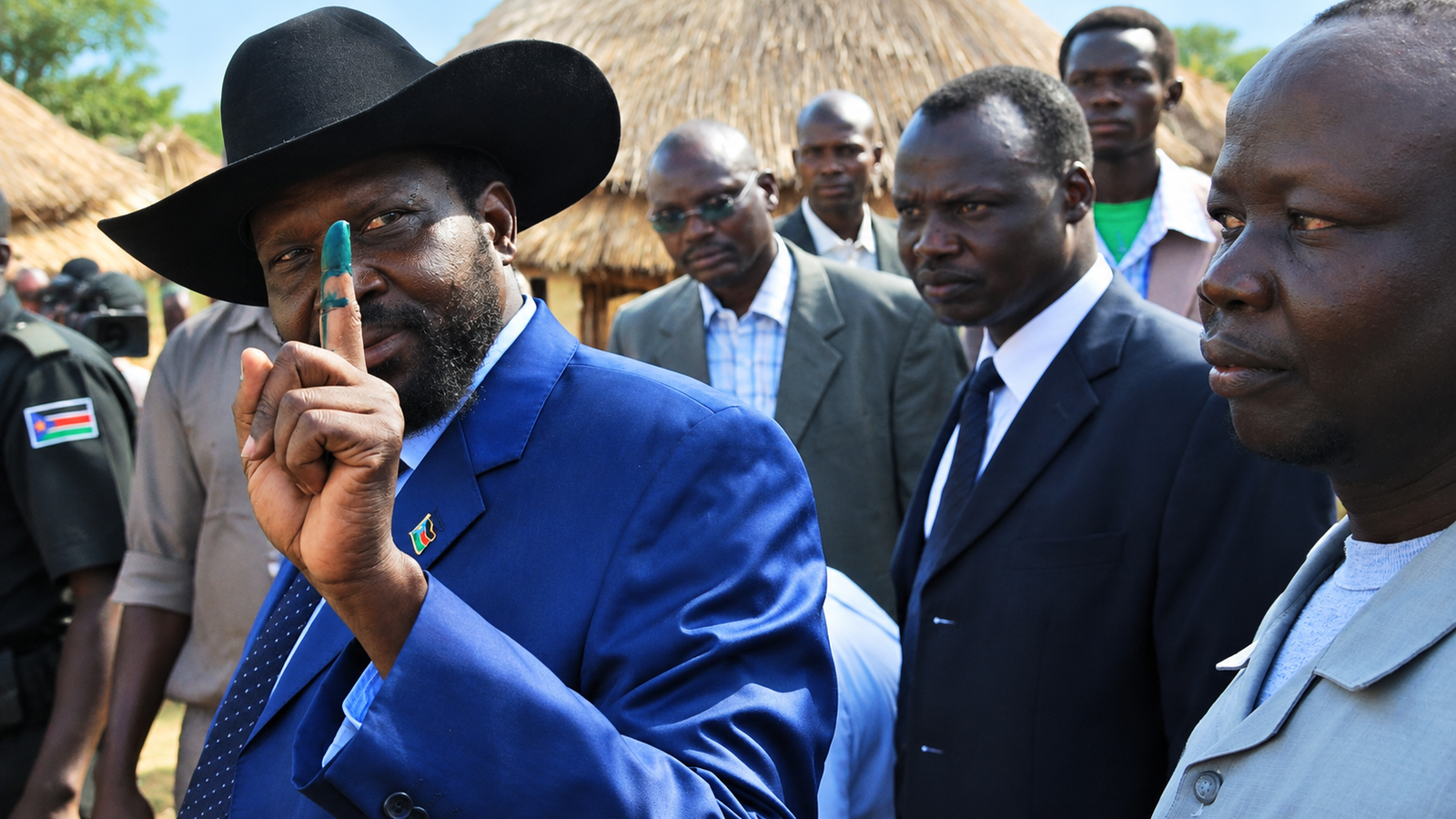
South Sudan has entered a new stage of its long-delayed political transition after President Salva Kiir Mayardit dissolved the transitional unity government and signed changes to the country’s election law that remove two major prerequisites for holding national elections.
The measures, announced on September 22, came as authorities prepare for elections scheduled for December 22, 2026. The transition has been repeatedly postponed since South Sudan gained independence in 2011.

South Sudan marks 15 years of independence in crisis – The EastAfrican
Government dissolved after election-law changes
Kiir’s decision followed parliament’s approval of amendments to the National Elections Act.
Under the amended legislation, elections no longer have to wait for completion of a permanent constitution or a national census. Those requirements had been among the obstacles repeatedly cited during previous delays.
Kiir subsequently dissolved the transitional government, with the decree removing vice-presidents, ministers and local administrators. National and state assemblies were also dissolved.
The judiciary and security institutions remain in place.
Importantly, the amended law allows the incumbent executive leadership to remain in office with constitutional powers during the election period until a newly elected president assumes office.

SSUDAN-ETHIOPIA-ERITREA-DIPLOMACY
A transition created by the 2018 peace agreement
The government being dissolved was established under the 2018 peace agreement, which sought to end years of civil war and create a power-sharing arrangement between Kiir’s government and opposition forces.
The agreement was intended to lead eventually to elections.
However, several components of the transition have remained incomplete. These include the permanent constitution, voter registration and the integration of armed forces associated with rival political groups.
South Sudan’s first national elections were initially expected much earlier but have been repeatedly postponed.

South Sudanese voters queue outside at a
Key developments
| Development | Current position |
|---|---|
| Transitional government | Dissolved |
| Election date | December 22, 2026 |
| Permanent constitution | Not completed |
| National census | Not completed |
| Voter registration | Yet to begin |
| National legislature | Dissolved under the new arrangement |
| Presidential authority | Kiir remains in office during the election period |
| First Vice-President Riek Machar | Remains under house arrest and on trial |
The election date and remaining preparations could still become contentious because major elements of the transition remain unfinished.
Opposition concerns
The changes have been rejected by the main opposition alliance.
One of the most significant issues is the position of Riek Machar, Kiir’s longtime political rival and leader of the Sudan People’s Liberation Movement-in-Opposition.
Machar has been under house arrest since March 2025 and is facing charges including treason and murder, which he denies. His continued detention adds another major political dimension to preparations for the proposed election.
The removal of the vice-presidential positions is also significant because those positions formed part of the power-sharing structure established by the 2018 peace agreement.
Changes to parliament
The new electoral framework also reduces the size of South Sudan’s legislature.
According to Reuters, the National Legislative Assembly will be reduced from 650 members to 270. State assemblies will fall from 100 seats to 58, while legislative councils in administrative areas will have 20 members.
The changes therefore affect not only the timing of elections but also the structure of the institutions that voters would elect.
Elections can now move forward — but preparations remain
The legal changes remove two important procedural obstacles, but they do not mean that the country is fully prepared for voting.
Reuters reported that voter registration had not yet begun as of September 22. Al Jazeera also reported that the permanent constitution remains unfinished and that the armed forces loyal to rival political factions have yet to be fully unified.
Kiir also replaced the head of the national elections commission the previous week without publicly giving a reason. The new chairman, Gabriel Bol Deng Majok, has been given a mandate to oversee preparations for the vote.
Questions over presidential powers
The restructuring has generated competing interpretations.
The government presents the changes as part of the process needed to move from the transitional period toward elections.
But analysts cited by Al Jazeera and AFP have raised concerns about the concentration of authority in the presidency because Kiir remains in office with full constitutional powers while the vice-presidents and legislature have been removed.
Those concerns are political assessments rather than an established conclusion about the eventual conduct of the election. The practical test will be whether the authorities can complete voter registration, maintain the peace framework and conduct the electoral process according to the revised legal arrangements.
Security remains a major factor
South Sudan’s political transition is taking place against the background of a country that emerged from a devastating civil war.
The 2018 peace agreement followed years of conflict that killed an estimated 400,000 people and displaced millions, according to figures cited by the United Nations.
Security was heightened around government facilities in Juba following the latest changes, with checkpoints and road closures reported in parts of the capital.
What comes next?
The immediate challenge is converting the new legal framework into an operational election process.
Among the key steps still to be followed are:
- beginning voter registration;
- organizing the electoral administration;
- resolving outstanding elements of the peace agreement;
- addressing the constitutional process;
- determining how political parties and candidates will participate;
- maintaining security during the campaign and voting period.
For South Sudan, the December 22 date therefore represents a significant target, but the country’s election machinery still has substantial work to complete.
Independent assessment
Kiir’s latest decisions remove some of the legal barriers that previously stood between South Sudan and an election, while simultaneously changing the country’s transitional power-sharing structure. Reuters confirms that the amendments remove the constitution and census requirements and allow the incumbent leadership to remain in power during the election period.
Whether the changes ultimately produce an election on December 22 will depend on the remaining preparations and the ability of the country’s political actors to operate within the revised framework. The competing views of the government, opposition and independent analysts make the coming months particularly important for South Sudan’s political transition.
Sources: Reuters and Al Jazeera/AFP reporting, with additional background from South Sudan’s political transition coverage.

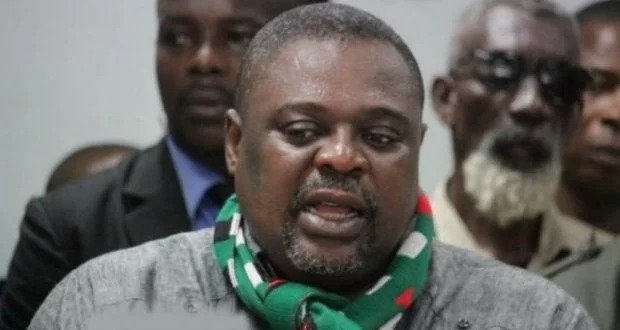
Former NDC Deputy General Secretary and Chief Executive Officer of the Atta-Mills Institute, Samuel Koku Anyidoho, has declared that Ghana belongs to all its citizens and cannot be controlled by any individual, family or group.
Anyidoho made the remarks while speaking about the state of political discourse in Ghana, where he criticised what he described as the growing use of insults and abusive language in political discussions.
According to him, political differences should not lead Ghanaians to place individuals or political interests above the nation.
He stressed that “Ghana will not belong to any family”, insisting that the country must remain a collective national project rather than the preserve of a particular group.
Anyidoho also called for a renewed emphasis on national values, respect and a change in the way political actors and citizens engage one another.
His comments come amid renewed discussions about political rhetoric and the influence of personalities and groups in Ghana’s public affairs.
The former NDC executive has previously argued that national institutions and democratic processes should serve the broader Ghanaian population rather than being controlled by political parties or particular interests.
He has also been involved in previous public disagreements over the commemoration of former President John Evans Atta Mills, including disputes surrounding activities at Asomdwee Park.
Anyidoho’s latest comments therefore add another layer to his long-running advocacy for what he describes as stronger national values, civic responsibility and allegiance to Ghana above individual political interests.

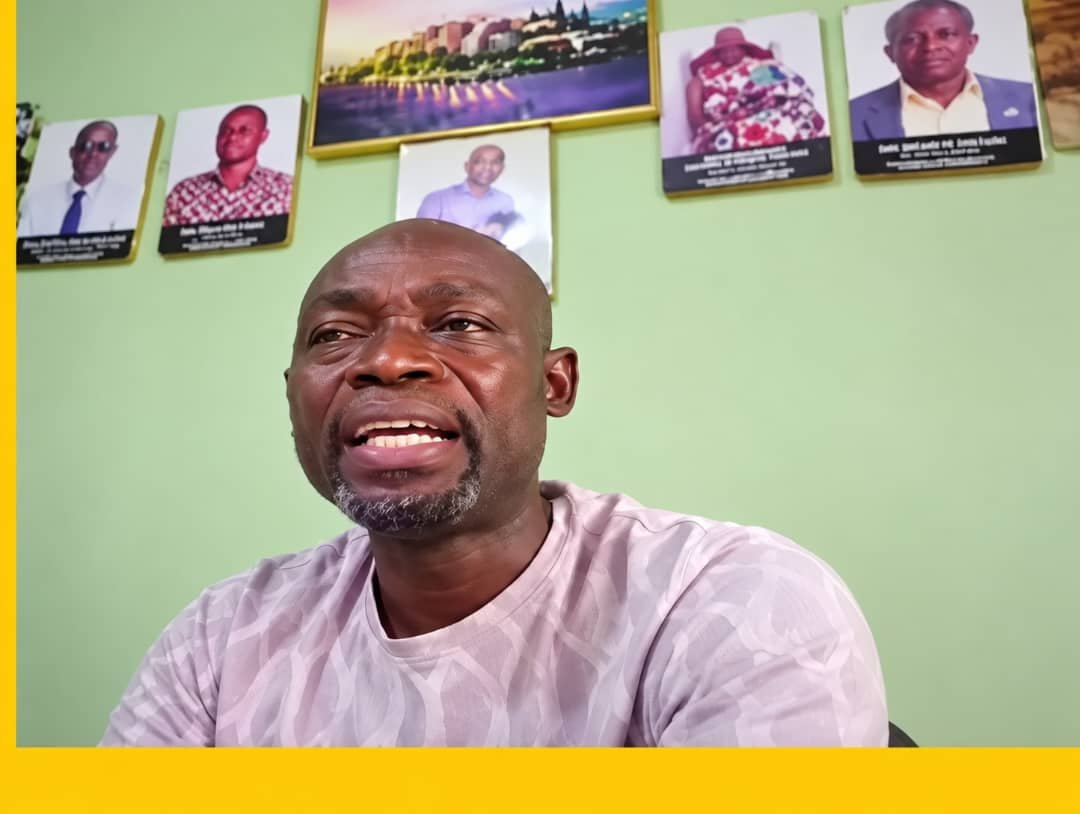
The family of Salomey Awiti Bafo, the nurse reportedly detained in connection with the controversial “Ghana Jollof” case, has raised concerns over her continued detention and restricted access to her.
In a zoom interview held with Kojo Preko Dankwa on Kessben Maakye show in Accra, Osei Safo Stuttgart, Salomey’s brother, he disclosed, his sister has been in police custody in Accra since last Thursday but relatives have allegedly not been permitted to see or speak with her.
According to the Osei, the family initially received information that Salomey had been picked up at night by police in connection with an alleged mobile money fraud case and would be taken to the Techiman Police Station.
However, after making enquiries, they reportedly could not locate her in Techiman.
The family said it later learned that she was being held in Accra at the Bureau of National Investigations (BNI) after they had organized a press conference to announce her disappearance. Their lawyer subsequently travelled to Accra but was allegedly not allowed to speak with her.
Osei Stuttgart further claims that Salomey has been accused of conspiring with “Ghana Jollof” to abuse the President and his family and also plotting a coûp d’ètat with the said “Ghana Jollof”.
Additionally , Osei noted that the coup d`etat charges reminds him of a posted picture on TicTok in April by Hopeson Adorye claiming that Salomey is Ghana Jollof of which Salomey later debunked it on facebook live streaming.
He also alleges that attempts to secure bail have so far been unsuccessful.
The family says they are now heading to the High Court to appeal for bail, while maintaining that Salomey is innocent and is neither active on social media or involved in partisan politics.

US Refugee Policy Shifts Toward Afrikaner Resettlement Under New Trump Proposal

NPP Has No Moral Right to Lecture NDC on Narcotics — Alexander Ackuako

South Sudan Enters New Political Phase as Kiir Reshapes Government Ahead of Elections



-

 General News1 week ago
GTA’s Financial Strength Weakens Despite 2025 Tourism Activities
-

 General News1 week ago
GTA Cash Reserves Halve to GH¢640,000 Despite Improved Liquidity Ratio
-
 General News2 weeks ago
TVET is not for the academically weak – Advocate calls for change in Ghana’s mindset
-

 General News1 week ago
Creative Arts Agency Records GH¢2.01m Revenue in FY2025 Despite Financial Reporting Gaps
-
 Business2 weeks ago
Bank Profits Slide to GH¢7.1bn as Low Interest Rates Squeeze Earnings
-
 General News2 weeks ago
Police Launch Manhunt for Missing Assin Fosu Man as Captors Demand GH¢49,500 Ransom
-

 Culinary1 week ago
Oranges: More Than Just Juice — The Nutritious Fruit Adding Flavour to Ghanaian Life
-
 General News1 week ago
National Theatre balances cultural mandate with commercial survival