
General News
Don’t Expect Concerts When People Can’t Afford Food – Rex Omar on Black Star Experience

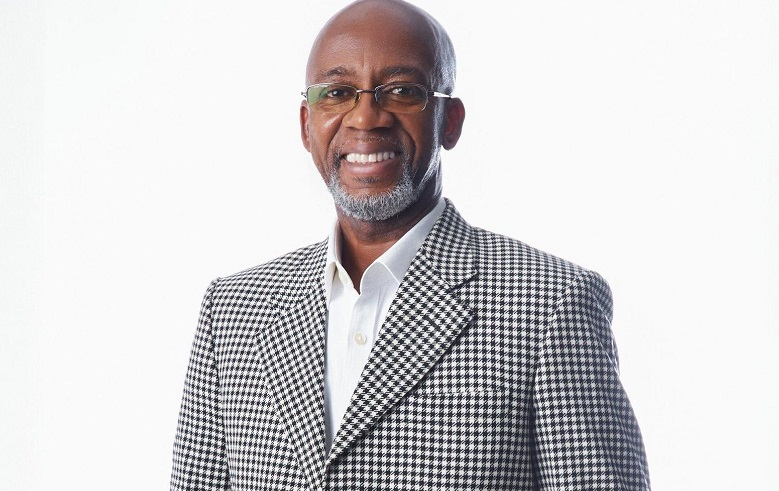
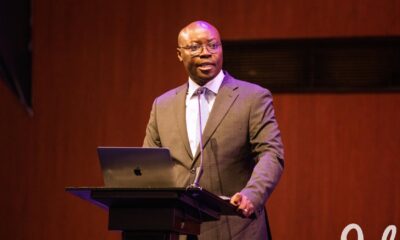
Venerated Ghanaian musician and entrepreneur Rex Owusu Marfo, popularly known as Rex Omar, has appealed to Ghanaians to exercise patience with the Black Star Experience (BSE), explaining that the country’s economic challenges have affected the entertainment industry and other sectors.
He said the initiative was operating within a difficult economic environment, where individuals, businesses and institutions were facing financial constraints.
Speaking about the situation, Rex Omar used the everyday struggles of ordinary Ghanaians to explain why entertainment activities could be affected when people are unable to meet their basic needs.
“If I don’t have money to eat, why should I use the small money I have to feed my family to go and watch a movie or a musical concert?” he asked.
According to him, the economic difficulties facing the country extend beyond the Black Star Experience, stressing that several sectors have been affected by the financial challenges.
He explained that Ghana had accumulated significant debts that the government needed to address, adding that the country’s engagement with the International Monetary Fund (IMF) had formed part of the broader economic situation.
“Everybody knows we are with the IMF, so we’ve paid a lot of the debt,” he said.
Rex Omar also referred to the Finance Minister’s plans for a new economic programme expected to be introduced in 2027, which he said would address challenges across various industries.
He mentioned pharmaceuticals, tourism and the Black Star Experience among the sectors he believes would benefit from efforts to tackle the country’s economic difficulties.
The musician further acknowledged the work of Finance Minister Cassiel Ato Forson, saying the government’s economic measures should be considered in the context of the financial challenges it inherited.
He maintained that the difficulties affecting household spending and the wider economy had implications for the creative arts and entertainment industry, particularly activities that depend on people having disposable income.
Rex Omar, however, urged the public not to lose confidence in the Black Star Experience, assuring them that the initiative was preparing to begin its activities.
“Don’t forget we are resetting. If I don’t have money to feed, why use the small money to watch a movie or concert? The economic issue is affecting all sectors, including the Black Star Experience, but be patient with us. You will see something. We are about to take off,” he said.
He reiterated that Ghanaians should remain patient as efforts continue to address the economic challenges and create conditions for the initiative to move forward.
His comments come amid public discussions about the implementation of the Black Star Experience, an initiative associated with efforts to promote Ghana’s creative arts, tourism and cultural identity.
Rex Omar’s remarks suggest that the broader economic environment remains a significant consideration in the organisation and delivery of entertainment-related activities, while he maintains that the Black Star Experience is preparing to take off.













General News
Free Speech, False Publication and Presidential Criticism in Ghana: Where Does the Law Draw the Line?
Ghana’s constitutional commitment to freedom of speech and media freedom continues to raise an important legal question: when does criticism of the President or government remain protected expression, and when can a publication cross into criminal conduct because it is allegedly false and capable of causing public fear or alarm?
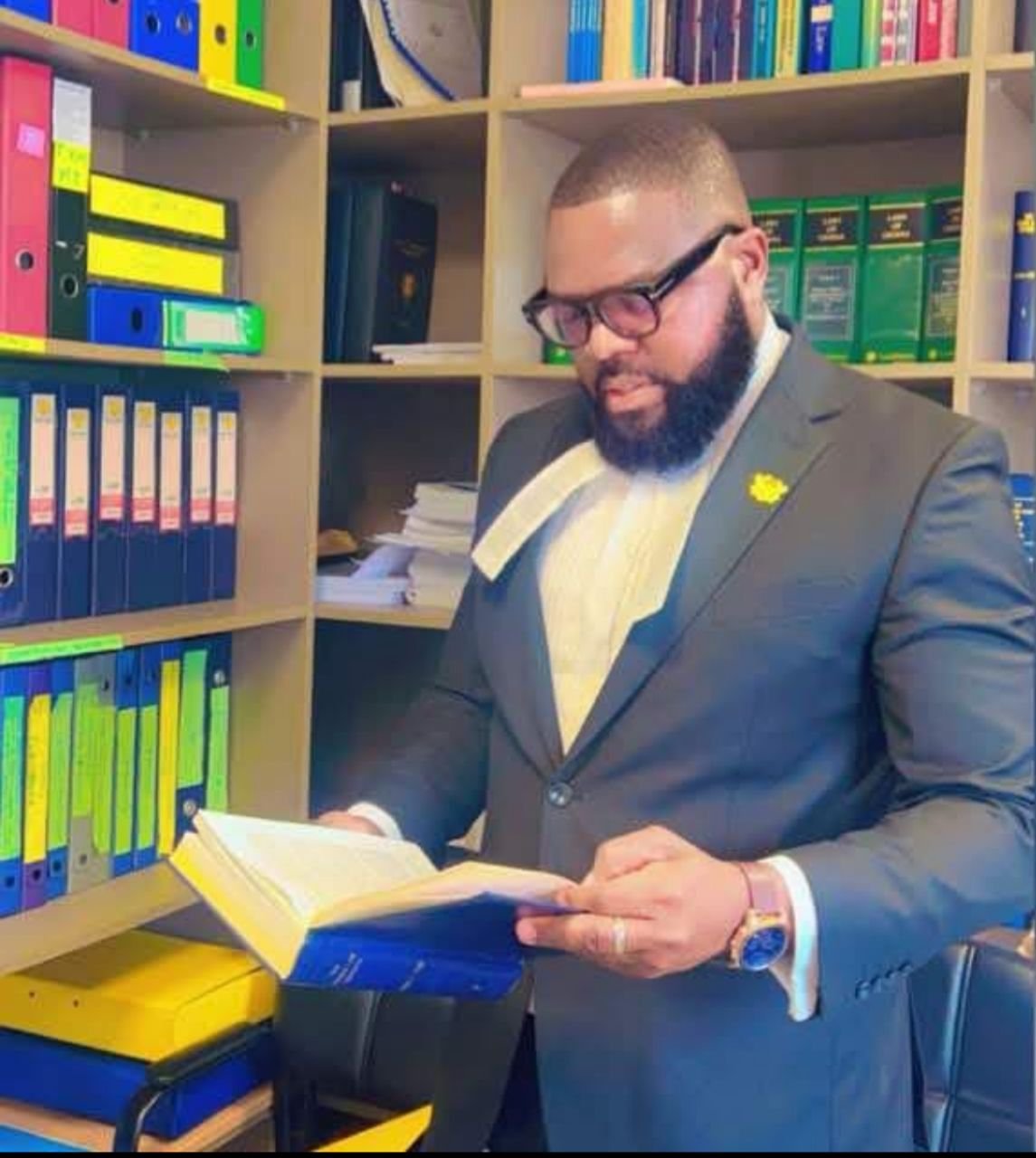
In a legal analysis, Rodney Williams, Esq. of Aseda Chambers examines the distinction between constitutionally protected political criticism and false publications that may attract criminal liability under Ghanaian law.
According to Mr Williams, the legal framework does not criminalise criticism of the President simply because the criticism is harsh, offensive or unpopular. Rather, the law becomes relevant where a publication allegedly contains a false factual assertion and meets specific statutory requirements.
Constitutional protection for free speech
Mr Williams explains that the starting point is the 1992 Constitution of Ghana, particularly Article 21(1)(a), which guarantees freedom of speech and expression.
Article 162 also protects media freedom and prohibits censorship, although these constitutional protections are subject to limitations provided under Article 164.
Article 164 allows restrictions that are reasonably required in areas including national security, public safety, public order, public morality and the protection of the rights and reputations of other people.
Williams therefore argues that freedom of expression is fundamental but is not an unlimited right.
The legal analysis notes that Ghana repealed its criminal libel and sedition laws in 2001.
The repeal means that insulting the President, without more, is not in itself a criminal offence simply because the target of the criticism is the Head of State.
Williams stresses that the repeal is important when discussing contemporary political speech.
A citizen can criticise President John Dramani Mahama, question government policies, disagree with ministers or express strong political opinions without automatically committing an offence.
However, the position can change when the speech involves a separate criminal offence recognised under Ghanaian law.
What Section 208 of Act 29 says
At the centre of the legal debate is Section 208 of the Criminal Offences Act, 1960 (Act 29).
The provision makes it a misdemeanour to publish or reproduce a statement, rumour or report that is likely to cause fear and alarm to the public or disturb the public peace where the person publishing it knows or has reason to believe that it is false.
Williams points out that the provision therefore contains several elements that must be established.
It is not enough, in every circumstance, simply to allege that a statement was inaccurate.
The prosecution would have to establish the relevant statutory requirements, including the falsity of the publication, the required state of mind and the likelihood of causing public fear, alarm or disturbance of the public peace.
According to Williams, the important legal distinction is between opinion and an assertion of fact.
For instance, saying that a person believes President Mahama’s government is performing poorly is an expression of political opinion.
By contrast, publishing an untrue claim that a coup has occurred at Jubilee House is a factual assertion capable of being tested as true or false.
Williams therefore maintains that the issue under Section 208 is not simply whether someone used strong language against the President.
The crucial questions include whether the statement was false, whether the publisher knew or had reason to believe it was false, and whether it was likely to cause the type of public fear or disturbance contemplated by the law.
The “Ghana Jollof” case
Williams’ analysis comes amid the ongoing legal controversy surrounding the TikTok account known as “Ghana Jollof.”
The case involves allegations that false information, including claims concerning an alleged near coup at Jubilee House, was circulated through social media.
A nurse, Salomey Awiti Bafoh, has been arrested and charged in connection with allegations of abetment of the publication of false news.
She has pleaded not guilty.
Police have also named Barbara Asantewaa Kodua, who is alleged to be connected to the TikTok account, as a person wanted in connection with the investigations.
The allegations remain before the courts and have not been established as facts against the accused persons.
Williams uses the case to illustrate the distinction between criticism of political leaders and publications that allegedly present false information capable of causing public fear or alarm.
Electronic communications law
The analysis also examines Section 76(1) of the Electronic Communications Act, 2008 (Act 775).
The provision addresses the knowing transmission through an electronic communications service of false or misleading communications that are likely to endanger life or disrupt essential services.
Williams notes that this provision, like Section 208, is concerned with particular forms of harmful communication rather than creating a blanket prohibition on political criticism online.
Another important aspect of the debate is the constitutional challenge against Section 208.
According to Williams, Austin Kwabena Brako-Powers has challenged aspects of the false-publication laws before the Supreme Court.
The challenge reportedly argues that Section 208 and aspects of the Electronic Communications Act are vague or overly broad and potentially inconsistent with constitutional protections for freedom of expression and media freedom.
The challenge also raises questions about the requirement under Section 208(2) for a person relying on lack of knowledge of falsity to demonstrate that reasonable steps were taken to verify the information.
Williams notes that these arguments remain matters for determination by the Supreme Court.
The fact that a law has been challenged does not, by itself, suspend its operation. Unless and until a competent court declares otherwise, the existing statutory provisions remain part of Ghanaian law.
Williams also acknowledges concerns raised by critics who argue that laws against false publication could potentially be applied selectively or used in ways that discourage legitimate dissent.
Media and civil-society groups have previously raised concerns about the continued use of Section 208 and similar provisions, particularly in the digital era.
The constitutional challenge will therefore have implications for the continuing balance between freedom of expression and the state’s interest in preventing publications that could cause serious public harm.
What the law means for journalists and digital creators
For journalists, bloggers and social-media content creators, Williams’ analysis highlights the importance of verification.
People publishing serious allegations should establish the source of their information and take reasonable steps to verify claims before publication.
This is particularly important when reporting on sensitive issues such as: coups and attempted coups; assassinations;national-security operations; military movements; attacks; deaths; public emergencies; and other events capable of causing widespread fear or disorder.
Journalists and digital publishers are also advised to preserve records showing how information was obtained and verified.
The legal line
For Williams, the central legal distinction is straightforward: strong criticism of the President is not automatically criminal simply because it is offensive or unpopular.
The legal risk arises where a publication allegedly falls within an existing criminal provision by containing a false factual claim, published with the required state of mind and under circumstances capable of causing the harm identified by the law.
The repeal of criminal libel and sedition in 2001 remains significant because it means that political criticism cannot simply be treated as criminal libel or sedition.
At the same time, the repeal did not remove every law dealing with harmful or false publications.
Williams concludes that Ghana must maintain a balance between protecting freedom of expression and addressing publications that may cause genuine public harm.
He argues that the possibility of selective enforcement remains a constitutional concern, but until the Supreme Court determines the pending challenge, Section 208 remains enforceable.
The legal question in individual cases, therefore, should focus on the specific publication, the evidence surrounding it, the intention or knowledge of the publisher, and whether the statutory requirements have been satisfied.
The ongoing “Ghana Jollof” proceedings will consequently be watched closely as Ghana continues to debate the boundaries of free expression, political criticism and false publication in the digital age.
The legal analysis was authored by Rodney Williams, Esq. of Aseda Chambers.

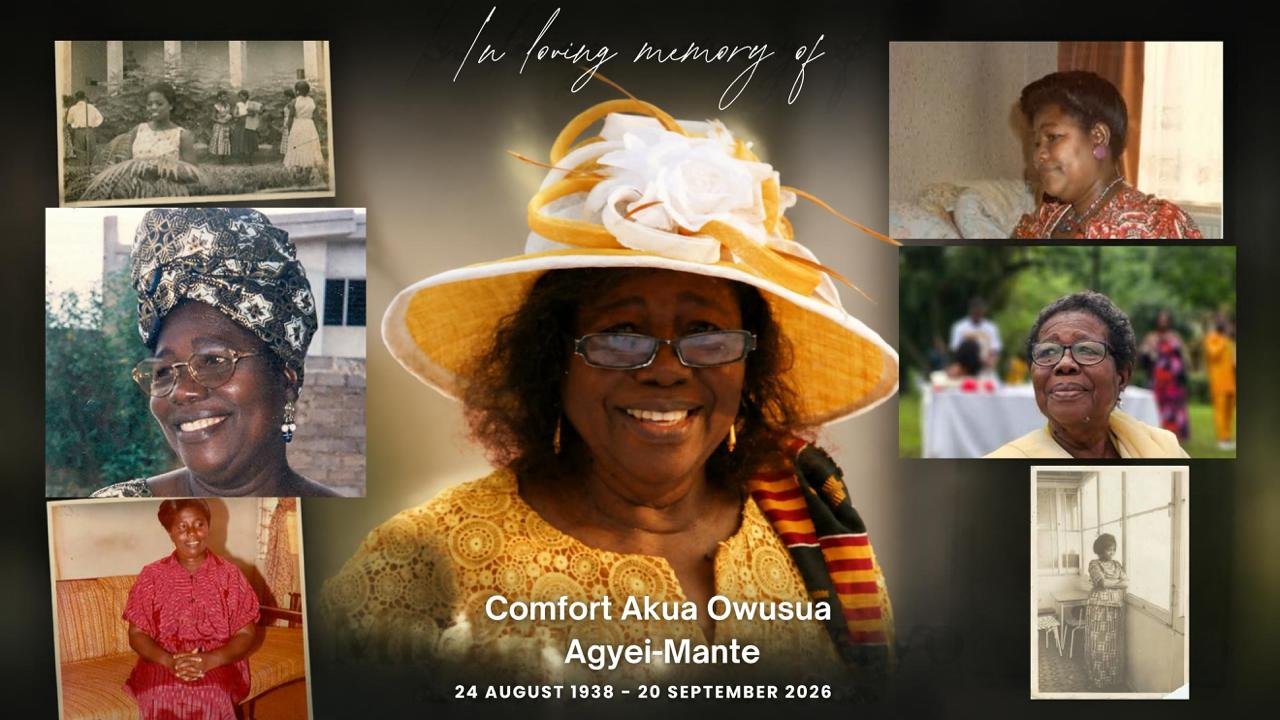
Abena Preko Dankwa, wife of renowned Ghanaian broadcaster Kojo Preko Dankwa, is mourning the loss of her beloved mother, Madam Comfort Akua Owusua Mante.
The passing, which occurred on Sunday, has plunged Abena and the entire family into a period of grief as they come to terms with the loss of a cherished family member and matriarch.
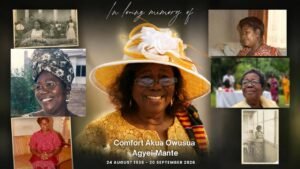
News of the bereavement has attracted messages of sympathy from relatives, friends, colleagues, and well-wishers who have extended their condolences to the family during this difficult period.
For Abena Preko Dankwa and her family, the loss marks a deeply emotional moment, particularly as they reflect on the memories, values, guidance, and family bonds shared with the deceased.
The death of a mother often leaves a profound void within a family, and the period following such a loss can be one of reflection, mourning, and remembrance. As the family prepares to honour the memory of their departed loved one, they are expected to draw strength from the support of family members, friends, and sympathisers.
Abena’s husband, Kojo Preko Dankwa, a respected figure in Ghana’s media and broadcasting space, is also standing with his wife and the family as they navigate this difficult period.
The bereaved family is expected to announce details regarding funeral and burial arrangements in due course.
As messages of condolence continue to reach the family, friends and well-wishers are encouraged to keep Abena Preko Dankwa, Kojo Preko Dankwa, and the entire family in their thoughts and prayers.
At this difficult time, we extend our deepest condolences to the family and pray for strength, comfort, and peace as they mourn their loss.
May the soul of the departed rest in perfect peace.
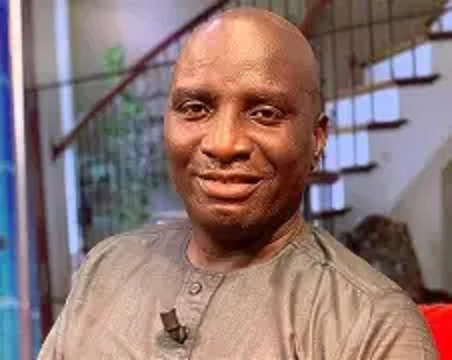
Veteran filmmaker and creative industry advocate Socrate Safo has criticised what he describes as petty partisan politics in Ghana’s creative industry, warning that the practice of abandoning initiatives introduced by previous governments could undermine the sector’s development.
In a Facebook post, Mr Safo expressed disappointment over what he considers the prioritisation of political interests over national development by some creative industry practitioners appointed to public office.
He specifically questioned comments reportedly made by Rex Omar, the appointee responsible for the Black Star Experience Secretariat, which he believes sought to downplay the achievements of the Beyond the Return campaign introduced under the previous New Patriotic Party (NPP) administration.
According to Socrate Safo, Ghana’s creative industry cannot achieve sustainable growth if changes in government consistently result in the abandonment of existing programmes, the dismantling of established structures and attempts to discredit the accomplishments of political predecessors.
Mr Safo described Beyond the Return as a significant initiative that helped raise Ghana’s international profile, strengthen the country’s relationship with the African diaspora and generate global interest in the country.
Although he acknowledged that the campaign, like any public programme, might have had shortcomings, he maintained that such weaknesses should have been assessed and addressed rather than used as grounds for political dismissal.
He argued that initiatives with demonstrated value should be evaluated and improved to ensure their continued contribution to national development.
His comments come amid discussions surrounding the transition from Beyond the Return to the Black Star Experience, with the filmmaker raising concerns about the reported closure of the former campaign’s office and the dissolution of its operational structures.
While acknowledging that the Black Star Experience deserves an opportunity to succeed, Mr Safo insisted that the public should be able to assess its tangible achievements and understand why an existing initiative was not sustained or improved.
Questions Rex Omar’s Position
Socrate Safo also questioned Rex Omar’s reported position on Beyond the Return, drawing attention to what he considers a contradiction between the musician’s political and ideological convictions and his apparent stance on the treatment of initiatives introduced by previous governments.
He described Mr Omar as an ardent Nkrumaist who frequently celebrates the vision and legacy of Ghana’s first President, Dr Kwame Nkrumah, on public platforms.
Mr Safo said he found it surprising that someone who recognises the consequences of abandoning Nkrumah’s projects and legacy would seemingly support similar treatment of initiatives introduced by another administration.
He raised questions about whether such a position was consistent with the principles Mr Omar publicly professes.
“How can one condemn the neglect of Nkrumah’s legacy while seemingly endorsing the same treatment of other governments’ achievements?” he asked.
He further questioned: “Is this not a contradiction of the very principles he professes? At what point does political loyalty become political hypocrisy?”
The filmmaker stressed that achievements in national development should not be dismissed simply because the political administration responsible for introducing them has left office.
He maintained that creative industry appointees have a responsibility to serve the sector and the Ghanaian people rather than focus solely on the political interests of the parties that appointed them.
According to him, Ghana’s creative professionals, including filmmakers, musicians, actors and event organisers, need sustainable policies, investment, employment opportunities and functioning institutions to support their work.
He warned that political score-settling could distract from the practical measures needed to strengthen the industry and create opportunities for practitioners.
Mr Safo argued that Ghana would struggle to build a sustainable creative economy if successive governments continued to dismantle programmes whenever political power changed hands.
He called for successful initiatives to be preserved, weaknesses to be addressed and newly introduced programmes to be assessed based on their contributions and results.
Reaffirming his commitment to promoting continuity and national development, Socrate Safo said he had personally championed the call for the creative industry to move beyond partisan considerations.
He urged practitioners to acknowledge and preserve initiatives that benefit the country, regardless of the political party responsible for introducing them.
He also called for greater courage to recognise good work and the wisdom to improve existing programmes rather than destroy them for political reasons.
“Our duty is not to protect political parties; it is to protect the future of Ghana’s creative industry,” he stated.
Mr Safo concluded that the sector needed leadership, continuity, accountability and a shared commitment to national development rather than what he described as petty partisan politics.
He also emphasised the importance of recognising achievements made by political opponents, arguing that the ability to identify and learn from another person’s accomplishments demonstrates an understanding of how to improve upon them.
“The ability to identify the positive sides and achievements of your competitor is a mark of knowing how to do it right and better, when given the opportunity,” he said.

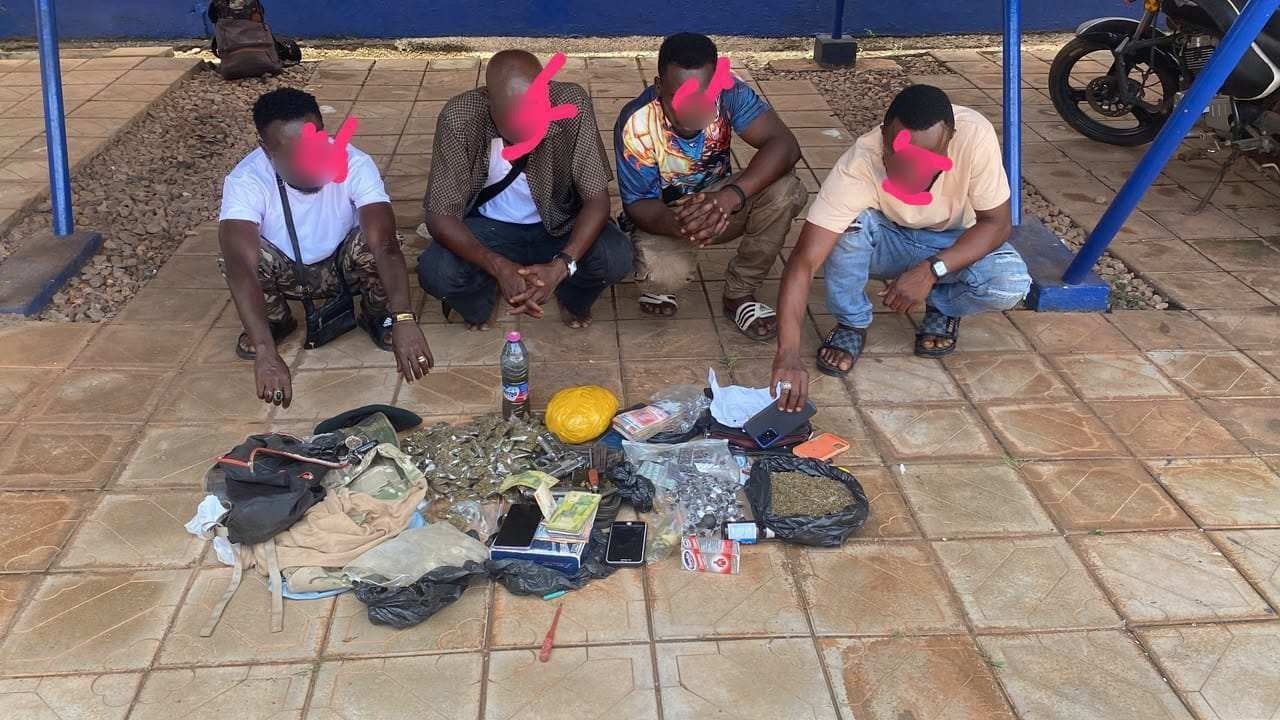
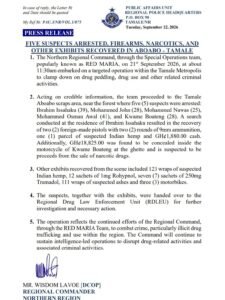
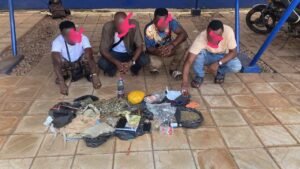
The Northern Regional Police Command has arrested five suspects and recovered firearms, ammunition, suspected narcotics, cash and other exhibits during an intelligence-led operation at the Aboabo Scrap Area in Tamale.
The operation, conducted on Monday, September 21, 2026, was carried out by the Regional Special Operations Team, popularly known as RED MARIA, following what the police described as credible intelligence concerning suspected drug-related and other criminal activities in the area.
The suspects have been identified as Ibrahim Issahaku, 39; Mohamed John, 28; Mohamed Nawas, 25; Mohamed Osman Awal, 41; and Kwame Boateng, 28.
According to the police, Mohamed John and Mohamed Nawas are suspected drug users, while Kwame Boateng is suspected of dealing in narcotics.
Police also identified Mohamed Osman Awal as the owner of the scrap business at the location and alleged that he had been harbouring suspected drug peddlers on the premises.
Pistols, ammunition and suspected drugs uncovered
A search of Ibrahim Issahaku’s residence reportedly led to the recovery of two foreign-made pistols, two rounds of 9mm ammunition, a parcel of suspected Indian hemp and GH¢1,880 in cash.
Police also found GH¢18,825 concealed inside Kwame Boateng’s motorcycle, which they suspect could be proceeds from the sale of narcotic drugs.
The operation further yielded 123 wraps of suspected Indian hemp, 12 sachets of 1mg Rohypnol, seven sachets of 250mg Tramadol and 111 wraps of suspected “ashes”.
Three motorbikes were also seized during the operation.
The arrests and recoveries have heightened attention on criminal activities around the Aboabo area, where police have previously conducted operations targeting suspected drug activities and other offences.
The five suspects, together with the recovered exhibits, have since been handed over to the Regional Drug Law Enforcement Unit (RDLEU) for further investigation and necessary action.
The Northern Regional Police Command has reiterated its commitment to intelligence-led operations aimed at disrupting drug trafficking, drug use and related criminal activities in the region.
The suspects remain under investigation, and the allegations against them have not yet been tested in court.

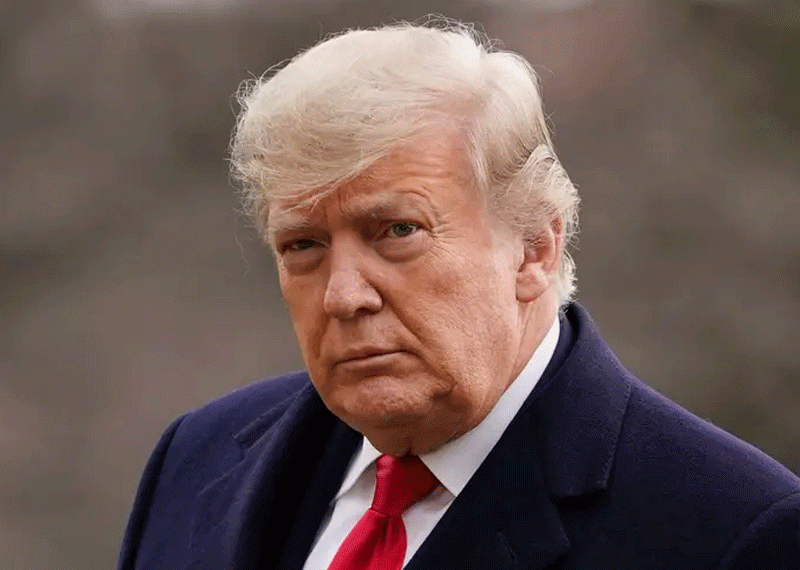
US President Donald Trump has called on countries that are members of the International Criminal Court (ICC) to withdraw from the institution, describing it as a “rogue” tribunal with no jurisdiction over the United States.
Addressing the 81st United Nations General Assembly in New York, Trump said the United States would not allow its service members or other Americans to be subjected to investigations or trials by the ICC.
“The United States is equally opposed to the out-of-control institution known as the International Criminal Court,” Trump said.
“We will never allow U.S. service members or anyone else to be investigated or given show trials by an anti-American tribunal with no jurisdiction over us.”
He subsequently urged ICC member states to leave the court.
“I call on all nations that are members of the ICC to officially resign from this rogue institution immediately,” he said.
Trump also criticised UN human rights officials over their scrutiny of US policies on immigration and transgender-related issues.
He accused international human rights bodies of devoting attention to US domestic policies while, in his view, failing to adequately address persecution of Christians and human rights abuses in countries with repressive governments.
“It is equally unacceptable that, with all the genuine atrocities in the world, the UN’s top human rights officials spend their time criticizing the United States for protecting our children from transgender mutilation and enforcing our immigration laws,” Trump said.
He also highlighted what he described as widespread persecution of Christians around the world.
“Christians are being persecuted all over the world,” he said, arguing that greater international attention should be directed towards such cases and abuses committed by repressive regimes.
Trump further criticised calls for the United States to ease its immigration restrictions, linking the issue to concerns over gangs and criminal networks entering the country.

Free Speech, False Publication and Presidential Criticism in Ghana: Where Does the Law Draw the Line?

Koobi: The Unsung Hero Behind the Distinctive Taste of Ghanaian Food

Abena Preko Dankwa, Wife of Broadcaster Kojo Preko Dankwa, Mourns Mother



-

 General News1 week ago
GTA’s Financial Strength Weakens Despite 2025 Tourism Activities
-

 General News1 week ago
GTA Cash Reserves Halve to GH¢640,000 Despite Improved Liquidity Ratio
-

 General News2 weeks ago
TVET is not for the academically weak – Advocate calls for change in Ghana’s mindset
-
 General News1 week ago
Creative Arts Agency Records GH¢2.01m Revenue in FY2025 Despite Financial Reporting Gaps
-
 Business2 weeks ago
Bank Profits Slide to GH¢7.1bn as Low Interest Rates Squeeze Earnings
-
 General News2 weeks ago
Police Launch Manhunt for Missing Assin Fosu Man as Captors Demand GH¢49,500 Ransom
-
 Culinary1 week ago
Oranges: More Than Just Juice — The Nutritious Fruit Adding Flavour to Ghanaian Life
-
 General News1 week ago
National Theatre balances cultural mandate with commercial survival