
Uncategorized
Gold Prices Soar to Record High Amid Global Economic Uncertainty


Gold has surged to an all-time high, with spot prices reaching $3,508.50 per ounce on Tuesday, as investors flock to the precious metal in search of stability during global economic turbulence.
The price of gold has climbed nearly one-third since the start of the year, driven by trade tensions, political risks, and expectations of lower U.S. interest rates. Traditionally considered a safe-haven asset, gold’s rally accelerated earlier this year after U.S. President Donald Trump imposed sweeping tariffs that rattled global trade.
Analysts say concerns over the independence of the U.S. Federal Reserve have also bolstered demand. Trump has repeatedly criticized Fed Chair Jerome Powell and recently attempted to dismiss one of its governors, fueling fears of political interference. Derren Nathan of Hargreaves Lansdown noted that these actions are “driving renewed interest in safe haven assets including gold.”
European Central Bank President Christine Lagarde warned on Monday that undermining the Fed’s independence would pose a “very serious danger” to global economic stability, potentially triggering ripple effects across markets worldwide.
Adrian Ash, director of research at BullionVault, linked the price surge directly to Trump’s policies: “It was really the U.S. election last year that lit the fire under it.”
Unlike previous surges, where high prices discouraged buyers in major jewellery markets such as China and India, this rally has seen continued demand. Consumers in these countries are turning to investment-grade products like bars and coins, rather than reducing purchases.
Suki Cooper, a precious metals analyst at Standard Chartered, added that geopolitical uncertainty—including Russia’s invasion of Ukraine—combined with inflationary pressures and supply chain disruptions, has further lifted gold. A weaker U.S. dollar earlier this year also made gold more appealing to investors.
With multiple global pressures converging, analysts suggest gold’s momentum could continue as investors seek safety in uncertain times.



General News
Ghana to Host UN High-Level Reparatory Justice Event — Mahama Calls for Historical Accountability

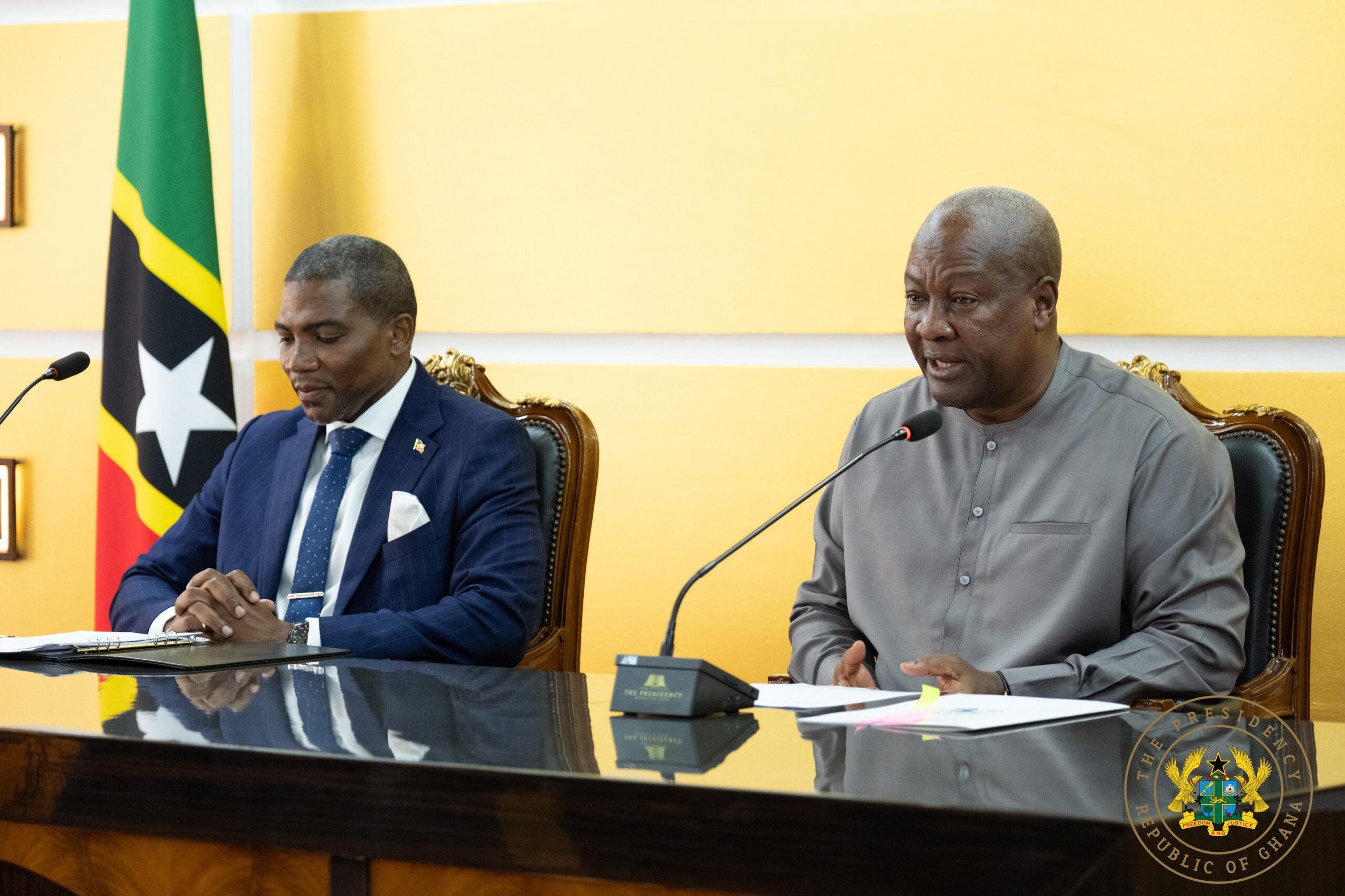
Ghana is set to host a high-level special event on reparatory justice later this month at the United Nations, reinforcing global calls for justice for the transatlantic slave trade and racialized chattel enslavement of Africans.
During a state luncheon held in honor of visiting Prime Minister of Saint Kitts and Nevis, Hon. Dr. Terrance Michael Drew, President John Dramani Mahama emphasized that the initiative is not about charity but about historical justice and accountability.
Speaking on the significance of the event, President Mahama said the legacy of slavery continues to shape global inequalities and must be addressed through collective international action.
“The transatlantic and racialized chattel enslavement of Africans constitutes one of the gravest crimes against humanity in history,” President Mahama stated. “Our call is not for charity. It is for justice rooted in truth, accountability, and recognition of the suffering endured by our ancestors.”
According to the President, the upcoming UN event will provide a platform for African and Caribbean nations to shape their own narrative about historical injustices. He stressed the importance of unity between Africa and the Caribbean in advancing reparatory justice discussions.
“It is time for our story to be told by us — grounded in truth, anchored in historical accountability, and driven by the determination to correct the injustices of the past,” he said.
Mahama further urged stronger solidarity between African and Caribbean nations, noting that shared historical experiences should translate into stronger diplomatic and policy collaboration.
“Together, Africa and the Caribbean must speak with one voice, with clarity, unity, and strong moral conviction,” he added.
The Ghanaian government believes that the event will strengthen global dialogue on reparatory justice, development cooperation, and cultural restoration. Officials say the initiative aligns with broader efforts to promote historical recognition and sustainable partnerships between nations affected by the transatlantic slave trade.
Uncategorized
Duabo King Arrested for Claiming Police Personnel Patronize Prostitutes More Than Any Sector


The Ghana Police Service has arrested a 45-year-old social media personality, Isaac Boafo, popularly known as “Duabo King,” for allegedly publishing false news with intent to cause fear and panic.
In a press release issued on March 1, 2026, the Ashanti Regional Police Command confirmed that the suspect was apprehended following a viral TikTok video in which he alleged that four officers stationed at the Central Police Station in Kumasi engaged in inappropriate conduct with commercial sex workers during night patrol duties at Asafo.
Duabo King had claimed in the video that personnel within the Ghana Police Service patronizes prostitutes more than any other sector in the country. He further alleged that if the government were to shut down prostitution, popularly known in West African Pidgin as “ashawo”, it would significantly affect the Service because its personnel patronizes the trade the most.
According to the statement signed by Deputy Superintendent of Police Godwin Ahianyo, Head of the Public Affairs Unit for the Ashanti Region, officers from the Police Intelligence Directorate acted on intelligence to arrest the suspect.
During interrogation, Isaac Boafo admitted publishing the video and described himself as a social media content creator who made the allegations solely to attract views and online engagement. He further acknowledged that he could not substantiate the claims made against the officers.
The Police added that the suspect also admitted making comments concerning the President of the Republic for content creation purposes and stated that he could not defend those statements.
He has since been formally charged and detained to assist with further investigations.
The Service cautioned the public against the publication and circulation of false information, especially on social media, warning that such acts have the potential to cause unnecessary fear, panic, and reputational damage. Individuals found engaging in such conduct, the statement noted, will be dealt with in accordance with the law.
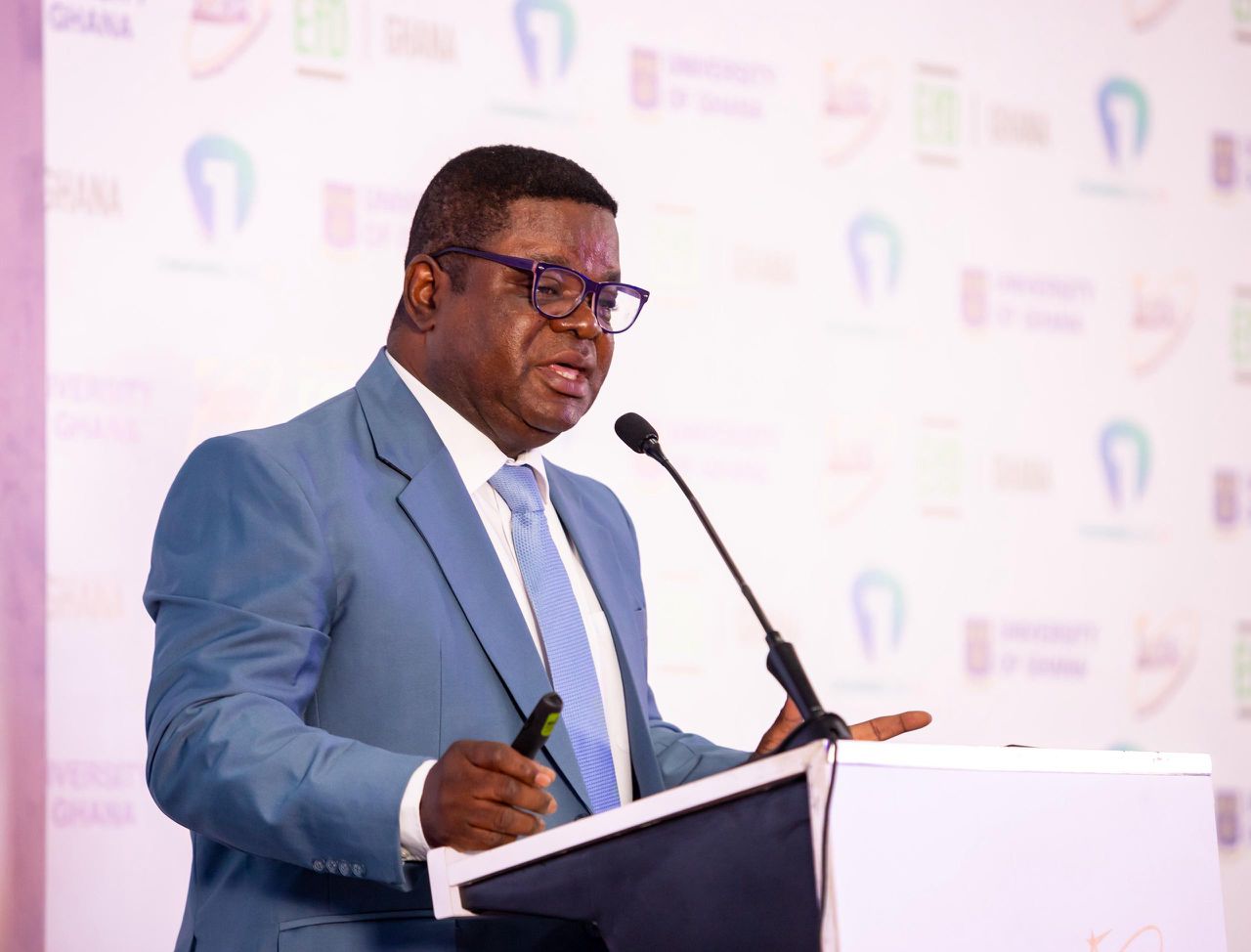
Ghana loses more than GHS 6.2 billion every year due to diseases linked to poor waste management and sanitation, a new study by the Institute of Statistical, Social and Economic Research at the University of Ghana has revealed.
The findings were presented at a high-level stakeholder engagement in Accra, on Thursday, 26th February 2026, where policymakers, Members of Parliament, local government officials, development partners and private sector actors gathered to examine the economic case for increased sanitation investment.
The research, led by Prof. Peter Quartey and Dr. Kwame Adjei-Mantey, is titled “An Economic Analysis of the Benefits of Adequate Investment in Waste Management and Sanitation in Ghana.” It assessed both the economic and social consequences of current sanitation practices and modelled the potential gains from improved financing.
According to the study, five diseases closely associated with poor sanitation malaria, cholera, pneumonia, typhoid fever and diarrhoea account for nearly 31.9 million lost workdays each year and an estimated 177,222 deaths. The researchers calculated direct medical costs at about GHS 5.8 billion annually, with an additional GHS 650 million lost through reduced productivity, bringing the total burden to over GHS 6.2 billion.
Despite these losses, Ghana currently spends an average of about GHS 38 per tonne of waste generated. The researchers described this as modest compared to the scale of the health and economic damage linked to poor sanitation systems.
Using cost-benefit modelling, the team found that under the current business-as-usual approach, every GHS 1 invested in waste management generates about GHS 180 in economic returns. However, under a best-case scenario — where investment rises to approximately GHS 1,028 per tonne in line with lower-middle-income benchmarks returns could increase to GHS 556 per GHS 1 invested.
In total terms, projected national benefits under the enhanced investment scenario could reach about GHS 58 billion in 2025 and rise further to GHS 67.2 billion by 2032. The projected gains are driven largely by sharp reductions in disease incidence, mortality and productivity losses.
Presenting the findings, Prof. Quartey urged government to stop treating sanitation as a residual expenditure. He stressed that waste management must be viewed as a high-return development investment capable of protecting public health and strengthening economic growth.
The presentation was followed by an extensive question-and-answer session. Participants raised concerns about how much of the disease burden could be directly attributed to waste. The research team explained that their modelling relied on global health data and assumed that about 45 percent of the selected disease cases were attributable to waste exposure. Sensitivity analysis was conducted to test different attribution levels.
Stakeholders also questioned whether the best-case scenario reflected on-the-ground realities, especially in slum and rural communities where waste collection remains inconsistent. Prof. Quartey acknowledged that waste management in such areas is more complex and costly due to access challenges. He noted that flexible and smaller-scale collection systems may be required rather than a uniform national model.
Other concerns focused on uncollected waste and dumping in drains and water bodies. The researchers explained that their modelling incorporated standardized ranges for lower-middle-income countries, taking into account infrastructure gaps and collection inefficiencies.
Members of Parliament present at the forum emphasized the need for stronger coordination across agencies. While some suggested the creation of a National Sanitation Authority, others cautioned against expanding bureaucracy and proposed strengthening existing institutional structures instead.
Education and job creation also featured prominently in the discussion. Prof. Quartey highlighted earlier regional research on green jobs and recycling, stressing that investment in skills development and public awareness could help unlock employment opportunities in the waste sector.
The research team concluded that Ghana’s annual sanitation-related losses far exceed current spending levels. They called for increased and sustained investment, targeted interventions in high-risk communities, and stronger data and budgeting systems within Metropolitan, Municipal and District Assemblies to ensure sanitation is prioritized as a central pillar of national development.

First Atlantic Bank to Hold First AGM as Listed Company on April 7

Fuel Prices Set for Sharp Increase From March 16 as Global Oil Prices Surge

Yonsei University Honors President Mahama with Honorary PhD for Leadership and Ghana–Korea Partnership



-

 Entertainment2 weeks ago
THE INSIDE STORY: Why President Mahama Revoked Gideon Nii Aryeequaye’s Appointment as Executive Secretary of the Creative Arts Agency
-

 Entertainment6 days ago
“Go to Lumba’s house and exhume his body” — Counsellor George Lutterodt incites Ga youth
-
 General News1 week ago
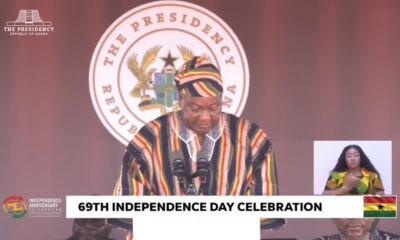
Ghana Marks 69th Independence Day Under Theme ‘Building Prosperity, Inspiring Hope’
-

 General News2 weeks ago
Christian Council Urges Prophets to Tackle Corruption, Avoid Fear-Inducing Political Prophecies
-

 Entertainment4 days ago
Legendary musician Sloppy Mike Gyamfi Accuses Kuami Eugene of Song Theft
-

 Entertainment4 days ago
Shatta Wale hints at contesting Ablekuma South seat as independent candidate in 2028
-

 General News2 weeks ago
President Mahama Appoints Baba Sadiq Abdulai Abu as Ghana’s High Commissioner-Designate to Nigeria
-

 General News2 weeks ago
COCOA FARMERS, MASSES and INVESTORS and Left Behind in Mahama’s February 2026 SONA