
General News
Poor Sanitation Costs Ghana GHS 6.2 Billion Yearly – ISSER Study


Ghana loses more than GHS 6.2 billion every year due to diseases linked to poor waste management and sanitation, a new study by the Institute of Statistical, Social and Economic Research at the University of Ghana has revealed.
The findings were presented at a high-level stakeholder engagement in Accra, on Thursday, 26th February 2026, where policymakers, Members of Parliament, local government officials, development partners and private sector actors gathered to examine the economic case for increased sanitation investment.
The research, led by Prof. Peter Quartey and Dr. Kwame Adjei-Mantey, is titled “An Economic Analysis of the Benefits of Adequate Investment in Waste Management and Sanitation in Ghana.” It assessed both the economic and social consequences of current sanitation practices and modelled the potential gains from improved financing.
According to the study, five diseases closely associated with poor sanitation malaria, cholera, pneumonia, typhoid fever and diarrhoea account for nearly 31.9 million lost workdays each year and an estimated 177,222 deaths. The researchers calculated direct medical costs at about GHS 5.8 billion annually, with an additional GHS 650 million lost through reduced productivity, bringing the total burden to over GHS 6.2 billion.
Despite these losses, Ghana currently spends an average of about GHS 38 per tonne of waste generated. The researchers described this as modest compared to the scale of the health and economic damage linked to poor sanitation systems.
Using cost-benefit modelling, the team found that under the current business-as-usual approach, every GHS 1 invested in waste management generates about GHS 180 in economic returns. However, under a best-case scenario — where investment rises to approximately GHS 1,028 per tonne in line with lower-middle-income benchmarks returns could increase to GHS 556 per GHS 1 invested.
In total terms, projected national benefits under the enhanced investment scenario could reach about GHS 58 billion in 2025 and rise further to GHS 67.2 billion by 2032. The projected gains are driven largely by sharp reductions in disease incidence, mortality and productivity losses.
Presenting the findings, Prof. Quartey urged government to stop treating sanitation as a residual expenditure. He stressed that waste management must be viewed as a high-return development investment capable of protecting public health and strengthening economic growth.
The presentation was followed by an extensive question-and-answer session. Participants raised concerns about how much of the disease burden could be directly attributed to waste. The research team explained that their modelling relied on global health data and assumed that about 45 percent of the selected disease cases were attributable to waste exposure. Sensitivity analysis was conducted to test different attribution levels.
Stakeholders also questioned whether the best-case scenario reflected on-the-ground realities, especially in slum and rural communities where waste collection remains inconsistent. Prof. Quartey acknowledged that waste management in such areas is more complex and costly due to access challenges. He noted that flexible and smaller-scale collection systems may be required rather than a uniform national model.
Other concerns focused on uncollected waste and dumping in drains and water bodies. The researchers explained that their modelling incorporated standardized ranges for lower-middle-income countries, taking into account infrastructure gaps and collection inefficiencies.
Members of Parliament present at the forum emphasized the need for stronger coordination across agencies. While some suggested the creation of a National Sanitation Authority, others cautioned against expanding bureaucracy and proposed strengthening existing institutional structures instead.
Education and job creation also featured prominently in the discussion. Prof. Quartey highlighted earlier regional research on green jobs and recycling, stressing that investment in skills development and public awareness could help unlock employment opportunities in the waste sector.
The research team concluded that Ghana’s annual sanitation-related losses far exceed current spending levels. They called for increased and sustained investment, targeted interventions in high-risk communities, and stronger data and budgeting systems within Metropolitan, Municipal and District Assemblies to ensure sanitation is prioritized as a central pillar of national development.


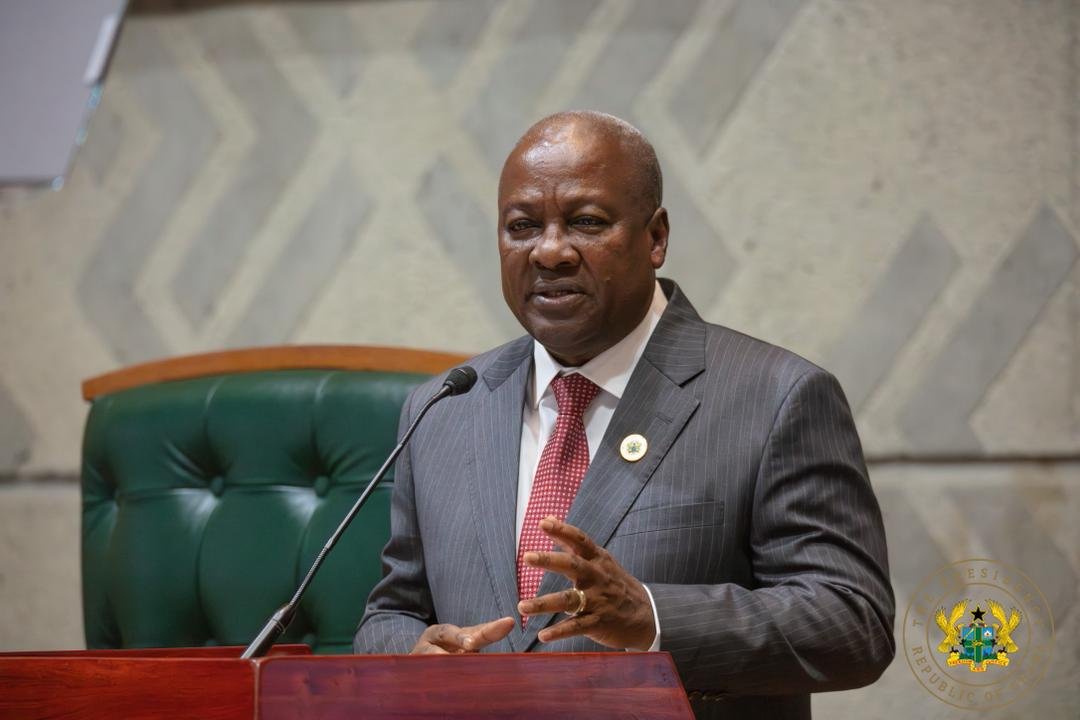
President John Dramani Mahama is hosting the African Union (AU) Extraordinary Session of the Assembly of Heads of State and Government in Accra from July 21 to 22, 2026, aimed at advancing Universal Health Coverage (UHC) and strengthening Africa’s response to major public health challenges.
The summit, themed “Advancing Justice, Equity and Universal Health Coverage: Ending AIDS, TB, Improving Maternal Health, Addressing Endemic Non-Communicable and Neglected Tropical Diseases and Conditions in Africa,” will bring together African Heads of State and Government, ministers responsible for health, finance and foreign affairs, officials of the African Union Commission, Regional Economic Communities, development partners, civil society organisations, youth representatives and private sector stakeholders.
According to the Presidency, the two-day meeting will focus on strengthening Africa’s health systems and accelerating the continent’s progress towards Universal Health Coverage.
The summit opens on July 21 with a Member State Experts Meeting, where senior officials from the Ministries of Health, Finance and Economic Planning will develop technical recommendations for consideration by ministers and Heads of State.
On July 22, the AU Assembly of Heads of State and Government will deliberate on and adopt key decisions, including a declaration aimed at accelerating the implementation of the African Union Roadmap to 2030.
The Presidency said Ghana’s hosting of the summit reflects President Mahama’s commitment to equitable healthcare delivery and his administration’s efforts to expand access to quality health services.
Key initiatives highlighted include the rollout of the Free Primary Health Care Programme, the uncapping of the National Health Insurance Scheme (NHIS) to improve access to essential healthcare, and the establishment of the Ghana Medical Trust Fund, popularly known as MahamaCares, to support Universal Health Coverage.
The government also pointed to ongoing investments in health infrastructure, workforce development, emergency preparedness and local pharmaceutical manufacturing as measures that align with the objectives of the summit.
A major side event will feature a Call to Action on Maternal, Newborn, Child and Adolescent Survival, led by the African Union Champion for Maternal and Child Health, President Samia Suluhu Hassan of Tanzania, in partnership with the Accra Reset initiative.
The Government of Ghana has welcomed all participating Heads of State, delegates and stakeholders, reaffirming its commitment to working with the African Union and member states to advance health equity and Universal Health Coverage across Africa.

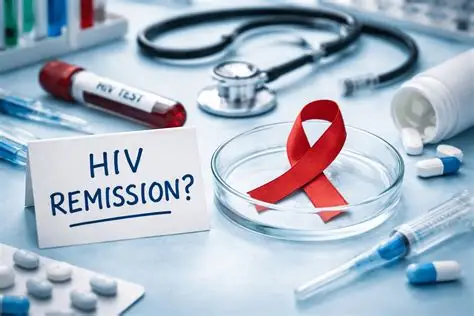
Ghana continues to make progress in the fight against HIV, but the country still faces significant challenges, according to the 2025 National HIV Estimates Fact Sheet. The latest figures show that an estimated 337,435 people are currently living with HIV, while 13,951 new infections and 12,051 AIDS-related deaths were recorded nationwide.
The report indicates that adults aged 15 years and above account for 315,513 people living with HIV, representing the largest share of the epidemic. Children aged 0–14 years account for 21,922 cases, highlighting the continued need to strengthen paediatric HIV prevention and treatment programmes. Young people remain particularly vulnerable, with 33,317 people aged 15–24 years living with HIV.
Although Ghana has made notable strides in reducing mother-to-child transmission of HIV, the report reveals that new infections remain a public health concern. Of the 13,951 new infections, adults aged 15 years and above accounted for 12,724 cases, while 1,227 infections occurred among children under 15 years. Young people aged 15–24 years accounted for 3,835 new infections, demonstrating that adolescents and young adults continue to face a high risk of infection.
The country also recorded 12,051 AIDS-related deaths during the reporting period. Adults accounted for 10,533 deaths, while 1,518 children under 15 years lost their lives to AIDS-related illnesses. The figures suggest that despite improvements in treatment services, many people are still being diagnosed late or are unable to access sustained HIV care.
National HIV prevalence among adults aged 15–49 years stands at 1.4 percent, reflecting a relatively stable epidemic but one that continues to affect thousands of Ghanaians each year. Treatment coverage, however, remains below global targets. The report shows that only 57.6 percent of adults living with HIV are receiving antiretroviral therapy (ART), while 39.6 percent of children are on life-saving treatment.
One of Ghana’s strongest achievements remains the prevention of mother-to-child transmission of HIV. The country has attained 98.9 percent PMTCT coverage, indicating that nearly all pregnant women living with HIV are receiving interventions to prevent transmission to their babies.
The report also measures Ghana’s progress toward the global 95-95-95 targets, which aim for 95 percent of people living with HIV to know their status, 95 percent of those diagnosed to receive treatment, and 95 percent of those on treatment to achieve viral suppression. Ghana has currently achieved 70 percent for HIV status awareness, 81 percent treatment coverage among those diagnosed, and 92 percent viral suppression among those on treatment. While viral suppression rates are encouraging, the data indicate that more work is needed to improve HIV testing and expand treatment access.
The fact sheet also highlights significant variations in HIV prevalence across districts. Some of the highest prevalence rates were recorded in Lower Manya Krobo (5.08%), Korle-Klottey (4.54%), Upper Manya Krobo (3.71%), Accra Metropolitan (3.67%), Tema (3.38%), Berekum (3.35%), Dormaa East (3.27%), and Asokwa (3.25%). These findings underscore the need for targeted prevention and treatment interventions in communities with the highest HIV burden.
Health experts say the new estimates provide critical data for policymakers and health partners to strengthen HIV prevention programmes, increase access to testing and treatment services, and ensure that vulnerable populations—including children, adolescents, and young people—receive the care and support they need. Sustained investment in public education, early diagnosis, and universal access to treatment will be essential if Ghana is to achieve the global goal of ending AIDS as a public health threat by 2030.
Ghana has recorded a significant decline in new HIV infections and AIDS-related deaths, according to the 2025 National HIV Estimates and Projections Report released by the Ghana AIDS Commission (GAC).
The report indicates that new HIV infections reduced from 16,189 cases in 2024 to 13,951 cases in 2025, while AIDS-related deaths also declined from 13,429 to 12,051 during the same period, representing nearly a 14 per cent reduction.
Presenting the estimates in Accra on Monday, July 20, the Director for Research, Monitoring and Evaluation (RM&E) at the Ghana AIDS Commission, Isaiah Doe Kwao, said the improvement reflects the impact of sustained investments in HIV prevention, testing, treatment and care services across the country.
According to him, the figures show that Ghana’s HIV response is achieving meaningful results, although more work remains to be done to meet the goal of ending AIDS as a public health threat by 2030.
“Ghana’s HIV response is making progress, but we still have more work to do to reach epidemic control and ensure that no one is left behind,” Mr Kwao said.
The 2025 estimates revealed that approximately 337,435 people of all ages are currently living with HIV in Ghana.
Out of this figure:
- 315,513 are adults aged 15 years and above
- 21,922 are children below 15 years
The report also showed that 19,528 adolescents between the ages of 10 and 19 years are living with HIV, while young people aged 15 to 24 years account for 33,317 cases.
Speaking at the launch of the report, the Director-General of the Ghana AIDS Commission, Dr Kharmacelle Akanbong, stressed that preventing new HIV infections remains a major priority in Ghana’s fight against the epidemic.
He explained that every new infection increases the number of people who require lifelong treatment and healthcare support.
Dr Akanbong noted that although Ghana has made steady progress, achieving epidemic control will require further reductions in both new infections and AIDS-related deaths.
“Epidemic control means new infections and AIDS deaths must continue to come down. There should ideally be no new infections, although that is difficult to achieve. The objective is to reduce them to the lowest possible level,” he stated.
The GAC Director-General projected that with continued investment in prevention programmes, testing services and treatment coverage, new HIV infections could fall further from 13,951 in 2025 to about 6,430 by 2030.
He also projected that AIDS-related deaths could reduce from 12,051 in 2025 to approximately 4,893 by 2030.
The report further showed that Ghana’s adult HIV prevalence rate among persons aged 15 to 49 years has continued to decline, moving from 1.79 per cent in 2015 to 1.40 per cent in 2025, with projections indicating a further drop to 1.18 per cent by 2030.
Dr Akanbong attributed the decline in HIV prevalence to improved access to antiretroviral medicines, early treatment initiation and better retention of patients receiving HIV care.
However, he warned that challenges remain, especially in identifying people who are unaware of their HIV status, expanding access to testing services and ensuring a consistent supply of essential HIV medicines.
He called for stronger cooperation among government agencies, development partners, healthcare professionals and communities to sustain the progress made and bring Ghana closer to achieving the global target of ending AIDS as a public health threat by 2030.
Sourc:Citinewsroom

Mahama hosts AU extraordinary summit on universal health coverage and ending AIDS

Ghana Records 337,435 People Living with HIV in 2025, New Report Shows
Ghana Records Drop in HIV Infections and AIDS Deaths as 2025 Estimates Show Progress



-

 Entertainment2 weeks ago
Mahama: More Funding Coming for Creative Arts in 2027
-

 Entertainment1 week ago
Derrick Manny Calls for Better Support for Ghanaian Creatives Following Dede Padiki’s Death
-
 Entertainment2 weeks ago
Apostle Kwadwo Safo Kantanka’s Reported Will: Companies, Beneficiaries and Final Wishes
-

 General News2 weeks ago
Kwadwo Safo Kantanka’s Will Gave Akofena Control Over His Body and Funeral, Not Entire Empire – Lawyer Clarifies
-

 General News2 weeks ago
Ghana’s Creative Industry Grieves the Loss of Renowned Visual Artist Sharon Dede Padiki Padi
-

 Entertainment2 weeks ago
Influencer Kwatemaa Andoh Says She Won’t Marry a Poor Man
-

 Entertainment6 days ago
“Stay Broke If You Want Peace” – Sarkodie Sparks Online Debate With Powerful Success Message
-

 Entertainment2 weeks ago
Captain Smart defends Abu Trica interview: ‘I only acted in my role as a journalist’