
General News
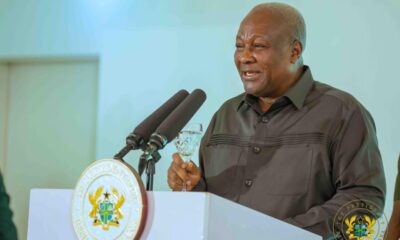
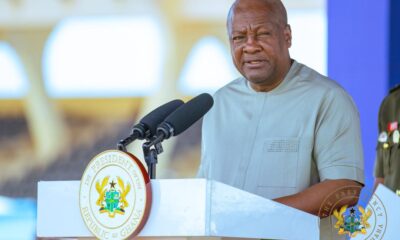
Mahama Calls for Reimagined Global Alliances at World Governments Summit 2026

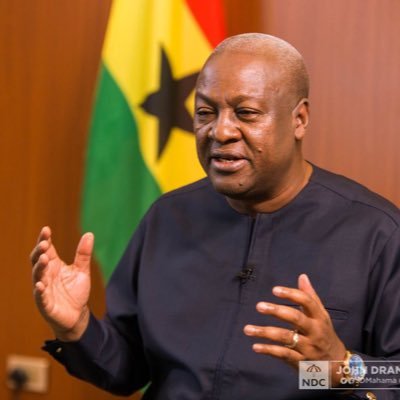
President John Dramani Mahama has called for a bold rethinking of global alliances to address emerging international challenges, stressing the need for cooperation rooted in shared responsibility and mutual respect.
Speaking at the World Governments Summit 2026 held from February 3 to 5, President Mahama said the international system is undergoing profound transformation and requires partnerships that reflect modern global realities.
“The central question before us today is not whether global alliances will endure, but how they must be reimagined and renewed to remain effective, inclusive, and responsive to the demands of our time,” he stated.
Call for Stronger Global Cooperation
Addressing global leaders, policymakers and representatives of international organisations, President Mahama highlighted the growing complexity of global threats including climate change, food insecurity, terrorism, technological disruption and widening inequality.
He emphasised that such challenges transcend national borders and require collective action.
“These challenges demand cooperation not as a matter of choice but as an imperative. The alliances of the future must therefore be rooted in shared responsibility and based on our common destiny,” Mahama said.
Africa’s Role in the New Global Order
The Ghanaian leader underscored Africa’s growing importance in shaping the global economy and international diplomacy. He described the continent as a hub of opportunity driven by its youthful population, natural resources and expanding markets.
“The future of global alliances cannot be meaningfully imagined without Africa. Africa is not merely a space of competition; it is a continent of solutions, opportunities, and rising influence,” he noted.
President Mahama also called for stronger investment partnerships aimed at boosting industrialisation, renewable energy, digital transformation and human capital development across the continent.
He stressed that Africa must transition from reliance on aid to sustainable economic partnerships.
“Africa welcomes global partners not merely to trade with, but to transform with through investments that build industries, strengthen supply chains, and create shared opportunity,” he said.
Promoting Resource Sovereignty
President Mahama highlighted Ghana’s efforts to increase value addition to its natural resources and strengthen economic sovereignty. He pointed to the establishment of Goldbod, which he said has generated significant returns.
“New alliances with Africa must aim at adding value to Africa’s natural resources. They must aim at granting Africa greater sovereignty and control of its natural resources,” he stated.
Security and Regional Stability
Touching on regional security, President Mahama expressed concern about the rising threat of terrorism in parts of West Africa and the Sahel. He reaffirmed Ghana’s commitment to peace and democratic stability through the Economic Community of West African States (ECOWAS).
“Peace remains the essential foundation on which development is built,” he said.
He further highlighted Ghana’s recent High-Level Consultative Conference on Regional Cooperation and Security as part of efforts to strengthen collective responses to regional threats.
Technology and Inclusive Innovation
President Mahama also addressed the growing influence of artificial intelligence, biotechnology and digital transformation, urging stronger global governance frameworks to ensure fairness and inclusion.
“The digital future must not be the privilege of a few nations. We must ensure that innovation becomes a shared global good, not a source of new inequality,” he stressed.
Climate Justice and Global Responsibility
On climate change, President Mahama called for fairness in global climate action, noting that Africa bears disproportionate climate impacts despite contributing the least to global emissions.
“Climate action must therefore be matched by climate justice,” he said, highlighting Ghana’s partnership with the United Arab Emirates to advance climate initiatives.
Strengthening Multilateralism
President Mahama concluded by calling for reforms in global governance institutions to make them more representative and equitable.
“The legitimacy of global governance depends on fairness, and fairness remains the cornerstone of trust,” he stated.
He reaffirmed Ghana’s commitment to diplomacy, cooperation and inclusive global progress.
“The future of global alliances is ultimately not about treaties alone. It is about the kind of world we choose to build — a world where cooperation triumphs over division and where nations rise together, not apart.”
The World Governments Summit brings together global leaders annually to discuss emerging governance challenges and opportunities shaping the future of international relations.









On monetary developments, reserve money grew strongly by 29.7 percent, year-on-year, in August 2026, compared with 4.5 percent in August 2025.
The expansion was underpinned by growth in net domestic assets, mainly reflecting the impact of the policy change on reserve requirements.
However, net foreign assets declined, which helped moderate the overall growth in reserve money.
Broad money supply grew by 20.4 percent, year-on-year, in August 2026, up from 16.6 percent in August 2025.
Interest rates on Government’s short-term instruments moderated further in August 2026.
The 91-day Treasury bill rate declined to 5.4 percent from 10.3 percent a year earlier.
The average lending rate for the banking sector also declined to 15.9 percent from 24.2 percent over the same comparative period.
The low-interest rate environment, ease in credit stance by banks, and a pick-up in credit demand contributed to higher credit growth in the banking
sector.
Private sector credit growth rebounded to 35.5 percent in August 2026 from 13.3 percent in August 2025.
In real terms, private sector growth was 29.0 percent, relative to 1.7 percent over the same comparative period.

By Angel No Lie | KPD Online | 26 September 2026
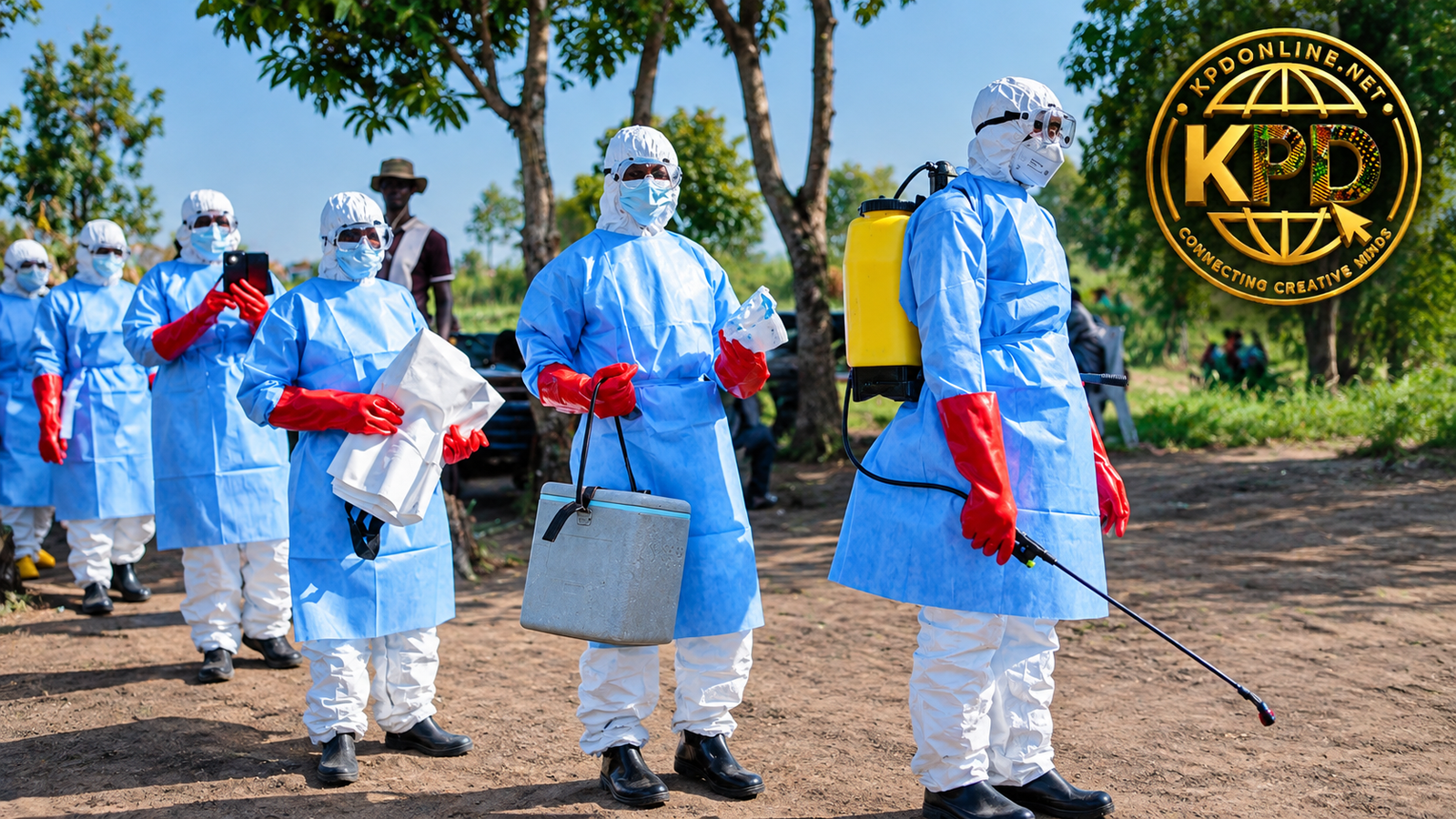
The Democratic Republic of Congo is facing a growing shortage of trained health workers as an Ebola outbreak continues to spread across the country, creating pressure on treatment centres that are being expanded to cope with rising infections.
The World Health Organization says the outbreak, caused by Bundibugyo virus, remains uncontrolled despite improvements in some areas. The shortage of personnel is becoming one of the major obstacles to operating newly established treatment facilities.

Frontline Health Workers Battle Ebola Outbreak in DR Congo
Treatment centres are expanding faster than staffing
WHO says the response has expanded considerably since the outbreak was declared in May.
By 1 September, 59 care facilities had been identified across affected provinces, with a combined capacity of 1,346 beds. More than 4,000 additional health professionals had also been deployed to reinforce existing teams.
But the expansion has not eliminated the staffing gap.
WHO Ebola Incident Manager Catherine Smallwood said that although treatment beds are being added, facilities do not always have enough personnel and operational partners to run them.
WHO representative in Congo Anne Ancia said an Ebola treatment centre can require about 300 health professionals, including nurses, doctors, anaesthetists and hygiene specialists.
“The human resources gap is one of the biggest gaps,” Smallwood said, according to the Associated Press report.

DR Congo Expands Ebola Treatment Capacity as Cases Rise
Outbreak has reached seven provinces
The latest WHO situation report, covering data through 23 September, says the outbreak had reached 63 health zones across seven provinces.
The affected provinces are Ituri, North Kivu, Haut-Uélé, Bas-Uélé, Tshopo, South Kivu and Sud Ubangi. Two of the newest affected areas are Bulu in Sud Ubangi and Dungu in Haut-Uélé, near the South Sudan border.
As of 23 September, WHO reported:
| Measure | Confirmed total |
|---|---|
| Confirmed cases | 7,890 |
| Confirmed deaths | 3,799 |
| Case-fatality ratio | 48.1% |
| Recovered patients | 1,966 |
| Affected health zones | 63 |
| Affected provinces | 7 |
WHO cautions that national figures conceal significant differences between provinces. Ituri, the outbreak’s epicentre, has seen transmission decline from its mid-August peak, while North Kivu experienced a substantial rise in cases during September.

Health Workers Face Mounting Pressure as Ebola Spreads
North Kivu puts additional pressure on the response
The shortage is particularly concerning in North Kivu, where the number of cases increased sharply over recent weeks.
According to the Associated Press report, cases there rose 73% over three weeks, even as some other provinces recorded declines. WHO said transmission patterns remain highly uneven and that the outbreak is still not under control.
The situation is complicated by insecurity, displacement and population movements, which can make it harder for response teams to reach communities, identify cases and monitor people who have been exposed.
Contact tracing remains a major challenge
The staffing problem is occurring alongside difficulties in tracking people who may have been exposed.
Africa CDC Director-General Jean Kaseya told Reuters that health authorities had identified only about 30,000 people potentially exposed through contact tracing, compared with an estimated more than 400,000 people who could require follow-up.
WHO’s latest figures show that 26,980 of 32,342 identified contacts were successfully monitored during the 24 hours preceding 23 September — an 83.4% monitoring rate.
These figures illustrate the scale of the operational challenge: even where health teams are reaching large numbers of contacts, the overall population requiring surveillance is expanding as the outbreak reaches new areas.
Health workers have also faced payment problems
The response has been further affected by difficulties surrounding health-worker pay.
Frontline workers in Ituri previously went on strike over unpaid wages. According to the Associated Press, officials said they were checking payroll lists after concerns that names of people not involved in the Ebola response had been included. Some workers reportedly received outstanding payments only partially or had not received them.
For a response that requires large numbers of specialised personnel to work continuously in high-risk environments, reliable staffing and payment are therefore central operational issues.
Children face particularly serious risks
WHO has also highlighted the severity of the disease among young children.
Children under five have recorded a case-fatality rate of more than 60%, compared with roughly 40% among adults, according to WHO’s regional emergency director Marie Roseline Belizaire.
Identifying Ebola in very young children can also be difficult because they cannot always describe their symptoms clearly, while the early symptoms can resemble other common illnesses.
International assistance continues
The scale of the outbreak has prompted additional international support.
The United States announced an additional $267 million for efforts to fight Ebola in central Africa, while WHO and other partners continue supporting surveillance, treatment, infection prevention and community-based response operations.
WHO’s latest risk assessment places the risk in the DRC at very high, the risk to countries sharing land borders with the DRC at high, and the risk to the wider African region and globally at low. WHO is not currently recommending restrictions on travel or trade with affected countries.
What the latest figures mean
The latest data do not show a uniformly worsening situation everywhere. Some provinces, particularly Ituri, have recorded declines in transmission. At the same time, new geographic spread, rising transmission in parts of North Kivu and shortages of personnel mean the overall outbreak remains difficult to control.
The central challenge is therefore not simply the number of treatment beds. Facilities need enough trained staff, funding, protective equipment and access to affected communities to make those beds operational.
With the outbreak now spanning seven provinces, maintaining and expanding that workforce is becoming a critical part of efforts to reduce transmission and deaths.
By Angel No Lie | KPD Online | 26 September 2026
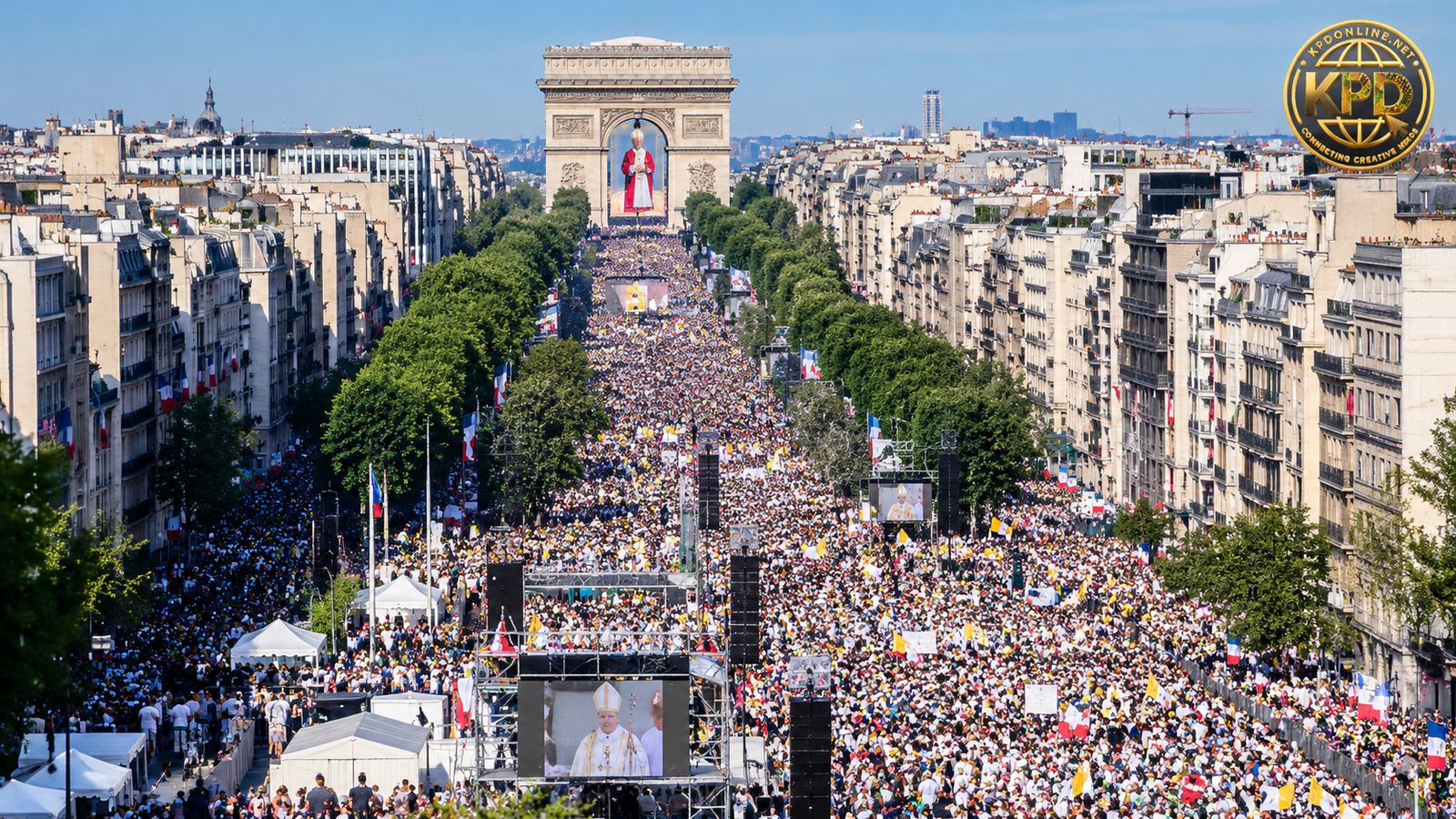
Hundreds of thousands of people filled central Paris on Saturday as Pope Leo XIV celebrated a large open-air Mass at Place de la Concorde, bringing one of the biggest public gatherings of his four-day visit to France.
The Vatican estimated that about 700,000 people attended the event, exceeding the roughly 600,000 people who had registered in advance. The crowds stretched along the Champs-Élysées as the pope travelled in his popemobile toward the Mass site.

700,000 Gather in Paris as Pope Leo XIV Celebrates Open-Air Mass
A sea of people across central Paris
The gathering extended across several major landmarks and avenues, including the Champs-Élysées, Place de la Concorde, Place de l’Étoile and Avenue de la Grande Armée.
Pope Leo travelled about two kilometres through the French capital in his popemobile, waving to crowds who carried flags and religious symbols and cheered as he passed.
The official Paris tourism authority had originally planned for around 500,000 people to attend the Mass, while registration eventually reached 600,000. The Vatican’s later estimate put the actual turnout at approximately 700,000.

Pope Leo XIV Waves to Massive Paris Crowd from Popemobile
Message focused on faith and hope
During his homily, Pope Leo spoke about what he described as the deep human search for meaning and fulfillment.
According to Vatican News, he presented Jesus Christ as the source of the “living water” that satisfies the spiritual thirst of humanity. He also urged those attending not to keep their faith to themselves, but to allow it to influence how they engage with other people.
Reuters reported that the pope encouraged Catholics to seek happiness through faith rather than material possessions.

Paris Turns Into a Sea of Worshippers for Pope Leo XIV
A major moment during the pope’s France visit
The Paris Mass formed the centrepiece of Leo’s visit to the French capital.
His programme had included a meeting with French President Emmanuel Macron, a visit to UNESCO, celebrations at Notre-Dame de Paris and a prayer vigil with young people at the Stade de France.
The Paris visit is also significant because it is the first papal visit to the French capital since 2008.
On Friday evening, Leo became the first pope to enter Notre-Dame Cathedral since the 2019 fire that severely damaged the historic building.
Paris transformed for the event
The enormous gathering required extensive security and transportation measures.
Large sections of central Paris were closed to traffic, while several Metro and RER stations around the Champs-Élysées, Concorde and surrounding areas were temporarily closed. The restrictions were put in place to manage the crowds and security arrangements surrounding the papal visit.
The gathering also created a striking visual scene, with crowds extending along the grand Parisian avenues and the Arc de Triomphe providing a backdrop to the pope’s journey.
The significance for the Catholic Church in France
The size of the crowd comes against a complicated religious backdrop.
France remains constitutionally secular and has experienced a long-term decline in regular church attendance. At the same time, the papal visit has attracted substantial public interest, with hundreds of thousands registering for the Paris Mass.
Reuters described the turnout as evidence of the continued ability of the Catholic Church to attract large public gatherings despite decades of secularisation and declining churchgoing.
The size of the crowd alone, however, does not establish how representative the gathering is of religious practice across France. Attendance at a major papal event is different from regular participation in religious services.
The visit also carries difficult questions
Leo’s visit is taking place while the French Catholic Church continues to face scrutiny over its handling of historic sexual-abuse cases.
A 2021 independent investigation estimated that around 330,000 minors had been sexually abused by clergy or other church personnel in France between 1950 and 2020. During his France trip, Leo is scheduled to meet survivors of clerical abuse in Lourdes.
The Paris crowds therefore form only one part of a broader visit involving worship, diplomacy, social issues and the Church’s relationship with French society.
What comes next
After leaving Paris, Pope Leo is travelling to Lourdes, where he is scheduled to pray at the Grotto of Massabielle and celebrate Mass on Sunday.
The final stage of his France journey will take him to Metz on Monday, where he is scheduled to celebrate Mass at Saint-Étienne Cathedral before returning to Rome.
Independent perspective
The Paris Mass produced an exceptionally large public gathering, with the Vatican estimating approximately 700,000 attendees. It demonstrates the ability of a papal visit to attract large crowds even in a country where religious practice has declined over several decades.
At the same time, attendance figures should be viewed separately from broader measures of Catholic participation and belief. The visit is unfolding alongside continuing debates about secularisation, the Church’s response to abuse and its role in contemporary French society.
Sources: Reuters, Vatican News, Paris tourist authorities and Associated Press reporting.
By Angel No Lie | KPD Online | 26 September 2026
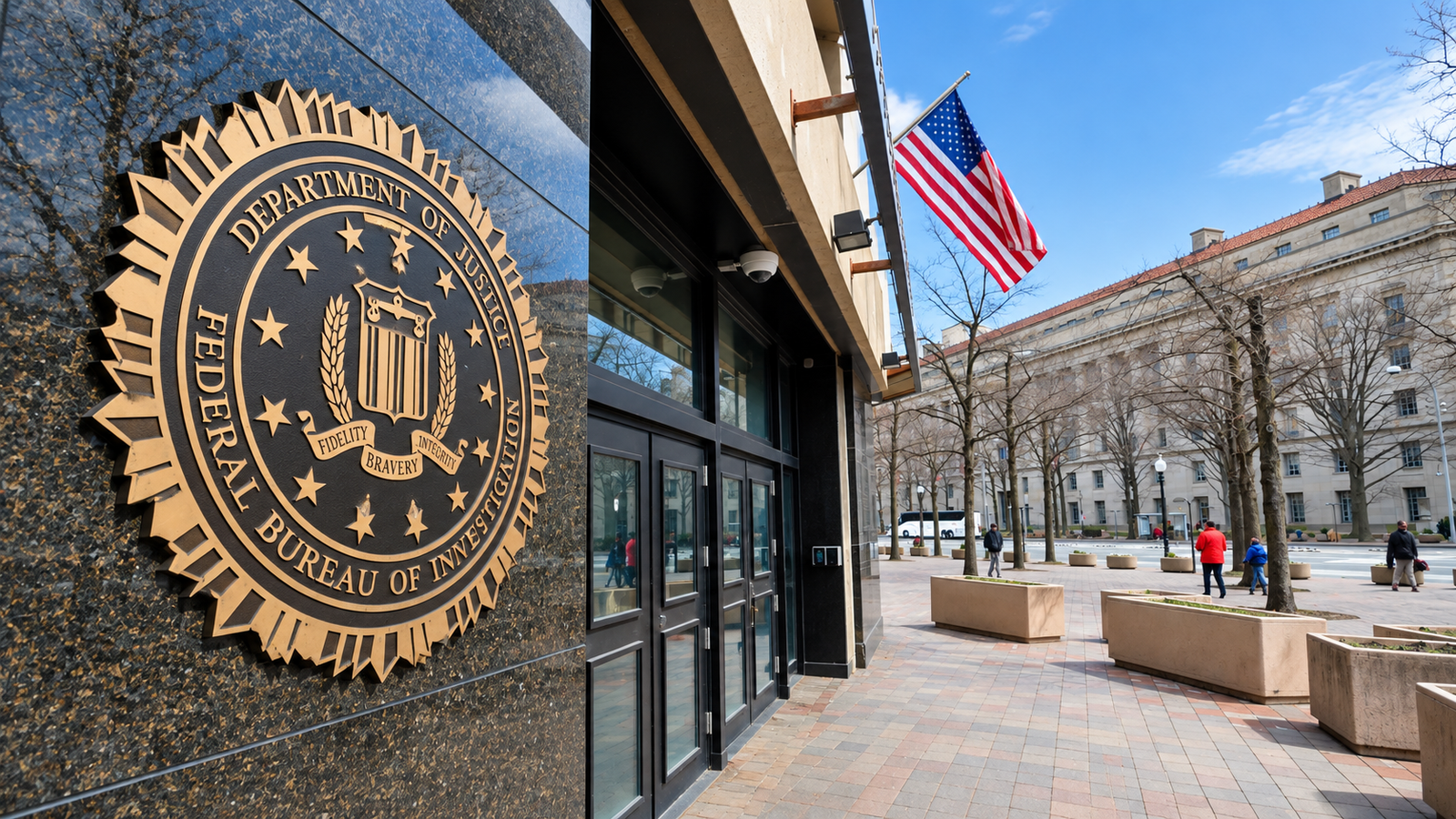
A cyberattack claimed by the hacking group ShinyHunters has reportedly exposed highly sensitive personal and medical information belonging to FBI personnel, including documents containing blood and urine test results.
The FBI has confirmed that it is investigating a claimed compromise involving FBIJobs.gov, but the bureau has not established publicly whether its own systems or a third-party provider was the initial point of intrusion.

FBI Launches Investigation Into Reported Cyber Intrusion
Medical records among the alleged stolen data
The latest development emerged after ShinyHunters provided samples of data to journalists.
BBC News reported that one of the samples contained a blood and urine test document from a medical examination conducted as part of an FBI fitness-for-work process. Reuters subsequently reviewed several files and reported that the material included medical and psychiatric evaluation information.
The records reportedly include information such as:
- Medical test results
- Doctors’ notes
- Allergies and medication information
- Electrocardiogram results
- Previous medical or psychological evaluations
- Names and other identifying information
Reuters said it was able to partially authenticate some of the documents through checks involving publicly available information and other records. However, the news agency stressed that it could not establish whether the small sample it reviewed represented the wider dataset claimed by the hackers.

Sensitive Medical Records Caught in FBI Cyber Breach
FBI says investigation is underway
The FBI said on September 23 that it was aware of a cybercriminal group’s claim that FBIJobs.gov had been compromised and that FBI employee personally identifiable information may have been affected.
The bureau said the point of the breach remained undetermined, including whether a third-party provider or an FBI enterprise system was involved. It said it was working with companies supporting the jobs portal to investigate and mitigate potential risks.
This distinction is important because the available evidence does not yet establish that hackers penetrated the FBI’s core investigative systems.

FBI Launches Investigation Into Reported Cyber Intrusion
Who is behind the claims?
The group calling itself ShinyHunters claimed responsibility for the intrusion.
The group initially said it had obtained information on a very large number of current and former FBI employees and people who had applied for jobs with the bureau. Reuters previously reported that samples contained names, addresses, telephone numbers, dates of birth, Social Security numbers and information about assignments.
The hackers have made much larger claims about the total volume of data they possess, but those claims have not been independently verified.
Reuters reported that ShinyHunters claimed to possess between two and three terabytes of information. The FBI has not confirmed that figure.
Suggested image title:
“ShinyHunters Claims Access to FBI Personnel Data”
Why medical information creates additional risks
Medical records are particularly sensitive because, unlike a password, they generally cannot simply be replaced after exposure.
Cybersecurity specialists cited in reporting on the incident have warned that information combining someone’s identity, employment and medical history could potentially be used for phishing, impersonation, coercion or blackmail.
The reported exposure of personnel assignments creates an additional security concern. Reuters previously found information identifying some FBI employees working in areas involving China, Russia, cyber operations, drug investigations and other sensitive activities.
However, the ultimate operational consequences remain uncertain while investigators determine what information was genuinely obtained and how it was accessed.
Suggested image title:
“Medical and Personnel Data Raise Security Concerns”
Some documents have been partially authenticated
Reuters reported that it was able to partially authenticate several of the medical files supplied by ShinyHunters.
Among the documents reviewed was a fitness-for-duty examination containing medical information. Another document contained an electrocardiogram result, while another included information concerning a person’s earlier psychological evaluation.
Reuters also cautioned that partial authentication does not establish the authenticity or completeness of the entire alleged dataset.
That qualification is particularly significant because the FBI has previously warned that ShinyHunters has, in some circumstances, exaggerated the extent of its access in attempts to pressure victims.
The hackers’ unusual demand
The incident also differs from a conventional ransomware attack.
ShinyHunters initially said it wanted the FBI to withdraw an advisory the bureau had published in May about the group. Rather than immediately demanding a conventional monetary ransom, the hackers tied their demands to the FBI’s public characterization of their activities.
The group later removed its initial statement concerning the demand and declined to explain what it would do if the FBI did not comply.
What remains unknown
Several important questions remain unresolved:
| Question | Current position |
|---|---|
| Was the FBI itself directly breached? | Not established |
| Was FBIJobs.gov compromised? | The FBI acknowledges a reported compromise/unauthorized activity |
| Were medical records exposed? | Samples reviewed by journalists reportedly contain medical information |
| Were blood and urine results among the samples? | BBC reported seeing such a document |
| How many people are affected? | Not independently established |
| Was the entire claimed dataset stolen from FBI systems? | Not established |
| Will all allegedly stolen information be published? | Unknown |
The FBI says its investigation is ongoing.
A potentially serious personnel-security issue
The combination of personal information, employment details and medical records makes the reported breach particularly sensitive.
But it is important to distinguish verified evidence from the hackers’ broader claims. Reuters has independently authenticated parts of the material supplied to journalists, while the full size, origin and contents of the alleged data trove remain uncertain.
For now, the FBI’s official position is that investigators are determining the source and scope of the compromise and working with third-party providers connected to FBIJobs.gov.
Independent assessment
The reported exposure of medical information adds a new dimension to an already significant FBI cybersecurity investigation. The available evidence indicates that some highly sensitive personnel records have been obtained by the hackers and partially authenticated by journalists, but the full scope of the incident remains unconfirmed.
The central issue now is determining how the attackers obtained the information, exactly which systems and people were affected, and whether the larger dataset claimed by ShinyHunters actually exists in the form described.
Until that investigation is complete, claims about the total number of affected FBI personnel or the full contents of the stolen data should be treated cautiously.
Primary sources: FBI statement; Reuters reporting; BBC reporting as cited by Reuters.
By Angel No Lie | KPD Online | 26 September 2026
A woman who accused rapper Jay-Z, whose legal name is Shawn Carter, of rape in a 2024 civil lawsuit has now formally recanted her allegation, saying she never met or spoke with him and that there was no truth to her claims against him.
The woman, identified in court documents as Jane Doe, made the statement in a declaration filed in federal court in New York on Thursday, September 24. Her new account represents a major change from the allegations contained in the lawsuit she filed in 2024.

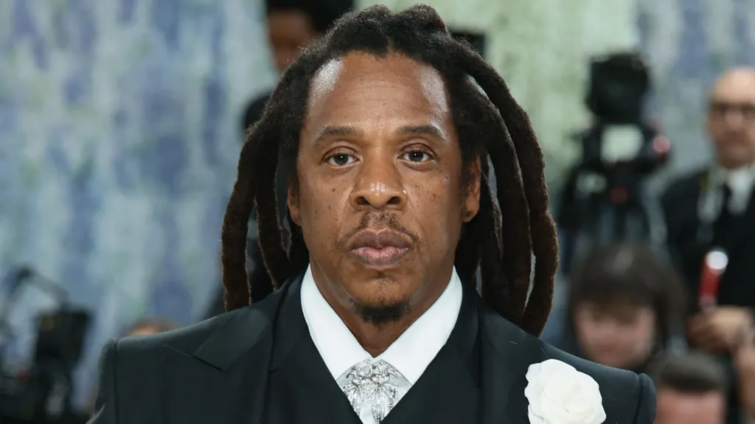
Jay-Z at the 2026 Met Gala in New York. A former accuser has now withdrawn her allegations against the rapper in a federal court declaration.
Woman says allegation against Jay-Z was false
In the declaration, Jane Doe said Carter “never raped me” and that she had never met or spoken with him.
She also stated that Carter had never behaved inappropriately toward her and apologized for what she described as the harm caused by her previous accusations.
Her lawyer, J. Blair Newman, offered an important qualification. He said the woman maintains that she was sexually assaulted but that she was mistaken in identifying Carter as the person who assaulted her.
That distinction is significant because the recantation concerns the allegation against Carter specifically; it does not establish that every aspect of the woman’s account of sexual assault was fabricated.

Court Filing Brings Major Reversal in Jay-Z Sexual-Assault Case
What she originally alleged
The original lawsuit was filed in 2024. Jane Doe alleged that she had been 13 years old when she was sexually assaulted following the MTV Video Music Awards in New York in 2000.
She initially accused Sean “Diddy” Combs and later added Jay-Z to the lawsuit.
The allegations against Carter were strongly denied from the beginning. The lawsuit was eventually voluntarily dismissed in February 2025.
The original allegations were separate from the criminal case involving Combs that resulted in his 2025 conviction on two counts of transportation to engage in prostitution.

Jay-Z’s Legal Battle Continues After Accuser Withdraws Claim
Questions surrounding how the lawsuit was prepared
In her new declaration, Jane Doe also raised questions about the legal process that preceded the filing of the original case.
She said the lawyers handling her case did not conduct what she considered adequate independent investigation or obtain corroborating evidence before filing the complaint. She also said she was not shown a draft of the lawsuit before it was filed.
She said she had responded to a Facebook advertisement seeking people who might have information about sexual abuse involving Combs.
According to her declaration, the advertisement triggered memories of an assault she says occurred when she was 13. She subsequently contacted a law firm and was connected to attorneys who eventually brought the case.
Former lawyer disputes aspects of the new account
The woman’s former attorney, Tony Buzbee, has disputed aspects of her new account.
Buzbee told The New York Times that the woman had provided the same detailed account to four lawyers before meeting him and said his firm had hired a former major-crimes police detective to examine the facts.
His comments present a different account of the level of investigation that preceded the lawsuit.
The competing accounts are now part of the wider legal dispute between Carter and his former legal representatives.
Jay-Z’s legal case continues
Jay-Z had previously filed a lawsuit against Jane Doe and her former lawyers, alleging defamation and malicious prosecution.
Following the woman’s new declaration, Carter’s attorneys said they were dropping her as a defendant in that case. The claims against her former attorney remain.
Reuters reported that representatives for Jay-Z did not provide a further comment on the latest development.
The woman also stated that she was not receiving money or a promise of financial compensation from Carter in exchange for her new statements.
A significant reversal
The case has undergone several major changes since the original allegations became public:
| Date | Development |
|---|---|
| 2024 | Jane Doe filed a civil lawsuit alleging sexual assault involving Combs and later Jay-Z |
| February 2025 | The civil lawsuit was voluntarily dismissed |
| 2025 | Jay-Z pursued legal action against the accuser and her former lawyers |
| September 2026 | Jane Doe filed a declaration saying her allegations against Carter were false and that she had never met him |
| September 2026 | Carter’s lawyers moved to remove Jane Doe from their case |
What the recantation does — and does not — establish
The latest declaration substantially changes the status of the allegations against Jay-Z.
However, a recantation is not itself a judicial finding about every factual question surrounding an allegation. The available reports show that the woman has changed her account and that the civil litigation has developed accordingly.
Her current attorney maintains that she was a victim of sexual assault but was mistaken about Carter’s involvement. Her former attorney disputes aspects of her account of how the original case was investigated.
The development therefore needs to be reported separately from the original allegations and without treating either account as independently established beyond what the court record supports.
Impact on Jay-Z
Carter has previously described the allegations as deeply damaging to him and his family. He has also spoken publicly about the emotional impact of the lawsuit and rejected suggestions that he should settle the matter privately.
With the woman now removed from the defamation case, the remaining legal dispute is focused largely on the conduct of the lawyers involved in bringing the original allegations.
Independent assessment
The central new fact is straightforward: the woman who previously accused Jay-Z has now formally said that her allegations against him were false and that she never met him.
The circumstances behind the original allegation, the preparation of the lawsuit and the conflicting accounts from the woman and her former lawyers remain subjects of legal dispute. The latest court filing changes the posture of the case but does not, by itself, resolve every underlying question surrounding the episode.

Mourinho’s Real Madrid Reset Faces Early Tactical Tests

Ghana’s AFCON 2027 Campaign Faces Early Test After Gambia’s Victory

Manchester City Facing Major Fallout as Reports Say 114 of 115 Charges Were Upheld



-

 General News2 weeks ago
GTA Cash Reserves Halve to GH¢640,000 Despite Improved Liquidity Ratio
-

 General News2 weeks ago
GTA’s Financial Strength Weakens Despite 2025 Tourism Activities
-

 General News2 weeks ago
Creative Arts Agency Records GH¢2.01m Revenue in FY2025 Despite Financial Reporting Gaps
-

 Culinary2 weeks ago
Oranges: More Than Just Juice — The Nutritious Fruit Adding Flavour to Ghanaian Life
-
Culinary5 days ago
Kofi Brokeman: The Simple Ghanaian Snack That Has Stood the Test of Time
-
 General News5 days ago
Two political parties, one lesson: Afuntummireku and Tikro Nkɔ Agyina for Ghana
-
 General News1 week ago
Bost Energies Made GH¢684 Million Profit: Why Use The NPA Bill, 2026 To Weaken Its Operations?
-
General News2 weeks ago
GTA’s Income Falls 18.6% as Government Funding Slumps