
Entertainment
Stonebwoy Ignites Barcelona as Highlife to the World 2027 Launches Global Campaign for Ghana’s Highlife Music

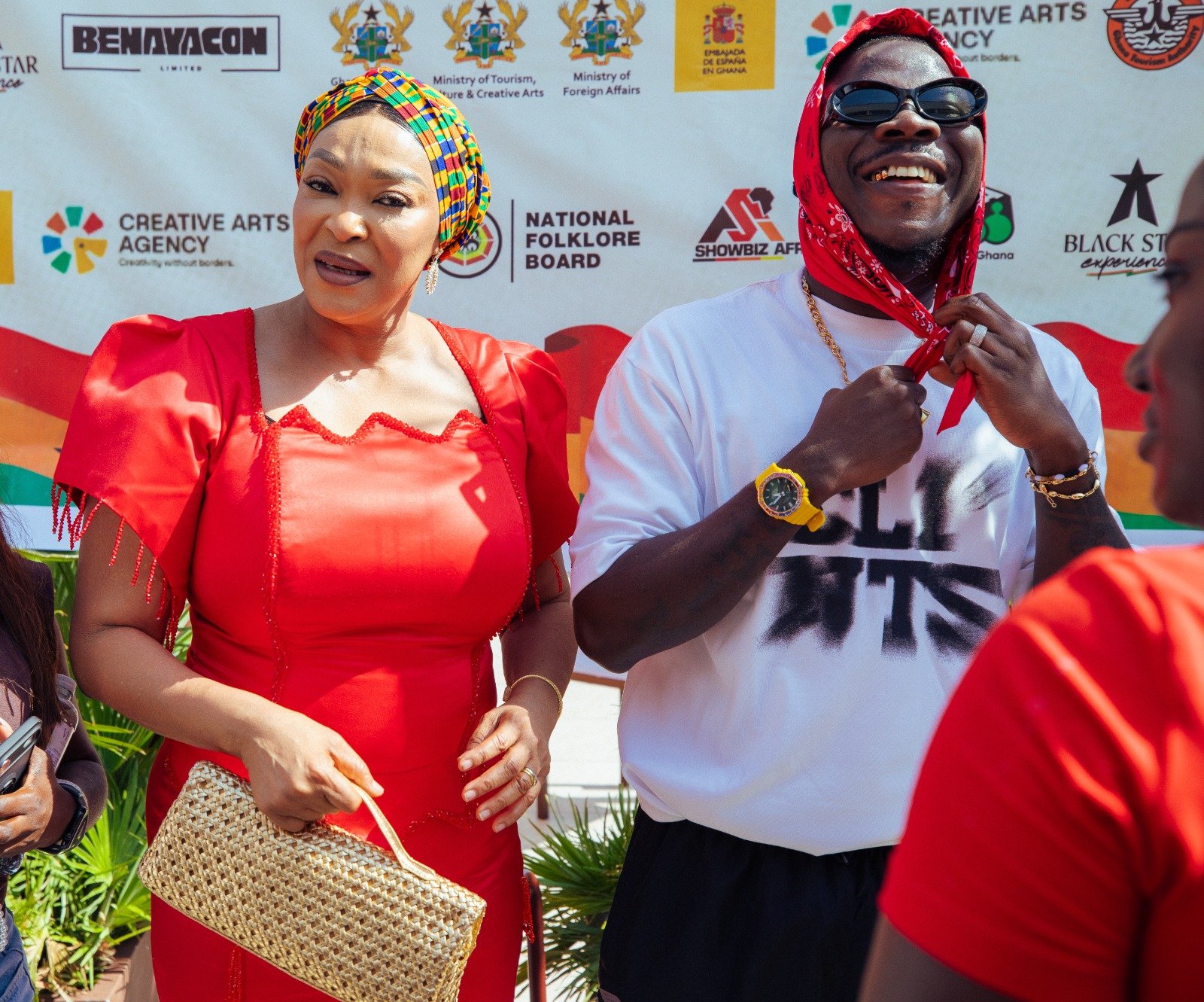
Stonebwoy delivered an electrifying performance as Highlife to the World 2027 – The Black Star Experience was officially launched in Barcelona, Spain, marking the beginning of a global campaign to celebrate and promote Ghana’s iconic Highlife music ahead of the nation’s 70th anniversary celebrations.
The award-winning Ghanaian musician thrilled audiences with a high-energy performance that showcased the richness of Ghanaian music and culture. His appearance became one of the major highlights of the launch event, drawing loud applause from guests and music lovers in attendance.
During the event, Stonebwoy reaffirmed the significance of Highlife, describing it as the foundation of modern African music.
“Highlife music is the mother of Afrobeats. Highlife is from Ghana. Visit Ghana,” he declared to the audience.
His remarks echoed the campaign’s vision of positioning Ghana as the birthplace of Highlife while promoting the country as a leading cultural and tourism destination.
The Highlife to the World – The Black Star Experience 2027 initiative aims to introduce Ghana’s legendary Highlife music to new international audiences through concerts, cultural exhibitions, tourism promotion, and collaborations with global entertainment stakeholders.
The launch forms part of preparations for Ghana’s 70th anniversary celebrations in 2027 and seeks to strengthen the country’s cultural identity while celebrating Highlife’s influence on contemporary African genres, including Afrobeats.
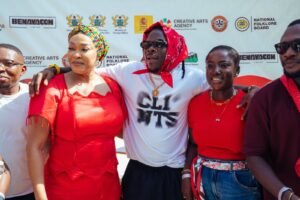
Stonebwoy’s energetic performance reinforced the campaign’s message that Ghana’s music heritage remains vibrant and globally relevant. His call for the world to “Visit Ghana” also aligned with broader efforts to promote Ghana’s tourism, culture, and creative arts on the international stage.
Organisers believe Highlife to the World 2027 will help elevate Ghana’s cultural diplomacy, increase global appreciation for Highlife music, and attract visitors eager to experience the country’s rich musical heritage
firsthand.








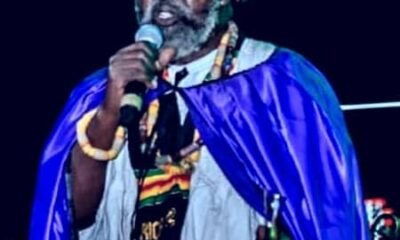



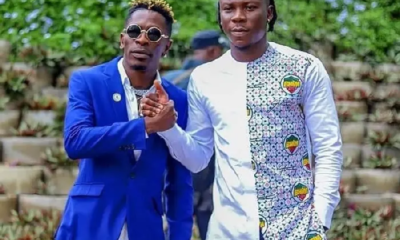

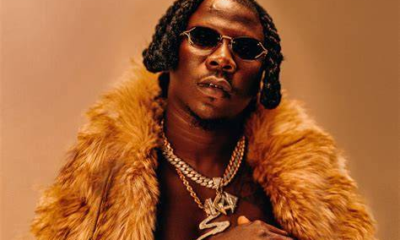

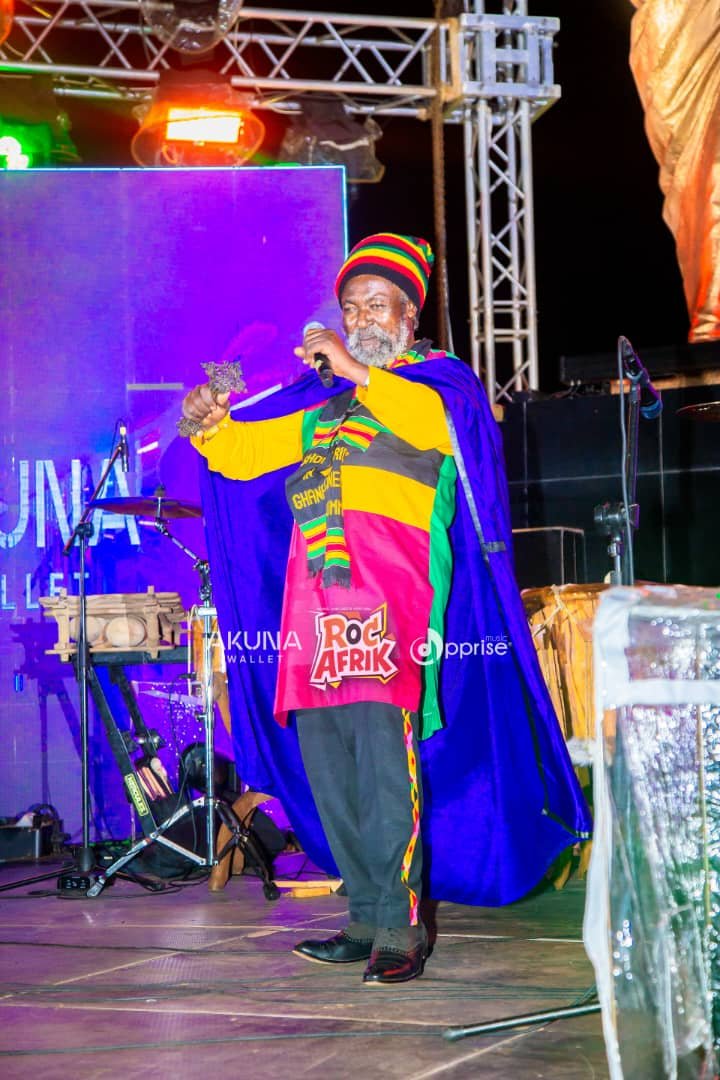
Ras Caleb Appiah-Levi has mounted a passionate defence of Ghana’s global contribution, arguing that the country has produced significant achievements in politics, peacekeeping, culture, spirituality and youth development despite persistent negative perceptions about the nation.
In a statement titled “Can’t Anything Good Come Out of Ghana?”, the Founder and Executive President of PanAfrica-Ghana and Ambassador for the Global Peace Ambassadors Awards (GPAA) drew on the biblical question asked by Nathanael about Nazareth to challenge what he described as an ignorant perception that little good comes from Ghana.
Appiah-Levi, who identifies himself as the son of Cofie Essah Appiah of Boso-Gua, said his response to the question was an emphatic yes. A thousand times yes!
According to Appiah-Levi, one of Ghana’s greatest contributions to the world was its attainment of independence on March 6, 1957.
He credited Osagyefo Dr Kwame Nkrumah’s leadership with giving practical expression to African independence and Pan-Africanism.
Nkrumah declared Ghana free from British colonial rule in his historic independence address, stating that “Ghana, your beloved country is free forever.” Historical records also document his broader argument that Ghana’s independence was tied to the liberation of the African continent.
Appiah-Levi argued that Ghana’s independence became an important symbol for other African countries pursuing freedom from colonial rule.
He cited countries including Nigeria, Kenya and Zambia as part of the wider African independence movement that followed Ghana’s breakthrough.
For him, Ghana’s historical importance extends beyond its own borders because the country demonstrated that Africans could take responsibility for managing their own affairs.
Ghana became independent on March 6, 1957, becoming the first sub-Saharan African country to achieve independence from colonial rule.
Appiah-Levi also highlighted Ghana’s role in international peacebuilding.
He mentioned former United Nations Secretary-General Kofi Annan, a Ghanaian who became one of the country’s most prominent figures on the international stage, as well as Ghanaian soldiers who have participated in peacekeeping operations in different parts of the world.
He referenced Ghanaian participation in peacekeeping efforts in countries including Lebanon, the Democratic Republic of Congo and Liberia.
Beyond military peacekeeping, Appiah-Levi said Ghana had established itself as a welcoming country through initiatives such as the Year of Return and Beyond the Return, which sought to strengthen connections between Ghana and people of African descent in the diaspora.
“While others build walls, Ghana builds doors,” he wrote, portraying the country as a place where Africans in the diaspora can reconnect with the continent.
Appiah-Levi further pointed to Ghana’s cultural heritage as another area in which he believes the country has made an important contribution to the world.
He referenced traditional dances including Adowa, Kete and Agbadza, alongside Ghanaian musical traditions such as highlife and hiplife.
He also mentioned Kente and Fugu, describing them as important expressions of Ghanaian identity and heritage.
The PanAfrica-Ghana founder said his pride in Ghanaian culture was reflected in his own appearance at an ambassadorial honour, where he wore traditional Ghanaian cloth.
He also highlighted Ghana’s natural resources and agricultural products, particularly cocoa and gold, linking them to the country’s historical identity as the Gold Coast.
In making his case for Ghana’s intellectual contribution, Appiah-Levi cited Ghanaian scholar and educator J.E. Kwegyir Aggrey, recalling his famous analogy about the need for both black and white keys to create harmony.
For Appiah-Levi, the quotation reflects the importance of diversity, cooperation and the complementary contributions of different peoples.
He also connected Ghana’s cultural heritage to traditional spirituality, herbal practices and reverence for ancestors.
Describing his own spiritual philosophy as “SUULIYAH — Peace beyond understanding,” he said Ghana’s spiritual traditions form part of the country’s contribution to humanity.
Appiah-Levi said Ghana’s achievements should not only be measured through its history.
He pointed to the country’s young people as evidence that positive developments continue to emerge from Ghana.
According to him, young Ghanaians are working as inventors, coders, farmers and musicians and are increasingly creating opportunities rather than waiting for handouts.
He said PanAfrica-Ghana believes in the potential of the youth because, in his view, Ghana’s contribution to the world belongs not only to the past but also to the future.
“I see the good every day at Chesterfield Close,” he stated, arguing that the creativity and determination of young Ghanaians should be recognised.
Responding directly to those who question whether anything good can come from Ghana, Appiah-Levi urged them to look beyond negative narratives and experience the country’s history, culture and people for themselves.
He adapted the biblical response to Nathanael by saying: “Come and see.”
He invited people to see the Volta River, experience the hospitality of Boso-Gua and witness international peace-related activities in Accra.
He also pointed to the National Theatre, saying the venue would host the Global Peace Ambassadors gathering on December 23, 2026.
According to him, the event’s choice of Accra rather than international cities such as Geneva or New York reinforces his belief that Ghana can serve as a home for global peace initiatives.
Appiah-Levi concluded his reflection with a strong affirmation of Ghanaian identity and the country’s place in Africa.
He described Ghana as the Black Star, the hope of Africa, and Zion, insisting that the country should not be viewed as a mistake but as a message to the world.
“Everything good can come out of Ghana, because Ghana is good,” he stated.
He ended with the message:
“SUULIYAH — ONE LOVE, ONE FAMILY, ONE GHANA, ONE AFRICA!”
The statement was signed by Ras Caleb Appiah-Levi, Founder and Executive President of PanAfrica-Ghana and Ambassador for the Global Peace Ambassadors Awards (GPAA), Accra, September 2026.
His reflection comes as Ghana continues to commemorate the legacy of Nkrumah and the country’s Pan-African role. On September 21, 2026, Ghanaians and Pan-Africanists also commemorated Nkrumah’s 117th birthday, with speakers stressing the need to study and apply his development ideas rather than treating his legacy merely as a subject of celebration.
Entertainment
Build Hospitals, Not Just Chapels – Leila Djansi Challenges Wealthy African Churches for a strong

Ghanaian-American filmmaker Leila Jewel Djansi has challenged wealthy African churches to reconsider how they use their financial resources, arguing that more investment should go into hospitals, schools, medical research and rehabilitation centres.
In a lengthy Facebook post, Djansi questioned why many Africans turn to prayer, religious donations and so-called seed offerings when faced with serious health conditions, yet travel outside the continent when they require advanced medical treatment.
She used the late Nigerian televangelist TB Joshua as an example, noting that he was reportedly flown to Turkey by air ambulance after suffering a stroke, even as some stroke patients were seeking healing at his church.
Djansi said she had no problem with prayer or religious practices and acknowledged that such activities could help Christians maintain a strong prayer life.
However, she argued that faith should not replace the development of strong healthcare systems.
According to her, the situation surrounding stroke treatment in Ghana illustrates the problem. She referred to a dedicated stroke unit with 15 beds, clarifying that the facility had 15 beds rather than 24, and recalled her sister’s experience there.
She suggested that while Africans devote enormous amounts of time to prayer, there is comparatively less attention to developing the medical infrastructure needed to treat the conditions they pray about.
Djansi then turned her attention to cancer treatment and the number of Africans who travel to countries such as India for specialised medical care.
She pointed out the apparent contradiction in the practice, noting that some Christians who strongly reject other religions still willingly travel to countries where those religions are practised to seek life-saving medical treatment.
She mentioned religious figures and symbols associated with Hinduism and Buddhism, including Shiva, Kali, Krishna and Buddha, and asked why people who may regard those faiths as wrong would nevertheless place their lives in the hands of medical institutions established in such societies.
Her argument, she said, was not simply about ordinary hospitals.
She highlighted research hospitals, medical schools, cancer treatment centres, laboratories and specialist facilities capable of performing complex procedures, including heart, liver and bone-marrow transplants.
Djansi questioned why African societies have struggled to establish comparable institutions on a scale that can significantly reduce the need for patients to travel abroad.
“How did people whose theology we condemn build institutions whose medicine we trust with our lives?” she asked.
Drawing comparisons with the United States, Djansi noted that churches, religious orders and other faith-based organisations have historically played roles in establishing hospitals and schools, while governments provided regulation and oversight.
She therefore questioned why African churches with substantial financial resources could not pursue similar projects.
According to her, wealthy churches could invest in hospitals, train doctors and nurses, establish laboratories, support medical research and create rehabilitation facilities for people recovering from strokes and other debilitating conditions.
She argued that such projects would create a legacy that could continue benefiting communities long after the founders and current leaders of the churches are gone.
Djansi questioned the emphasis some churches place on constructing huge chapels, hotels and Bible schools when other pressing social needs remain.
She argued that religious institutions could consider directing some of their resources towards children’s cancer research, healthcare infrastructure and other projects that directly improve people’s lives.
Despite her criticism, Djansi made it clear that she was not arguing against religious institutions or prayer.
She praised the contributions of churches such as the Catholic and Seventh-day Adventist denominations to education and healthcare.
She recalled visiting an Adventist hospital in Simi Valley while scouting a location for a film and noticing a chapel inside the facility.
For her, the presence of the chapel represented an important balance between spirituality and medical care.
She also recalled the Catholic chapel at the Korle Bu Teaching Hospital, where a priest would reportedly visit the wards around 4 p.m. to pray with patients.
Djansi said she had personally shed many tears in that chapel, emphasising that faith and modern healthcare do not necessarily have to be competing ideas.
Djansi stressed that she was not calling on Christians to stop praying or giving money to their churches.
Instead, she urged believers to demand that their contributions produce tangible and lasting benefits for society.
She argued that money described as a seed could be channelled into building hospitals, laboratories and schools, training healthcare professionals, supporting medical research and establishing rehabilitation centres for stroke survivors.
In her view, such institutions would continue serving communities long after the individuals who collected the donations were no longer around.
She also suggested that healthcare, education and social welfare could themselves become powerful expressions of Christian values and service to humanity.
Djansi referenced Matthew 25:35–40 in making the case that caring for people in need can be considered an important part of Christian responsibility.
She also referred to Acts 17:24 while questioning the continued emphasis on massive religious buildings.
Djansi also cited figures concerning medical tourism in India, stating that more than 644,000 foreign visitors travelled there for medical purposes in 2024.
She further made a claim about the reported $2.3 million cost of cancer treatment for a person she referred to as “Aba” in the United States, saying the treatment was covered through insurance associated with a faith-based Baptist corporation.
Using humour and sarcasm, she questioned the logic of asking people to contribute “cancer seed” to religious leaders while depending on expensive medical systems developed and funded elsewhere when serious illness strikes.
She also joked that the medical professionals caring for patients abroad may themselves come from backgrounds or communities that some conservative Christians disapprove of.
Djansi ended her post with a humorous reference to Jesus and the biblical trumpet, before returning to the central message of her argument.
Her final question was aimed at Africans who travel abroad for specialised healthcare: what does it say about African societies when they trust the expertise of doctors and medical institutions abroad but have not invested enough in building similar systems at home?
“That Indian Dr. treating your dad? That’s his god,” she wrote, using the statement to reinforce her broader argument about the relationship between religious beliefs, healthcare investment and the practical institutions people rely on when their lives are at stake.
From E.T. Mensah and Koo Nimo to Daddy Lumba and Amakye Dede, these classic Ghanaian songs helped shape the country’s rich musical history.
Ghana has a long and influential musical tradition, with highlife serving as one of the country’s most enduring genres.
Decades before streaming platforms and social media became part of the music business, Ghanaian musicians were filling dance halls, radio programmes and homes with songs that captured love, heartbreak, family, social issues and everyday life.
From the dance-band era of the 1950s and 1960s to the emergence of burger highlife in the 1980s and the dominance of modern highlife in the 1990s, several songs have remained popular across generations.
Here are 30 old Ghanaian songs worth revisiting.
1. Yaa Amponsah – Koo Nimo
Era: 1960s
Koo Nimo is one of Ghana’s celebrated traditional highlife guitarists, and “Yaa Amponsah” is associated with the classic guitar-band tradition that helped establish Ghanaian highlife.
2. Odo Akosomo – Koo Nimo
Era: 1960s
Another classic associated with Koo Nimo’s guitar-driven style, combining traditional Ghanaian rhythms with the storytelling character of highlife.
3. Owuo Tɔn A Tɔ Bi – Dr K. Gyasi
Era: 1960s
Dr K. Gyasi was an important figure in Ghana’s guitar-band highlife movement, producing music that reflected the social experiences of his generation.
4. Aponkyerene – African Brothers Band
Era: 1960s
The African Brothers Band, led by Nana Kwame Ampadu, became one of Ghana’s influential highlife groups, with songs built around memorable melodies and storytelling.
5. Antoa Ntoa – E.T. Mensah
Era: 1960s
E.T. Mensah, widely associated with Ghana’s dance-band highlife tradition, helped take Ghanaian highlife to audiences beyond the country.
6. All For You – E.T. Mensah & The Tempos
Era: 1960s
The Tempos became one of the most recognised dance bands in Ghana, with E.T. Mensah’s music becoming an important part of the country’s post-independence musical culture.
7. Simigwa – Gyedu-Blay Ambolley
Era: 1970s
Gyedu-Blay Ambolley introduced a distinctive style that blended highlife with jazz, funk and other influences. Simigwa became closely associated with his sound.
8. Sunshine Day – Osibisa
Era: 1970s
Osibisa, founded by African and Caribbean musicians in London, became internationally recognised for its fusion of African rhythms, highlife, jazz and rock.
9. Fire – Osibisa
Era: 1970s
Another notable Osibisa recording, reflecting the band’s energetic blend of African and Western musical influences.
10. Takoradi – Wulomei
Era: 1970s
Wulomei brought traditional Ghanaian musical influences to the popular music scene, helping promote indigenous sounds during the 1970s.
11. Mother Africa – Marijata
Era: 1970s
Marijata became known for its fusion of highlife, funk and African rhythms and remains one of the groups associated with Ghana’s rich 1970s music scene.
12. Kye Kye Pe Aware – Sweet Talks
Era: 1970s
Sweet Talks were among the major groups that helped shape Ghana’s dance-oriented highlife sound during the 1970s.
13. Muntie – Ramblers International
Era: 1970s
The Ramblers International were one of Ghana’s notable dance bands, producing music that became popular in Ghana’s social and dance culture.
14. Tena Me Nkyen – Paapa Yankson
Era: 1970s
Paapa Yankson became one of Ghana’s most respected highlife musicians, with songs that often combined entertainment with observations about life and society.
15. Akoo Te Brofo – George Darko
Year: 1983
George Darko’s “Akoo Te Brofo” is strongly associated with the emergence of burger highlife, a style developed particularly among Ghanaian musicians living and working in Europe.
16. Kaakyire Nua – George Darko
Era: 1980s
Another recording associated with George Darko’s influential period, when electronic instrumentation and European production techniques were increasingly incorporated into Ghanaian highlife.
17. Fre Me – Charles Amoah
Era: 1980s
Charles Amoah became one of the recognisable voices of Ghanaian popular music during the 1980s and 1990s, with songs that gained a strong following.
18. Eye Odo Asem – Charles Amoah
Era: 1980s
The song is among the recordings remembered by fans of Charles Amoah and the highlife sound of the period.
19. Baya – Ben Brako
Era: 1980s
Ben Brako emerged as another important name in Ghana’s highlife scene, particularly during the period when the genre was undergoing significant changes.
20. Abam – Paapa Yankson
Era: 1980s
Paapa Yankson remained active through different generations of Ghanaian music, maintaining his position as one of the country’s respected highlife performers.
21. Moses – A.B. Crentsil
Era: 1980s
A.B. Crentsil was known for using humour, social commentary and everyday Ghanaian experiences in his music.
22. Papa Samo – A.B. Crentsil
Era: 1980s
Another memorable recording from A.B. Crentsil, whose music helped make social storytelling a major feature of Ghanaian popular music.
23. Sii Nana – Bessa Simons
Era: 1990s
Bessa Simons became an important figure in Ghana’s highlife scene, combining traditional elements with more contemporary production.
24. Theresa – Daddy Lumba
Era: 1990s
“Theresa” is one of the songs associated with Daddy Lumba’s rise to prominence and his contribution to the evolution of modern Ghanaian highlife.
25. Bribi Gyegye Wo – Daddy Lumba
Era: 1990s
Daddy Lumba’s romantic and socially themed songs helped establish him as one of the defining highlife musicians of his generation.
26. Ankwanoma – Daddy Lumba
Era: 1990s
The song remains part of the catalogue that helped make Daddy Lumba one of Ghana’s most influential highlife stars.
27. Asem – Nana Acheampong
Era: 1990s
Nana Acheampong was one of the prominent voices of Ghanaian highlife during the 1990s and was particularly influential within the contemporary highlife movement.
28. Meko Odo Enkyen – Nana Acheampong
Era: 1990s
The song reflects the romantic and emotional themes that featured prominently in Ghanaian highlife during the period.
29. Iron Boy – Amakye Dede
Era: 1980s–1990s
Amakye Dede, popularly known as the “Iron Boy,” became one of Ghana’s most respected highlife musicians, with a career spanning several decades.
30. Sika Nye Moja – Amakye Dede
Era: 1990s
The song is among the works associated with Amakye Dede’s long and influential highlife career.
A musical journey across generations
These 30 songs represent only a fraction of Ghana’s extensive musical catalogue, but together they illustrate how the country’s sound changed over several decades.
The 1960s were strongly associated with guitar-band and dance-band highlife. The 1970s brought greater experimentation with funk, jazz, soul and African rhythms, while the 1980s saw the growth of burger highlife and electronic production.
By the 1990s, musicians such as Daddy Lumba, Nana Acheampong and Amakye Dede were helping push highlife into a more contemporary era.
Today, elements of these older sounds can still be heard in Ghanaian highlife, hiplife, Afrobeats and other modern genres.
For many music lovers, these songs remain more than old records. They are part of Ghana’s cultural and musical history.
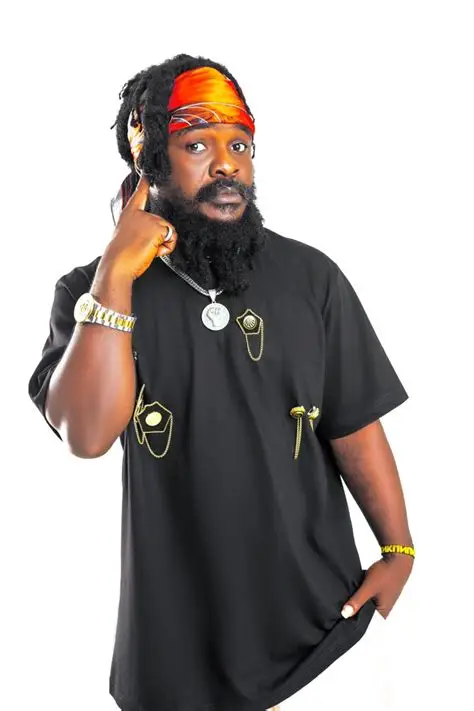
Reggae musician Ras Kuuku has taken issue with a social media post shared by rapper Sarkodie following Stonebwoy’s OVO Arena Wembley concert, describing the content as inappropriate and calling on Ghanaians to speak up when public figures cross certain lines.
In an interview with 3Music, Ras Kuuku said a video posted by Sarkodie, which showed a person with a physical disability walking, did not sit well with him.
According to the reggae musician, the timing and nature of the post created an unfortunate impression, especially since it came shortly after Stonebwoy’s major international concert.
Ras Kuuku questioned the message Sarkodie’s post could send to the public, arguing that artistes and other influential personalities should be conscious of the content they put on social media.
“The truth is one; we should always face it and say it. After Stonebwoy’s show, the video of a cripple walking that my brother Sarkodie posted wasn’t good at all,” he said.
He also criticised people in the entertainment industry who, in his view, saw the post but failed to challenge Sarkodie.
Ras Kuuku said colleagues could have approached the rapper privately and reminded him that, despite disagreements or competition within the music industry, Ghanaian artistes ultimately belong to the same national community.
He explained that the issue should not simply be viewed through the lens of rivalry between musicians because the content involved a person living with a disability.
“People should have called him to order, ‘My brother, we are all Ghanaians. We are one people. He shouldn’t have done that.’ Even the associations that see to these things should have come out and condemned that video,” Ras Kuuku stated.
The musician further argued that the post appeared to communicate something beyond normal competition between artistes.
For him, the incident raised questions about whether disagreements within Ghana’s music industry sometimes become so intense that they overshadow the need for solidarity among Ghanaian entertainers.
“That video alone means we are not one people. That video alone speaks a lot. How can you do that?” he asked.
Ras Kuuku went on to explain his position by using another example involving people with disabilities.
He said it would similarly be wrong for someone to use the actions of a visually impaired person as material for ridicule or mockery.
“So imagine somebody does something, maybe a visually impaired person, then me coming out posting a blind person not finding his way. We should condemn some things. We shouldn’t think some artistes are mental. No, we are all human beings,” he said.
His comments focused on the need for greater sensitivity when discussing or portraying people with disabilities, particularly on platforms where content can quickly reach large audiences.
Ras Kuuku also reminded Ghanaians that differences between individuals and groups should not erase their shared national identity.
He noted that whenever Ghanaians travel outside the country, their individual differences, professional rivalries and disagreements do not change the fact that they are identified as Ghanaians.
“We are all one people. People wake up, brush their teeth, and go to the toilet. When we travel out there, we are all Ghanaians,” he added.

British Ghanaian rapper and producer Sway DaSafo, born Derek Safo, has died at the age of 44.
The news was announced by the MOBO Awards, which paid tribute to the influential musician and described him as an important part of its history.
A close friend also confirmed his death to the Guardian, revealing that Sway died at his home in Ghana. The cause of death has not been disclosed.
Sway, who became one of the notable figures in British hip-hop, made history in 2005 when he won the MOBO Award for Best Hip-Hop Act as an unsigned artist. His achievement came at a time when major names such as 50 Cent and The Game were dominating the international hip-hop scene.
The award helped establish Sway as an independent force in British music and earned him admiration from a generation of Black British musicians.
Born and raised in Hornsey, north London, to Ghanaian parents, Sway developed his musical abilities as both a rapper and producer. His style allowed him to move comfortably between grime, club music and more reflective hip-hop.
He once explained that he struggled to identify with any particular British music scene. At the time, UK garage was hugely popular, while British hip-hop, hiplife, drum and bass and R&B each presented their own limitations for him.
Sway initially performed with groups including Phynix Crew and One before embarking on a solo career. He released several mixtapes and gradually built a following.
His early single, Up Your Speed, attracted attention, but it was Little Derek that gave him a breakthrough. The song entered the UK Top 40 in 2006 and became one of the defining tracks of his career.
Little Derek later featured on his critically acclaimed debut album, This Is My Demo. The project received strong reviews, including a four-star review from the Guardian, and was nominated for the Mercury Prize. It ultimately lost the award to Arctic Monkeys’ debut album.
Sway’s MOBO success came during the same period, further cementing his reputation as one of Britain’s emerging hip-hop talents.
He continued releasing music through his independent label, Dcypha Productions, before entering into a partnership with Konvict Music, the label founded by Senegalese-American superstar Akon.
Akon was among the artists featured on Sway’s second album, The Signature LP, released in 2008.
As his profile grew, Sway later spoke openly about some of the pressures that came with increased fame. He said the period surrounding The Signature LP brought “ego, too many lights, and too much confusion.”
Despite those challenges, he continued experimenting with a more commercial sound and achieved some of the biggest chart successes of his career.
His 2011 single Still Speedin’, which sampled the classic track Ride on Time, became his first UK Top 20 hit and featured a guest appearance from fellow British rapper Kano.
He followed that success with Level Up, produced by dubstep heavyweight Flux Pavilion. The song performed even better, reaching No. 8 on the UK Singles Chart in 2012.
Throughout his career, Sway worked with several prominent musicians across different genres.
His collaborations included Riz Ahmed on Shifty, Ed Sheeran on the No. 5 Collaborations Project EP, and work with American rappers Lupe Fiasco and Chamillionaire.
He also collaborated with British acts and rappers such as Tinchy Stryder, Akala, Mitchell Brothers and Donae’o.
His musical reach extended beyond hip-hop as well, with Sway making an appearance on Kaiser Chiefs’ third studio album, Off With Their Heads.
Beyond his own music, Sway played a significant role in helping develop younger talents. He used his label and experience to support emerging artistes and was particularly instrumental in the early development of KSI, who later became a major YouTube personality and successful musician.
Sway and KSI also recorded the 2013 song No Sleep, which featured another young artiste associated with Sway, Tiggs Da Author.
Away from music, Sway was married to Helen. The couple tied the knot in 2013 and had four children: Jalil, AJ, Inaya and Imara.
His death at 44 marks the loss of a musician whose career bridged British hip-hop, grime and Ghanaian heritage while also leaving an impact through his work with younger artistes.

NPP finalises arrangements for October 3 national officers election

Can’t Anything Good Come Out of Ghana? – Ras Caleb Appiah-Levi Fires Back at Critics

Build Kumasi Theatre or Hold Dzifa Gomashie Accountable – Bnoskka Tells Mahama



-

 General News1 week ago
GTA’s Financial Strength Weakens Despite 2025 Tourism Activities
-

 General News1 week ago
GTA Cash Reserves Halve to GH¢640,000 Despite Improved Liquidity Ratio
-

 Entertainment2 weeks ago
Keche Supports Street Vendor with GH¢3,000 After She Struggles to Make Sales
-
 Entertainment2 weeks ago
Government Repatriates Musician Barosky from UK
-
 General News2 weeks ago
TVET is not for the academically weak – Advocate calls for change in Ghana’s mindset
-
 General News2 weeks ago
Techiman Assembly, Zoomlion Undertake Fumigation Exercise to Prevent Disease Outbreaks
-
 General News2 weeks ago
Police Launch Manhunt for Missing Assin Fosu Man as Captors Demand GH¢49,500 Ransom
-

 Entertainment2 weeks ago
A.B. Crentsil: The Highlife Legend Many Ghanaians Are Slowly Forgetting