
Uncategorized
NSS ‘Ghost Names’ Case: Assibey Antwi’s Lawyer Says Client Has Not Been Served With Charges

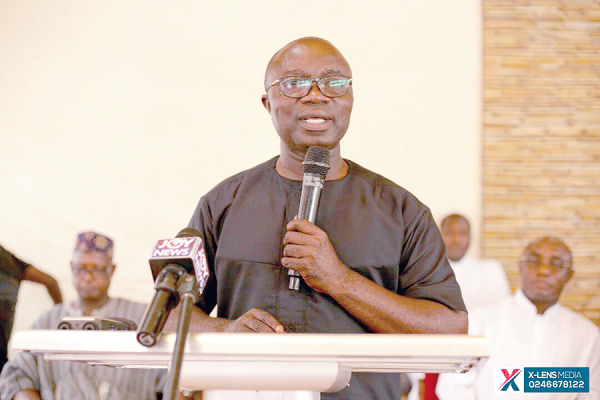
Five days after news broke about charges filed against the former Executive Director of the National Service Authority (NSA), Osei Assibey Antwi, his legal team has told the Criminal Division of the High Court that he has not yet been formally served with the charge sheet — explaining his absence from court today.
On Monday, October 13, 2025, the Attorney-General filed charges against Mr. Antwi, accusing him of authorising payments totaling GH¢500,861,744.02 to more than 60,000 non-existent (ghost) national service personnel.
Mr. Antwi, who resides in Kumasi, was expected to appear before the court to respond to 14 counts of causing financial loss to the state, stealing, and money laundering.
When the case was called around noon on Thursday, October 16, his lawyer, Paa Kwesi Kuboadzi, appeared in court wearing traditional African attire instead of the usual black suit, robe, and wig.
He told Justice Kizita Naa Koowa Quarshie that he was informed of the court session barely an hour before it started.
“Unfortunately, we were not given any prior notice,” Mr. Kuboadzi said. “I was called about an hour ago to appear before the court, which is why I am not robed.”
He therefore requested that the prosecution give the defense adequate notice for future appearances.
Prosecution’s Response
The Director of Public Prosecutions (DPP), Yvonne Atakora Obuobisa, explained that while the charge sheet had been filed, the prosecution was unaware that the case had been scheduled for hearing today.
“We did not have a hearing date. My instructions are that we will file a hearing notice for the next appearance,” she told the court.
The DPP also requested that Mr. Antwi, who currently reports to investigators in Kumasi, be directed to report to investigators in Accra moving forward.
She assured the court that the prosecution would formally serve the accused with the charge sheet and accompanying facts, and notify him when to appear for the first official hearing.
Justice Quarshie, however, stated that the court could not fix a date until the prosecution properly arraigns the accused.
“The court will await the Republic to arraign the accused,” she ruled.
Background to the Case
The Attorney-General and Minister for Justice, Dr. Dominic Ayine, has charged Osei Assibey Antwi and the former Deputy Executive Director of the NSA, Gifty Oware Mensah, over alleged payments to 69,934 ghost national service personnel.
Prosecutors allege that between August 2021 and February 2025, Mr. Antwi authorised payments amounting to over GH¢500 million in allowances to fictitious names.
Mrs. Oware Mensah, on her part, is accused of generating 9,934 fake service names through the NSA’s Central Management System (CMS). She allegedly took control of Blocks of Life Consult Limited, making her mother’s driver a director, and used the company to secure a facility from the Agricultural Development Bank (ADB).
According to the prosecution, she claimed the company had supplied goods on hire-purchase to the fake service personnel and used their supposed allowances as collateral — a scheme that allegedly enabled her to fraudulently obtain GH¢38,458,248.87 over 11 months.
She has been charged with five counts including willfully causing financial loss to the state, using public office for profit, and money laundering.
Both accused persons are expected to appear before the High Court in Accra later this week for their pleas to be taken.


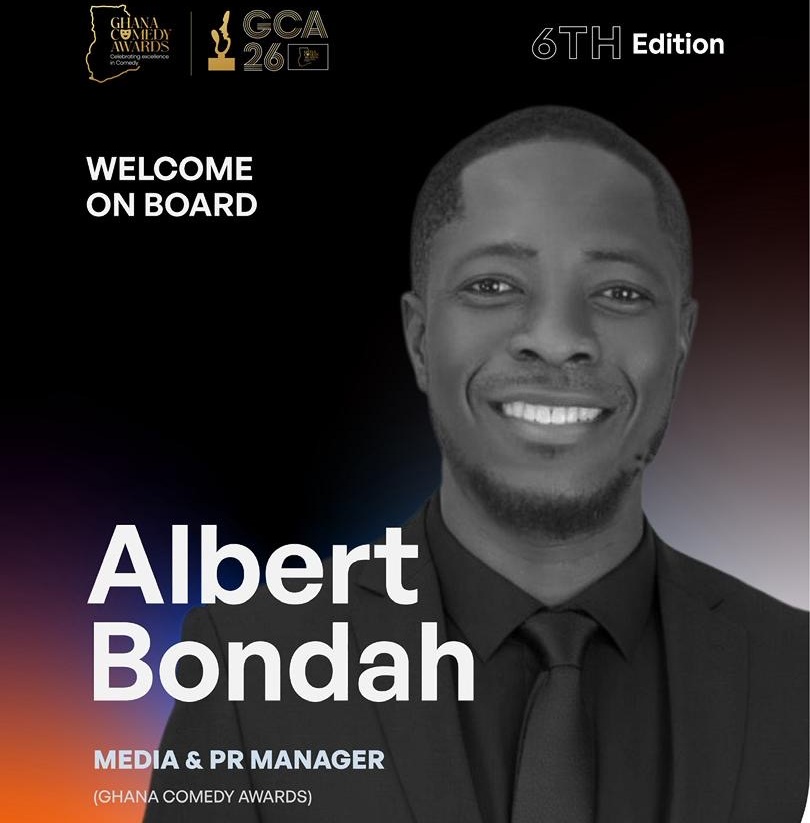
The organisers of the Ghana Comedy Awards 2026 have officially unveiled Albert Bondah as the new Media and Public Relations Manager for the highly anticipated sixth edition of the awards ceremony.
The announcement, which has already generated excitement within Ghana’s entertainment industry, forms part of the organisers’ broader efforts to strengthen the awards brand and expand its visibility ahead of this year’s event.

A graduate of the University of Cape Coast, Albert Bondah brings on board a wealth of experience in entertainment publicity, media relations, and strategic communications. His impressive portfolio includes serving as Road Manager for the Central Music Awards, as well as Media Relations Officer for organisations and brands such as African Arts Network, 2Cute Entertainment, Parrot Mouth Productions, PB Entertainment, Keche Global, and Fiifi Coleman Productions, among several other notable institutions within the creative industry.
With his extensive background in entertainment communications, Albert Bondah is expected to play a major role in promoting the awards scheme while strengthening engagement with audiences, stakeholders, media partners, and industry players. Many within the entertainment space see his appointment as a strategic move aimed at elevating the profile of the Ghana Comedy Awards both locally and internationally.
Over the years, the Ghana Comedy Awards has grown into one of the country’s leading entertainment platforms dedicated to celebrating comedians, comic actors, and creatives who continue to shape Ghana’s comedy landscape. The scheme has consistently recognised excellence, creativity, and innovation within the rapidly growing comedy industry.

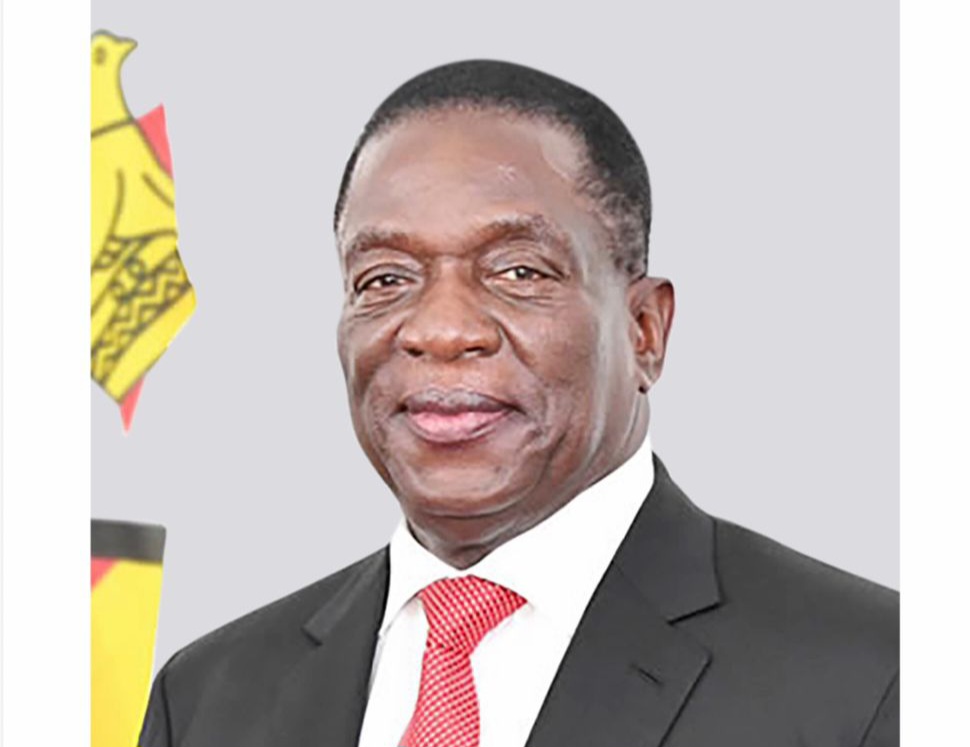
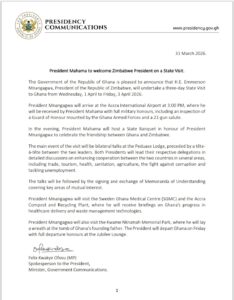
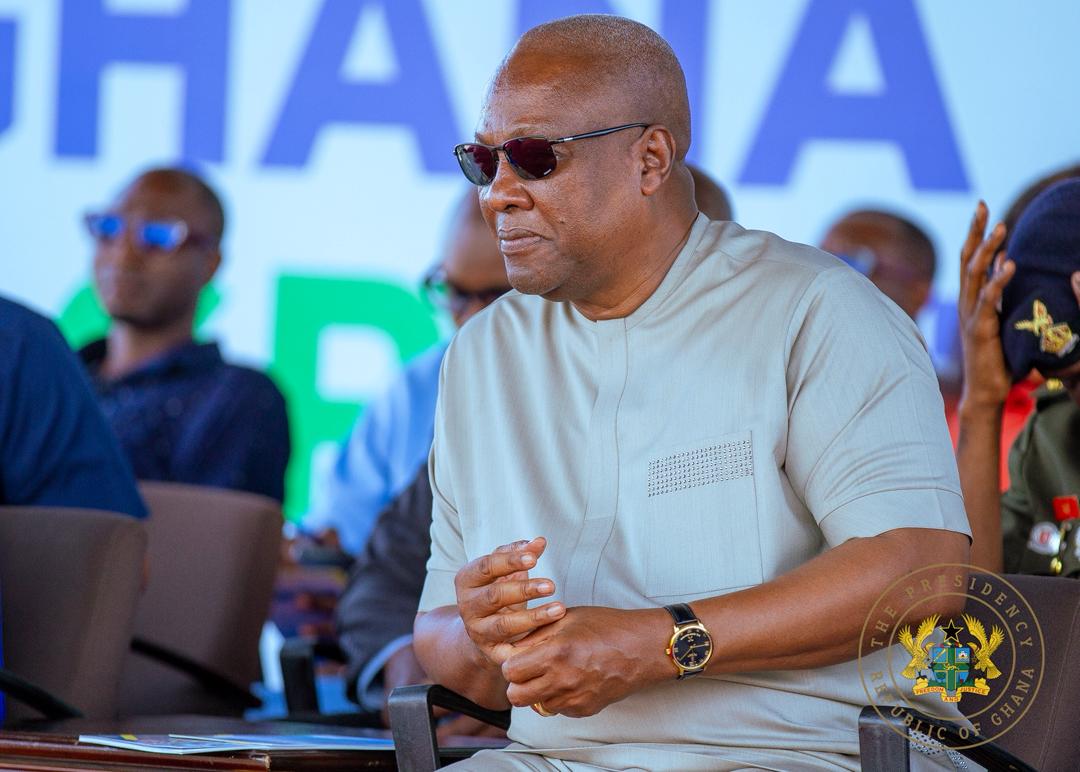
President John Dramani Mahama is set to host Zimbabwean President Emmerson Mnangagwa on a three-day State Visit to Ghana from Wednesday, April 1 to Friday, April 3, 2026.
According to a statement from the Presidency, President Mnangagwa will arrive at the Accra International Airport at 3:00 PM on Wednesday, where he will be received with full military honours by President Mahama. The ceremony will feature an inspection of a Guard of Honour mounted by the Ghana Armed Forces, followed by a 21-gun salute.
Later in the evening, President Mahama will host a State Banquet in honour of his Zimbabwean counterpart, in celebration of the long-standing relations between the two countries.
The highlight of the visit will be bilateral talks between the two leaders at the Peduase Lodge. The discussions, which will begin with a tête-à-tête, are expected to focus on strengthening cooperation in key sectors including trade, tourism, health, sanitation, agriculture, anti-corruption efforts, and job creation.
Both leaders are also expected to preside over the signing and exchange of several Memoranda of Understanding aimed at deepening diplomatic and economic ties between Ghana and Zimbabwe.
As part of his itinerary, President Mnangagwa will visit the Sweden Ghana Medical Centre and the Accra Compost and Recycling Plant to gain insight into Ghana’s advancements in healthcare delivery and sustainable waste management.
He will also pay homage to Ghana’s founding father, Dr Kwame Nkrumah, by laying a wreath at the Kwame Nkrumah Memorial Park.
President Mnangagwa is expected to depart Ghana on Friday, April 3, with full departure honours at the Jubilee Lounge.
The visit is anticipated to further strengthen bilateral relations and expand cooperation between Accra and Harare.
Read the statement below;
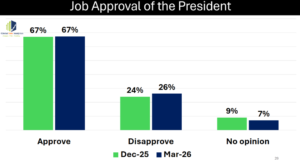
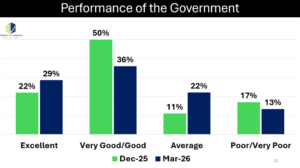
President John Dramani Mahama continues to enjoy strong public support, maintaining a 67% approval rating, according to a new poll by Global InfoAnalytics.
The survey released on March 25, 2026, showed that only 26% of voters disapprove of his performance, though it was a slight increase from 24% recorded in December 2025, while approval remains unchanged.
Support for President Mahama, according to the survey, spans all regions, including traditional opposition strongholds.
In the Ashanti Region, which is the stronghold of the opposition, New Patriotic Party (NPP), the poll showed that 56% of voters approve of his performance, while approval stands at 64% in the Eastern Region and 65% in the North East Region.
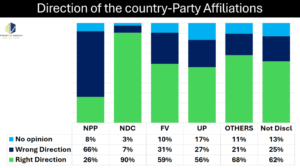
The poll also indicates that a majority of party affiliates back the president’s performance, except for supporters of the NPP.
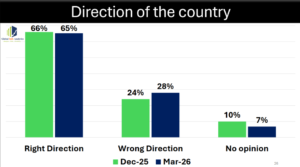
In the direction of the country, 65% of respondents in the survey noted that Ghana is headed in the right direction, though there was a marginal drop from 66% in the previous quarter.
Meanwhile, 28% believe the country is on the wrong path, up from 24%, while those with no opinion declined from 10% to 7%.
Living standards appear to have improved for many Ghanaians, with 58% of voters saying their conditions are better than a year ago, compared to 16% who report a decline.
However, optimism about the future has dipped slightly. The poll found that 68% of voters expect their standard of living to improve over the next 12 months, down from 70% in the previous quarter, suggesting growing unease over potential inflationary pressures linked to the Middle East conflict.

Ligal Baby Wins Big at Atinka Kids Dance Season 4 Grand Finale

Government reveals 76.4 Million Ghana cedis to back Black Stars World Cup campaign

2026 FIFA World Cup: Thomas Partey ruled out of Ghana group opener after denial of Canadian Visa



-
 Sports1 week ago
GFA Boss Kurt Okraku Rejects National Team Players Selection Interference allegations
-
 Politics2 weeks ago
Abronye DC Remanded Into Custody After Court Rejects Bid to Vary Bail Conditions
-
 Sports2 weeks ago
IFAB Approves Major Rule Changes Ahead of 2026 FIFA World Cup
-
 General News2 weeks ago
Sam George Pushes Mandatory National ID Verification for Access to Adult Websites
-
 Sports2 weeks ago
2026 FIFA World Cup: Ivory Coast defeats France in Pre-World Cup Friendly
-
 Culture2 weeks ago
Christian Council Backs Mahama’s Decision to Review Anti-LGBTQ+ Bill
-
 Sports1 week ago
2026 FIFA World Cup: Ghana group opponent England defeats New Zealand in a warm up Friendly
-
 Sports2 weeks ago
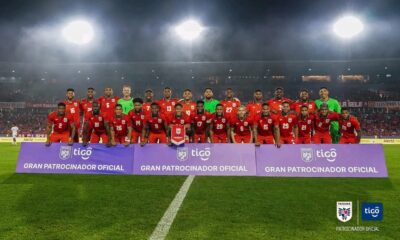
2026 FIFA World Cup: Ghana group opponent Panama beats Dominican Republic in last friendly ahead of the tournament