Connect with us

General News

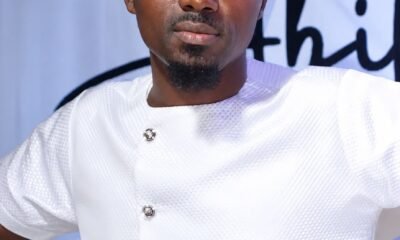
Baba Sadiq Accepts Nomination as Ghana’s High Commissioner-Designate to Nigeria

Published

on

Baba Sadiq Accepts Nomination as Ghana’s High Commissioner-Designate to Nigeria
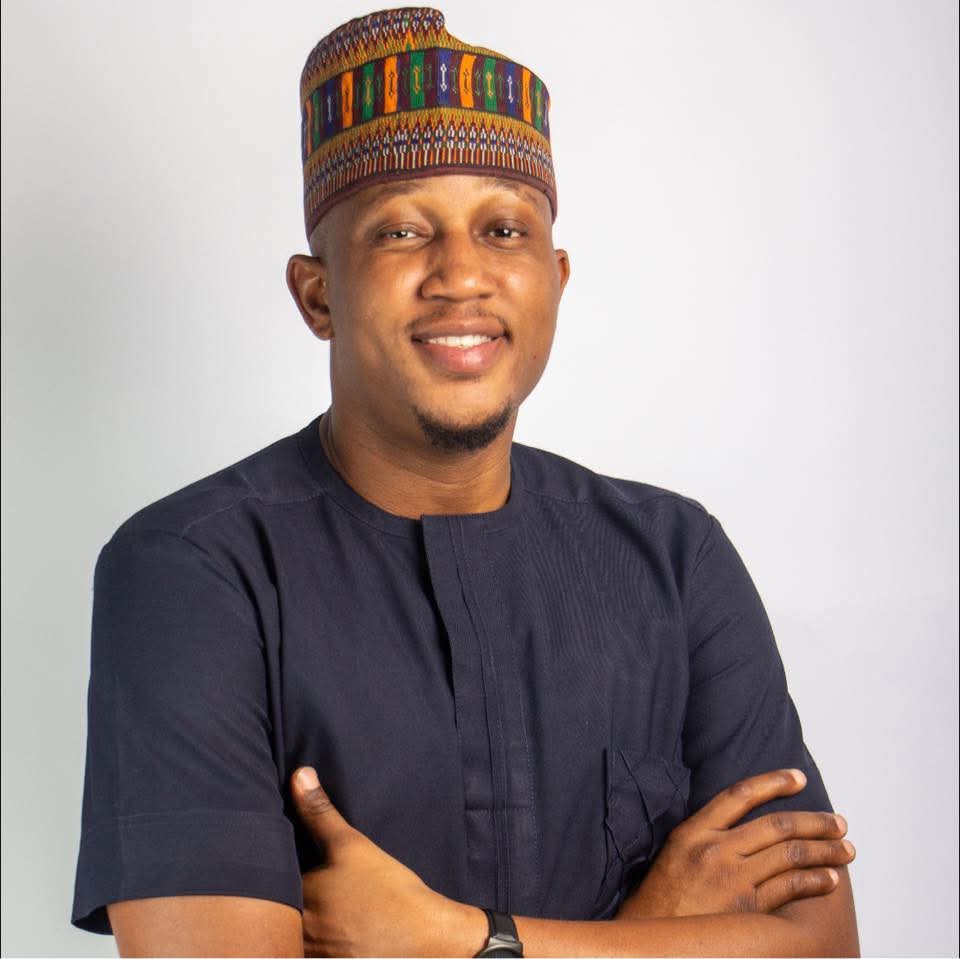
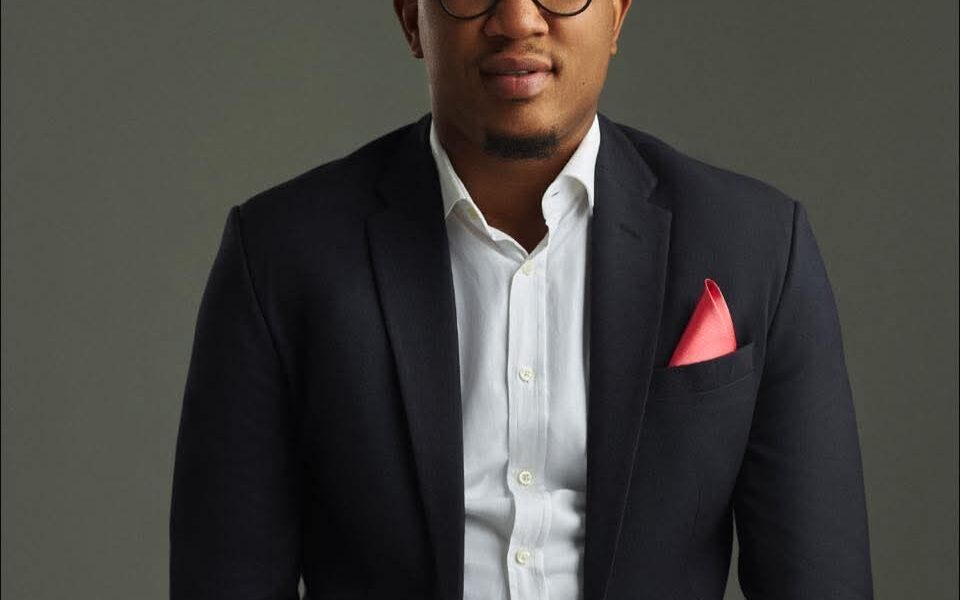
Ghana’s High Commissioner-Designate to Nigeria, Baba Sadiq Abdulai Abu, has officially accepted his nomination following his appointment by President John Dramani Mahama.

In a statement shared on Sunday, March 1, Baba Sadiq expressed gratitude to the President for the confidence reposed in him.

“I am profoundly honoured by the confidence of H.E. President John Dramani Mahama in appointing me as Ghana’s High Commissioner-Designate to Nigeria,” he wrote.


He also extended appreciation to the Minister for Foreign Affairs, Samuel Okudzeto Ablakwa, for his support.


“I am committed to serving Ghana with diligence and integrity,” he added.


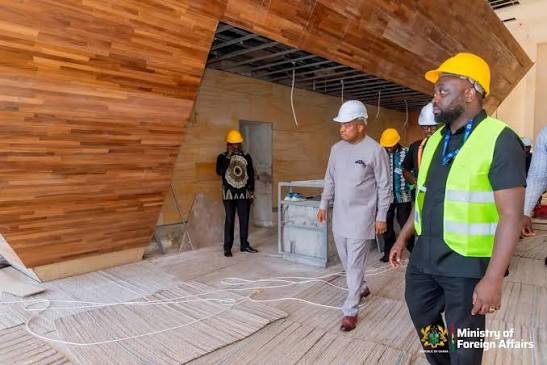
Baba Sadiq’s appointment was earlier announced by the Ministry of Foreign Affairs, marking a new chapter in his transition from media entrepreneur and politician to diplomat, as he prepares to represent Ghana’s interests in the Federal Republic of Nigeria.
General News

Baba Sadiq Named Ghana’s High Commissioner-Designate to Nigeria

Published

on

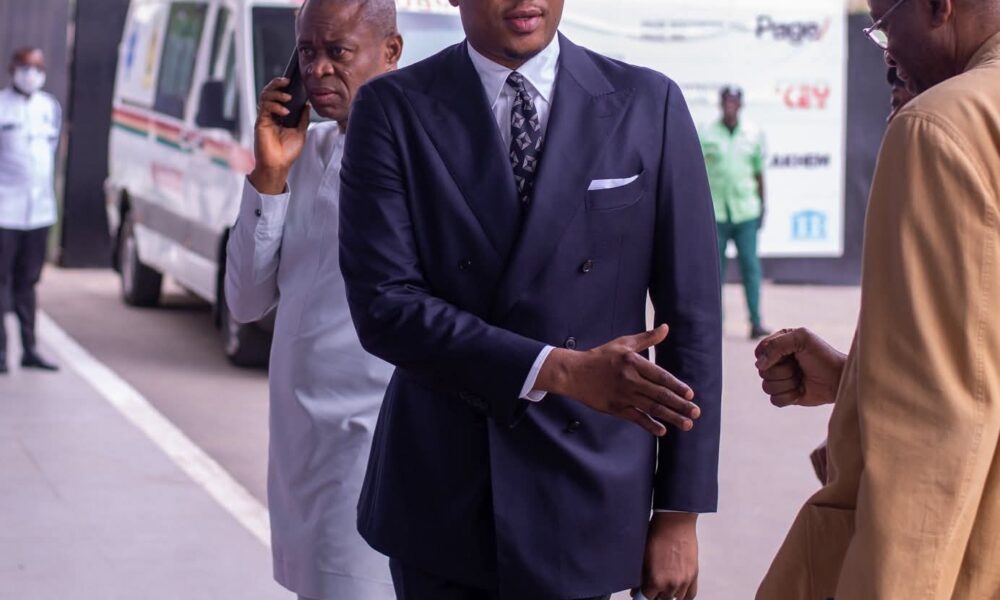
President John Dramani Mahama has appointed creative entrepreneur and politician Baba Sadiq Abdulai Abu as Ghana’s High Commissioner-designate to the Federal Republic of Nigeria.
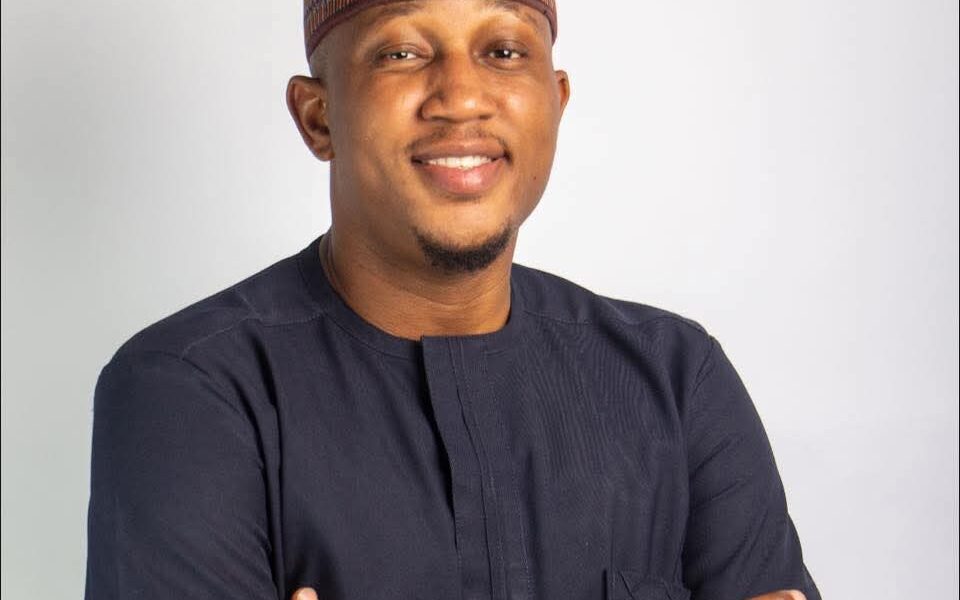
The appointment, announced on Sunday, March 1, 2026, was disclosed by the Ministry of Foreign Affairs and confirmed in a congratulatory message by Foreign Affairs Minister, Honourable Samuel Okudzeto Ablakwa.

Congratulations, Baba Sadiq, on your well-deserved appointment by President Mahama as High Commissioner designate to the Federal Republic of Nigeria. I have no doubt you will hold aloft Ghana’s flag and make the youth of our continent proud,” Ablakwa wrote in a Facebook post.


Baba Sadiq’s appointment follows the recall of Baba Jamal, who stepped down to contest the Ayawaso East by-election after the death of MP Nasser Mahama Toure.

A seasoned media and communications specialist, Baba Sadiq brings over two decades of experience in Africa’s creative and sustainability industries to his new diplomatic role. He was the National Democratic Congress (NDC) parliamentary candidate for Okaikoi Central in the 2024 general election, where he lost to incumbent Patrick Yaw Boamah.


He is best known as the founder and former Chief Executive Officer of 3Music TV, a leading Ghanaian music television brand, and the brain behind the annual 3Music Awards. He also founded 3 Media Networks Limited and the WILDALAND Foundation, an ESG-focused organisation recognised for the WILDALAND festival.

Baba Sadiq served as the founding director of Boomplay in Ghana, where he led the setup of the company’s local office and expanded its reach to nearly 11 million users while securing content partnerships with Ghanaian and African creators.


He previously worked with Modern Times Group (MTG) Africa at Viasat1 Ghana as Head of Programmes and Own Productions/Executive Producer, where his team won 18 awards within a year and a half. He also managed operations for Trace TV in Ghana and played a key role in launching the Airtel Trace Music Star reality show.


Additionally, he co-founded Muse Africa, a lifestyle and entertainment brand, and spearheaded the #MuseParticipate civic engagement campaign in partnership with Oxfam International. His collaborations span major international brands, including Viacom International Networks Africa and MTV Base, and he contributed to projects such as the One8 initiative and Afronation Ghana.


An alumnus of the African University College of Communications, where he studied Integrated Marketing Communications, Baba Sadiq has also deferred postgraduate LLB studies. In 2023, he founded FulLCircL, a Pan-African 360 entertainment agency specialising in live experiences, digital content production, publishing, public relations, and talent management.


As High Commissioner-designate to Nigeria, Baba Sadiq is expected to leverage his extensive network within Africa’s creative and business sectors to strengthen diplomatic, cultural, and economic ties between Ghana and Nigeria.
Continue Reading

General News

COCOA FARMERS, MASSES and INVESTORS and Left Behind in Mahama’s February 2026 SONA

Published

on

Over the past week, President John Dramani Mahama had a constitutional opportunity in his 2026 State of the Nation Address to inspire confidence, reengineer the national conversation and articulate a bold roadmap for Ghana’s economic recovery and growth. Instead, Mahama’s address felt more defensive than visionary. It was the usual speech so heavy on partisan self-congratulation and light on transformative direction.

A State of the Nation Address must rise above political applause lines. It must speak to our national realities like the anxieties of our hardworking cocoa farmers, the difficult calculations of investors, and the quiet frustrations of ordinary citizens on the ever rising electricity cost, among others. On that test, this address fell far short.


No mention of Land Reform and imposing a Maintenance Culture 


Perhaps the most unsettling aspect of the address was the suggestion that reducing cocoa producer prices was necessary to avoid returning to an IMF programme. That argument may satisfy fiscal technocrats, but it does little to comfort the cocoa farmer whose livelihood already hangs in delicate balance.

It is trite, that cocoa farmers operate within a narrow margin of survival; contending with rising input costs, ageing farms, uncertain climate and volatile global prices. Asking our long suffering cocoa farmers to carry a nation’s burden without a clearly defined long-term productivity strategy reflects a troubling imbalance in national priorities. Fiscal discipline cannot become synonymous with shifting the burden onto those least able to bear it. What good then do farmers derive from state control if they must bear the brunt of bad times?

If agriculture is truly the backbone of the economy, then policy must treat farmers as partners in growth, not as shock absorbers for macroeconomic adjustment.


Equally concerning was the promise of increased taxation at a time when Ghana desperately needs more private capital in infrastructure, manufacturing and technology.

Indeed, taxation is not inherently problematic; irresponsibility is, in our case. Raising taxes without a parallel demonstration of expenditure discipline, regulatory certainty and institutional reform risks dampening investor confidence. Capital flows where policy is predictable and governance is credible. Without those assurances, higher taxes may yield short-term revenue but long-term stagnation.

Investment thrives on clarity and hence President Mahama in the last State of the Nation’s Address, missed a golden opportunity to indicate a comprehensive strategy for broadening the tax base through growth, rather than deepening it through pressure.


More disappointing still, was the absence of a serious assault on the structural weaknesses that continue to undermine Ghana’s democratic and economic architecture.

Indiscipline and corruption within public institutions, cronyism in appointments, selective enforcement of laws, and an uneven application of justice erode public trust. Investors do not merely examine tax rates; they assess the strength of institutions and the predictability of the rule of law. Citizens do not merely listen to government PR spewing out growth statistics; they evaluate fairness. Hence credible reform agenda must confront these issues directly. Silence, however polished, does not amount to reform.


On illegal mining; commonly known as galamsey, the pledges sounded familiar and hollow. Ghana has heard successive administrations promise decisive crackdowns while rivers turn poisonous and farmlands disappear.

This crisis we behold demands more than rhetoric. It requires institutional insulation from political interference, transparent enforcement mechanisms, technological surveillance, and the political courage to confront financiers and enablers at the highest levels.

Without a concrete framework, repeated assurances risk reinforcing public scepticism rather than restoring confidence.


A State of the Nation Address should be distinct from a campaign rally. It is a constitutional moment; a platform to level with citizens about challenges and to articulate a bold, measurable path forward. Ghana needs leadership that is compassionate toward farmers through disciplined fiscal management that is attractive to investors, resolute against environmental destruction, and uncompromising in strengthening institutions.


It is unfortunate President Mahama’s 2026 address did not rise to that standard. And in moments of economic and environmental fragility, presentational leadership is not enough.

Ghanaians deserve more than mere words. We need to see a credible roadmap anchored in reform, fairness and forward thinking.


Ing Kwabena Agyei Agyepong,

1st March 2026.

6 Anang Loop, East Legon, Accra

Continue Reading

General News

Mahama to Open 2026 Judicial Year of African Court in Arusha

Published

on

President John Dramani Mahama will depart Accra on Sunday, March 1, 2026, for Arusha, Tanzania, where he is scheduled to serve as Special Guest of Honour at the official opening of the 2026 judicial year of the African Court on Human and Peoples’ Rights.

The solemn ceremony, set for Monday, will also mark the launch of activities commemorating the 20th anniversary of the Court.

This invitation makes President Mahama the first sitting President of the Republic of Ghana to address the African Union Court. The event will be held under the theme: “20 Years of Service in Protecting Human and Peoples’ Rights in Africa.”

While in Arusha, President Mahama is expected to hold bilateral talks with the President of Tanzania, Her Excellency Samia Suluhu Hassan, as part of efforts to strengthen diplomatic and continental cooperation.

President Mahama will return to Ghana after the opening programme on Monday. In his absence, the Vice President will act as President in accordance with Article 60(8) of the 1992 Constitution.

The announcement was made by Felix Kwakye Ofosu (MP), Spokesperson to the President and Minister for Government Communications.

Continue Reading

Trending

Copyright © 2026 KPDOnline. Powered by AfricaBusinessFile