
General News
Africa Must Measure Wealth by Its People, Not Resources — President Mahama

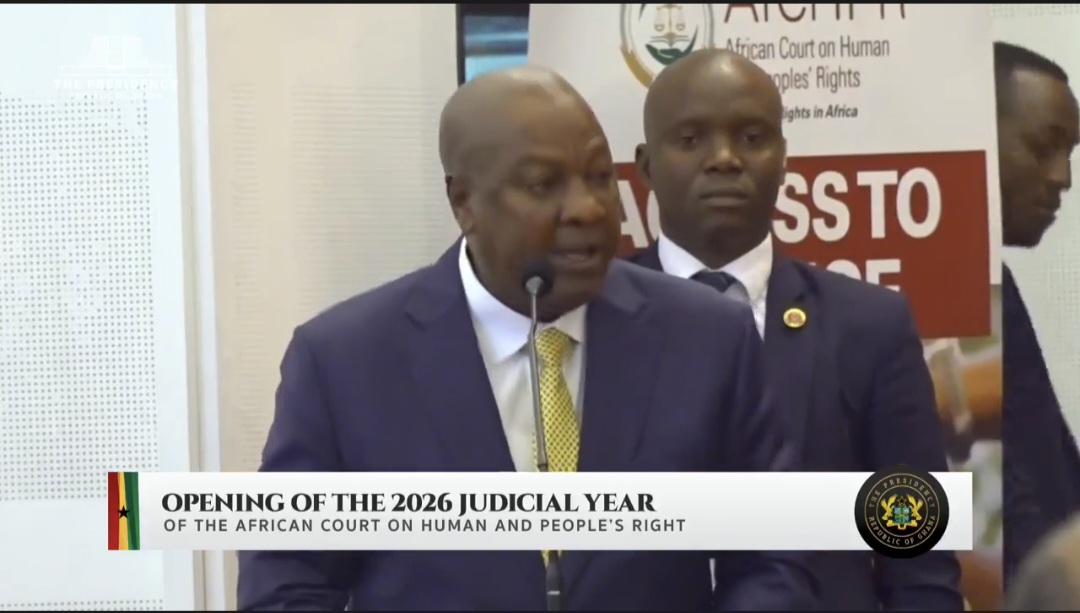
President John Dramani Mahama has called on African leaders to redefine the continent’s understanding of wealth, urging nations to prioritise human capital over natural resources as the true measure of prosperity and sovereignty.
Speaking at the official opening of the 2026 Judicial Year and the 20th Anniversary of the African Court on Human and Peoples’ Rights in Arusha, Tanzania, President Mahama stressed that Africa’s greatest inheritance is not its vast mineral deposits but its people.
“Africa has been blessed with many of the world’s natural resources, including gold, silver, diamonds, copper, cobalt, uranium, oil, lithium and more,” he said. “At times, it becomes easy to overlook that our most significant inheritance is our people and their cultural legacies.”
The Ghanaian leader urged African nations to imagine a continent where citizens are free from oppression, conflict, persecution and violence, and assured of their fundamental rights.
“Imagine if Africa measured its wealth not by natural resources, but by its people — valued individuals, free from oppression, conflict, persecution and violence, and assured of their rights to life, dignity, liberty and self-determination. What would that look like?” he asked.
A Demographic Advantage
President Mahama highlighted Africa’s growing population as a powerful asset that must be protected and empowered through strong institutions, particularly independent judicial systems.
By 2050, he noted, Africa’s population will reach 2.5 billion, representing more than a quarter of the world’s population. By the end of the century, nearly 40 per cent of the global population will be African.
“Already, the median age on the African continent is 19,” he said. “Can we imagine the power that we hold in our hands?”
He cautioned that this demographic advantage would only translate into prosperity if African states safeguard human rights, strengthen governance, and create opportunities that prevent brain drain and instability.
Linking Human Rights to Development
President Mahama tied the continent’s economic transformation to the protection of human rights, arguing that development cannot be sustained without justice, dignity and the rule of law.
“For far too long, we have compared ourselves to the West and used what we believed were their standards as benchmarks,” he said, quoting Tanzania’s founding President Julius Nyerere: “One does not judge one’s state of health by comparing it to a sick person.”
He stressed that Africa must develop its own paradigm for democracy and governance while preserving its dignity and cultural identity.
The President also called on African Union member states that have not yet ratified the Protocol establishing the African Court on Human and Peoples’ Rights to do so without delay, assuring leaders that they “have nothing to fear from this Court.”
“I humbly ask all African nations and individuals to respect and implement the Court’s judgements in good faith,” he added.
Looking Ahead
As the African Court marks 20 years of operation, President Mahama described the institution as critical to protecting the rights and dignity of African citizens beyond national borders.
“Now is the time for Africa to step into its greatness,” he declared.
The ceremony in Arusha brought together Heads of State and Government, Chief Justices, members of the diplomatic corps, civil society representatives and legal practitioners from across the continent to commemorate the Court’s milestone anniversary and officially open its 2026 Judicial Year.
General News
Mahama to host Gabon’s President Brice Oligui Nguema for three-day official visit to Ghana

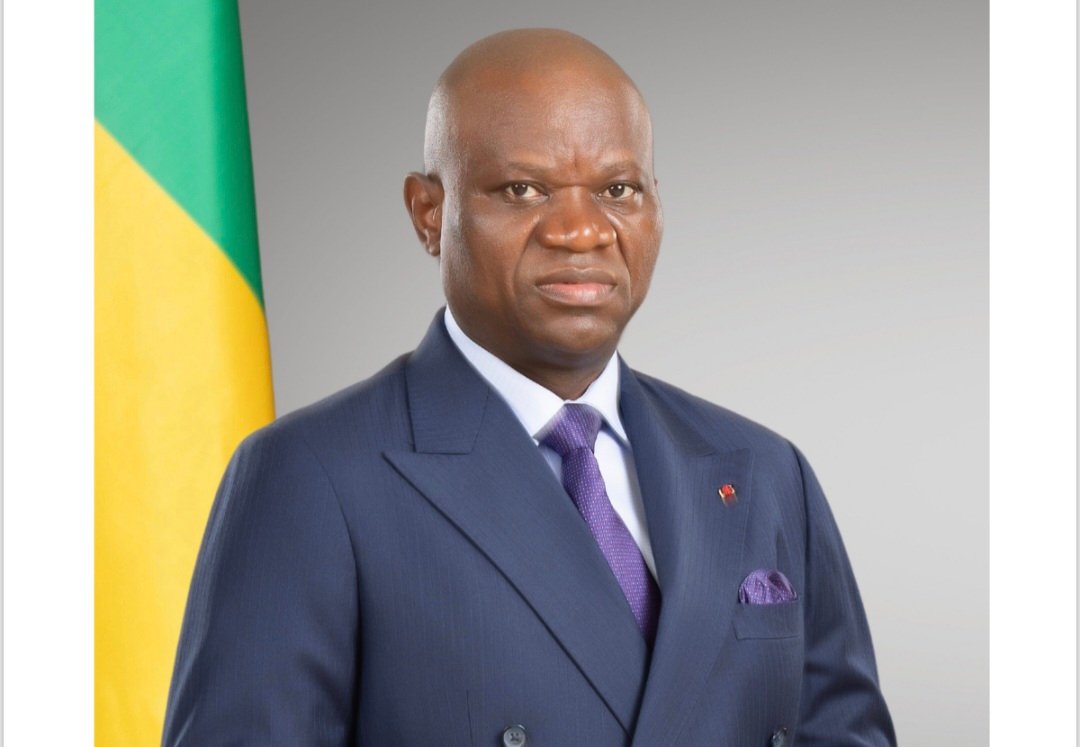
President John Dramani Mahama will host the President of the Gabonese Republic, His Excellency Brice Clotaire Oligui Nguema, for a three-day official visit to Ghana from 28th to 30th July 2026, following an invitation extended by the Ghanaian leader.
According to a statement issued by the Presidency and signed by the Spokesperson to the President and Minister for Government Communications, Felix Kwakye Ofosu, the Gabonese President will be accompanied by a high-level delegation made up of government ministers, senior officials and members of the Gabonese business community.
The visit is expected to further strengthen the long-standing bilateral relations between Ghana and Gabon and deepen cooperation in areas of mutual interest.
On 28th July, Presidents Mahama and Oligui Nguema will hold a private tête-à-tête before leading official bilateral talks at the Jubilee House in Accra.
The discussions will review the current state of relations between the two countries and explore new opportunities for collaboration across a broad range of sectors, including political and diplomatic consultations, trade and investment, mining, energy, agriculture, forestry, fisheries, maritime affairs, transport, tourism, education, health, defence and security, environmental protection, climate action and people-to-people exchanges.
The two leaders are also expected to reaffirm their shared commitment to expanding bilateral cooperation and advancing sustainable economic development for the mutual benefit of the people of Ghana and Gabon.

The Ghana Medical Trust Fund (GMTF) has announced a major partnership with KGL Group and the KGL Foundation to construct a state-of-the-art diagnostic centre at the Greater Accra Regional Hospital (Ridge), aimed at improving access to advanced healthcare services in Ghana.
The initiative follows GMTF’s appeal to Corporate Ghana on February 5, 2026, to support efforts to equip Ridge Hospital with modern diagnostic equipment. Responding to the call, KGL Group and the KGL Foundation pledged not only to provide the equipment but also to fund the construction of a new diagnostic centre that will house all essential imaging services under one roof.
The new facility will be fitted with advanced medical equipment, including an MRI machine, CT scan, Mammography unit, X-ray machine, and Fluoroscopy machine. The investment is expected to significantly strengthen the hospital’s diagnostic capabilities and improve the management of complex medical conditions.
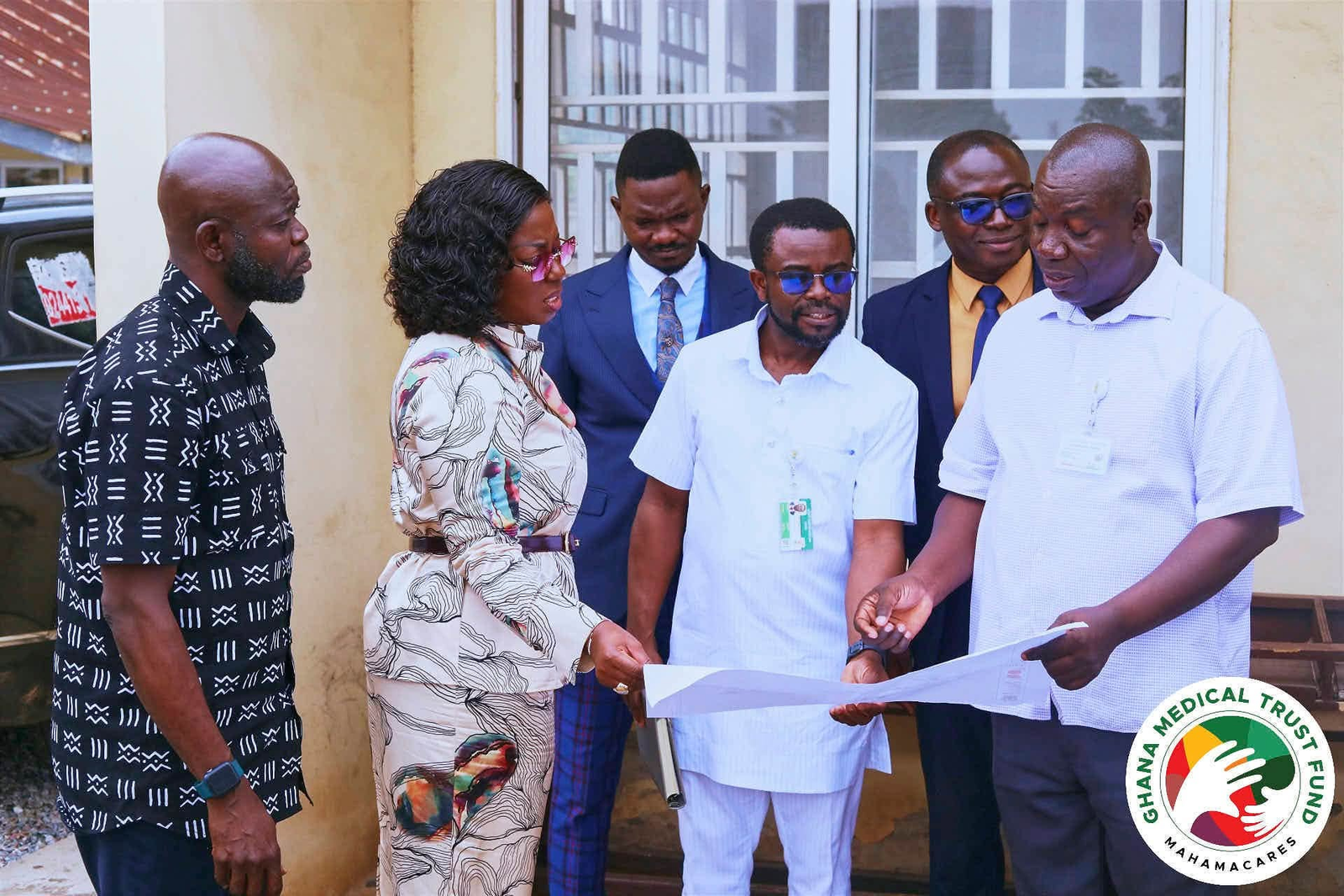
The project officially entered its implementation phase following a site inspection at Ridge Hospital led by Ghana Medical Trust Fund Administrator, Adjoa Obuobia Darko-Opoku, and KGL Group Chief Executive Officer, Alex Apau Dadey, together with their respective teams.
According to GMTF, the new diagnostic centre will enhance the hospital’s ability to provide faster and more accurate diagnoses while expanding access to specialist diagnostic services for thousands of patients across the country.
The Ghana Medical Trust Fund expressed appreciation to KGL Group for its commitment, describing the partnership as a shining example of how collaboration between Corporate Ghana and government can transform healthcare delivery and improve the lives of Ghanaians.
The Fund noted that the project reflects the vision of strengthening Ghana’s healthcare infrastructure through strategic public-private partnerships, adding that the initiative aligns with the broader goals of the Mahama Cares programme.
General News
Offence Can Make You Lose Your Inheritance – Dr. Lawrence Tetteh Urges Ghanaians to Live Above Bitterness

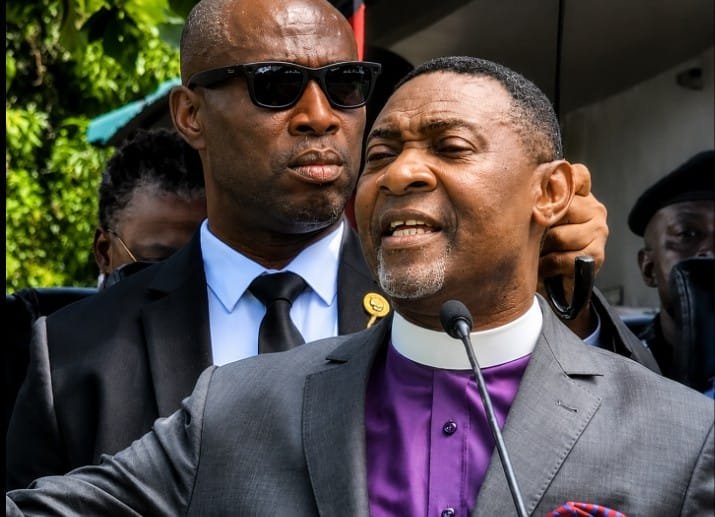
Renowned evangelist Dr. Lawrence Tetteh has called on Ghanaians to avoid living in offence and bitterness, warning that harboring grudges can rob people of their purpose, relationships and even their destiny.
Delivering a speech during the wreath-laying ceremony and 14th commemoration of the late President John Evans Atta Mills, Dr. Tetteh stressed that “offence can make you lose your inheritance.”
According to him, offence is one of the enemy’s greatest traps because people will always criticize others regardless of what they do. He advised that becoming easily offended could cause people to lose valuable relationships, respect and loyal supporters.
Dr. Tetteh noted that offence breeds division, disloyalty and unnecessary conflicts, adding that those who have benefited from someone’s kindness can eventually turn against them when offence takes root.
Drawing lessons from the Bible, he cited John the Baptist, saying offence and disappointment can affect a person’s outlook even in difficult moments. He also referenced Moses, who, despite leading the Israelites out of Egypt, did not enter the Promised Land, urging people not to allow offence to derail their God-given assignment.
He further warned leaders not to let criticism from followers distract them from their mandate, emphasizing that reacting to every provocation only weakens one’s focus.
“If you want to stand like H.E. Atta Mills, live an offence-free life,” Dr. Tetteh said, encouraging Ghanaians to use their positions to build friendships rather than create enemies.
The annual wreath-laying ceremony was held to honour the memory and leadership legacy of the late President John Evans Atta Mills, who passed away in office 14 years ago.
By Maurice Otoo

Mahama to host Gabon’s President Brice Oligui Nguema for three-day official visit to Ghana

‘She Was My Helper’ — Obaapa Christy Mourns Vivian Jill’s Late Sister Mabel Intuah

“I’m a better songwriter than AI”:Ras Kuuku



-
 Entertainment2 weeks ago
Derrick Manny Calls for Better Support for Ghanaian Creatives Following Dede Padiki’s Death
-
 Entertainment1 week ago
“Stay Broke If You Want Peace” – Sarkodie Sparks Online Debate With Powerful Success Message
-
 General News2 weeks ago
EOCO Arrests Dennis Aboagye, Gerald Appiah Over GH¢55m IMCCoD Probe
-
 General News2 weeks ago
Okatakyie Afrifa Mensah’s Team Alleges Assault, Gunshot Injuries After Arrest
-
Entertainment1 week ago
Dede Padiki Felt Neglected by Ghana’s Creative Sector Before Her Death – Derrick Manny
-
 Entertainment2 weeks ago
Mercy Asiedu donates GH¢50,000 to support Kwadwo Kwakye Obuobi’s kidney transplant
-

 Business2 weeks ago
Investor Confidence Soars as Treasury Bill Bids Hit GH¢10.03 Billion
-
 Entertainment3 days ago
DJ K.A Apologises Over Viral Video, Says It Was Recorded Four Years Ago