
Business
Mahama Upholds Competence Over Politics in Ghana’s “Big Push” Road Programme

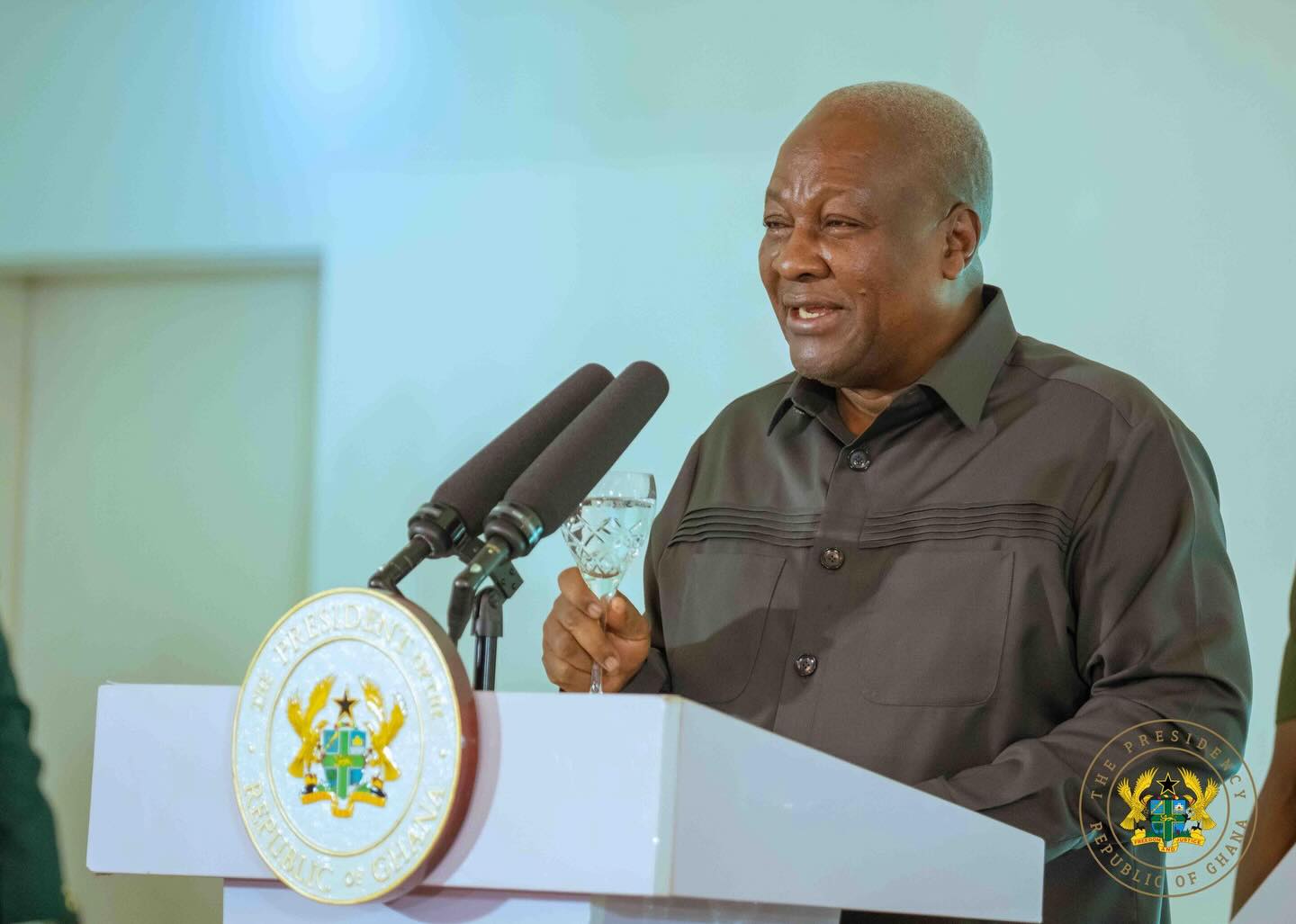
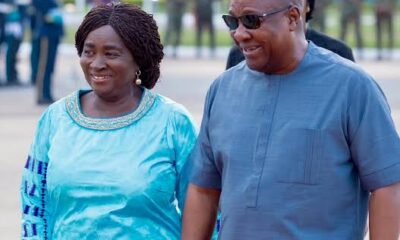
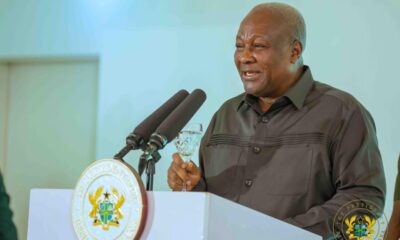
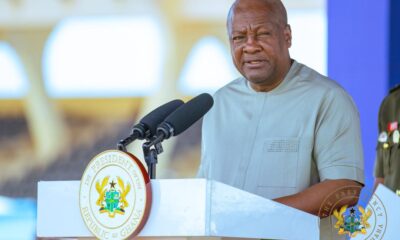
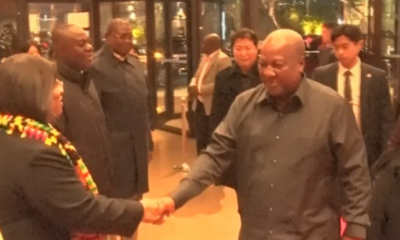
Kwahu, April 4, 2026 – President John Dramani Mahama has affirmed that political affiliation will not influence contract awards under his government’s flagship road rehabilitation initiative, the “Big Push.”
Speaking at the Kwahu Easter Business Forum at the Kwahu Convention Centre, the President said he resisted pressure from within his own National Democratic Congress (NDC) support base to exclude contractors perceived to be aligned with the opposition New Patriotic Party (NPP).
“Don’t they have the capacity to do the job?” President Mahama asked, emphasizing that technical and financial competence—not political loyalty—remains the overriding criterion for project awards.
He added: “They have the equipment. They employ Ghanaians. Anybody who has the capacity to move the project should be given it. For me, it is not about who does the project. The credit is that at the end of my term of office, I was able to repair all those roads.”
The President described the Big Push initiative as a major national road rehabilitation programme expected to cover more than 2,000 kilometres of roads across Ghana. He warned that the politicisation of business has historically hampered private sector growth, particularly during government transitions.
“Many companies start and because Ghana is a democratic country, potentially every eight years there is a changeover in government. Often, if a business is seen to be associated with one party or another, victimisation begins,” he said.
President Mahama also advised entrepreneurs against building businesses solely around government contracts, noting that such models leave firms vulnerable to political shifts.
The issue of political neutrality in business was echoed by Minority Leader Alexander Afenyo-Markin, through remarks delivered by MP Jerry Ahmed Shaib, who warned that politicising local enterprises undermines competitiveness, stifles innovation, and benefits foreign firms at the expense of indigenous businesses.
Now in its third edition, the Kwahu Easter Business Forum was established by President Mahama and Chief of Staff Julius Debrah to foster dialogue on private sector growth and investment, bringing together entrepreneurs, bankers, heads of state-owned enterprises, and senior officials to strategize on expanding Ghana’s business landscape.










By KPD News Online Business Desk | October 8, 2026
Gold prices recovered on Thursday after touching a two-month low, as a pullback in the U.S. dollar provided some support to the precious metal.
Spot gold rose about 0.5% to $4,132.66 per ounce by 0140 GMT, while U.S. gold futures for December delivery gained 0.4% to $4,157.60. The rebound followed Wednesday’s decline, when bullion fell to its lowest level since August 5.
The recovery came as the dollar eased from an 18-month peak. Because gold is priced in dollars, a weaker greenback can make the metal less expensive for buyers using other currencies, potentially supporting demand.
Dollar and interest rates remain key
Despite Thursday’s recovery, analysts say the outlook for gold remains uncertain. Higher U.S. Treasury yields and expectations that the Federal Reserve could raise interest rates again have continued to weigh on bullion.
Higher interest rates can reduce the appeal of gold because the metal does not generate interest income.
Market pricing currently points to a relatively low probability of a U.S. rate increase in October, while expectations for a December hike remain considerably higher.
Chris Weston, head of research at Pepperstone, said gold would need to break above $4,275 an ounce for the short-term outlook to become more constructive.
The World Gold Council has also highlighted the influence of rising U.S. yields and the stronger dollar on gold’s recent weakness. At the same time, global gold exchange-traded funds recorded significant inflows in September despite the fall in prices, pointing to continued investor interest in the metal.
Precious metals also move higher
Other precious metals also recorded gains. Silver was around $60.18 an ounce, while platinum climbed about 2.1% to $1,665 and palladium gained roughly 1.6% to $1,142.86.
For gold traders, attention now remains firmly on the U.S. dollar, Treasury yields and signals from the Federal Reserve as investors assess whether Thursday’s rebound marks the beginning of a broader recovery or simply a temporary pause in the recent decline.
Business
Ghana Among Four African Countries Facing Heavy Financing Needs and Debt-Service Pressure – World Bank

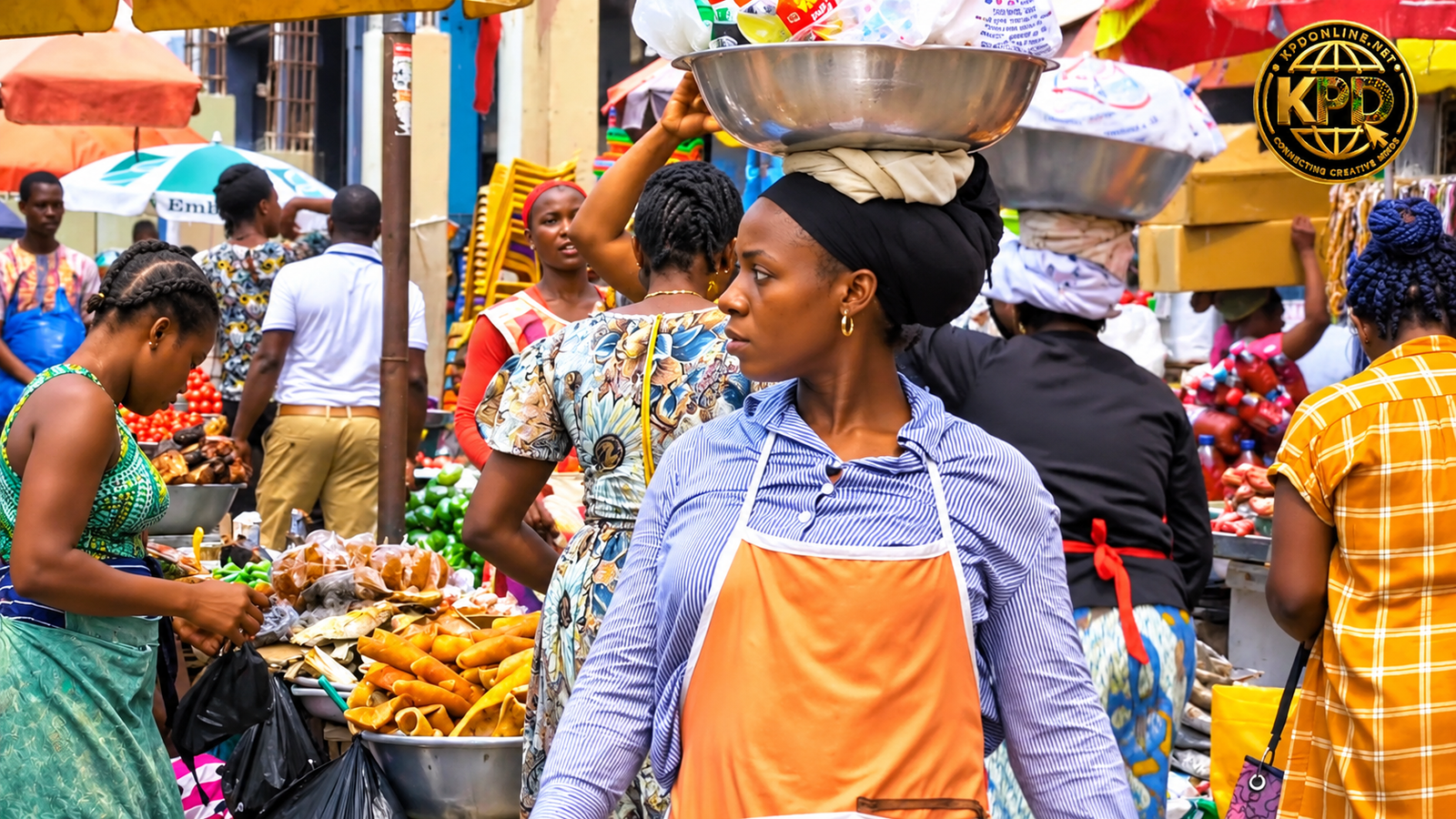
Accra, Ghana | October 8, 2026 — Ghana is among four African countries facing significant financing requirements and elevated debt-servicing costs that could constrain government spending on development and social programmes, according to the World Bank’s October 2026 Africa Economic Update.

The other countries identified are Kenya, Malawi and Zambia.
The World Bank cautioned that large financing needs and rising debt-service obligations could leave governments with less fiscal space for public investment, infrastructure and social spending. Across the region, weaker-than-expected domestic revenue mobilisation could also force governments to undertake additional fiscal adjustments.

Revenue mobilisation remains a concern
For Ghana, the warning comes as the country continues efforts to strengthen its fiscal position following years of debt and economic pressures.
The World Bank noted that fiscal consolidation across Sub-Saharan Africa could weigh on economic growth if governments respond by cutting infrastructure expenditure or delaying critical development projects.
Ghana recorded a cash-based fiscal deficit of 0.6% of GDP as of July 2026, although the World Bank said risks to the fiscal outlook could cause the deficit to rise substantially.

Inflation and exchange-rate risks
The World Bank also warned that inflation remains vulnerable to exchange-rate depreciation, food-price shocks and fiscal slippages, particularly in countries with high debt levels and limited policy buffers.

Persistent inflation could make it more difficult for central banks to continue easing monetary policy. Higher interest rates, in turn, could affect credit expansion, private-sector investment and consumer demand.
The institution stressed the importance of central-bank independence and cautioned against using monetary financing to cover government fiscal deficits as countries seek to maintain price stability.

Reform pressure could intensify
The report also highlighted the political difficulties associated with economic reforms across Africa.
Several governments have introduced measures such as fuel-subsidy reforms, exchange-rate liberalisation, fiscal consolidation and efforts to increase domestic revenue.
However, maintaining those reforms could become more challenging as elections approach and households continue to deal with high living costs.

The World Bank warned that if reforms fail to produce visible improvements in people’s economic conditions, public support for difficult policy measures could weaken, potentially slowing further reforms.
For Ghana, the latest warning underscores the need to balance debt management and fiscal consolidation with continued investment in infrastructure and essential public services.
The broader World Bank assessment is that high debt-service burdens can divert government resources away from infrastructure, health, education and social protection, limiting the ability of governments to support long-term growth.
By KPD News Online | October 8, 2026
Ghana is facing another major debt-service challenge, with about US$6.4 billion in Eurobond repayments and interest obligations expected between 2027 and 2030, according to figures highlighted in the World Bank’s latest Africa Economic Update.
The projected obligations come after Ghana completed a major restructuring of its Eurobond debt in October 2024, raising fresh questions about how the country will manage upcoming maturities while maintaining fiscal stability.
The World Bank places Ghana among the African countries with the largest Eurobond repayment exposures during the period. South Africa leads with US$11.8 billion, while Ghana and Nigeria are each reported at US$6.4 billion, followed by Angola with US$3.9 billion.
Refinancing could become critical
The repayment schedule presents a significant financing challenge because governments do not necessarily settle maturing Eurobonds entirely from their annual budgets. The World Bank says refinancing has increasingly become the main approach used by African governments when Eurobonds mature.
That means Ghana could need to return to international capital markets to raise funds for some of its upcoming obligations, depending on market conditions and its fiscal position.
The wider regional picture is also demanding. The World Bank estimates that sovereign Eurobond principal maturing across 13 sub-Saharan African countries between 2024 and 2030 is about US$43.6 billion, after accounting for completed buybacks and liability-management operations.
Debt restructuring provides some breathing room
Ghana’s Eurobond restructuring, completed in October 2024, resulted in new instruments with maturities extending into 2029, 2030, 2035 and 2037, depending on the bond received by investors. The IMF says the restructuring involved a nominal haircut for most bondholders, while debt-service payments on the new instruments resumed after the exchange.
However, the restructuring did not eliminate Ghana’s future debt obligations. Instead, it changed the repayment profile and provided the country with additional time to rebuild its finances.
Pressure extends beyond Ghana
The World Bank’s assessment points to a broader refinancing challenge across Africa. The largest concentrations of Eurobond maturities in the region are expected in 2027 and 2029, with approximately US$6.6 billion and US$7.5 billion respectively due across the region.
The Bank has also warned that newer Eurobonds are increasingly being issued with shorter maturities, meaning governments could face refinancing pressures sooner than in the past.
For Ghana, the challenge will therefore be to maintain economic growth, strengthen government revenues and preserve investor confidence while preparing for substantial foreign-currency debt obligations.
The World Bank currently projects Ghana’s economy to grow by 4.8% in 2026, followed by 4.9% in 2027 and 5.0% in 2028.
The US$6.4 billion figure therefore represents an important test for Ghana’s post-restructuring economic strategy: whether stronger growth and improved fiscal management can generate enough financial space to meet future obligations without triggering another cycle of debt distress.
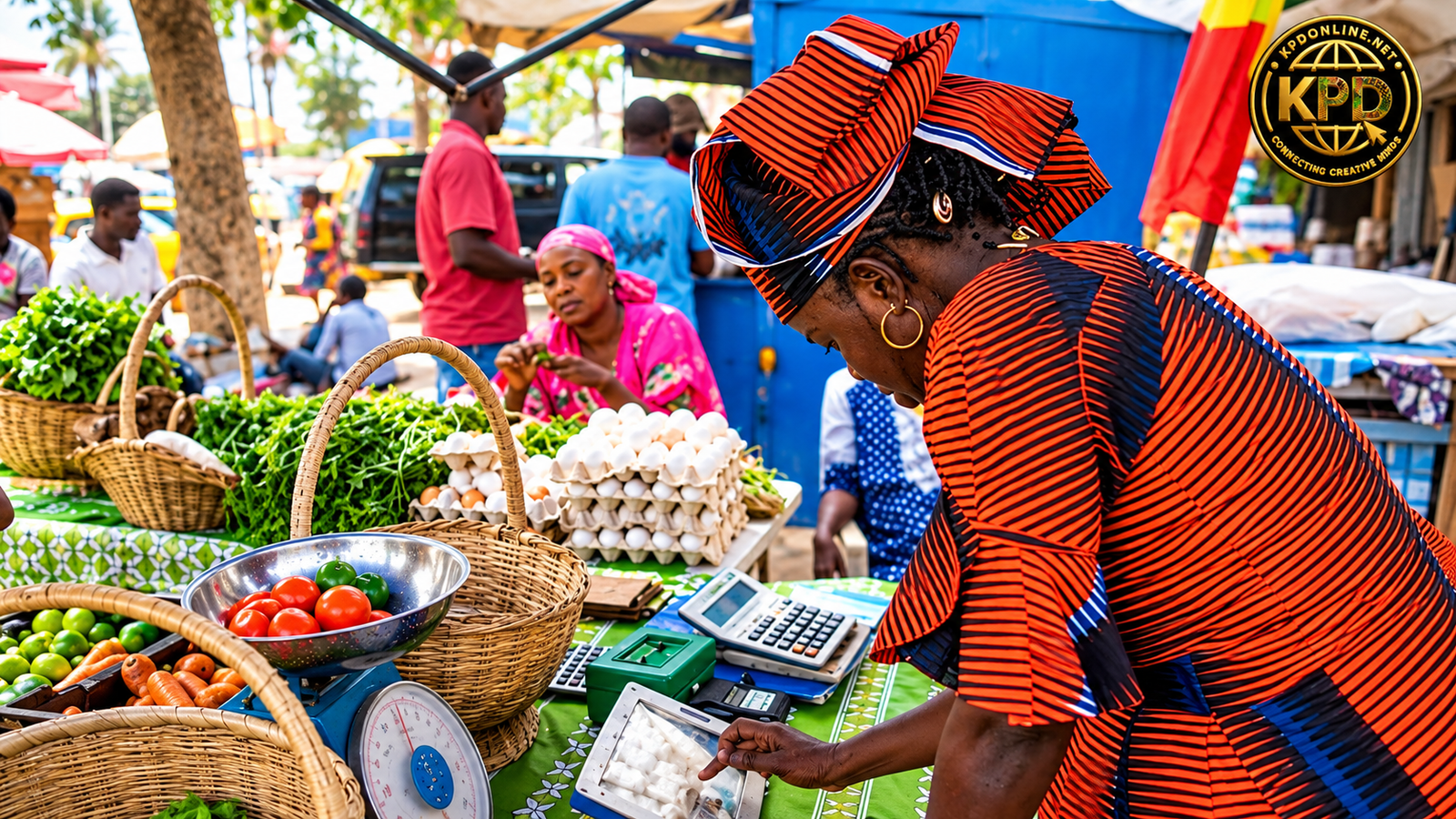
Ghana’s push toward a cash-lite economy is making significant progress, but the country’s digital finance transformation remains incomplete, with a substantial amount of digitally transferred value eventually being withdrawn and used as physical cash.

Bank of Ghana Governor Dr. Johnson Asiama raised the concern on October 7, 2026, during the launch of digital payment platform Sao Pay at the Labadi Beach Hotel in Accra. He said cash remains the default payment method at many merchant points, despite the rapid expansion of digital financial services.

The Governor argued that the success of Ghana’s digital-finance agenda should not be measured simply by the number of mobile-money accounts or electronic transactions. The bigger challenge, he said, is ensuring that digital value remains within the digital payment ecosystem instead of being converted into physical currency before goods and services are purchased.

Mobile money growth is substantial
Ghana’s mobile-money ecosystem has expanded considerably. According to figures cited by Dr. Asiama, there were approximately 85.8 million registered mobile-money accounts in August 2026, with customer balances approaching GH¢40 billion.

However, the Governor highlighted an important distinction between registration and active usage. Only about 26.4 million accounts had been used during the preceding 90 days, meaning fewer than one in three registered accounts were recently active.

This suggests that headline figures on digital-finance adoption do not necessarily tell the whole story. A large number of registered accounts can coexist with relatively limited active use.

The merchant remains a critical part of the equation
For Ghana to move closer to a genuinely cash-lite economy, digital payments must become more practical and widely accepted at the point where consumers actually spend money.

The Governor said that too much digital value still ends its journey as cash and that changing this pattern is now a responsibility for payment issuers across the market.
The Bank of Ghana has previously identified improving non-cash payment streams and strengthening digital finance as important components of its payment-system strategy.

Regulation and consumer confidence also matter
Dr. Asiama also pointed to regulatory compliance as an important issue within Ghana’s digital-payments sector.
For dedicated electronic-money issuers, he stressed the importance of reconciliation between the electronic-money platform, the banking system and the funds backing customers’ digital balances. The objective is to ensure that the value customers see electronically is properly supported by corresponding funds under the regulatory framework.

The warning comes amid wider efforts to strengthen confidence in digital financial services. Earlier in 2026, the Bank of Ghana cautioned that digital fraud could undermine the country’s cash-lite ambitions by causing consumers to return to physical cash.
What Ghana must solve
The latest comments from the central bank highlight a central question for Ghana’s digital-finance future: Can the country move beyond digital transfers and make digital payments the preferred way of completing everyday purchases?

The challenge is therefore no longer simply getting Ghanaians to open mobile-money or digital-finance accounts. It is creating an ecosystem in which consumers, traders and businesses can confidently receive, hold and spend digital money without repeatedly converting it into cash.
For Ghana’s cash-lite ambition to become a reality, digital payment acceptance, reliability, security, consumer trust and regulatory compliance will all have to develop alongside the growth in digital accounts.
Business
Cedi Stability Expected to Continue as Government Links Currency Performance to Housing Affordability
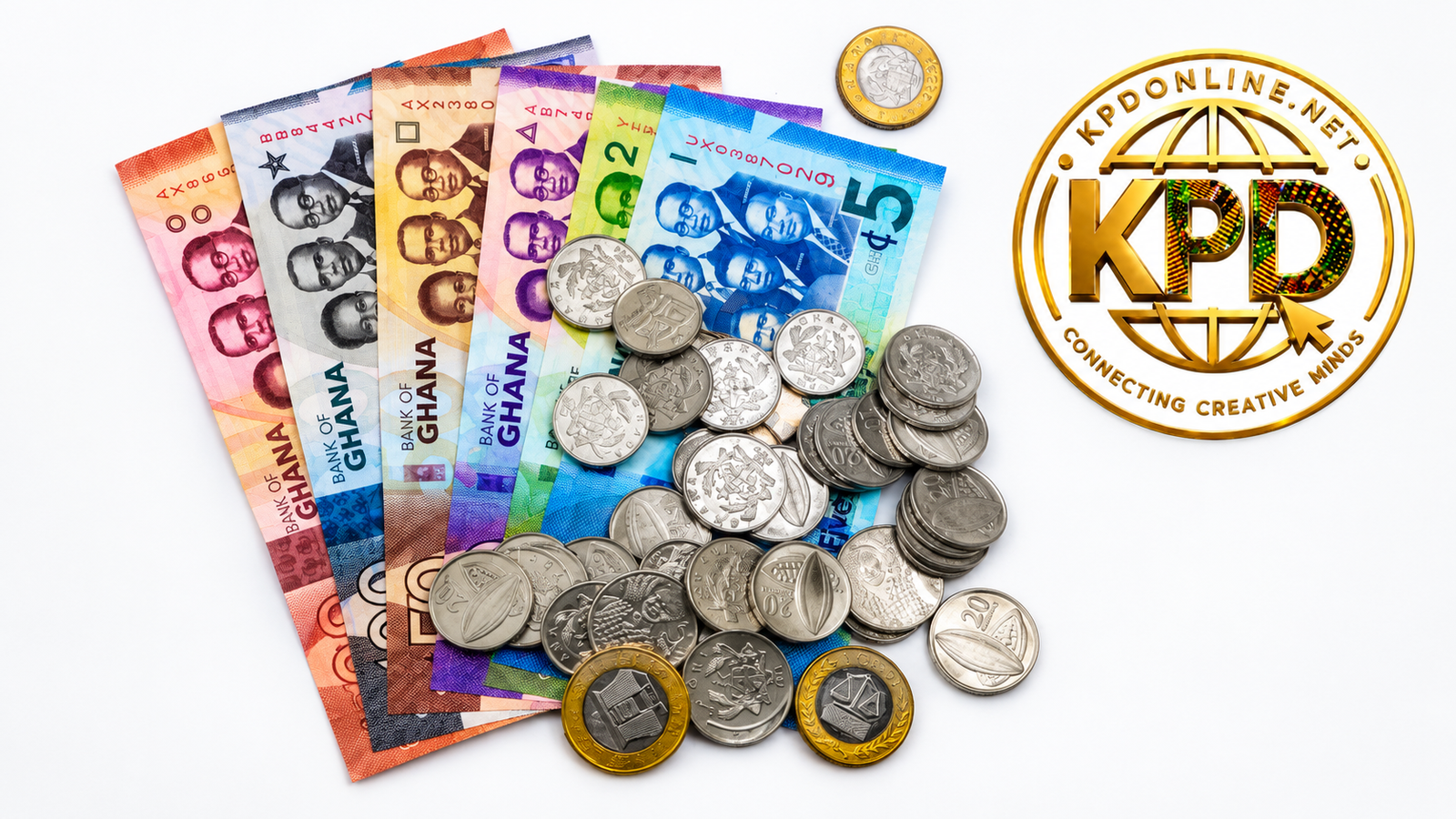
Accra, Ghana — October 8, 2026
Ghana’s Deputy Minister for Finance, Thomas Nyarko Ampem, says the Ghanaian cedi is expected to remain stable, arguing that a predictable exchange rate is important for households and businesses planning their finances.
Ampem made the remarks at the National Conference on Housing and Finance, where he linked currency stability to the ability of families to manage housing-related expenses without having to constantly anticipate major exchange-rate movements.
According to the latest Bank of Ghana interbank data, the US dollar traded at a weighted median rate of GH¢11.83 on October 7, 2026, with a buying rate of GH¢11.8241 and selling rate of GH¢11.8359.

“Ghana Cedi Holds Firm Against the US Dollar”
Stability and household planning
Ampem said exchange-rate predictability is particularly significant for households whose earnings are denominated in cedis. Large currency swings can increase the cost of imported construction materials and other goods while making long-term financial planning more difficult.
He argued that families should be able to make decisions about housing without having to continually forecast movements in the foreign-exchange market.
The Deputy Minister also said the government’s housing strategy would go beyond simply expanding access to finance. He identified clear land ownership, realistic construction costs, reliable demand, infrastructure and predictable approval processes as important elements in reducing the risks associated with housing development.

“Ghana’s Foreign Exchange Market Under Watch”
Bank of Ghana sees continued currency resilience
The government’s optimism comes against a backdrop of improving macroeconomic conditions.
In its September 2026 monetary policy assessment, the Bank of Ghana said the cedi was expected to remain stable. The central bank also reported that Ghana’s economy expanded by 6.0% in the second quarter of 2026, while the country’s trade position remained strong.
The Bank of Ghana reported gross international reserves of approximately US$12 billion as of September 22, equivalent to about 4.5 months of import cover. It also noted that Ghana recorded a trade surplus of US$8.9 billion by August 2026, supported by strong export performance.
However, the central bank has also highlighted risks that could put pressure on the currency. These include higher energy prices, geopolitical tensions, supply-chain disruptions and increased external payment obligations.

“Bank of Ghana Monitors Exchange Rate Stability”
Inflation remains a factor
Ghana’s inflation picture also remains important to the outlook for the cedi. Bank of Ghana data showed headline inflation at 5.0% in August 2026, with non-food inflation higher than food inflation. The central bank maintained its policy rate at 14% at its September meeting.
For the government, maintaining currency stability will therefore require continued fiscal discipline, stronger production and exports, investment and adequate foreign-exchange buffers.
Ampem previously said Ghana had moved from stabilising the immediate economic situation to building a more productive and resilient economy, with government and the private sector expected to play complementary roles.
For households and businesses, the durability of the cedi’s recent stability will remain closely watched, particularly as exchange-rate movements affect imported goods, construction costs, investment decisions and the broader cost of living.

“Mahama Is the Best in Africa” – Nollywood Actor Harry B Anyanwu Praises Ghana President

We Have an Identity Problem – Bisa Kdei Warns Highlife Is Losing Its Identity to Afrobeats

Fetu Afahye: The History, Traditions and Cultural Meaning of Cape Coast’s Famous Festival



-

 General News1 week ago
Fidelity Bank Chairman Named Ghana’s Topmost Transformational Board Chair 2026
-

 Technology2 weeks ago
Rolls-Royce Expands Aviation Business with Major Philippine Airlines Engine Agreement
-

 Entertainment2 weeks ago
Ras Caleb assesses institutions under the Tourism Ministry, highlighting key roles.
-

 Entertainment2 weeks ago
Ras Caleb Appiah-Levi: The musician, Pan-Africanist and organiser whose career spans four decades
-

 Entertainment1 week ago
Ras Caleb Appiah-Levi Reflects on Death, Wealth and Equality: “Death Neither Knows Rich Nor Poor”
-
 Politics6 days ago
Asiedu Nketiah to Chair Launch of Six NDC Historiographies on Ghana’s Political Journey
-
 Business2 weeks ago
Rev. Dr. Christian Kwetey Kweitsu Honoured for Excellence in Audiology Practice in Kigali
-
 General News2 weeks ago
Sudan Chemical Weapons Allegations: UN Signals Readiness for Possible Investigation