
Health
Free dialysis programme ongoing in selected facilities – Dr Anthony Nsiah-Asare

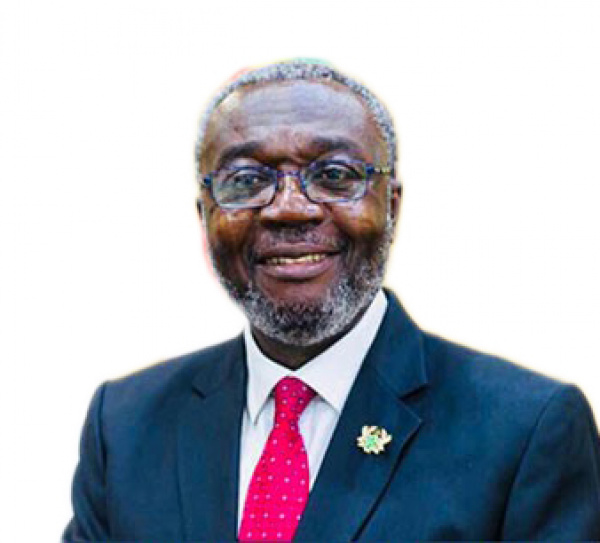
Former Presidential Advisor on Health, Dr. Anthony Nsiah-Asare, has affirmed that Ghana’s free dialysis programme is currently operational across selected health facilities.
His statement comes in response to criticisms from Health Minister Kwabena Mintah Akandoh, who condemned the previous administration for allocating only GH¢4 million to the programme, calling it grossly insufficient to meet the needs of dialysis patients nationwide.
Akandoh, who previously served as the Ranking Member on the Health Committee of Parliament, raised concerns over Ghana’s lack of a sustainable funding mechanism for dialysis treatment. He argued that GH¢4 million was inadequate, given the high cost of dialysis sessions, medical consumables, and overall patient care.
However, speaking on Point Blank on Eyewitness News on March 13, 2025, Dr. Nsiah-Asare dismissed claims that the programme was struggling due to funding constraints.
“We all saw in dailies that 20 facilities were published by the National Health Insurance Authority for this free dialysis in December 2024 after assessment for patients had been done.
“These services, as I know, are currently ongoing smoothly in the various selected facilities and have been confirmed severally by the president of the dialysis association, Major Ahenkra. You can call him to confirm, you can also call some of the dialysis patients to confirm if they are not receiving free dialysis.
“You can also call some of the institutions if they are not being reimbursed through the National Health Insurance.
“This is because it is part of the policy package for this year. As you are aware, the health insurance brought in 45 dialysis machines within a three-partner collaboration, which were used to support the free dialysis programme.
“So, I can say free dialysis is ongoing as far as I am concerned. Because the budgetary allocation of GH¢57 million, which was captured in the appropriation bill for the first quarter, dialysis has been covered.”
Dr. Nsiah-Asare’s remarks highlight ongoing efforts to sustain the initiative despite concerns over funding.
Source: Citi Newsroom

Health
President Mahama Calls for New Era of Co-Investment as Africa Pushes to Build Its Own Vaccine and Pharmaceutical Industry

President Mahama Calls for New Era of Co-Investment as Africa Pushes to Build Its Own Vaccine and Pharmaceutical Industry
President John Dramani Mahama has called for a bold reimagining of Africa’s partnership with the global community, urging a shift from dependency toward co-investment, innovation and shared values to strengthen the continent’s health and industrial resilience.
Speaking at the World Health Expo Leaders Summit 2025 in Accra on Tuesday, President Mahama said Africa is no longer seeking handouts but equitable collaboration that empowers the continent to manufacture its own vaccines, medicines, and medical technologies.
“Africa seeks a new paradigm of partnership, one that is defined not by dependency, but by co-investment, innovation and shared values,” President Mahama stated.
He called on global vaccine manufacturers to work with African governments and institutions to establish vaccine production hubs across the continent, a step he said is crucial for preventing future global health disruptions.
“We call on vaccine manufacturers to partner with us to build African vaccine production hubs,” he said.
“Africa must never again be left behind in a global emergency.”
President Mahama also urged pharmaceutical companies to expand into biologics, generics, essential medicines, diagnostics and biotech innovation, noting that Africa’s rapidly growing population and improving regulatory environment make it an attractive destination for investment.
“We call on pharmaceutical companies to expand into biologics, generics and essential medicine manufacturing in Africa,” he emphasized.
“Diagnostics firms, biotech innovators and medical device producers must see Africa as a natural home for assembly plants, R&D centres and fabrication facilities.”
He further appealed to development finance institutions, private equity firms, venture capital and philanthropies to join in co-financing Africa’s emerging health industrialization sector, stressing that the moment is ripe for transformative investment.
“The conditions have never been more favourable,” President Mahama said.
“Africa is ready, the market is ready, and our people are ready to build a healthier, more resilient future.”
Mahama’s remarks come amid growing continental momentum to localize vaccine production and reduce Africa’s heavy dependence on imported pharmaceuticals a gap that left the continent vulnerable during the COVID-19 pandemic.
His call signals Africa’s commitment to becoming a global player in pharmaceutical manufacturing, healthcare innovation and medical technology, backed by strategic partnerships that value mutual growth.
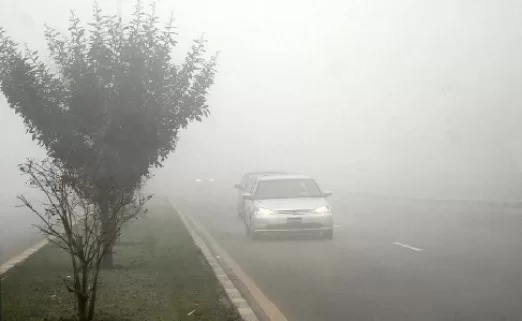
The Ghana Health Service (GHS) is urging the public to brace for the harmattan season as the country begins to experience drier conditions.
In a notice signed by the Acting Director-General, Dr Samuel Kaba Akoriyea, the Service explained that despite recent rains in some areas, the harsh, dry and dusty harmattan weather is fast approaching and poses serious health risks.
The GHS noted that the season affects almost every part of the body and often leads to a rise in preventable illnesses. Common conditions include dry and irritated skin, dehydration due to low moisture in the air, breathing difficulties triggered by heavy dust, and eye irritation caused by reduced humidity.
The Service also highlighted a heightened risk of meningitis, reminding the public that Ghana sits within Africa’s meningitis belt.
To stay safe, the GHS advised the public to adopt basic protective habits. These include using oil-based moisturisers like shea butter to keep the skin hydrated, drinking plenty of water, and eating water-rich foods such as fruits and light soups.
People are encouraged to wear face masks to reduce dust inhalation, especially those with asthma or other respiratory conditions. The GHS also recommended limiting outdoor activities on very dusty days, using sunglasses to protect the eyes, and practising regular handwashing while avoiding unnecessary face touching.
Anyone who begins to feel unwell is advised to report to a health facility promptly.
The Service reaffirmed its commitment to public safety and urged Ghanaians to follow these guidelines to reduce harmattan-related health problems.

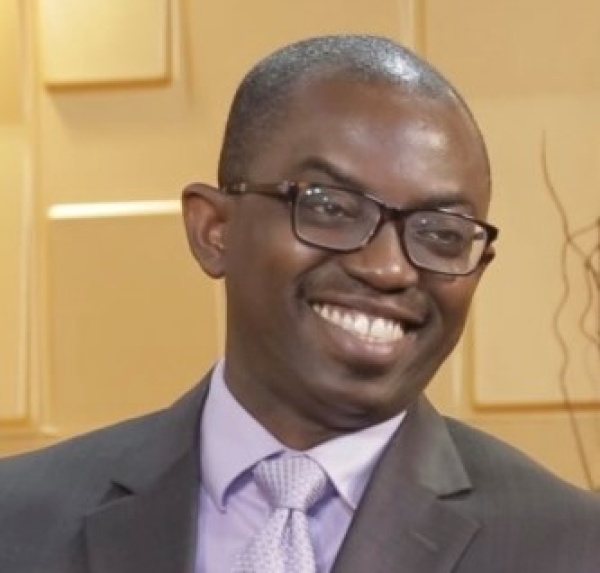
A growing number of young men are facing fertility challenges, and a Ghanaian medical expert says everyday habits may be part of the problem.
Speaking on TV3’s New Day, Dr Roland Padi Ayertey, Medical Director at Elimmas Health, explained that keeping phones and laptops too close to the body could affect sperm quality due to radiation from these devices. He noted that this adds to several lifestyle and environmental factors already linked to declining male fertility.
According to him, low sperm count has many causes. He pointed to environmental toxins, smoke inhalation, chemical fumes, micro particles in the air, poor nutrition, tight underwear, and prolonged exposure to electronic devices. All these, he said, can interfere with what he called the male “engine of production.”
Dr Ayertey said the rising cases are alarming. In the past, he explained, doctors only saw a few men with very low or no sperm, but now a significant number of younger men are reporting poor sperm quality or complete absence of sperm. Although treatments are available, he stressed that progress takes time because sperm formation requires about 75 days. This delay often frustrates men, and many stop taking their medication after only a month.
He added that men sometimes struggle psychologically during treatment because improvements take longer to show, while women may see quicker results from their fertility treatments.
Globally, sperm counts continue to drop, driven by habits such as alcohol consumption, smoking, long hours of sitting or driving, placing laptops directly on the lap, and exposure to pollution. Poor diets further worsen the situation.
Dr Ayertey encouraged men to take simple steps that can help protect their fertility. These include regular medical check ups, reducing device exposure, eating balanced meals, cutting down on alcohol and tobacco use, and choosing looser underwear.
He stated that male fertility is shaped by daily choices, not just sperm numbers. Experts also emphasise that early awareness is important because fertility issues usually go unnoticed until couples begin trying to conceive. Routine checks and healthier lifestyle decisions, they say, can play a key role in prevention.

Africa must stop raw material exports – President Mahama

President Mahama highlights ‘GoldBod’ Gains as Ghana reclaims resource control

Alcohol Brand Ban Threatens Livelihoods of Ghanaian Musicians, Says FOCAP President


-

 Entertainment2 weeks ago
[EDITORIAL] Why Ayisi is not Getting the Expected Mileage in Ghana’s Music Industry
-

 Entertainment1 week ago
The Exposé that Redefined the Creative Vote: Inside Kojo Preko Dankwa’s Deep Dive into the Creative Arts Agency
-

 Entertainment2 weeks ago
Comedians are Chasing MC Roles: What Should Professional MCs Do?
-

 Entertainment1 week ago
8 Events that Ignited Detty December in Ghana
-

 Entertainment1 week ago
Creative Diplomacy in Limbo as PanAfrica–Ghana Awaits Government Response on Healing Africa Tour
-
 Lifestyle1 week ago
Most People Aren’t Afraid of Failure. They’re Afraid of Knowing Themselves
-
Culture9 hours ago
“We Entertain Stupidity in This Country” — GHOne’s Lilly Mohammed Slams Foreign Affairs Minister Ablakwa Over IShowSpeed Passport Saga
-

 Entertainment5 days ago
High Court Confirms No Will on Record for Late Highlife Icon Daddy Lumba