
Business
Ghana Drops in Global Mining Investment Attractiveness Ranking Amid Policy Concerns

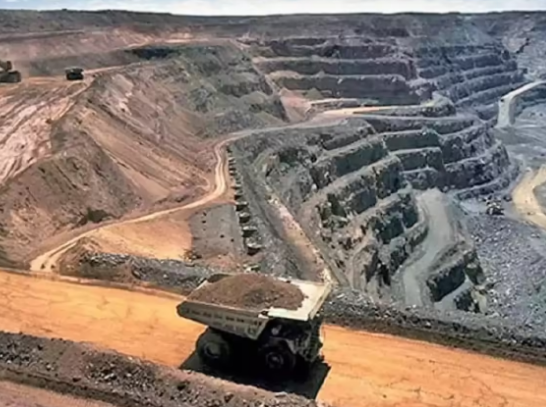
Ghana has recorded a decline in its global mining investment standing, slipping seven places in the latest Global Mining Investment Attractiveness Index released by the Fraser Institute.
The country fell from 46th position out of 82 jurisdictions in 2024 to 53rd out of 68 jurisdictions assessed in 2025. Although Ghana’s overall score saw only a marginal decrease, the drop in ranking reflects stronger performance by competing mining destinations worldwide.
Slight Score Decline, Sharper Ranking Impact
In 2024, Ghana achieved a score of 56.98 percent. This declined modestly to 55.21 percent in 2025. Analysts note that the sharper fall in ranking was largely driven by improvements recorded by other countries rather than a significant deterioration in Ghana’s performance.
The Fraser Institute’s Annual Mining Survey evaluates jurisdictions based on mineral potential and policy-related factors that influence exploration investment decisions, including taxation frameworks, regulatory stability, and government policy predictability.
Within Africa, Ghana ranked eighth out of 16 countries surveyed, placing slightly ahead of South Africa, with an overall continental score of approximately 55 percent.
Survey Methodology and Industry Participation
The 2025 survey was conducted electronically between August 5 and November 26, targeting about 2,304 mining industry professionals globally. Senior executives formed a significant portion of respondents, with more than 46 percent serving as company presidents or vice-presidents, while over 25 percent were managers or senior managers.
Participating firms collectively reported exploration expenditures totaling about US$4.2 billion in 2025.
Jurisdictions are ranked according to how public policies either encourage or discourage mining investment. The Investment Attractiveness Index combines two key measures: the Best Practices Mineral Potential Index, which assesses geological prospects, and the Policy Perception Index, which evaluates investor confidence in government policies.
The number of jurisdictions assessed annually varies depending on commodity price trends and activity levels within the global mining sector. Previous surveys evaluated 82 jurisdictions in 2023, 86 in 2022, and 84 in 2021.
Policy Debate Shapes Investor Sentiment
The report comes at a time when sections of Ghana’s mining industry have raised concerns about proposed government reforms, including potential tax and regulatory reviews affecting the sector.
Some mining companies have indicated that changes to existing policies could influence profitability and employment levels if implemented.
Government officials, however, argue that the reforms are intended to ensure the country derives greater value from its mineral resources while maintaining a balance between attracting investment and safeguarding national economic interests.
Business
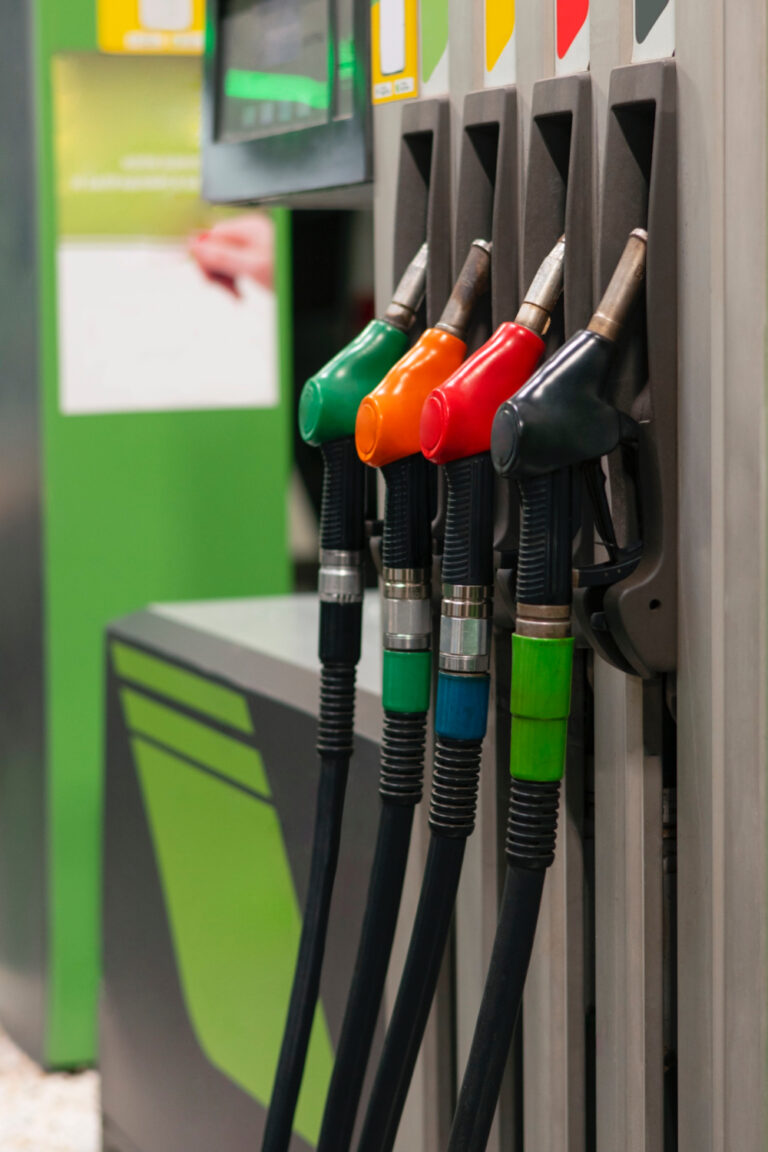
Fuel Prices Edge Up as Oil Marketing Companies Adjust Pump Rates Amid Global Market Pressures
Business
ThirdWell launches Inclusive Business Centre to support Accredited Inclusive Businesses in Ghana
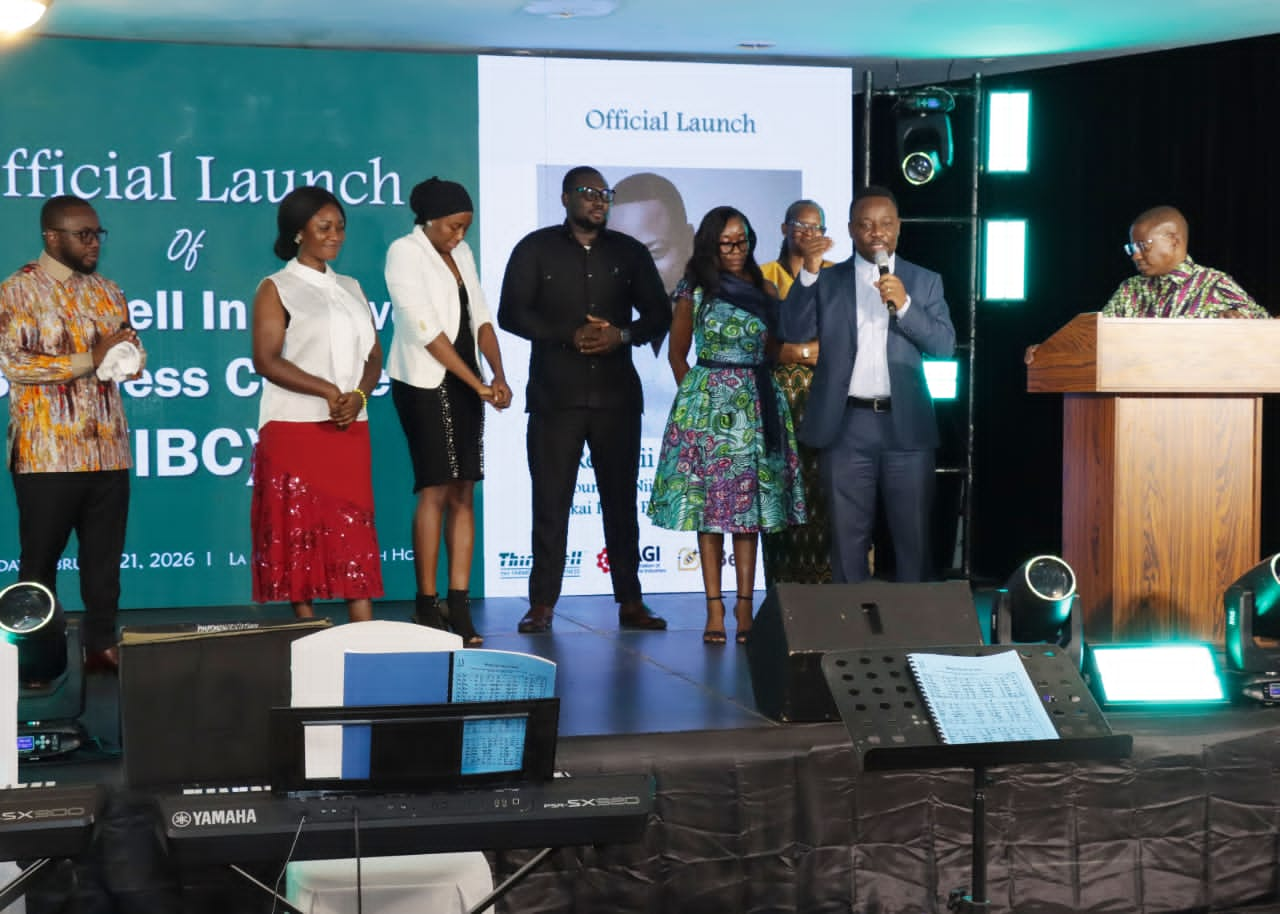
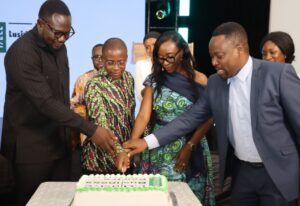
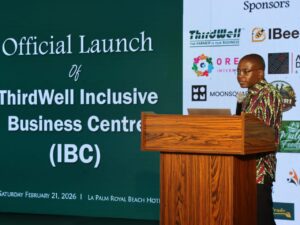
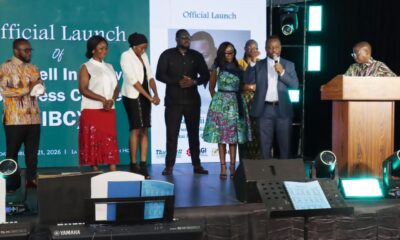
ThirdWell Inclusive Business Centre (IBC) has been officially launched in Accra. The official launch held at La Palm Royal Beach Hotel and unveiled by Rev. Nii Okai Okai supported by representatives from Ghana Chamber of Young Entrepreneurs (GCYE); Association of Ghana Industries (AGI), and ThirdWell Commodities; signals a renewed push to position inclusive business as a central pillar in Ghana’s quest for sustainable economic transformation.
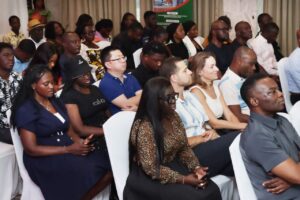
The official launch brought together key stakeholders, including business leaders, investors, development partners, corporate institutions, academic bodies, and members of the media. The event marked an important milestone in Ghana’s journey toward building a more inclusive and sustainable economic system.
The ThirdWell Inclusive Business Centre (IBC) is a private not-for-profit organization established to empower inclusive businesses by promoting investment and partnerships that enhances their capacity to scale sustainable impact and drive systemic change in the economy. Describing IBC as a one-stop resource hub, the Founder and Chairman of the Centre, Mr. Osah Thompson-Mensah said IBC would provide strategic advisory services, corporate governance guidance and coordinated access to professional support for accredited inclusive businesses.
He further explained that ThirdWell Inclusive Business Centre was established to address the major challenges faced by many inclusive businesses and SMEs, particularly in strategic management, access to financing, and building strong partnerships. “The challenge has always been the lack of coordinated systems and accessible business services to help inclusive businesses grow and scale their impact. The Inclusive Business Centre serves as a One-Stop Resource Centre where businesses can access affordable strategy and business services to strengthen their operations and improve their readiness for investment and partnerships.”
Inclusive businesses are private sector businesses or business lines that generate profits by providing goods, services, and livelihood opportunities to people at the Base of the Pyramid (BoP) (low-income populations) on a commercially viable basis, making them a part of the company’s value chain as customers, suppliers, distributors, or employees. Inclusive businesses create innovative and affordable solutions for the needs of low-income groups and communities, turning underserved populations into active suppliers, consumers, and distributors; while also benefiting the businesses by creating new markets and products. Investments into and partnerships with inclusive businesses thus create positive systemic change for BoPs, communities and society.
Inclusive Businesses in Ghana are officially accredited by the Inclusive Business Accreditation Committee comprising AGI, MOTAI, MoFA, MESTI, GEA, GCYE, SEGh, CAG, after independent assessment by at least three (3) certified inclusive businesses consultants using a composite rating tool involving 47 criteria and 186 benchmarks. Mr Thompson-Mensah highlighted the progress made under the Inclusive Business Initiative in Ghana, revealing that 27 companies have already been officially accredited as inclusive businesses in 2024 and 2025. These businesses have generated a combined revenue of GH¢1.18 billion while impacting over 2.25 million people, demonstrating the powerful role inclusive businesses can play in driving economic and social transformation. He further acknowledged support from Deutsche Gesellschaft für Internationale Zusammenarbeit (GIZ), which sponsored groundwork for the inclusive business landscape study and institutionalization in Ghana, noting that sustaining the initiative now rests with Ghanaians.
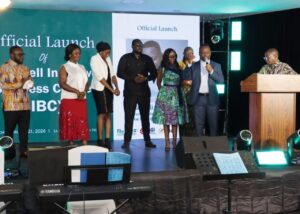
Speaking at the launch, Osah Thompson-Mensah called for inclusive business to become the foundation of Ghana’s economic development strategy, describing it as the country’s most sustainable pathway to reducing poverty and improving living standards of low income groups and communities in Ghana. According to Mr. Osah Thompson-Mensah, Ghana lacks a long-term development ideology, despite the regular production of political party manifestos every four years. “We have manifestos, but we do not have a clear national development ideology or strategy,” he said, arguing that inclusive business and impact-drives-return ideology should underpin Ghana’s economic development strategy and framework. He further stressed that expanding inclusive business practices would significantly deepen social and economic impact.
Mr. Osah Thompson-Mensah noted that when citizens are economically empowered, they demand more goods and services, which stimulates production, drives factory expansion and boosts exports. Drawing parallels with developed nations, he expressed optimism that Ghana could achieve similar progress by embedding inclusive business principles into its long-term planning. He stressed that expanding inclusive business practices would significantly deepen social and economic impact, stating further that “More inclusive business means more impact,”
Mr Osah Thompson- Mensah also disclosed IBC’s intention to engage with the Ghana Stock Exchange to explore how listing small and medium-sized enterprises (SMEs) could address succession planning challenges and strengthen corporate governance. He observed that many Ghanaian businesses collapse after founders exit due to weak structures and overreliance on family succession. “When you list, you open yourself up not just to funding but to quality management and stronger corporate systems,” he said, adding that standards should not be lowered but processes can be rethought to maintain integrity while improving access.
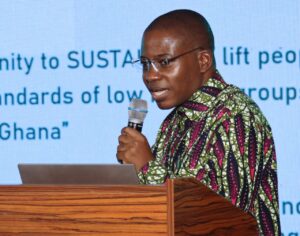
Also speaking at the launch, Mr. Sherif Ghali, CEO of the Ghana Chamber of Young Entrepreneurs, and also chairman of the event, called for inclusive business to be elevated to a national agenda. He highlighted the reality of poverty among many Ghanaians, particularly those earning below GH₵2,000, and urged companies to align profit-making with social inclusion.
“Until low-income individuals are integrated into value chains, businesses will continue to get richer while many people remain poor,” he said.
Mr. Ghali pledged support for the Centre and encouraged businesses, institutions and government to back the initiative, stressing that poverty reduction requires collective effort.

Africa Must Build Strong Institutions to Safeguard Human Rights — Mahama
Mahama Reflects on Father’s Detention, Reaffirms Lifelong Dedication to Justice and Human Rights
Mahama Urges AU States to Ratify African Court Protocol Without Delay



-
 Sports3 days ago
2026 FIFA World Cup: President Mahama tasks supporters to return immediately after the tournament
-
 Entertainment5 days ago
[EDITORIAL] Praised in Victory, Crucified in Defeat: The Ghanaian Fanbase Paradox
-
 Entertainment3 days ago
SONA: GH¢20m for Film Sector, GH¢20m for Creative Industries — Mahama Announces Major Investment
-
 Business4 days ago
ThirdWell launches Inclusive Business Centre to support Accredited Inclusive Businesses in Ghana
-

 Sports6 days ago
BREAKING: Salary Crisis hits Tension at Eleven Wonders Camp for the second time
-
 General News1 week ago
Mahama: We’ll increase efforts to clean polluted water bodies and reclaim mined lands
-
General News1 week ago
Mahama: Mining Must Leave Communities Better Than It Found Them
-
 General News6 days ago
Police Arrest Two in Agona Swedru With 209 Slabs of Suspected Narcotics, Reject GH₵100,000 Bribe