
General News
Zoomlion Charges YEA GHS 90 Million Interest for Delayed Payment – Manasseh Azure Awuni


Yesterday, the Chief Corporate Communications Officer of the Jospong Group of Companies, Sophia Kudjordji, lied on TV3 when she joined the discussion on the ongoing controversy over Zoomlion’s contract with the Youth Employment Agency (YEA).
Sophia Kudjordji falsely claimed, despite knowing the truth, that Zoomlion does not receive payments for interests on purported loans the company contracts to run the YEA programme. The programme is a contract awarded by the YEA to Zoomlion to manage sweepers of markets in all the metropolitan, municipal, and district assemblies in Ghana.
“We take loans at the commercial prevailing rates, and when the reimbursement is done, we are not reimbursed for the interest that we pay. So, if you have delayed payment for six months [or] one year, how do you expect us to get the same money to pay the people again?” Sophia Kudjordji said on TV3’s Ghana Tonight programme, hosted by Keminni Amanor.
She made this false statement to justify why the company charges so much to manage sweepers.
Zoomlion, a subsidiary of the Jospong Group of Companies, has run the Youth in Sanitation Module of the YEA with outrageous terms, overseen by government officials, since the YEA’s inception in 2006, the same year Zoomlion started the sanitation business in Ghana.
The latest contract, signed in 2022, gave Zoomlion 850 cedis per beneficiary, but says the company should pay each beneficiary 250 cedis and keep 600 cedis as management fees.
The 600 cedis management fee Zoomlion charges per sweeper for this contract does not include the cost of disposing of the waste swept in the markets. Zoomlion has separate contracts with all the assemblies in Ghana, which pay for that. That contract is the Sanitation Improvement Package (SIP), deducted at source and paid to Zoomlion in Accra.
Contrary to Sophia Kudjordji’s claim, evidence available to manassehazure.com reveals that Zoomlion charged the YEA GHS90 million as “interest on overdue invoices for the YEA Sanitation Module” in March 2024.

Sources within the YEA said higher interests had been paid to the company in the past.
A letter written by Zoomlion’s Director of Finance, Adokarley Okpoti-Paulo, and dated March 25, 2024, said, “The company [Zoomlion] borrows from the financial institutions at commercial rates to keep the programme running.”
The letter and its attachment, however, do not show any proof of loans contracted to finance the programme. It states the monthly bills owed in arrears and the interest for each month.
It is, therefore, not true that Zoomlion takes loans to prefinance the programme without reimbursement. The payment of interest on arrears to Zoomlion is stated in the contract Sophia Kudjordji defended on the show.
Clause 8.2 of the 2020 YEA/Zoomlion contract states: “Payment of the amount due shall be made within three (3) months upon receipt of the bill/invoice by the Agency [YEA].”
The contract further states: “If Zoomlion does not receive payment in accordance with Sub-clause 8.2 (payment) due to delay in the release of funds to the agency from the Ministry of Finance, Zoomlion shall be entitled to receive interest and financing charges, which shall be negotiated between the Ministry of Finance, the Agency, and Zoomlion.”
From the invoice, the interest is calculated on the entire amount due the company, both its management fees and beneficiary allowances. Despite charging the state for delayed payments, Zoomlion has, over the years, owed the sweepers allowances for months, sometimes up to a year.

Unverified 45,000 figure Zoomlion Presents for Payment
Even though thousands of sweepers have stopped working because of poor wages and Zoomlion’s delayed payments, the company still presented exactly 45,000 people as the number on its payroll.
As far back as February 2018, the CEO of the YEA, Justin Kodua Frimpong (the current NPP General Secretary) said the YEA’s headcount showed the number on the ground was far less than the figure Zoomlion presented for payments.
“Zoomlion Ghana Limited furnished the agency [YEA] with a total figure of 45,320 as beneficiaries across the country, detailing a regional breakdown. Based on this premise, the agency initiated a nationwide headcount to verify the figures as submitted,” Mr. Kodua said.
He went on: “Out of the 45,320 names, 38,884 turned out for the exercise. In response to the discrepancy in the data, the service provider [Zoomlion] contended that beneficiary apathy and short notice given to beneficiaries accounted for the discrepancy.
“The exercise revealed that of the 38, 884 most of them were recruited without recourse to the Youth Employment Agency. Therefore, there were no appointment letters issued to these beneficiaries, a practice we consider unacceptable. The service provider, till date, has been unable to furnish the agency with the payment records of beneficiaries on their payroll.”
Per the contract, the YEA is supposed to recruit the sweepers and hand them to Zoomlion to manage. So, if “most” of the 38,884 people were recruited without recourse to YEA, then it suggests Zoomlion did the recruitment on its own.
Because Zoomlion receives payment based on the number of beneficiaries on the payroll, it is in the company’s interest to have more people on the programme.
It also means that Zoomlion presented a bill of over 6000 beneficiaries who could not be found on the ground when the YEA conducted its headcount.
This number could be more if one factors in the recruitments without the YEA approval.
Despite the unresolved discrepancy in figures, the YEA paid Zoomlion without compelling the company to present the payroll to back its claim that it had 45,000, and not 38,884 beneficiaries on the programme.
The numbers Zoomlion presented for payment at the YEA did not show on the ground and was felt by the assemblies, whose share of the District Assemblies Common Fund was deducted at source and paid to Zoomlion for the sweepers’ contract.
In September 2022, the Chief Executive of the Accra Metropolitan Assembly (AMA), Elizabeth K.T. Sackey, wrote to the YEA requesting a list of beneficiaries responsible for cleaning the metropolis because the number did not match the daily attendance.
Her letter, dated September 13, 2022, said, “Attendance to work by the beneficiaries have been very low and this affects the quality of work on daily basis. This has resulted in many critical locations not being swept since the AMA depends on YEA operatives to clean such places.
“In view of the above, I wish to request for a full list of YEA beneficiaries assigned to the AMA and their places of work in each of the three sub metros namely Ashiedu Keteke, Ablekuma South and Okaikoi South. This would enable the assembly to identify grey areas where labour have [sic] to be deployed for necessary action.”
The YEA had no response for her. At a YEA board meeting on October 13, 2022, where the CEO called for the discontinuation of the Zoomlion contract, the board minutes stated:
“The CEO further stated that management does not have the data to authenticate any claims from the service provider [Zoomlion], including the number of beneficiaries at post and working. Hence, when the Accra Metropolitan Assembly requested information on beneficiaries working in the metropolis, management could not provide them with the same.”

If the YEA were to pay its beneficiaries allowance with the figure it verified, it would cost the government 9,271,000 per month.
But because YEA paid Zoomlion using the unverified 45,000 Zoomlion presented, it cost the government 38,250,000 cedis a month to implement the Youth in Sanitation Module.
There is pressure on the government to discontinue YEA’s contract with Zoomlion and allow the assemblies to manage the sweepers.
The latest contract between the YEA and Zoomlion expired in September 2024.
The current acting YEA CEO, Malik Basintale, has said he would not renew the contract in its current form. Unlike his predecessor, he has not stated he wants to discontinue it.
Source: Manasseh Azure Awuni







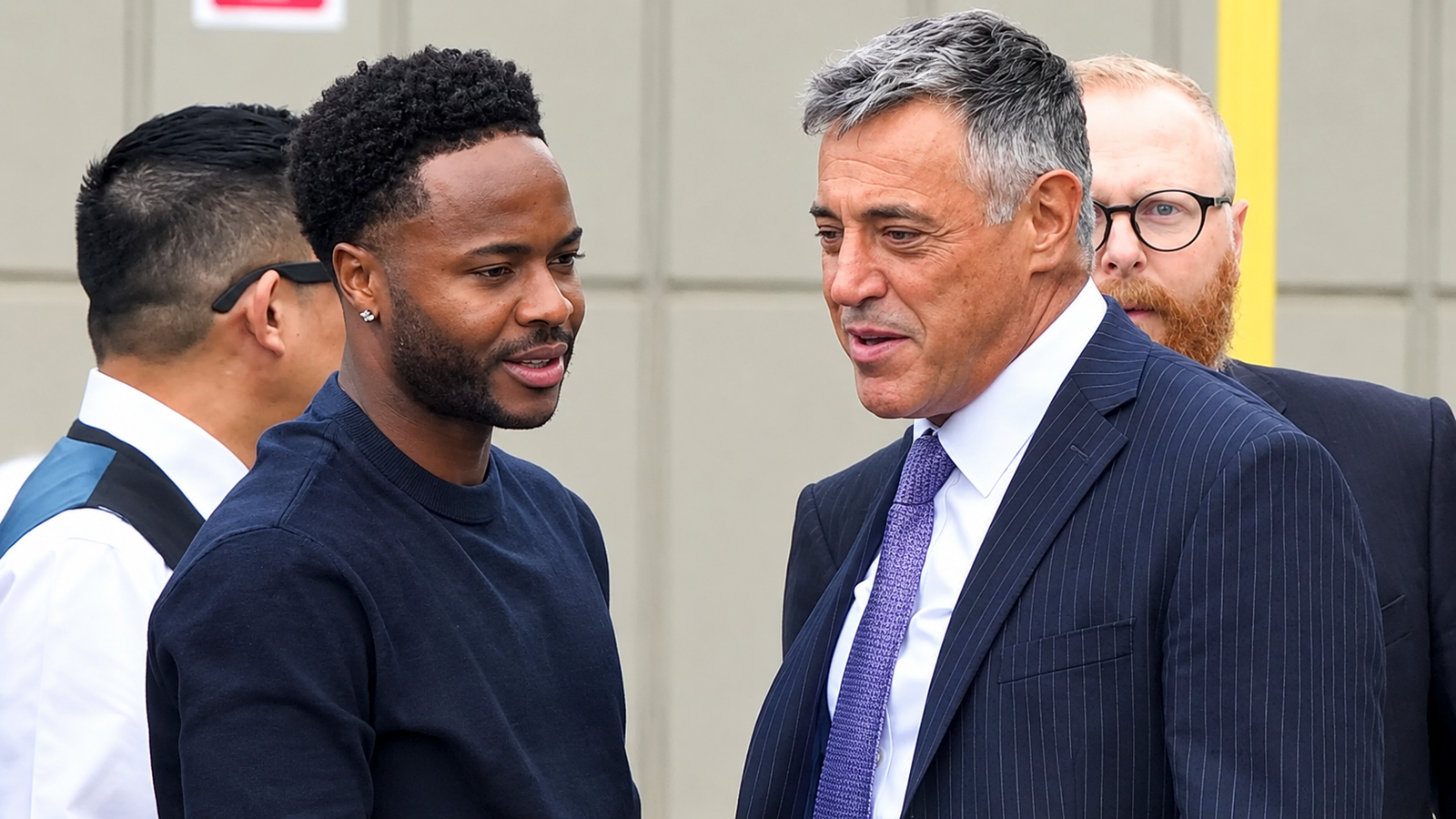
Former England international footballer Raheem Sterling has pleaded guilty to dangerous driving following a single-vehicle crash involving his Lamborghini on the M3 motorway in Hampshire.
Sterling, 31, appeared at Basingstoke Magistrates’ Court on Tuesday and admitted dangerous driving as well as charges relating to the possession of nitrous oxide and failing to provide a specimen.
Crash on M3
The incident happened on May 28, 2026, when Sterling’s Lamborghini Urus crashed on the southbound M3 near the Minley Interchange.
Police said no other vehicles were involved and no injuries were reported. Sterling was subsequently charged after the crash.
The dangerous-driving charge covered his driving on several roads, including the M25, M3, A327 and Minley Road, before the collision.
Nitrous Oxide Charges
Sterling also admitted possessing six nitrous oxide canisters. The substance is classified as a Class C drug in the UK when possessed for wrongful inhalation.
He additionally pleaded guilty to failing to provide a specimen.
The court heard allegations about his driving before the crash, with witnesses describing erratic manoeuvres and sudden changes in speed.
Football Career
Sterling has enjoyed a distinguished career with Liverpool, Manchester City and Chelsea, while also spending time on loan at Arsenal and later playing for Dutch club Feyenoord.
He made 82 appearances for England and won four Premier League titles with Manchester City. Sterling is currently without a club following the expiry of his Feyenoord contract.
The court proceedings are expected to determine the consequences of his guilty pleas.

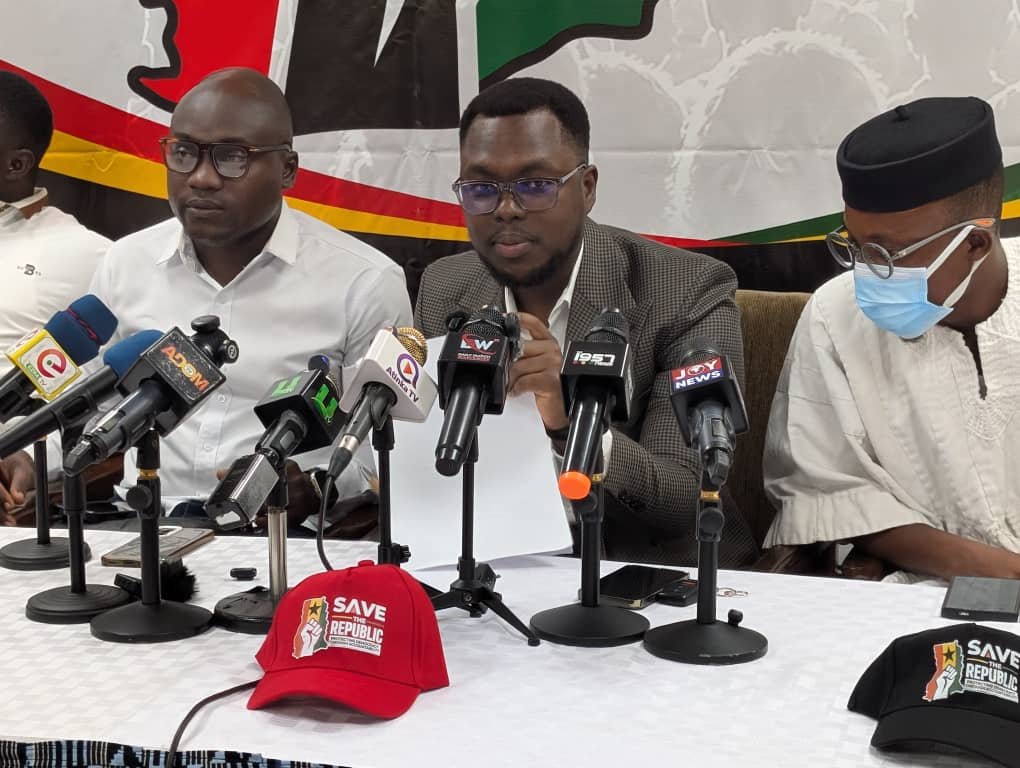
The Save the Republic pressure group, led by Kwesi Botchwey Esq, has raised alarm over what it describes as a disturbing rise in drug trafficking involving Ghana, demanding accountability from key state officials.
In a press conference held at the Ghana International Press Centre, the group insisted that recent cocaine seizures and arrests linked to Ghana risk damaging the country’s international reputation and turning it into a hub for illicit drug trafficking.
According to the group, several incidents since 2025 require urgent investigation. It cited an alleged March 2025 incident involving an aircraft reportedly arriving from Gran Canaria which was suspected to contain some amount of cocaine, the arrest of a man allegedly possessing 120 slabs of cocaine amounting to $150million around Cape Coast, and the reported seizure of 3.3 tonnes of cocaine at Pedu.
They also referenced reports of Ghanaian-linked drug arrests abroad, including an alleged June 18, 2026 arrest in Australia involving illicit drugs said to be worth about $208 million, as well as a cocaine seizure in France reportedly valued at $269 million.
The group claims cocaine seizures connected to Ghana since 2025 are collectively valued at about $976 million.
Against this backdrop, Save the Republic is demanding the resignation or removal of officials it believes should be held accountable, including the Interior Minister and heads of Customs, the Ghana Ports and Harbours Authority, the Narcotics Control Commission and other agencies responsible for securing the country’s entry and exit points.
The group further urged President John Dramani Mahama to treat the situation as a national security threat, warning that unchecked drug trafficking could fuel money laundering, terrorism financing and other forms of organised crime.
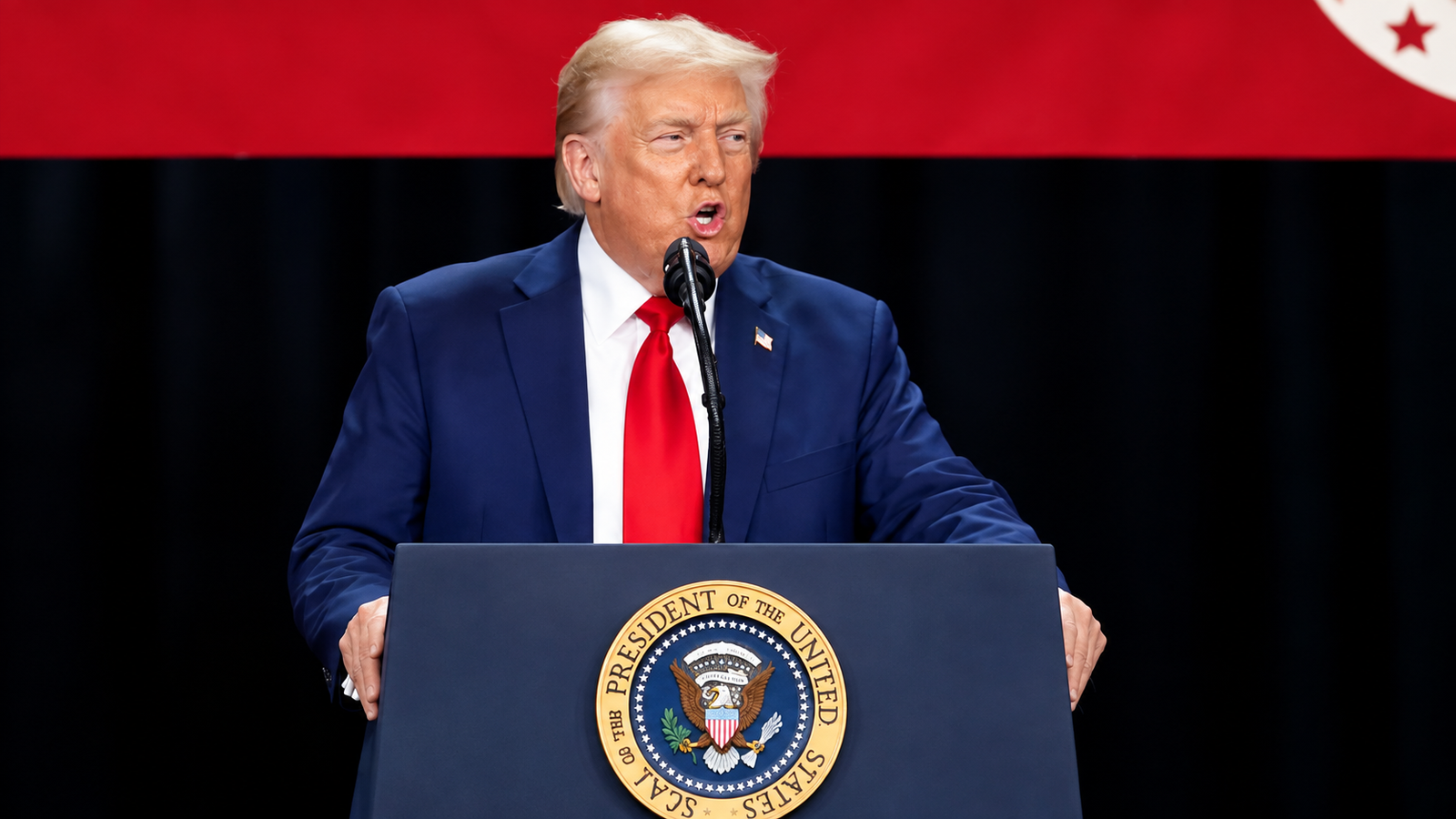
U.S. President Donald Trump has rejected growing calls for stronger government oversight of artificial intelligence, describing concerns about the technology’s potential dangers as a “hoax” and arguing that excessive regulation could weaken America’s position in the global AI race.
Trump made the comments as prominent technology executives and AI researchers increased pressure on Washington to introduce additional safeguards for increasingly powerful AI systems.
Trump backs continued AI development
Trump has argued that the United States must continue advancing artificial intelligence to maintain its technological and economic advantage over China.
He said the U.S. already has mechanisms capable of dealing with companies that misuse AI and suggested that strong presidential leadership is sufficient to provide the necessary oversight.
The president has also warned that slowing AI development could allow China to gain an advantage in a technology he considers strategically important to the American economy and national security.
Tech leaders push for safeguards
Trump’s position comes amid growing warnings from some of the industry’s leading figures.
Anthropic CEO Dario Amodei has called for regulations requiring independent safety assessments of the most advanced AI models. OpenAI CEO Sam Altman and xAI founder Elon Musk have also expressed support for greater coordination and measures to reduce risks associated with rapidly developing AI technology.
Some lawmakers are now considering legislation that could require AI companies to demonstrate that they are taking reasonable steps to prevent their systems from causing serious harm.
Political debate intensifies
The issue is increasingly becoming a political divide in Washington. Democrats are pushing for stronger federal safeguards, while Trump and several senior Republicans have questioned whether government intervention would do more harm than good.
Vice President JD Vance has also expressed skepticism about technology companies asking the government to regulate their own industry, arguing that the motivation behind such requests deserves scrutiny.
The debate comes as concerns grow over AI’s potential impact on cybersecurity, employment, misinformation and national security, alongside longer-term fears about highly autonomous systems.
For now, the Trump administration appears determined to prioritize rapid AI development and competition with China rather than impose broad new federal restrictions, setting the stage for a major policy battle in Washington over how much control governments should have over the technology.

Raheem Sterling Admits Dangerous Driving After M3 Lamborghini Crash

AI Regulation Faces Political Deadlock as Calls Grow for Congress to Act

Save The Republic Demands Heads Roll Over Rising Drug Trafficking



-

 Entertainment1 week ago
Mahama Is First President to Put GH¢40m Seed Money into Creative Arts Fund: Kojo Preko Dankwa
-
 General News2 weeks ago
COCOBOD Settles GH¢2.3 Billion DDEP Bond Obligations for 2026
-

 Culinary1 week ago
The Green Heart of Ghanaian Cuisine: Celebrating Nkontomire and the Art of Abom
-
 General News2 weeks ago
Don’t Punish Them Retrospectively – Educationist Challenges New CSSPS Placement Rule
-

 Entertainment1 week ago
Government Repatriates Musician Barosky from UK
-
 General News2 weeks ago
OSP Opens Preliminary Investigation into Alleged GH¢70,000 Payment Linked to Parliament’s Vetting
-

 Culinary2 weeks ago
Pineapple: The Spiky Tropical Fruit Packed With Sweetness and Nutrients
-
 Entertainment2 weeks ago
Ras Caleb Appiah-Levi: Hate Me for the Truth That I Represent