
Entertainment
SONA: GH¢20m for Film Sector, GH¢20m for Creative Industries — Mahama Announces Major Investment

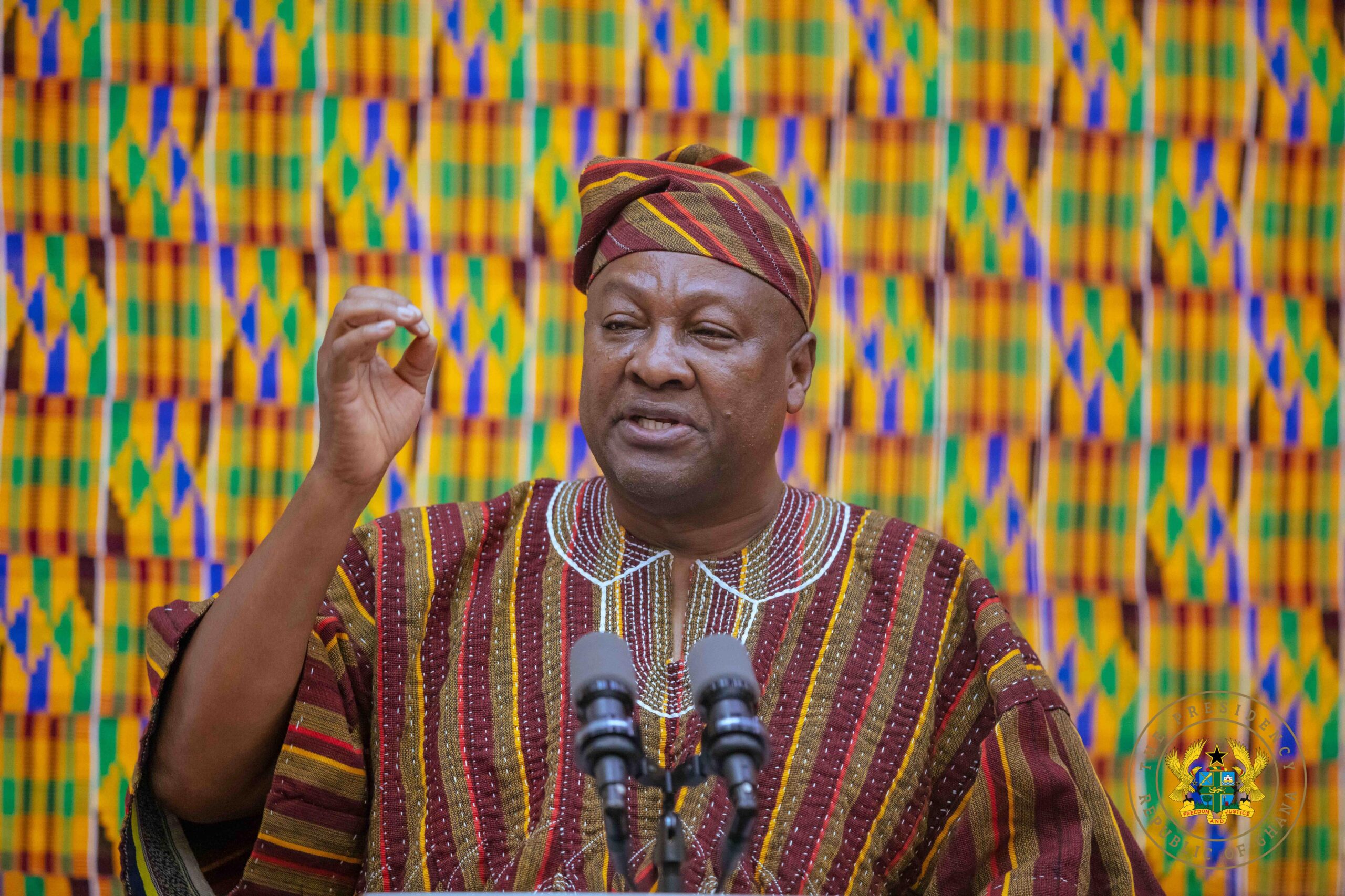
President John Dramani Mahama has announced a major financial boost for Ghana’s tourism and creative arts sector, allocating GH¢20 million to the film industry and an additional GH¢20 million to other creative sectors as part of efforts to position creativity as a key driver of economic growth.
Delivering his State of the Nation Address to Parliament, President Mahama underscored the growing importance of the creative economy, stating that Ghana’s development would not depend solely on traditional sectors.
“Our economy will not be built only by traditional sectors, but also by human creativity — sectors that will absorb those who will be displaced from the shop floor by the new AI technologies being rolled out,” he said.
GH¢20m for Film — Kumawood, Ghallywood to Benefit
The President revealed that GH¢20 million has been earmarked specifically for the film sector to support players across the industry, including Kumawood, Ghallywood and other emerging production hubs.
“Government has allocated 20 million Ghana cedis to the film sector alone. This is going to support Kumawood, Ghallywood and all the woods,” he announced.
He noted that the investment is intended to strengthen production capacity, improve quality, create jobs and enhance the global competitiveness of Ghanaian films.
Additional GH¢20m for Creative Arts
Beyond film, another GH¢20 million has been committed to the broader creative industries, including music, fashion, arts and digital content creation.
“Another 20 million cedis has been given for the other creative sectors. I believe that this injection of money will bolster our creative sectors,” President Mahama stated.
He praised creatives leveraging new media platforms, saying they are giving Ghana international visibility beyond what traditional outlets could achieve.
“Creatives using the new media are giving our nation greater prominence than we could have achieved through any first-class traditional media outlet,” he said.
Tourism and Culture at the Centre of Growth
President Mahama emphasized that Ghana’s appeal as a tourist destination is rooted in its rich cultural heritage.
“Ghana has become a favourite tourist destination because of our history, culture, our arts, our music, our fashion and our food,” he said.
He pledged personal commitment to promoting the sector.
“I wish to assure the creative industry and the Ministry of Tourism that I will be your personal ambassador for the promotion of tourism and the creative sector.”
Creative Economy as Future Job Engine
The President stressed that the creative arts sector will play a crucial role in job creation, particularly as technological advancement reshapes traditional employment patterns.
By investing in the creative space, government aims to build a resilient economy powered by innovation, talent and cultural capital.
The GH¢40 million combined investment signals what the President described as a deliberate shift toward harnessing Ghana’s “brand equity” and unlocking the economic potential of its creative talents.


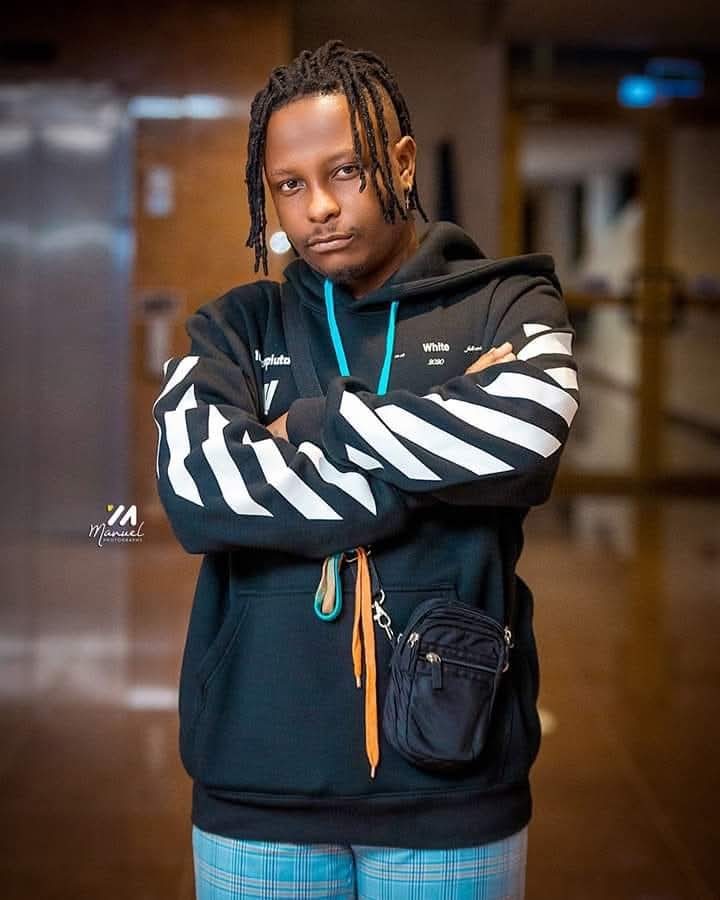
Ghanaian Afrobeats artiste Kelvyn Boy has fired back at critics who have questioned his smoking habit, insisting that the public should leave him alone to live his life.
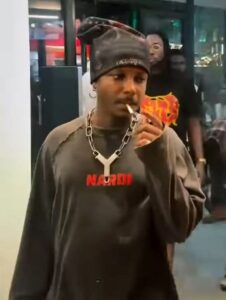
Speaking on Okay FM’s flagship Ekwanso Dwoodwoo drive time show with Nana Romeo Welewele, the “Down Flat” hitmaker addressed what he described as hypocrisy and double standards in the entertainment industry.
In a strongly worded response, Kelvyn Boy argued that people are quick to judge Ghanaian artistes, yet turn a blind eye when Nigerian musicians display similar lifestyles in Ghana.
“We are here, and the Nigerians come here, do whatever they want, and go scot-free. The same people listen to their music and watch them do these things in their videos every day. But the moment we try to live a carefree life, everyone starts talking about our matter. I just watch and laugh,” he said.
He further defended his actions, arguing that some young men who judge him only smoke to impress women who are into smoking. He explained that many men don’t even smoke regularly but feel compelled to do so in certain social situations.
“And let’s be honest, some people do worse in private and still come out to judge others. Many of the boys don’t even smoke, but when they meet certain girls, they act like they do. They start smoking just to impress them or to get close to them. That’s the reality,” he concluded.

In Ghana, admiration is loud. Celebration is passionate. Support is intense. But so is condemnation.
One moment, you are the nation’s pride. Next, you are trending for all the wrong reasons. The same voices that once defended you become your harshest critics. This is the irony of fan culture in Ghana, a love that can quickly turn into public prosecution.
Ghanaian fanbases are among the most passionate in Africa. Whether in music, football, film, or politics, supporters show up with unmatched energy. They stream relentlessly, defend fiercely on social media, and mobilise campaigns that push their Favourites to the top. But the loyalty often feels conditional.
When an artist drops a hit, they are crowned king. When a footballer scores, he is a national hero. When a public figure achieves international recognition, we all claim ownership of the success. “Our own,” we proudly say.
Yet, the moment there is a misstep, a poor performance, a controversial statement, a failed project, the narrative shifts. Suddenly, the same person is labelled overrated, arrogant, finished, or undeserving. The applause fades. The attacks begin.
In the digital era, social media has intensified this culture. Platforms like X (formerly Twitter), Facebook, Instagram, and TikTok have created a space where opinions travel faster than facts.
Fan loyalty now comes with hashtags, trends, and digital warfare. Rival fanbases clash daily. Success is weaponised. Failure is magnified. A delayed album becomes a sign of incompetence. A missed penalty becomes a career-defining flaw. A single interview quote becomes grounds for cancellation.
There is rarely room for nuance.
What makes this irony even more troubling is the unrealistic expectation of perfection. Ghanaian fans demand fair excellence. But they often forget that excellence is a process, not a permanent state. Creative work evolves. Athletes have off days. Human beings make mistakes.
Yet, in our culture of instant judgment, grace is scarce.
We demand consistency but offer little patience. We expect growth but punish experimentation. We celebrate risk-taking when it succeeds, but mock it when it fails.
Perhaps the deepest irony lies in the sense of ownership. When a Ghanaian creative breaks international barriers, the entire nation claims the victory. “We did it.” “Ghana to the world.” “Our star.” But when the same person faces backlash, legal issues, or creative decline, the collective “we” disappears. It becomes “he messed up” or “she’s finished.” We claim the glory, but we rarely share the burden.
Criticism is necessary. No industry grows without accountability. Constructive feedback strengthens talent. Honest analysis improves performance. But there is a difference between critique and crucifixion. Constructive criticism addresses the work. Crucifixion attacks the person. In Ghana’s fan culture, that line is often blurred.
A bad song becomes proof that an artist was never talented. A single poor tournament becomes evidence that a footballer is useless. One controversial moment becomes a permanent label. This reactionary culture does not build industries; it destabilises them.
For creatives especially, this pattern has consequences. It discourages experimentation. It breeds fear. It creates a defensive environment where artists feel they must constantly prove themselves to avoid public humiliation. Instead of nurturing talent through highs and lows, we swing between extreme praise and extreme condemnation.
And in the long run, that instability affects the growth of Ghana’s creative economy.
Passion is not the problem. Ghana’s passion is a strength. It drives streams, fills stadiums, and pushes our stars onto global platforms. What we need is balance.
Celebrate success loudly — but criticise fairly.
Demand excellence — but allow humanity.
Support consistently — not selectively.
True loyalty is not tested during victory; it is revealed during difficulty. If Ghanaian fanbases can learn to replace reactionary outrage with responsible engagement, we will not only protect our talents but also strengthen the industries we claim to love. Because at the end of the day, if we are quick to praise when it is good, we must be mature enough not to crucify when it is bad. That is the real growth Ghana needs.
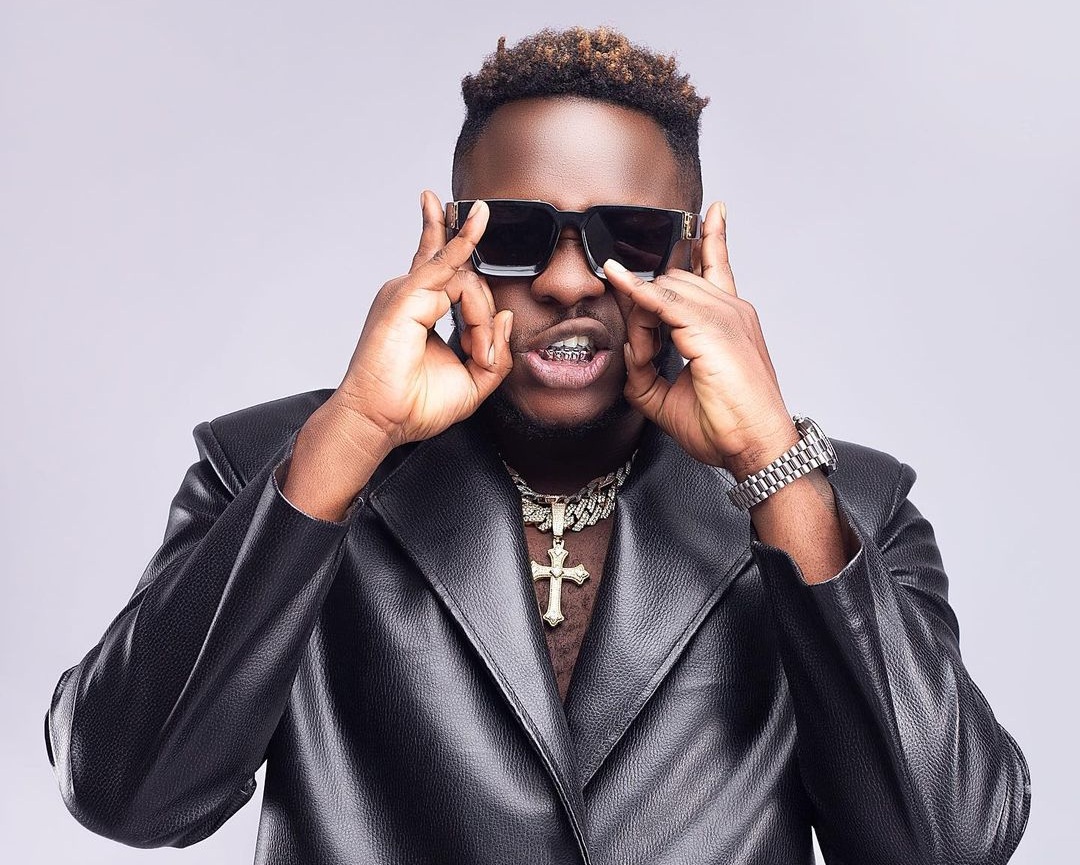
Multiple-award-winning Ghanaian rapper Medikal has secured an international nomination, as
His headline concert, “Beyond Kontrol,” gets nominated in the Concert of the Year category at the 43rd edition of the International Reggae and World Music Awards, popularly known as IRAWMA.
Founded in 1982, IRAWMA is one of the longest-running award schemes dedicated to celebrating reggae and world music talents across the globe. Over the years, the platform has recognised influential artists from the Caribbean, Africa, Europe, and North America, positioning itself as a respected international institution within the global music community. A nomination from the scheme signals cross-border impact and cultural relevance beyond an artist’s home market.
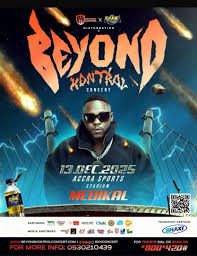
Medikal’s nomination comes on the back of his “Beyond Kontrol” concert, which was staged at
the Accra Sports Stadium. Hosting a full-scale concert at one of Ghana’s largest venues marked
a significant moment in his live performance career. The show was characterised by high production value, strong stage design, energetic delivery, and a setlist packed with fan favourites. The Concert of the Year category typically recognises not only attendance numbers but overall execution, audience engagement, and cultural impact.
Industry observers say the nomination reflects the scale and ambition behind the Accra Sports Stadium event. Beyond the concert, Medikal’s strong positioning this year has also been fueled by the success
of his hit single “Shoulder,” widely regarded as the biggest song of 2025. The track dominated airwaves, streaming platforms, and social conversations, reinforcing his commercial strength and relevance within Ghana’s music landscape.
Although he has not yet secured multiple awards this year, there is growing anticipation that he
will attract more nominations and potentially convert them into wins as award season unfolds.
The combination of a globally recognised nomination and a record-breaking single has
strengthened expectations around his prospects. For Medikal, the IRAWMA recognition is both a personal achievement and a broader spotlight on Ghanaian hip hop’s expanding international reach.

SONA: GH¢20m for Film Sector, GH¢20m for Creative Industries — Mahama Announces Major Investment

SONA: Government Takes Steps to End No-Bed Syndrome — Mahama Assures Emergency Care for All Patients
2026 FIFA World Cup: President Mahama tasks supporters to return immediately after the tournament



-
 Entertainment2 days ago
[EDITORIAL] Praised in Victory, Crucified in Defeat: The Ghanaian Fanbase Paradox
-
 Sports4 days ago
BREAKING: Salary Crisis hits Tension at Eleven Wonders Camp for the second time
-
 General News1 week ago
Mahama: Mining Must Leave Communities Better Than It Found Them
-
General News1 week ago
Mahama: We’ll increase efforts to clean polluted water bodies and reclaim mined lands
-
 Politics2 weeks ago
George Kofi Arthur Declares Readiness for Western NDC Chairmanship, Citing Experience and Track Record
-
 General News2 weeks ago
Mahama meets UN Chief, discusses African security & democracy
-

 General News3 days ago
Police Arrest Two in Agona Swedru With 209 Slabs of Suspected Narcotics, Reject GH₵100,000 Bribe
-
 General News2 weeks ago
Mahama Pushes UN Resolution to Recognize Transatlantic Slave Trade as Gravest Crime Against Humanity