
Uncategorized
Three Suspected Robbers Killed in Christmas Eve Gun Battle with Police in Ashanti Region


Three suspected armed robbers were shot dead during a gun battle with police on Christmas Eve in a bush between Anwiankwanta and the Jacobu Junction in the Ashanti Region.
The suspects were part of a five-member gang that reportedly opened fire on police officers after encountering them during an intelligence-led operation. Two other members of the gang escaped and are currently on the run.
The injured suspects were rushed to the Bekwai Municipal Hospital following the exchange of gunfire but were pronounced dead on arrival. They have been identified as Seidu Issah, 29; Musah Yakubu, 35; and Yahaya Munkaila, also known as Tijani, 25. Their bodies have since been deposited at the hospital’s morgue for preservation and autopsy.
A police situational report (SITREP), sighted by Graphic Online, said investigations are ongoing to arrest the remaining suspects and recover additional weapons. The report noted that the deceased suspects and their accomplices were wanted in connection with several robberies and killings in Manso, Jacobu, and the Anwiankwanta area.
According to the SITREP, on December 24, 2025, police received intelligence that the gang had assembled in a bush between Anwiankwanta and the Jacobu Junction and were planning to launch an attack along the Anwiankwanta–Obuasi road.
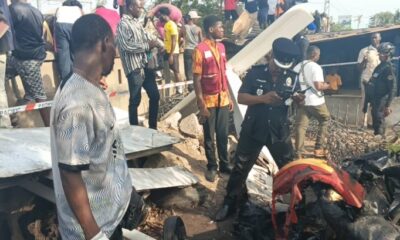
Acting on the information, police carried out an operation using four service vehicles to raid the area. Upon arrival, officers spotted about five young men armed with guns. The suspects allegedly opened fire and attempted to flee through the bush, prompting police to return fire. Three suspects were shot, while the remaining two escaped, reportedly with gunshot wounds.
A search of the area led to the recovery of two pump-action guns loaded with six rounds of ammunition each, one unbranded pistol, and a sack containing 25 live cartridges and six spent cartridges.











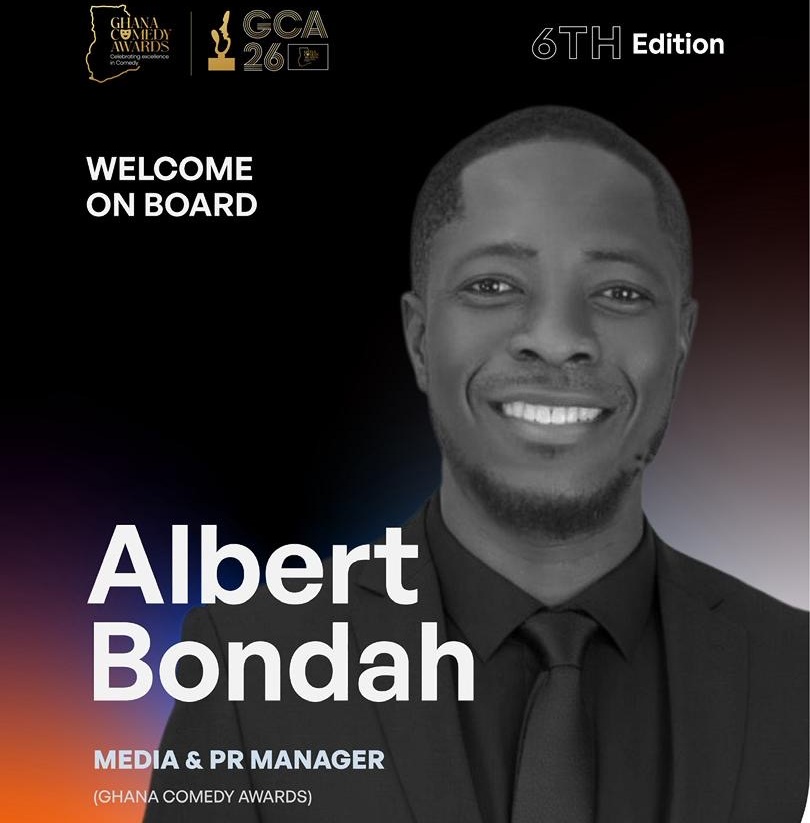
The organisers of the Ghana Comedy Awards 2026 have officially unveiled Albert Bondah as the new Media and Public Relations Manager for the highly anticipated sixth edition of the awards ceremony.
The announcement, which has already generated excitement within Ghana’s entertainment industry, forms part of the organisers’ broader efforts to strengthen the awards brand and expand its visibility ahead of this year’s event.

A graduate of the University of Cape Coast, Albert Bondah brings on board a wealth of experience in entertainment publicity, media relations, and strategic communications. His impressive portfolio includes serving as Road Manager for the Central Music Awards, as well as Media Relations Officer for organisations and brands such as African Arts Network, 2Cute Entertainment, Parrot Mouth Productions, PB Entertainment, Keche Global, and Fiifi Coleman Productions, among several other notable institutions within the creative industry.
With his extensive background in entertainment communications, Albert Bondah is expected to play a major role in promoting the awards scheme while strengthening engagement with audiences, stakeholders, media partners, and industry players. Many within the entertainment space see his appointment as a strategic move aimed at elevating the profile of the Ghana Comedy Awards both locally and internationally.
Over the years, the Ghana Comedy Awards has grown into one of the country’s leading entertainment platforms dedicated to celebrating comedians, comic actors, and creatives who continue to shape Ghana’s comedy landscape. The scheme has consistently recognised excellence, creativity, and innovation within the rapidly growing comedy industry.

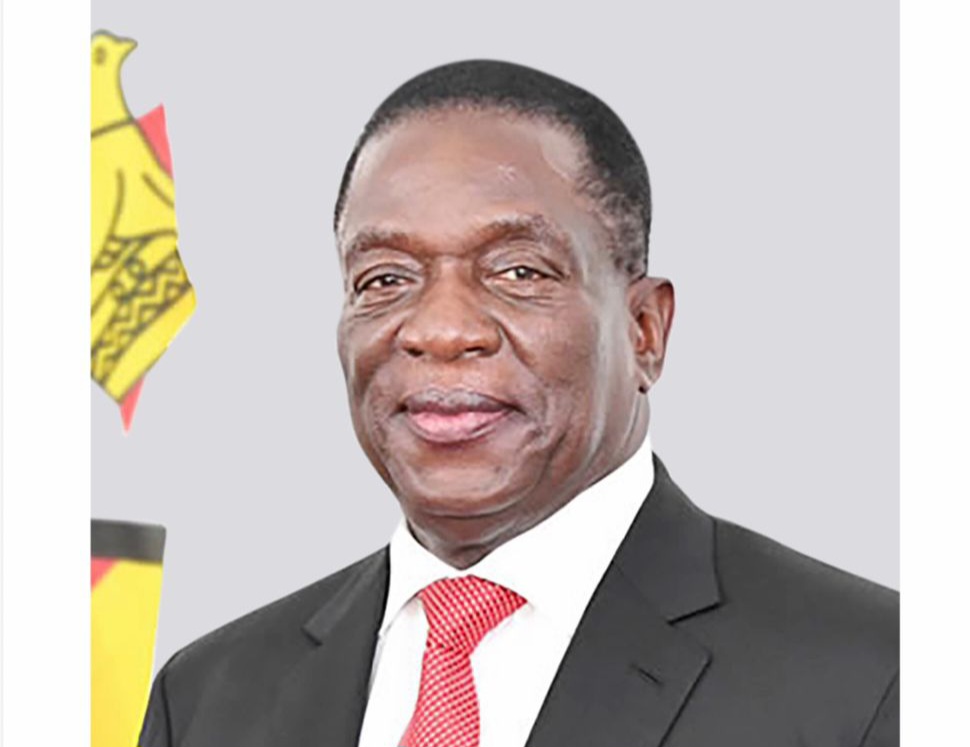
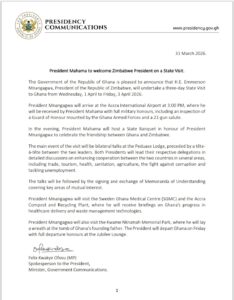
President John Dramani Mahama is set to host Zimbabwean President Emmerson Mnangagwa on a three-day State Visit to Ghana from Wednesday, April 1 to Friday, April 3, 2026.
According to a statement from the Presidency, President Mnangagwa will arrive at the Accra International Airport at 3:00 PM on Wednesday, where he will be received with full military honours by President Mahama. The ceremony will feature an inspection of a Guard of Honour mounted by the Ghana Armed Forces, followed by a 21-gun salute.
Later in the evening, President Mahama will host a State Banquet in honour of his Zimbabwean counterpart, in celebration of the long-standing relations between the two countries.
The highlight of the visit will be bilateral talks between the two leaders at the Peduase Lodge. The discussions, which will begin with a tête-à-tête, are expected to focus on strengthening cooperation in key sectors including trade, tourism, health, sanitation, agriculture, anti-corruption efforts, and job creation.
Both leaders are also expected to preside over the signing and exchange of several Memoranda of Understanding aimed at deepening diplomatic and economic ties between Ghana and Zimbabwe.
As part of his itinerary, President Mnangagwa will visit the Sweden Ghana Medical Centre and the Accra Compost and Recycling Plant to gain insight into Ghana’s advancements in healthcare delivery and sustainable waste management.
He will also pay homage to Ghana’s founding father, Dr Kwame Nkrumah, by laying a wreath at the Kwame Nkrumah Memorial Park.
President Mnangagwa is expected to depart Ghana on Friday, April 3, with full departure honours at the Jubilee Lounge.
The visit is anticipated to further strengthen bilateral relations and expand cooperation between Accra and Harare.
Read the statement below;
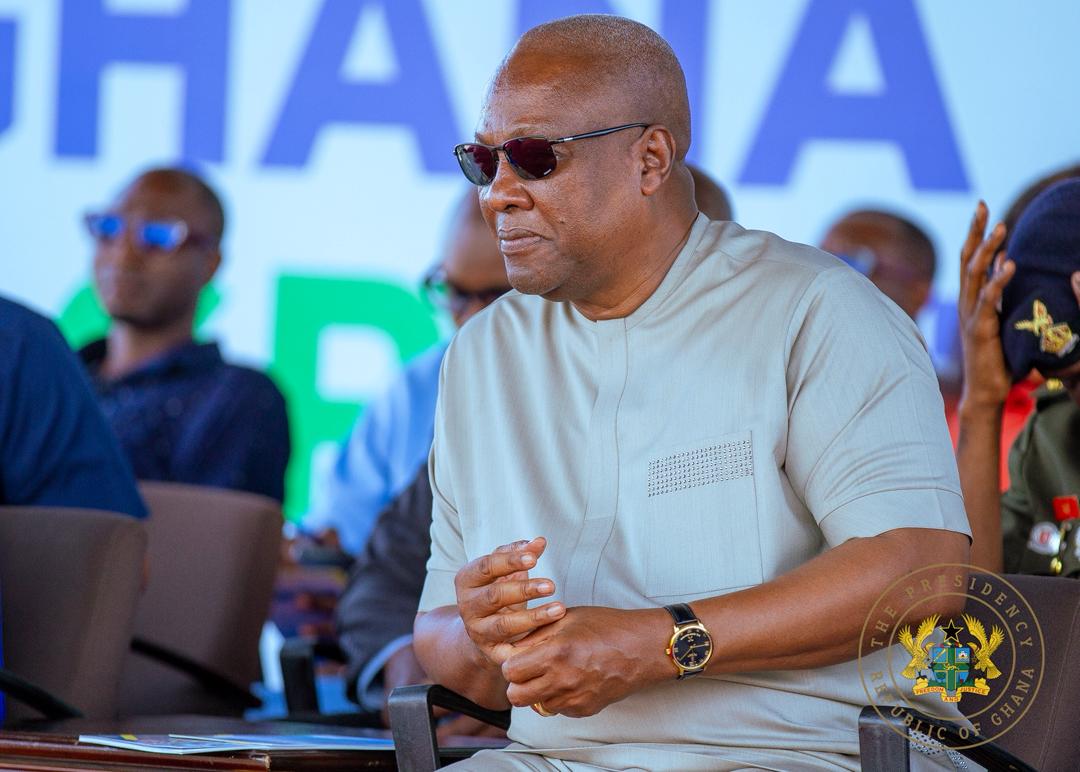
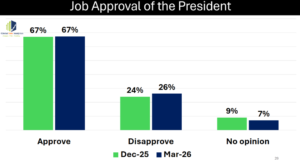
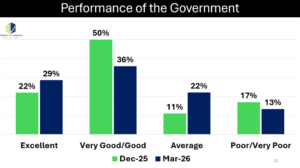
President John Dramani Mahama continues to enjoy strong public support, maintaining a 67% approval rating, according to a new poll by Global InfoAnalytics.
The survey released on March 25, 2026, showed that only 26% of voters disapprove of his performance, though it was a slight increase from 24% recorded in December 2025, while approval remains unchanged.
Support for President Mahama, according to the survey, spans all regions, including traditional opposition strongholds.
In the Ashanti Region, which is the stronghold of the opposition, New Patriotic Party (NPP), the poll showed that 56% of voters approve of his performance, while approval stands at 64% in the Eastern Region and 65% in the North East Region.
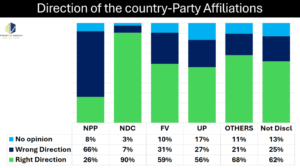
The poll also indicates that a majority of party affiliates back the president’s performance, except for supporters of the NPP.
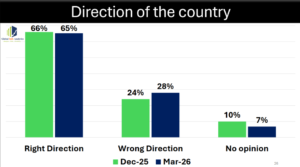
In the direction of the country, 65% of respondents in the survey noted that Ghana is headed in the right direction, though there was a marginal drop from 66% in the previous quarter.
Meanwhile, 28% believe the country is on the wrong path, up from 24%, while those with no opinion declined from 10% to 7%.
Living standards appear to have improved for many Ghanaians, with 58% of voters saying their conditions are better than a year ago, compared to 16% who report a decline.
However, optimism about the future has dipped slightly. The poll found that 68% of voters expect their standard of living to improve over the next 12 months, down from 70% in the previous quarter, suggesting growing unease over potential inflationary pressures linked to the Middle East conflict.

Government reveals 76.4 Million Ghana cedis to back Black Stars World Cup campaign

2026 FIFA World Cup: Thomas Partey ruled out of Ghana group opener after denial of Canadian Visa

The Energy Man Londona Nie Set for Comeback After Successful Recovery Journey



-

 Sports1 week ago
GFA Boss Kurt Okraku Rejects National Team Players Selection Interference allegations
-
 Politics1 week ago
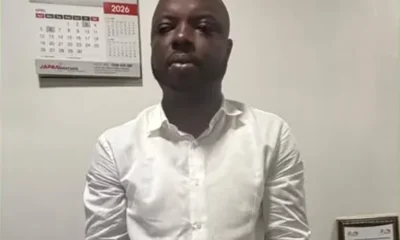
Abronye DC Remanded Into Custody After Court Rejects Bid to Vary Bail Conditions
-
 Sports2 weeks ago
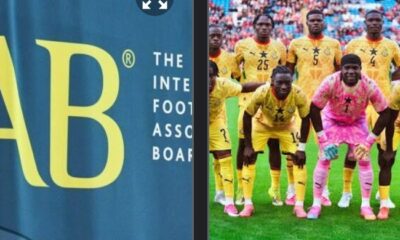
IFAB Approves Major Rule Changes Ahead of 2026 FIFA World Cup
-
 Sports1 week ago
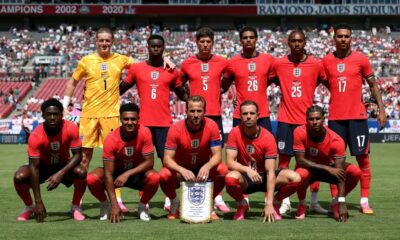
2026 FIFA World Cup: Ghana group opponent England defeats New Zealand in a warm up Friendly
-
 General News1 week ago
Sam George Pushes Mandatory National ID Verification for Access to Adult Websites
-
 Sports1 week ago
2026 FIFA World Cup: Ivory Coast defeats France in Pre-World Cup Friendly
-
 Culture2 weeks ago
Christian Council Backs Mahama’s Decision to Review Anti-LGBTQ+ Bill
-
 Sports1 week ago
2026 FIFA World Cup: Ghana arrived in America ahead of the tournament