
Entertainment
“Go to Lumba’s house and exhume his body” — Counsellor George Lutterodt incites Ga youth

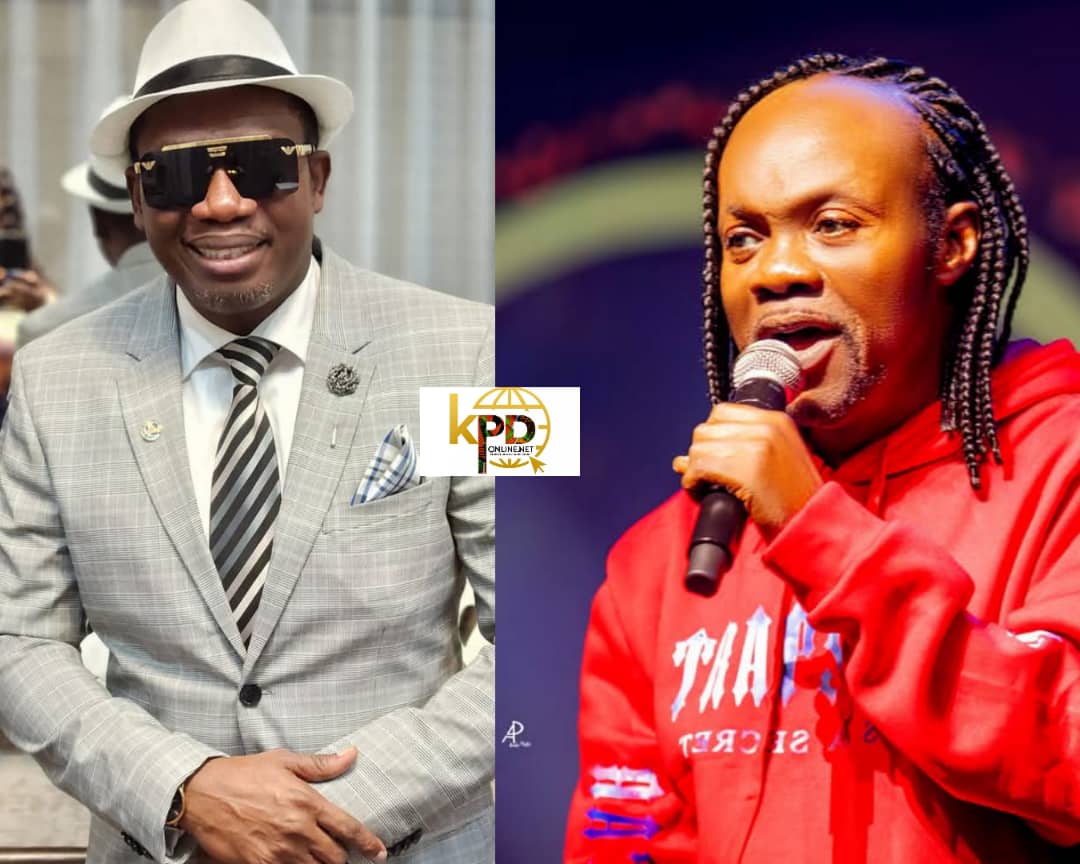
Popular marriage counselor, Cyril George Carstensen Lutterodt, popularly known as Counselor Lutterudt has incited Ga youth to go to the residence of the late Daddy Lumba and exhume his body.
According to the outspoken counselor, it is against the traditions of the Gas to bury someone in the house, and so as the custodians of their culture, he urged them to take the matter into their own hands and exhume the late singer’s body to deter others from doing the same.
“If it’s true that Lumba, as it’s alleged, has been buried in the house, I want to ask the Ga boys in Accra that we shouldn’t wait for the police. Let’s move to the residence of Lumba.
“And I’m calling for action now, for the desecration of the land. Walk to the house with pickaxes. We are not fighting any human being, and let’s find where the body was buried and let’s exhume it,” he said.
When the presenter told him to leave it at the discretion of the police, the self-acclaimed pastor and counselor questioned where the police had been all this while when the news broke that Lumba had been buried in his house.
“Where are the police? Where are the police?
Do you remember when the guy spoke? How many days now? He quizzed.
“Let me tell you a secret you don’t know. The Ghana Police Service, one of the good things they are doing now is that anything that happens on social media, they react. The guy has spoken; has anybody reacted?
Number two, if anything happens and a policeman is involved, very soon we see the evidence of arrest. Those who killed Sammy Gyamfi’s father-in-law, they’ve gotten the people. So anybody who tells you the police are not sufficient enough…”
Counsellor George Lutterodt warned that minimal force may be necessary if persuasion fails and said he was ready to lead the Ga youth to act. He criticized authorities for their slow response and called for urgent action to address what he described as a desecration of the land.
“But I’m saying that when persuasion fails, force, minimum force is applied. And the Ga boys I will lead…
“Accra is not for you, Accra is not for you. Agyemang, Accra is not for you. How many hours has this guy’s video gone viral now?
I’m telling the boys, no fight, no quarrel. I’m going to lead you to the house because the land has been desecrated we’ll look for the body and exhume it,” he emphasized.
He continued “If not, then the Ghana Police, the AMA, whoever ordered the permit whoever ordered the permit should, in common sense, do something because this nonsense must stop.”
He made these statements during an appearance on Agyemang Prempeh Agyingo’s show “Power Entertainment” broadcast on Power 97.9 FM, Radio XYZ 93.1 FM, and TV XYZ.









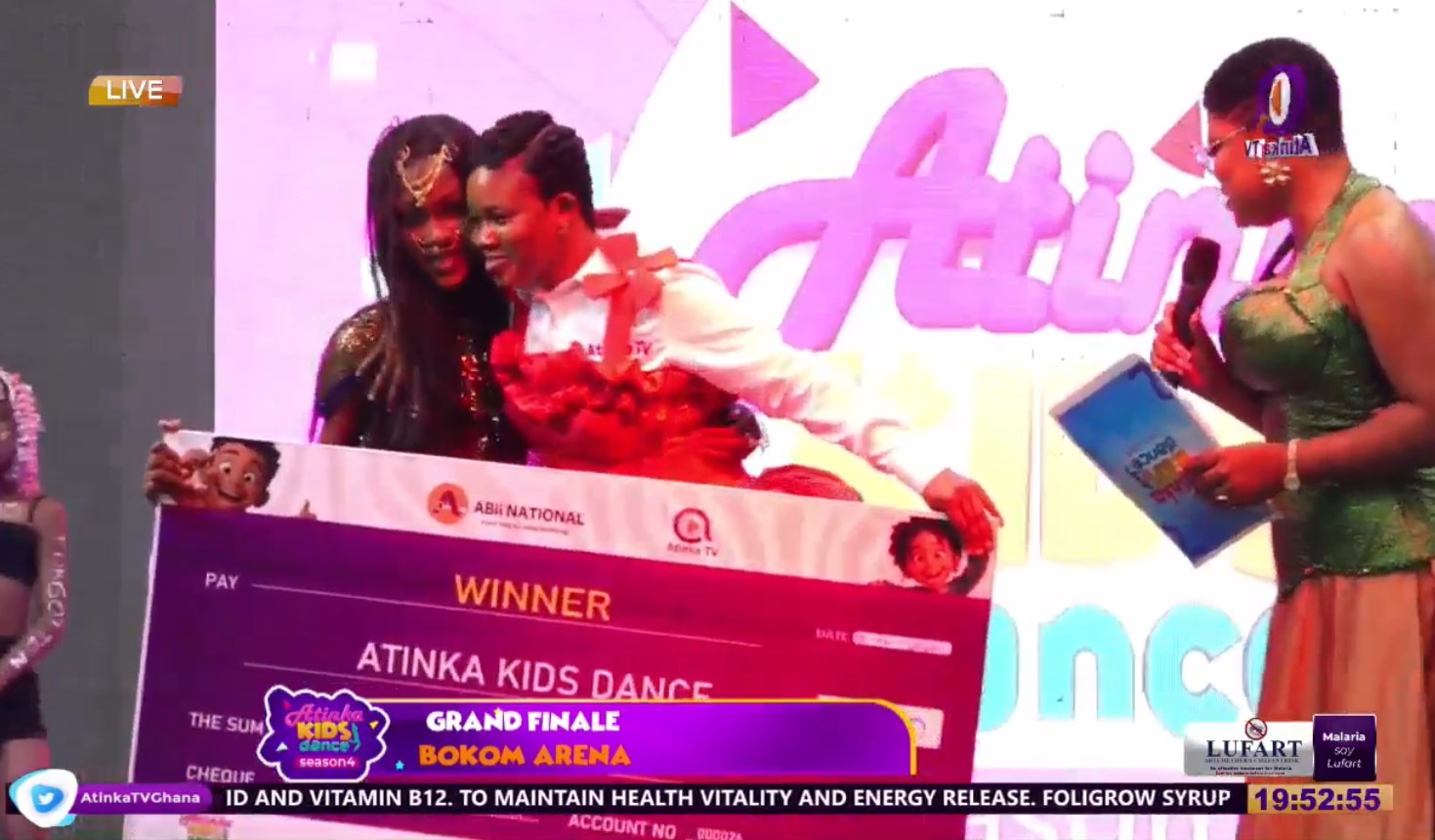
The atmosphere at the Gamashie Hall (Bukom Boxing Arena) in Accra came alive as young dance sensation Ligal Baby of The Rock School, Darkuman, emerged the winner of Atinka Kids Dance Season 4.
The exciting competition, organised by Atinka TV, started with 30 gifted young dancers from different parts of the country. After weeks of intense performances, evictions, and thrilling moments, the contest was narrowed down to 10 finalists competing for the prestigious crown.
Contestants faced three challenging rounds during the grand finale: Hip Hop, Sponsor’s Identity, where dancers creatively promoted selected sponsors through performance, and an energetic Freestyle round that tested creativity, stagecraft, and originality.
At the end of the second round, Fantastic Two, Afya Pretty, Achiamaa, Ella Baby, and Maggie Vibes exited the competition, leaving Ligal Baby, Abi The Rock Star, Professional Dance Family, Irene Arthur, and KezeeB1 to battle for the top spot.
With confidence, creativity, and electrifying stage presence, Ligal Baby delivered an unforgettable performance that earned the admiration of judges and the audience, ultimately securing the championship title.
For the emerging winner, Ligal Baby received GH¢20,000, products from sponsors, and a one-year professional training opportunity with CRDS Kids under the celebrated Ghanaian dancer Champion Rolly.
Irene Arthur of St. Charles School, Dansoman, secured second place and received GH¢10,000, sponsor products, and a three-month training opportunity with CRDS Kids. Abi, the Rock Star of Perpetual Help School, Alhaji, finished third and walked away with GH¢5,000, sponsor products, and a three-month training opportunity with CRDS Kids.
Professional Dance Family from JABS School, Nungua, placed fourth, while KezeeB1 of Ofosu Aimoako Memorial School, Tabora No. 6, finished fifth. Both contestants also received cash prizes and products from sponsors.
The event attracted a large crowd made up of parents, teachers, dance enthusiasts, and entertainment lovers who cheered passionately throughout the performances.
Atinka Kids Dance continues to establish itself as one of Ghana’s leading platforms for discovering, nurturing, and promoting young dance talents while contributing immensely to the growth of the country’s creative arts industry
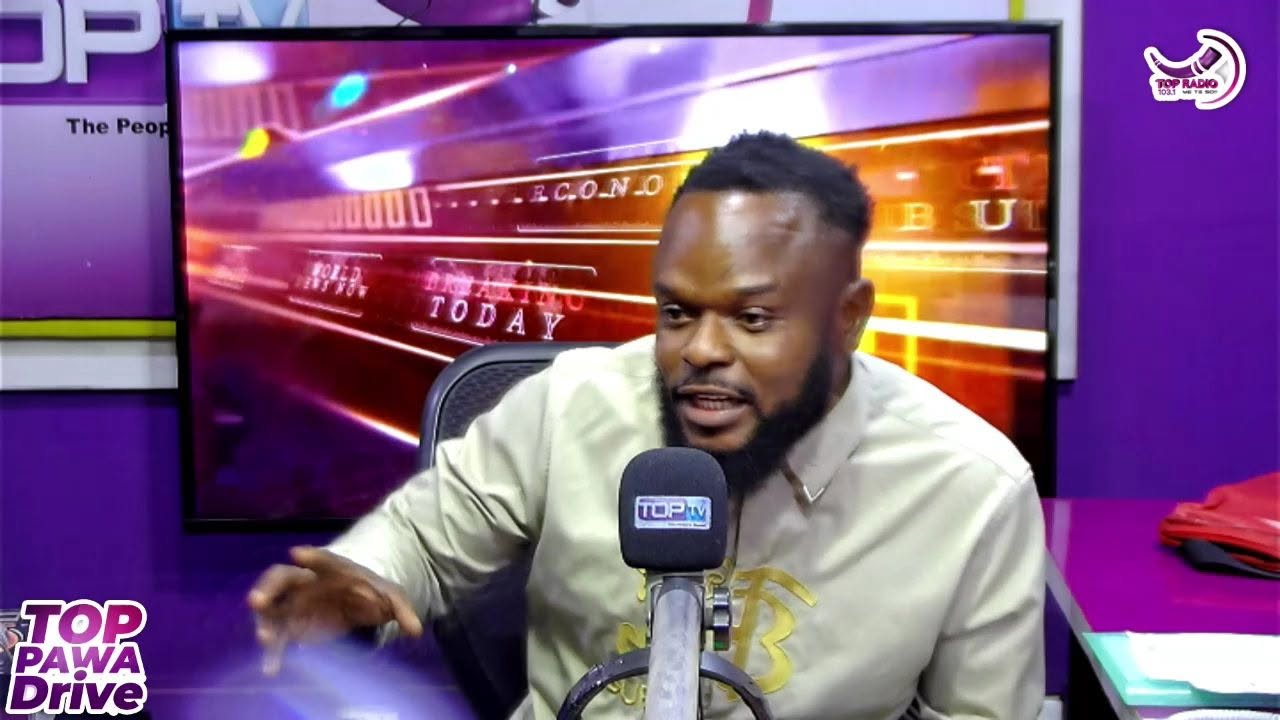
Popular Ghanaian media personality Nana Yaw Kumi Jnr, affectionately known in the entertainment space as Londona Nie, is reportedly making a strong recovery after surviving an accident that occurred some months ago on the Kwabenya stretch shortly after work.
The incident, which came as a shock to many fans and industry players, saw the energetic radio presenter rushed to Korle Bu Teaching Hospital for immediate medical treatment. Sources close to the presenter revealed that medical professionals acted swiftly to stabilise his condition upon arrival.
Following news of the accident, social media was flooded with prayers, encouraging messages, and support from listeners, colleagues, friends, and well-wishers who expressed concern over his health and recovery.
Thankfully, fresh updates indicate that the celebrated on-air personality is recovering steadily and regaining his strength day by day. Insiders close to the presenter have disclosed that his health condition has improved significantly, with expectations high for his return to the airwaves in the near future.
Londona Nie, who hosts the drive-time and entertainment show on Top 103.1 FM, is widely admired for his energetic style of presentation, humour, and ability to connect with his audience. His absence has undoubtedly left a void among his loyal listeners who continue to anticipate his comeback.
As recovery continues, many supporters remain optimistic and grateful for the progress made so far.
Without a doubt, “The Energy Man” will soon return to the microphone stronger, healthier, and more energised than ever.
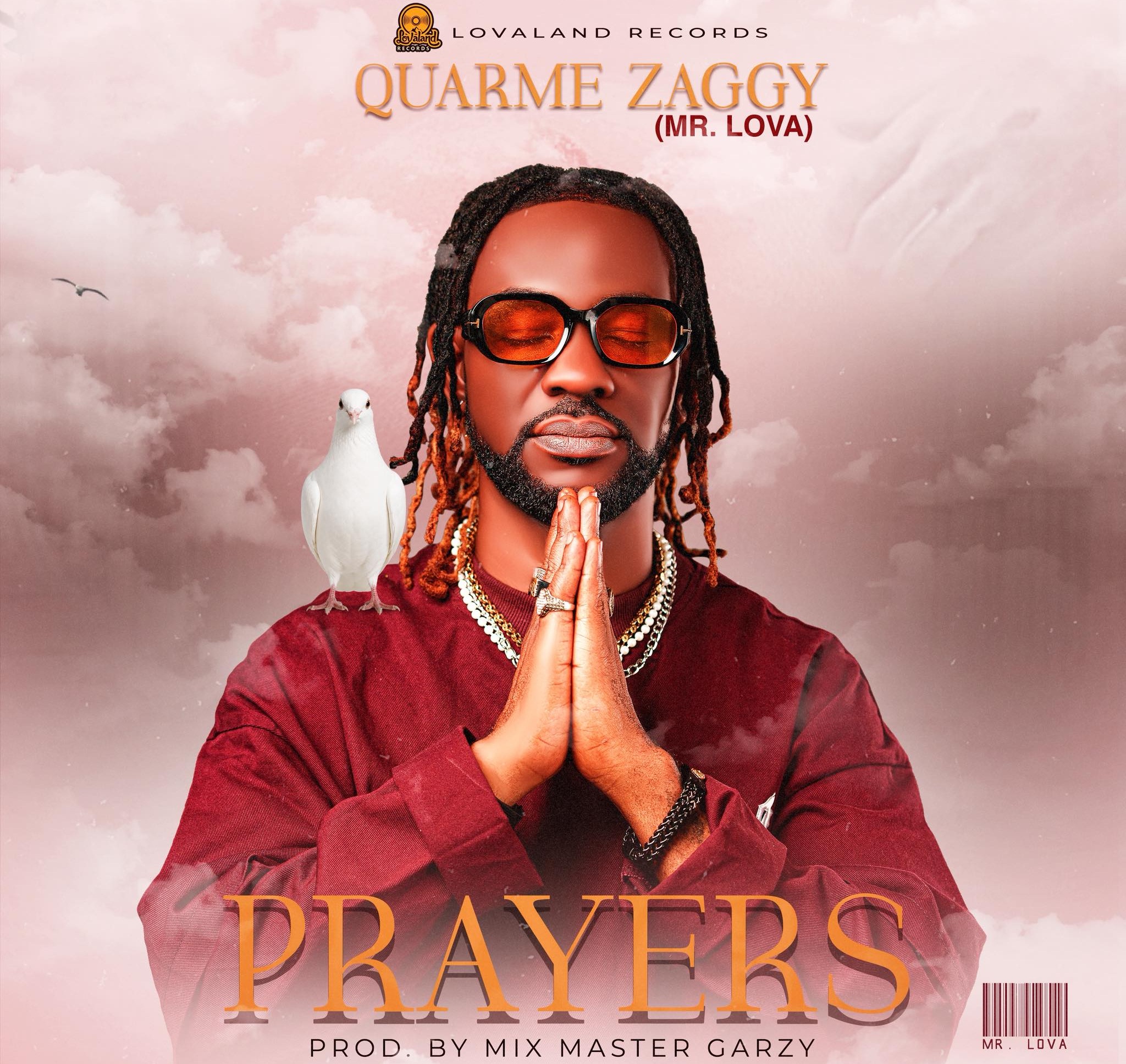
Ghanaian versatile Highlife musician Quarme Zaggy has officially unveiled the artwork for his forthcoming single titled “PRAYERS,” a move that is already generating excitement among music lovers and fans across social media.
The artwork, which reflects themes of hope, determination, faith, and resilience, offers listeners an early glimpse into the emotional depth and message expected from the upcoming release. The official release date is scheduled for Friday, 29th May, 2025. The visual presentation has successfully captured public attention and heightened anticipation for the song.
Known for his unique sound and ability to blend authentic Highlife melodies with contemporary musical influences, Quarme Zaggy continues to build a reputation as one of the promising talents within Ghana’s music industry. His music often connects with audiences through relatable storytelling and heartfelt lyrical delivery, qualities many fans expect to hear once again on “PRAYERS.”
Industry observers believe the single could become an inspirational anthem, especially at a time when many young people continue to rely on hope and faith while navigating life’s challenges. The title itself has already sparked conversations among followers, with many anticipating a motivational and spiritually uplifting message from the artist.
Over the years, Quarme Zaggy has remained consistent in his artistic journey, gradually building a loyal fan base through dedication, creativity, and musical versatility. The unveiling of the artwork marks the beginning of what is expected to be a strong promotional campaign ahead of the official release.
Fans and entertainment enthusiasts are now eagerly awaiting the release of “PRAYERS,” as many believe the song could further strengthen Quarme Zaggy’s presence within Ghana’s contemporary Highlife scene.

New Study Highlights Ghana’s Parliamentary Opposition leader Afenyo Markins as a Model for Democratic Stability in Africa

Ligal Baby Wins Big at Atinka Kids Dance Season 4 Grand Finale

Government reveals 76.4 Million Ghana cedis to back Black Stars World Cup campaign



-
 Sports2 weeks ago
GFA Boss Kurt Okraku Rejects National Team Players Selection Interference allegations
-
 Politics2 weeks ago
Abronye DC Remanded Into Custody After Court Rejects Bid to Vary Bail Conditions
-
 Sports2 weeks ago
2026 FIFA World Cup: Ivory Coast defeats France in Pre-World Cup Friendly
-
 Sports2 weeks ago
IFAB Approves Major Rule Changes Ahead of 2026 FIFA World Cup
-
 General News2 weeks ago
Sam George Pushes Mandatory National ID Verification for Access to Adult Websites
-
 Culture2 weeks ago
Christian Council Backs Mahama’s Decision to Review Anti-LGBTQ+ Bill
-
 Sports1 week ago
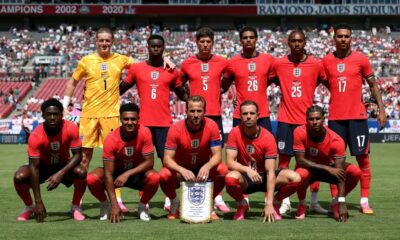
2026 FIFA World Cup: Ghana group opponent England defeats New Zealand in a warm up Friendly
-
 Sports2 weeks ago
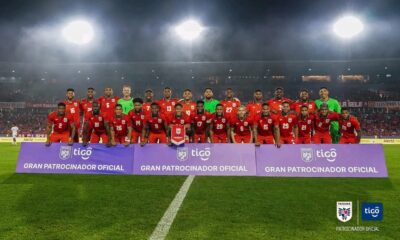
2026 FIFA World Cup: Ghana group opponent Panama beats Dominican Republic in last friendly ahead of the tournament