
Entertainment
Shatta Wale Granted GH₵10m Bail Over Lamborghini Case

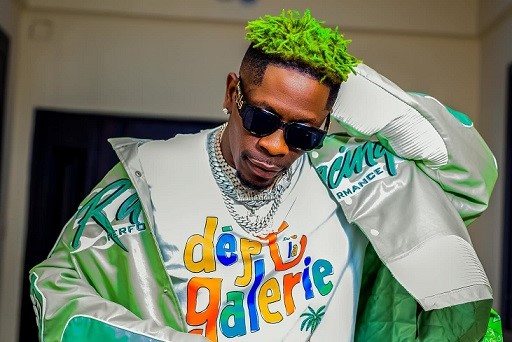
Shatta Wale, born Charles Nii Armah Mensah Jr., has been granted bail of GH₵10 million with two sureties after being held by the Economic and Organised Crime Office (EOCO) over a luxury car scandal involving a yellow Lamborghini Urus.
The musician reported himself to EOCO headquarters on Wednesday, August 20, 2025, accompanied by his lawyer, Cephas Biyuo, to support ongoing investigations. His manager, Samuel Atuobi Baah (Sammy Flex), confirmed the bail arrangement, noting that the legal team is working to meet the requirements by Thursday, August 21.
According to EOCO, the case revolves around tax obligations related to the luxury car and activities connected to Shatta Wale’s company. The matter dates back to an operation in June, when officials seized a 2019 Lamborghini Urus from the artist’s residence in Trassaco Valley.
A statement signed by EOCO’s Acting Executive Director, Raymond Archer, revealed that the seizure followed a 2023 request from the U.S. Federal Bureau of Investigation (FBI) and the Department of Justice (DOJ).
U.S. authorities linked the vehicle to Nana Kwabena Amuah, a Ghanaian currently serving an 86-month prison sentence in the United States for financial crimes. The FBI and DOJ are expected to formally request the return of the car to the U.S. as part of a $4.7 million restitution order against Amuah.
EOCO further disclosed that Shatta Wale had initially pleaded with officials not to publicise the seizure, citing concerns about the negative impact on his brand image.
The investigative body also confirmed that Shatta Wale, along with a former senior officer of the National Signal Bureau, remains a person of interest in the ongoing probe and may face additional questioning.









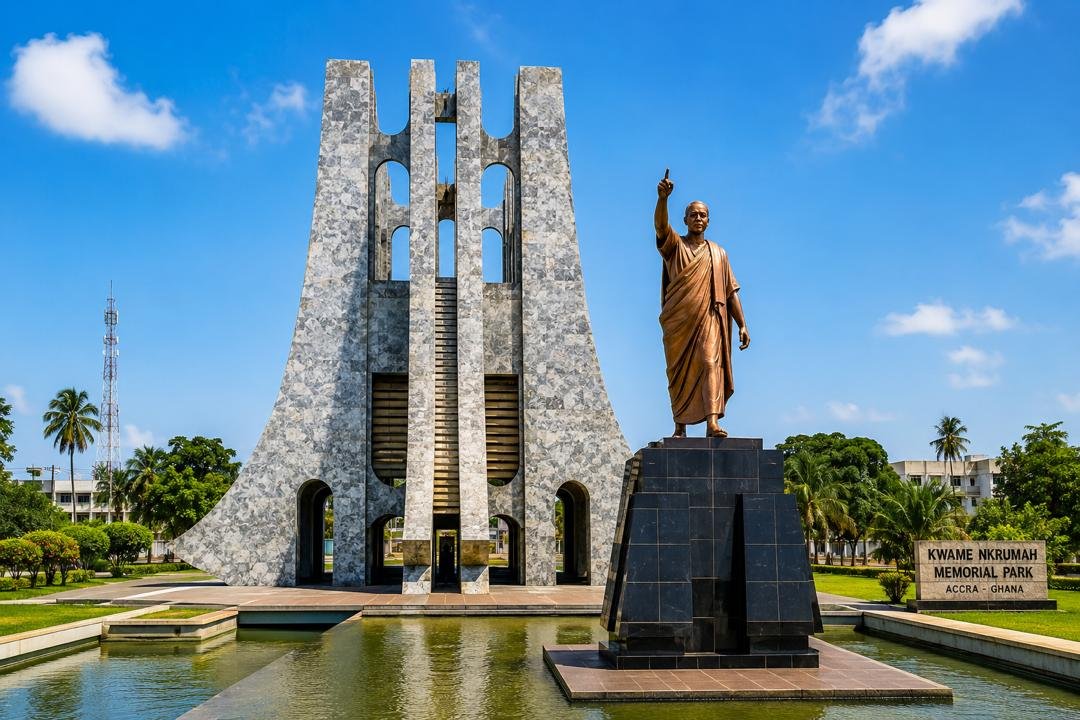
Ghana’s tourism industry kept growing in 2025, with more international visitors and local travel, according to the latest Tourism Report from the Ghana Tourism Authority (GTA). The report shows that the industry is recovering well and moving toward steady long-term growth.
The report said Ghana received 1,306,962 international visitors in 2025, a 1.4 per cent increase from the 1,288,804 visitors recorded in 2024. Although the growth was small, it shows that Ghana remains a popular place for business, cultural, heritage, and leisure tourism.
Business travel was the main reason people visited Ghana, making up 31 per cent of all international arrivals. Visits to family and friends came next at 23 percent, showing Ghana’s strong ties with its diaspora and its growing popularity in West Africa. On average, international visitors stayed for 13 nights, and more than 60 per cent had visited before, showing that many travellers enjoy returning to the country.
The United States, Nigeria, and the United Kingdom remained Ghana’s top source countries for visitors. Nigeria recorded the biggest growth among them, with visitor numbers rising by 22 per cent in 2025. Arrivals from the United States increased by 13 per cent, while those from the United Kingdom grew by 7 percent.
Even though more people visited Ghana, tourist spending went down. Average spending per visitor dropped from US$3,742.98 in 2024 to US$3,319.90 in 2025. Because of this, international tourism earnings fell from US$4.82 billion to about US$4.34 billion. The report said there is a need for plans that attract visitors who spend more and for more high-end tourism experiences.
Local tourism remained an important part of the sector’s growth. Visits to 55 tourist attractions across the country reached 1,793,797 in 2025, a 7 per cent increase from the previous year. Ghanaians made up 84 per cent of all visits, showing the growing importance of local travel in supporting the tourism industry.
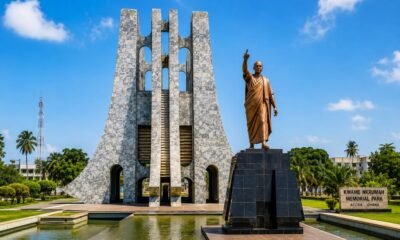
Among the country’s top attractions, the Kwame Nkrumah Memorial Park was again the most visited site, with 302,523 visitors during the year. Kakum National Park came next with 203,222 visits, while Bunso Arboretum received 149,319 visitors. Other popular places included Cape Coast Castle, Manhyia Palace Museum, Accra Zoo, Elmina Castle, and Kumasi Zoo.
The report also showed growth in Ghana’s tourism business sector. The number of licensed tourism businesses increased from 6,702 in 2024 to 7,109 in 2025. This growth included hotels and other accommodation facilities, restaurants and food businesses, entertainment centres, and travel-related companies.
Speaking about the sector’s performance, GTA Chief Executive Officer Maame Efua Houadjeto said the results show Ghana’s lasting appeal and the growing strength of local tourism. She said the Authority is now focusing on attracting visitors who spend more, creating tourism opportunities in all regions, and making sure tourism growth benefits local communities.
Minister for Tourism, Culture and Creative Arts, Abla Dzifa Gomashie, also praised the sector’s progress. She said it shows Ghana’s commitment to sustainable tourism, protecting culture, and encouraging innovation. She repeated the government’s goal of making Ghana the “Centre of the World” through investments in eco-tourism, community tourism, cultural heritage protection, and creative tourism experiences.
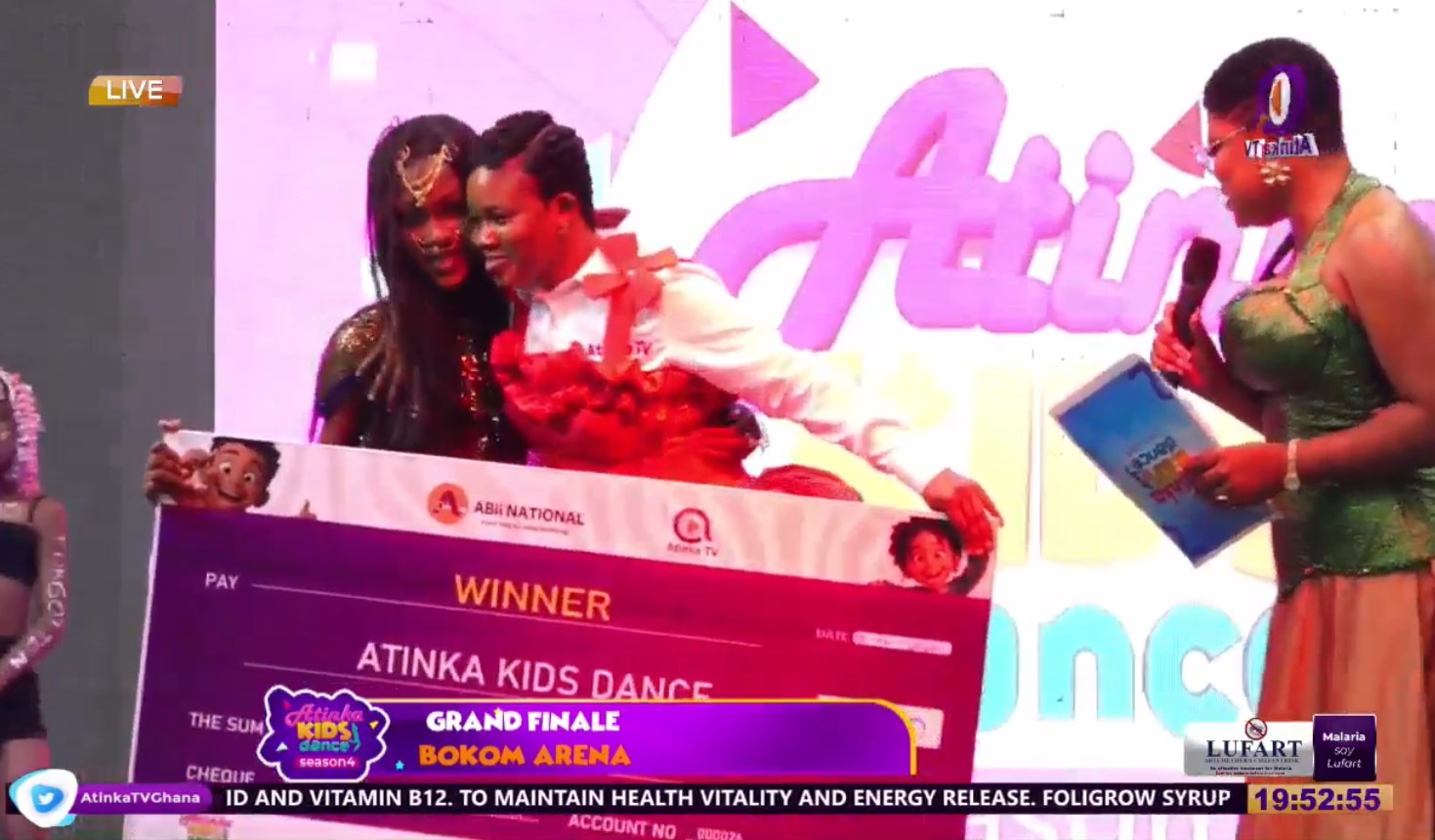
The atmosphere at the Gamashie Hall (Bukom Boxing Arena) in Accra came alive as young dance sensation Ligal Baby of The Rock School, Darkuman, emerged the winner of Atinka Kids Dance Season 4.
The exciting competition, organised by Atinka TV, started with 30 gifted young dancers from different parts of the country. After weeks of intense performances, evictions, and thrilling moments, the contest was narrowed down to 10 finalists competing for the prestigious crown.
Contestants faced three challenging rounds during the grand finale: Hip Hop, Sponsor’s Identity, where dancers creatively promoted selected sponsors through performance, and an energetic Freestyle round that tested creativity, stagecraft, and originality.
At the end of the second round, Fantastic Two, Afya Pretty, Achiamaa, Ella Baby, and Maggie Vibes exited the competition, leaving Ligal Baby, Abi The Rock Star, Professional Dance Family, Irene Arthur, and KezeeB1 to battle for the top spot.
With confidence, creativity, and electrifying stage presence, Ligal Baby delivered an unforgettable performance that earned the admiration of judges and the audience, ultimately securing the championship title.
For the emerging winner, Ligal Baby received GH¢20,000, products from sponsors, and a one-year professional training opportunity with CRDS Kids under the celebrated Ghanaian dancer Champion Rolly.
Irene Arthur of St. Charles School, Dansoman, secured second place and received GH¢10,000, sponsor products, and a three-month training opportunity with CRDS Kids. Abi, the Rock Star of Perpetual Help School, Alhaji, finished third and walked away with GH¢5,000, sponsor products, and a three-month training opportunity with CRDS Kids.
Professional Dance Family from JABS School, Nungua, placed fourth, while KezeeB1 of Ofosu Aimoako Memorial School, Tabora No. 6, finished fifth. Both contestants also received cash prizes and products from sponsors.
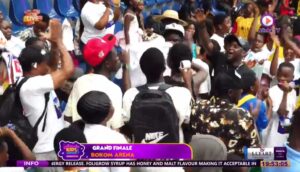
The event attracted a large crowd made up of parents, teachers, dance enthusiasts, and entertainment lovers who cheered passionately throughout the performances.
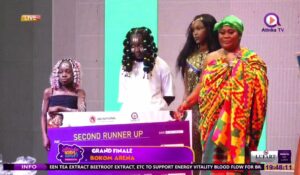
Atinka Kids Dance continues to establish itself as one of Ghana’s leading platforms for discovering, nurturing, and promoting young dance talents while contributing immensely to the growth of the country’s creative arts industry
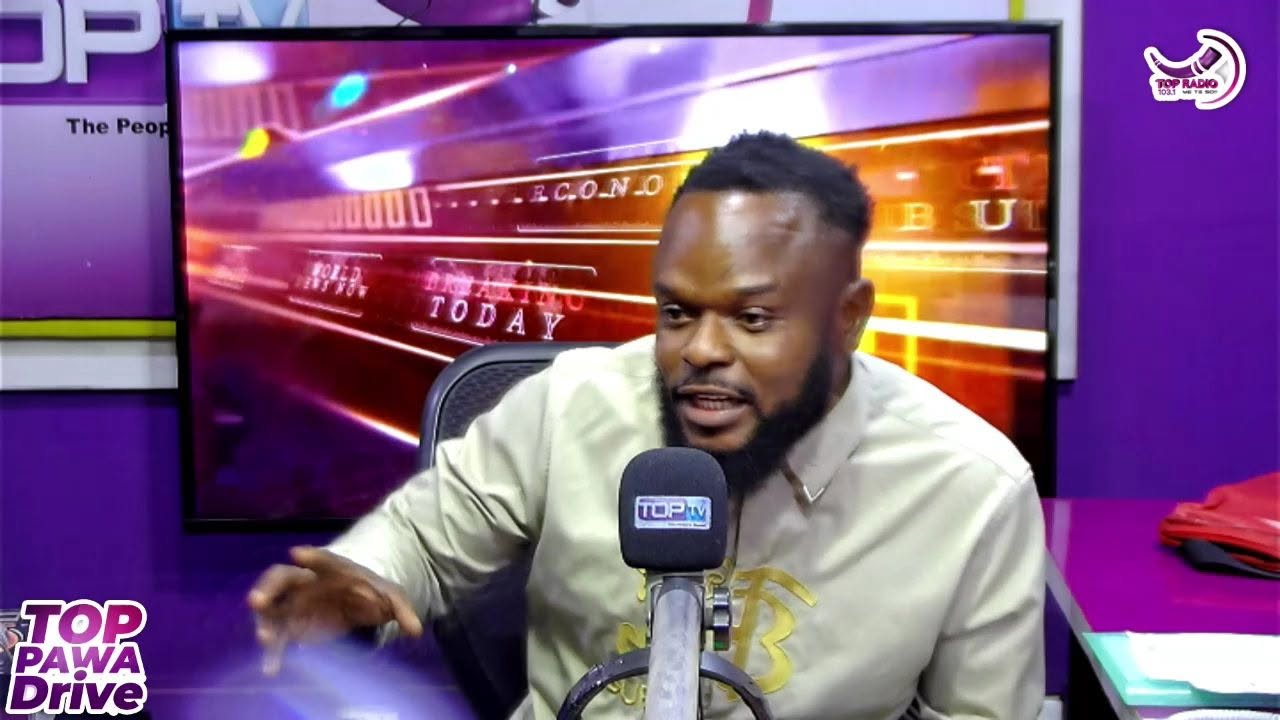
Popular Ghanaian media personality Nana Yaw Kumi Jnr, affectionately known in the entertainment space as Londona Nie, is reportedly making a strong recovery after surviving an accident that occurred some months ago on the Kwabenya stretch shortly after work.
The incident, which came as a shock to many fans and industry players, saw the energetic radio presenter rushed to Korle Bu Teaching Hospital for immediate medical treatment. Sources close to the presenter revealed that medical professionals acted swiftly to stabilise his condition upon arrival.
Following news of the accident, social media was flooded with prayers, encouraging messages, and support from listeners, colleagues, friends, and well-wishers who expressed concern over his health and recovery.
Thankfully, fresh updates indicate that the celebrated on-air personality is recovering steadily and regaining his strength day by day. Insiders close to the presenter have disclosed that his health condition has improved significantly, with expectations high for his return to the airwaves in the near future.
Londona Nie, who hosts the drive-time and entertainment show on Top 103.1 FM, is widely admired for his energetic style of presentation, humour, and ability to connect with his audience. His absence has undoubtedly left a void among his loyal listeners who continue to anticipate his comeback.
As recovery continues, many supporters remain optimistic and grateful for the progress made so far.
Without a doubt, “The Energy Man” will soon return to the microphone stronger, healthier, and more energised than ever.

Cabinet Clears 2026–2030 Anti-Corruption Plan for Parliamentary Approval – Mahama
Mahama Announces State Assets Protection Bill to Safeguard Public Property

Creative Industry Questions Slow Progress of Black Star Experience Ahead of 2026 World Cup



-

 General News5 days ago
PURC Announces New Utility Tariffs as Electricity and Water Prices Rise from July 1
-
 Sports5 days ago
2026 FIFA World Cup: “I am working to Stop Harry Kane – Kwaku Bonsam
-
 Entertainment5 days ago
Ghana’s Tourism Sector Soars as International Visits Hit Nearly 1.8 Million in 2025
-

 General News5 days ago
Adwoa Safo Stable After Shooting Incident: Kwadwo Safo Family Clarifies Succession Dispute
-
 Sports5 days ago
2026 FIFA World Cup: Goalkeeper Lawrence Ati Zigi set to be ready ahead of England Clash
-
 Politics2 weeks ago
New Study Highlights Ghana’s Parliamentary Opposition leader Afenyo Markins as a Model for Democratic Stability in Africa
-
 Sports5 days ago
2026 FIFA World Cup: Midfielder Thomas Partey confirmed his readiness ahead of England clash
-

 Sports4 days ago
2026 FIFA World Cup: “Ghana team were very compact and organised – Midfielder Declan Rice